When you pick up a bottle of conventional household cleaner, what are you really bringing into your home? The brightly coloured liquid, the fresh scent, the promises of "kills 99.9% of germs"—they all seem reassuring. But behind the marketing and pleasant fragrances lies a complex mixture of synthetic chemicals, many with concerning health and environmental implications that manufacturers aren't required to fully disclose.
Understanding what's actually in conventional cleaners is essential for making informed choices about the products you use in your home. Let's pull back the curtain on the cleaning industry and examine exactly what these products contain.
The Lack of Transparency
Unlike food, cosmetics, or pharmaceuticals, household cleaning products in the UK face surprisingly lax labelling requirements. Manufacturers aren't required to list all ingredients, and terms like "fragrance" or "surfactants" can hide dozens of individual chemicals.
What Labels Don't Tell You
When you read a conventional cleaner's label, you'll typically find:
- Vague categories rather than specific chemicals ("anionic surfactants" could be any of dozens of compounds)
- Percentage ranges rather than exact quantities (5-15% surfactants tells you very little)
- No disclosure of fragrance components (a single "fragrance" can contain 50+ undisclosed chemicals)
- No information about impurities or contamination from the manufacturing process
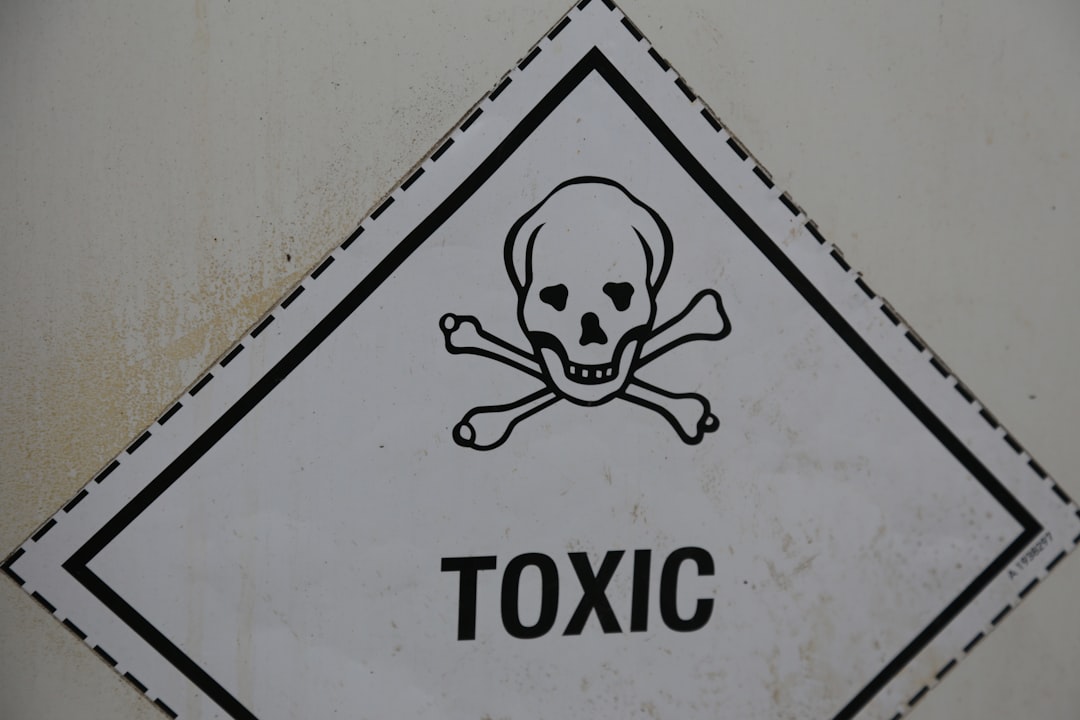
- Limited safety information beyond basic hazard symbols
Why This Matters
This lack of transparency means you're making cleaning decisions without full information about:
- Which specific chemicals you're introducing to your home
- How these chemicals interact with each other
- Long-term health effects of repeated exposure
- Environmental impact when products wash down drains
- Potential effects on vulnerable family members (babies, elderly, pets)
Common Ingredients in Conventional Cleaners
Whilst labels may be vague, research and industry knowledge reveal the typical components of conventional cleaning products.
Surfactants: The Cleaning Workhorses
Surfactants (surface-active agents) are the primary cleaning ingredients in most products. Common types include:
- Sodium Lauryl Sulphate (SLS) and Sodium Laureth Sulphate (SLES): Powerful degreasers derived from petroleum or palm oil. Can irritate skin and eyes, strip natural oils, and may contain 1,4-dioxane contamination (a probable carcinogen).
- Alkylphenol Ethoxylates (APEs): Effective surfactants but highly toxic to aquatic life. Act as endocrine disruptors, interfering with hormone systems in humans and wildlife. Being phased out in Europe but still present in many products.
- Quaternary Ammonium Compounds (Quats): Antimicrobial surfactants that can trigger asthma, skin irritation, and reproductive issues. Contribute to antimicrobial resistance.
Disinfectants and Antimicrobials
Products marketed as antibacterial or disinfecting typically contain:
- Sodium Hypochlorite (Bleach): Powerful disinfectant that's highly corrosive, toxic to aquatic life, produces harmful fumes (especially when mixed with other cleaners), and can cause respiratory problems with regular exposure.
- Triclosan: Antimicrobial agent now banned in hand soaps in the US due to hormone disruption concerns, but still found in some household cleaners. Contributes to antibiotic resistance and is toxic to algae and fish.
- Pine Oil and Phenolic Compounds: Derived from pine trees but highly processed. Can cause skin and eye irritation, respiratory problems, and are particularly toxic to cats.
- Quaternary Ammonium Compounds: Already mentioned as surfactants, these also function as disinfectants with all the associated concerns.
Solvents
Solvents help dissolve grease and other substances. Common ones include:
- 2-Butoxyethanol (Butyl Cellosolve): Found in many glass cleaners and all-purpose cleaners. Can cause sore throats when inhaled, and higher exposure may affect the nervous system and kidneys. Not required to be listed on labels.
- Ethanol and Isopropanol (Alcohols): Generally less toxic than other solvents but still flammable and can cause headaches and dizziness in poorly ventilated spaces.
- Glycol Ethers: Family of solvents linked to reproductive problems and developmental issues. Some are banned in Europe but others remain in use.
Acids and Alkalis
pH-modifying chemicals used for specific cleaning tasks:
- Hydrochloric Acid: Found in toilet bowl cleaners. Highly corrosive, produces harmful fumes, and is extremely dangerous if mixed with bleach (produces chlorine gas).
- Phosphoric Acid: Used in bathroom cleaners for limescale removal. Less corrosive than hydrochloric acid but still irritating to skin and eyes.
- Sodium Hydroxide (Lye/Caustic Soda): Found in oven cleaners and drain unblockers. Extremely alkaline and can cause severe chemical burns.
- Ammonia: Volatile alkaline compound used in glass cleaners. Produces irritating fumes, particularly dangerous when mixed with bleach, and contributes to air pollution.
Fragrances
Perhaps the most concerning category due to complete lack of disclosure:
- Synthetic Musks: Persist in the environment and accumulate in human fat tissue. Some are suspected endocrine disruptors.
- Phthalates: Used as fragrance carriers. Well-documented endocrine disruptors linked to reproductive and developmental problems.
- Limonene: Derived from citrus but highly processed. Can cause skin sensitisation and reacts with ozone to form formaldehyde.
- Synthetic Fragrance Chemicals: Potentially hundreds of undisclosed compounds, some known allergens and irritants.
Preservatives
Added to prevent bacterial growth in the product itself:
- Formaldehyde and Formaldehyde-Releasing Preservatives: Known human carcinogen. Can cause respiratory irritation and allergic reactions. Often not listed by name but hidden under terms like "quaternium-15."
- Methylisothiazolinone (MIT) and Methylchloroisothiazolinone (CMIT): Powerful preservatives that are potent skin sensitisers, causing allergic reactions in increasing numbers of people.
Other Common Additives
- Colourants: Synthetic dyes, some derived from petroleum, that serve no cleaning function but may cause allergic reactions.
- Optical Brighteners: Make surfaces appear cleaner by converting UV light to visible blue light. Can cause skin irritation and are toxic to aquatic life.
- EDTA (Ethylenediaminetetraacetic Acid): Chelating agent that binds to minerals. Doesn't biodegrade readily and can mobilise heavy metals in the environment.
The Cocktail Effect
Individual chemical safety is concerning enough, but products typically contain 10-20 different chemicals, and homes typically contain 10-20 different cleaning products.
Interactions Nobody Studies
Safety testing examines individual chemicals in isolation, but:
- Chemicals in a single product interact with each other
- Different products used in the same space combine in the air
- Residues on surfaces can react with subsequently applied products
- Breakdown products may be more harmful than original chemicals
The cumulative effects of exposure to multiple chemicals simultaneously are largely unknown and unstudied.
Health Concerns from Regular Exposure
Professional cleaners—who have the highest exposure to these products—show elevated rates of:
- Asthma and other respiratory conditions
- Skin conditions including dermatitis and eczema
- Reproductive problems
- Certain cancers
Whilst household exposure is lower, families still face:
- Respiratory Issues: VOCs and fragrances can trigger or worsen asthma
- Skin Irritation: Direct contact with harsh surfactants and solvents
- Hormone Disruption: From phthalates, triclosan, and APEs
- Allergies: Fragrances and preservatives are leading causes of contact allergies
- Poisoning Risk: Particularly for young children who may ingest products
Environmental Impact
Every cleaning product used eventually ends up in the environment.
Water Pollution
- Phosphates cause algal blooms and oxygen depletion
- Surfactants are toxic to aquatic organisms
- Antimicrobials harm beneficial bacteria in wastewater treatment
- Persistent chemicals accumulate in waterways and sediments
Air Pollution
- VOCs contribute to indoor and outdoor air pollution
- Some chemicals react to form secondary pollutants
- Fragrances can contain air toxics
Contribution to Antimicrobial Resistance
Widespread use of antimicrobial chemicals in cleaning products contributes to the development of resistant bacteria, making infections harder to treat.
Particularly Concerning Product Categories
Antibacterial Products
Despite marketing claims, antibacterial cleaners offer no advantage over regular soap and water for routine household cleaning. They do, however:
- Contribute to antimicrobial resistance
- Contain endocrine-disrupting chemicals
- Harm beneficial bacteria that protect health
- Damage environmental ecosystems
Air Fresheners and Scented Products
These products don't clean—they mask odours whilst releasing:
- Phthalates (endocrine disruptors)
- VOCs (respiratory irritants)
- Synthetic musks (bioaccumulative)
- Formaldehyde (carcinogen)
Drain and Oven Cleaners
These are among the most toxic products in homes:
- Extremely caustic (sodium hydroxide)
- Produce harmful fumes
- Can cause severe chemical burns
- Highly toxic if ingested
Greenwashing: When "Natural" Isn't
The rise in environmental awareness has led to "green" marketing that's often misleading.
Misleading Terms
- "Natural": Unregulated term that means little. Arsenic is natural. Many "natural" cleaners contain synthetic chemicals.
- "Plant-Based": May be derived from plants but heavily processed with solvents and other chemicals.
- "Non-Toxic": No legal definition. Products can claim this whilst containing concerning chemicals.
- "Eco-Friendly": Vague term with no regulatory meaning.
Reading Between the Lines
Even "green" conventional cleaners often contain:
- Synthetic fragrances (even if plant-derived)
- Harsh surfactants (even if biodegradable)
- Preservatives with safety concerns
- Undisclosed ingredients under proprietary claims
The Alternative: True Transparency
The complexity and opacity of conventional cleaner formulations stands in stark contrast to genuinely transparent alternatives like probiotic cleaning.
What Transparency Looks Like
Truly transparent cleaning products:
- List every ingredient by its actual name
- Provide concentrations or at least meaningful ranges
- Explain what each ingredient does
- Disclose all fragrance components
- Provide safety data and research citations
- Are honest about limitations and proper use
The Probiotic Alternative
Probiotic cleaners contain:
- Beneficial bacteria (specific species named)
- Plant-based surfactants (source disclosed)
- Essential oils for fragrance (if scented at all)
- Water
That's it. No hidden chemicals, no toxic additives, no concerning preservatives or fragrances.
Making Informed Choices
Understanding what's in conventional cleaners empowers you to make better decisions.
Questions to Ask
- Does the label list all ingredients?
- Can I pronounce and understand the ingredients?
- Are hazard warnings present?
- Is "fragrance" listed without specifying components?
- Are claims like "natural" backed by full disclosure?
Red Flags
- Long lists of unpronounceable chemicals
- Hazard symbols without detailed warnings
- Vague ingredient categories
- Strong artificial fragrances
- Claims that seem too good to be true
The Path Forward
You don't need complex chemical cocktails to have a clean home. The cleaning industry has convinced us that we need specialized products with powerful chemicals for every surface and situation, but this simply isn't true.
Effective cleaning can be achieved with:
- Simple, transparent ingredients
- Biological processes (enzymes and beneficial bacteria)
- Physical action (scrubbing, wiping)
- Hot water when appropriate
Understanding what's really in conventional cleaners helps you appreciate why alternatives like probiotic cleaning aren't just better—they're necessary for creating genuinely healthy homes and protecting our environment.
Ready to leave the chemical cocktail behind? Explore our range of probiotic cleaning products with complete ingredient transparency and no concerning chemicals—just beneficial bacteria, plant-based ingredients, and honest, effective cleaning.