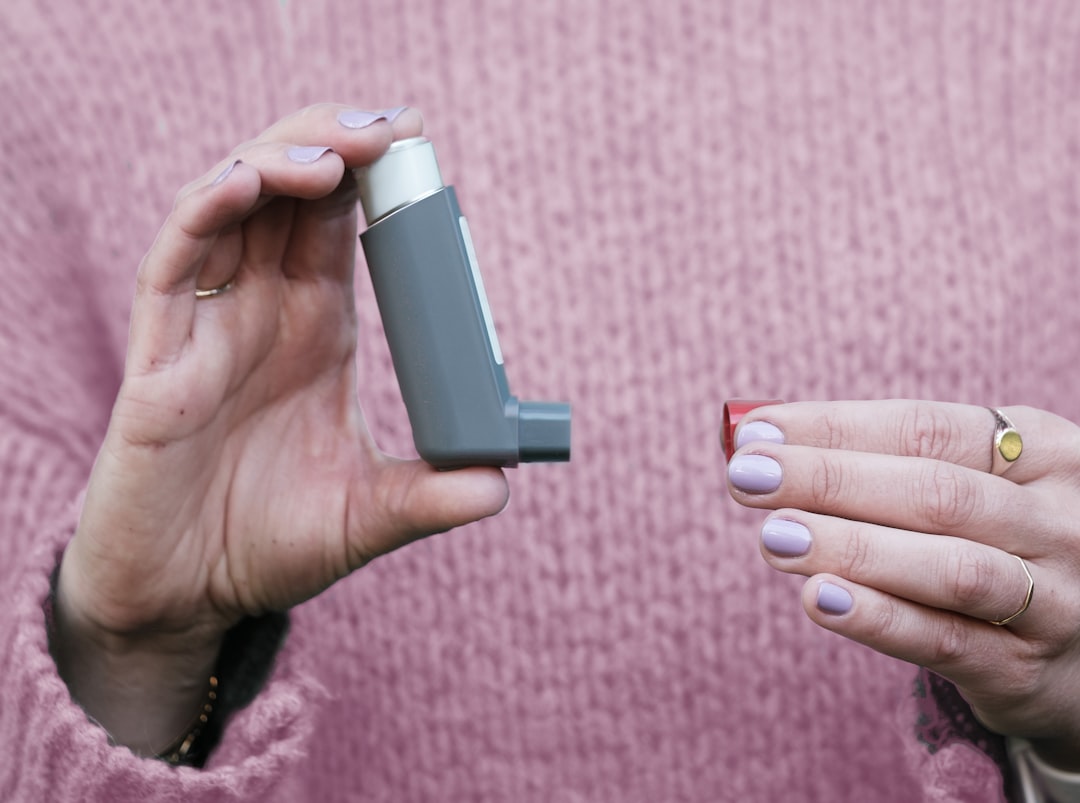
The relationship between cleaning practices and respiratory health has become increasingly clear through research linking conventional cleaning product use to asthma development, allergy exacerbation, and chronic respiratory conditions. Understanding these connections enables informed choices about cleaning approaches that maintain hygiene without compromising respiratory health.
Cleaning Products as Asthma Triggers
Conventional cleaning products rank amongst the most common indoor asthma triggers, with spray cleaners proving particularly problematic. Research demonstrates that exposure to cleaning product aerosols and vapours can trigger acute asthma attacks in sensitised individuals through multiple mechanisms including airway irritation, inflammatory responses, and allergic reactions. Studies examining asthma attack precipitants consistently identify cleaning product exposure as a frequent trigger reported by patients.
Volatile organic compounds released from cleaning products irritate airways even in non-asthmatic individuals, with effects magnified in those with reactive airways. These VOCs include formaldehyde, terpenes from citrus-based cleaners, and numerous synthetic fragrances. Research measuring lung function before and after cleaning product exposure shows measurable decreases in asthmatic individuals, with effects persisting for hours after initial exposure.
Occupational Asthma in Cleaning Workers
Professional cleaners experience elevated asthma rates compared to the general population, providing clear evidence linking cleaning chemical exposure to respiratory disease development. Studies tracking cleaning workers over years show asthma development rates 2-3 times higher than non-cleaning occupations. This occupational health data demonstrates that cleaning chemical exposure, rather than the act of cleaning itself, drives respiratory health impacts.
Specific cleaning product ingredients identified as occupational asthma causes include quaternary ammonium compounds, chlorine bleach, ammonia, and various fragrances. Research examining newly diagnosed occupational asthma cases consistently identifies these chemicals as causal agents. The mechanisms include both irritant effects and allergic sensitisation, with some individuals developing immediate reactions and others showing delayed or cumulative effects.
Childhood Asthma Development
Particularly concerning are studies linking household cleaning product use to childhood asthma development. Research following children from birth shows associations between regular exposure to cleaning product chemicals and increased asthma risk by school age. The relationship proves especially strong for spray disinfectants and chlorine bleach, with frequent use in homes correlating with highest asthma rates.
Timing of exposure appears critical, with early life exposures during respiratory system development showing strongest associations with later asthma. Studies examining cleaning practices in homes with infants demonstrate that high-frequency use of conventional products, particularly sprays and disinfectants, increases subsequent asthma diagnosis rates. This evidence supports recommendations for gentler cleaning approaches in households with young children.
Allergy and Sensitisation Mechanisms
Beyond irritant effects, certain cleaning product chemicals can cause allergic sensitisation where immune systems develop specific reactions to chemical exposures. Fragrances represent common sensitising agents, with research identifying numerous fragrance chemicals as contact allergens and respiratory sensitisers. Once sensitisation develops, even minute exposures can trigger symptoms ranging from skin rashes to severe respiratory reactions.
Preservatives in cleaning products including methylisothiazolinone and formaldehyde-releasing compounds cause allergic contact dermatitis and respiratory sensitisation. Studies examining contact allergy patterns show increasing rates of sensitisation to these cleaning product preservatives, correlating with increased use of preserved cleaning products. For sensitised individuals, avoiding these chemicals becomes essential but proves difficult given their widespread use.
Probiotic Cleaning as Asthma-Friendly Alternative
Probiotic cleaning systems offer particular advantages for households affected by asthma and allergies through absence of harsh chemicals, VOC emissions, and sensitising fragrances. Research comparing respiratory symptoms in asthmatic individuals using conventional versus probiotic cleaners shows significant improvements with probiotic approaches including reduced attack frequency, decreased medication use, and improved quality of life measures.
The gentle formulations of probiotic cleaners don't trigger airway irritation even in highly reactive individuals. Studies measuring lung function and respiratory symptoms during and after cleaning activities show minimal effects with probiotic products compared to measurable decrements with conventional cleaners. Asthma patients report particular appreciation for odour-free cleaning that doesn't necessitate leaving rooms or opening windows during cleaning activities.
Indoor Air Quality and Respiratory Health
Indoor air quality fundamentally affects respiratory health, with cleaning practices significantly influencing air pollution levels inside homes. Conventional cleaning product use degrades indoor air quality through VOC emissions, particulate matter from sprays, and chemical residues that continue off-gassing after cleaning. Research measuring indoor air quality demonstrates that cleaning activities often create the highest indoor pollution levels of typical household activities.
Probiotic cleaning improves indoor air quality through elimination of VOC emissions and harsh chemical vapours. Studies comparing air quality measurements in homes using conventional versus probiotic cleaning show substantially lower chemical concentrations with probiotic approaches. This air quality improvement translates to respiratory health benefits, with research correlating probiotic cleaning adoption with reduced respiratory symptom reports amongst household members.
Allergen Management
Effective allergen removal from surfaces proves essential for allergy management, but cleaning methods must not introduce new irritants whilst removing allergens. Conventional cleaners can leave chemical residues that trigger reactions even whilst successfully removing biological allergens. Probiotic cleaners achieve allergen removal through mechanical action and enzymatic breakdown without leaving irritating chemical residues.
Dust mite allergen management particularly benefits from probiotic cleaning approaches. Research shows that regular probiotic treatment of bedding, carpets, and soft furnishings reduces dust mite populations and allergen levels through bacterial competition rather than harsh chemicals. Studies comparing allergen management approaches show probiotic methods achieving comparable or superior results to conventional treatments without chemical exposure concerns.
Fragrance-Free Benefits
Fragrances in cleaning products represent major triggers for both asthma and allergies, yet many conventional products contain complex fragrance mixtures including dozens of individual chemicals. Even products marketed as "fresh" or "natural" scents often contain substantial fragrance chemical loads. Research examining cleaning product ingredients shows that fragrance components frequently comprise the largest portion of volatile emissions during product use.
Probiotic cleaners typically contain minimal or no added fragrances, providing effective cleaning without fragrance-related health risks. Studies examining product acceptability show that whilst some users initially prefer fragranced products, individuals with respiratory sensitivities overwhelmingly prefer fragrance-free approaches. The absence of masking fragrances also allows accurate assessment of cleanliness rather than relying on scent to indicate cleaning.
School and Workplace Considerations
Asthmatic children and adults spend significant time in schools and workplaces where cleaning practices may not account for respiratory health concerns. Conventional institutional cleaning often uses harsh disinfectants and strongly fragranced products creating problematic environments for sensitive individuals. Research examining school cleaning practices shows associations between conventional product use and increased asthma symptoms amongst students and staff.
Advocacy for healthier cleaning practices in schools and workplaces increasingly focuses on probiotic and gentler alternatives. Studies implementing probiotic cleaning in educational settings demonstrate maintained hygiene standards alongside reduced respiratory complaints. Cost-benefit analyses often favour these approaches through reduced absenteeism and improved health outcomes beyond direct product cost considerations.
Medical Recommendations and Guidelines
Medical organisations increasingly recognise cleaning product exposure as modifiable risk factor for asthma and allergies. Clinical guidelines for asthma management commonly include recommendations to avoid strong cleaning chemicals, use adequate ventilation during cleaning, and consider gentler alternatives. Healthcare providers report that patients often show improved asthma control following cleaning product changes, though few controlled studies quantify these clinical improvements.
Allergist recommendations for patients with chemical sensitivities and multiple allergies increasingly include specific advice regarding cleaning product selection. Probiotic cleaners feature prominently in these recommendations as evidence-based alternatives achieving necessary hygiene without chemical exposure concerns. Patient education materials from allergy organisations increasingly address cleaning product choices as important component of environmental control strategies.
Long-term Respiratory Health Protection
Cumulative effects of cleaning chemical exposure on respiratory health suggest that product choices throughout lifetime influence long-term respiratory function. Research examining lung function in older adults shows correlations between years of conventional cleaning product use and accelerated lung function decline. This suggests that cleaning product choices matter not just for immediate symptom control but for preserving respiratory health across lifespan.
Switching to probiotic cleaning systems offers respiratory health protection extending beyond asthma and allergy symptom reduction. Studies tracking respiratory health markers over time in individuals using probiotic versus conventional cleaners suggest protective effects on lung function and inflammatory markers. Whilst long-term controlled studies remain limited, available evidence supports probiotic cleaning as component of comprehensive respiratory health protection strategy.