In recent years, probiotic cleaning has emerged as a revolutionary approach to household hygiene, fundamentally changing how we think about cleanliness in our homes. Unlike traditional cleaning methods that rely on harsh chemicals to eliminate all bacteria, probiotic cleaning takes a radically different approach: it harnesses the power of beneficial bacteria to create a naturally balanced, healthier environment for you and your family.
If you've ever taken probiotic supplements for digestive health, you'll understand the basic principle. Just as probiotics help maintain a healthy balance of bacteria in your gut, probiotic cleaning products introduce beneficial microorganisms onto the surfaces in your home. These friendly bacteria then work continuously to compete with harmful bacteria, breaking down dirt and organic matter whilst creating an invisible protective shield that lasts for days after application.
This innovative cleaning method represents a fundamental shift from the "kill everything" mentality of conventional cleaners to a more nuanced, scientifically-backed approach that works with nature rather than against it. Let's explore exactly what probiotic cleaning is, how it works, and why it's becoming the preferred choice for health-conscious families across the UK.
Understanding Probiotic Cleaning Technology
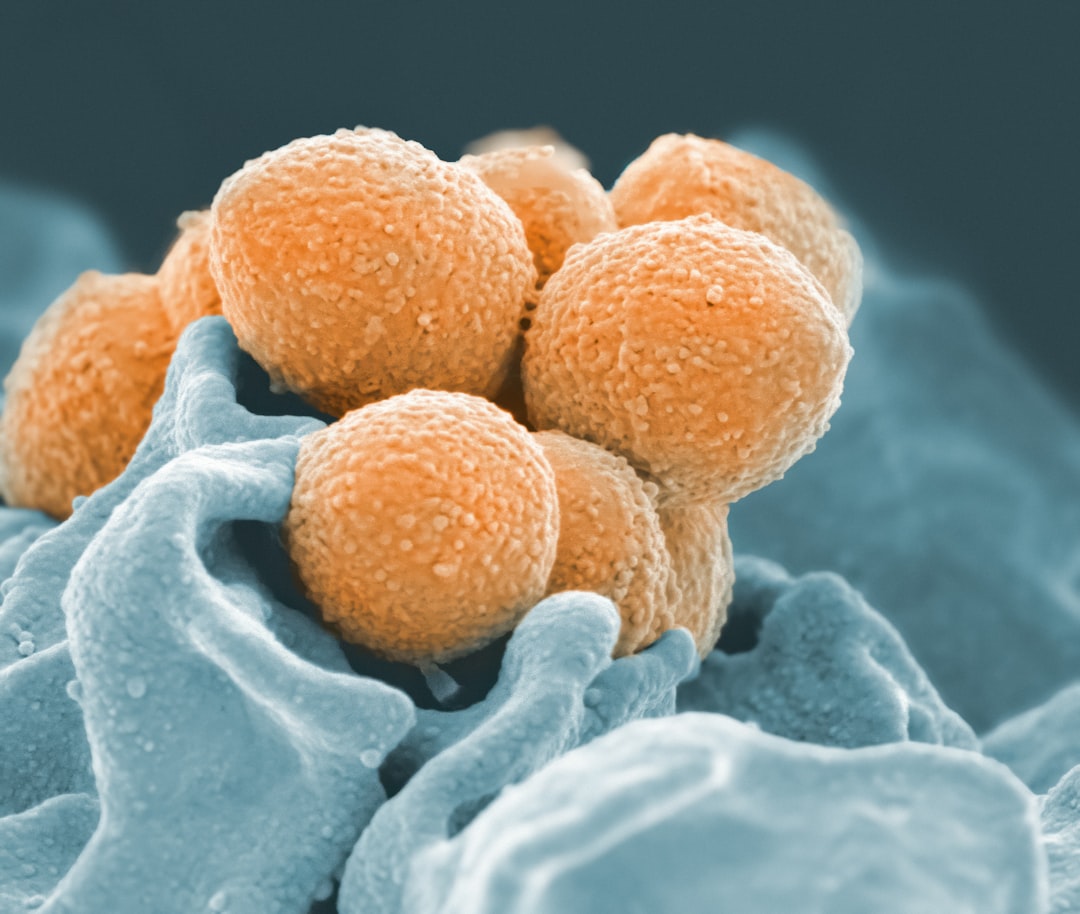
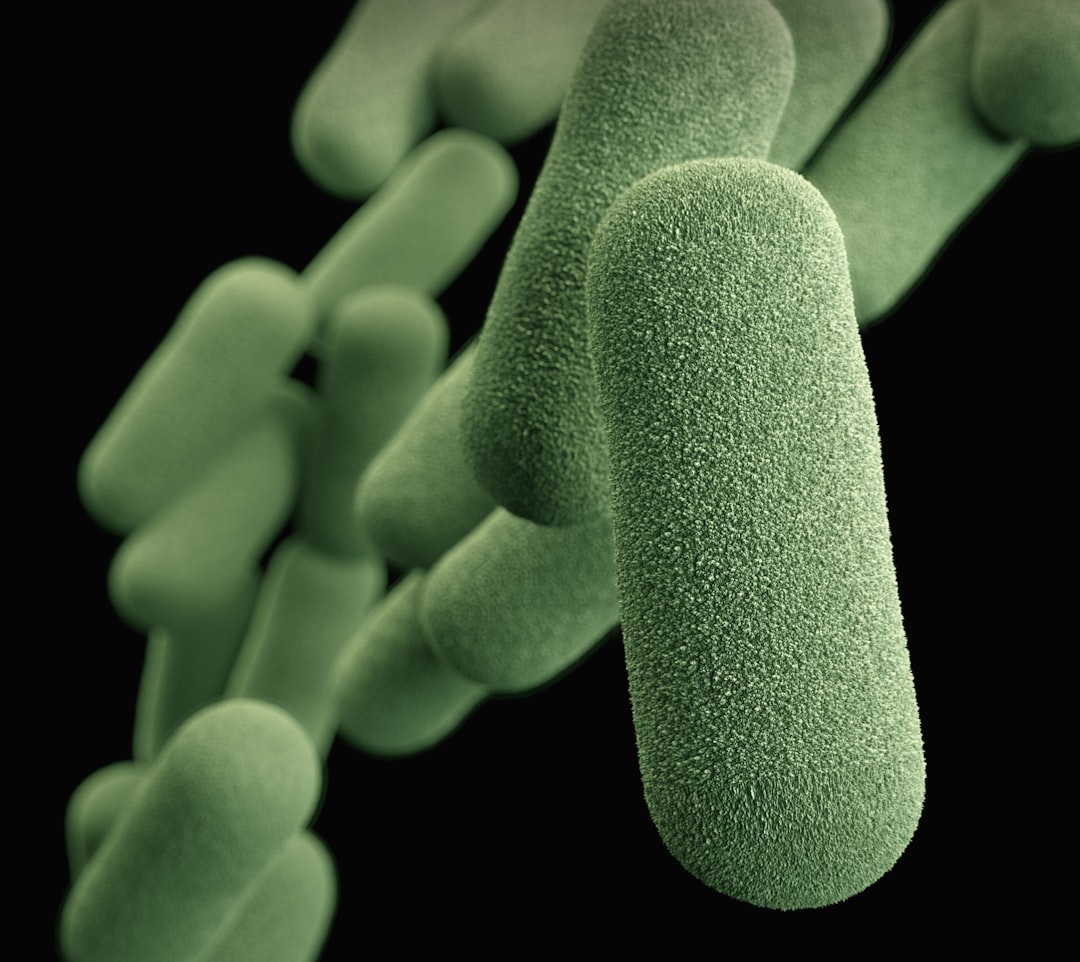
Probiotic cleaning products contain billions of carefully selected Bacillus bacteria spores—the same family of beneficial bacteria found naturally in soil and healthy environments. These aren't genetically modified organisms; they're naturally occurring microbes that have been used safely for decades in various applications, from agriculture to food production.
When you spray a probiotic cleaner onto a surface, you're depositing approximately 100 million to 1 billion beneficial bacteria per millilitre of solution. These bacteria spores remain dormant until they encounter the right conditions—namely, organic matter such as dirt, grease, food residue, or other soil. Once activated, they begin their work of enzymatic breakdown and surface protection.
The Science Behind Beneficial Bacteria
The Bacillus species used in probiotic cleaners are specifically chosen for their remarkable properties. They're incredibly resilient, capable of surviving in dried form for extended periods, and they activate only when needed. Once active, they produce powerful enzymes called proteases, lipases, and amylases that break down proteins, fats, and starches respectively—essentially the building blocks of most household dirt and grime.
What makes these bacteria particularly effective is their ability to penetrate into microscopic pores, cracks, and crevices in surfaces where traditional cleaners simply cannot reach. They work at a molecular level, literally digesting the organic matter that serves as food for harmful bacteria and pathogens.
How Probiotic Cleaning Actually Works
Understanding the probiotic cleaning process helps appreciate why this method is so effective for long-term hygiene. The cleaning action occurs in three distinct stages, each contributing to both immediate and ongoing cleanliness.
Stage One: Immediate Surface Cleaning
When you first apply a probiotic cleaner, the formula contains gentle surfactants (surface-active agents) that provide instant cleaning power. These surfactants work just like those in conventional cleaners, lifting dirt and grease from surfaces so they can be wiped away. This gives you the immediate visible clean that you expect from any household cleaner.
However, unlike traditional cleaners that stop working once the surface dries, probiotic cleaners are just getting started. The surfactants used in probiotic formulations are specifically chosen to be biodegradable and gentle enough not to harm the beneficial bacteria that will activate shortly.
Stage Two: Enzymatic Breakdown
Within hours of application, the Bacillus spores begin to activate in the presence of moisture and organic matter. As they come out of dormancy, they start producing powerful enzymatic compounds that break down remaining organic residue at a molecular level.
This enzymatic action is remarkably thorough. The bacteria produce exactly the right enzymes needed for whatever organic matter they encounter:
- Proteases break down proteins from food spills, skin cells, and other protein-based soils
- Lipases digest fats, oils, and greasy residues that often coat kitchen surfaces
- Amylases break down starches and carbohydrates from food preparation
- Cellulases help break down plant-based materials and fibres
This stage continues for 72-96 hours after application, meaning your surfaces are literally getting cleaner over time, rather than simply staying clean as they would with conventional cleaners.
Stage Three: Ongoing Protection and Competition
Perhaps the most remarkable aspect of probiotic cleaning is the third stage: competitive exclusion. Once established on a surface, the beneficial bacteria occupy the microscopic spaces and consume the resources that harmful bacteria would otherwise use. This is known as the "competitive exclusion principle" in microbiology—essentially, beneficial bacteria take up residence and crowd out the harmful ones.
This protective effect can last for 3-5 days on high-touch surfaces and even longer on areas that aren't frequently disturbed. It's rather like having a continuous cleaning crew working at the microscopic level, maintaining hygiene long after you've finished your cleaning routine.
The Key Differences From Traditional Cleaning
To truly understand probiotic cleaning, it helps to compare it with conventional cleaning methods. Traditional cleaners, whether they're bleach-based, alcohol-based, or contain quaternary ammonium compounds (quats), work by killing microorganisms on contact. Whilst this might sound effective, it creates several problems:
The Sterility Problem: Killing all bacteria creates a sterile surface, but nature abhors a vacuum. The first bacteria to recolonise a sterile surface are often the most aggressive and potentially harmful species—they're the fastest to reproduce and quickest to establish themselves.
The Resistance Issue: Repeatedly exposing bacteria to antimicrobial chemicals creates selective pressure for resistant strains. We're already seeing concerning levels of antimicrobial resistance in hospitals and homes that heavily use traditional disinfectants.
The Chemical Burden: Many traditional cleaners contain volatile organic compounds (VOCs) and harsh chemicals that can irritate skin, eyes, and respiratory systems. They also leave chemical residues that can be particularly concerning in homes with children and pets.
Probiotic cleaning sidesteps all these issues by working with your home's natural microbiome rather than trying to create an impossible sterile environment.
Why Your Home Needs a Balanced Microbiome
Your home, much like your body, has its own microbiome—a complex ecosystem of microorganisms living on every surface. Research has shown that attempting to create a sterile home environment can actually be counterproductive to health, particularly for children's developing immune systems.
The "hygiene hypothesis" in medical research suggests that reduced exposure to beneficial bacteria and diverse microorganisms in early life may contribute to the rise in allergies and autoimmune conditions we've seen in developed countries. Probiotic cleaning offers a middle ground: maintaining cleanliness and hygiene whilst preserving a diverse, balanced microbial environment.
A balanced home microbiome, dominated by beneficial bacteria, provides several advantages:
- Reduces opportunities for harmful pathogens to establish themselves
- Helps break down allergens and organic particles that trigger reactions
- Supports healthy immune system development, particularly in children
- Reduces unpleasant odours at their source by eliminating the bacteria that cause them
- Creates a more resilient cleaning effect that lasts between cleaning sessions
Real-World Applications and Benefits
Probiotic cleaning isn't just theoretical—it's been extensively tested in various environments, from hospitals to schools to homes. Healthcare facilities in Europe have been using probiotic cleaning systems for years, with studies showing significant reductions in hospital-acquired infections compared to traditional cleaning methods.
In domestic settings, families report several noticeable benefits:
- Longer-lasting cleanliness: Surfaces stay cleaner for longer between cleaning sessions
- Improved air quality: Without harsh chemical vapours, indoor air quality improves noticeably
- Reduced odours: Particularly effective in kitchens, bathrooms, and pet areas where odours originate from bacterial activity
- Gentler on surfaces: No harsh chemicals means less wear on delicate materials and finishes
- Safe for families: No toxic residues means it's safe to use around children, pets, and food preparation areas
Is Probiotic Cleaning Right for You?
Probiotic cleaning represents a paradigm shift in how we approach household hygiene. Rather than fighting a constant battle against bacteria with increasingly powerful chemicals, it works with nature's own systems to create a balanced, healthy home environment.
If you're concerned about chemical exposure, want to reduce your environmental impact, or simply want a more effective long-term cleaning solution, probiotic cleaning offers a scientifically-backed alternative that's been proven effective in the most demanding environments.
The transition to probiotic cleaning is straightforward, and the benefits become apparent within the first few weeks of use. You'll notice surfaces staying cleaner for longer, a reduction in musty odours, and the peace of mind that comes from knowing you're protecting your family's health rather than compromising it with harsh chemicals.
Ready to experience the difference? Explore our range of probiotic cleaning products designed specifically for UK homes, all formulated with the highest quality Bacillus bacteria strains and biodegradable, eco-friendly ingredients. Your home's microbiome—and your family—will thank you.