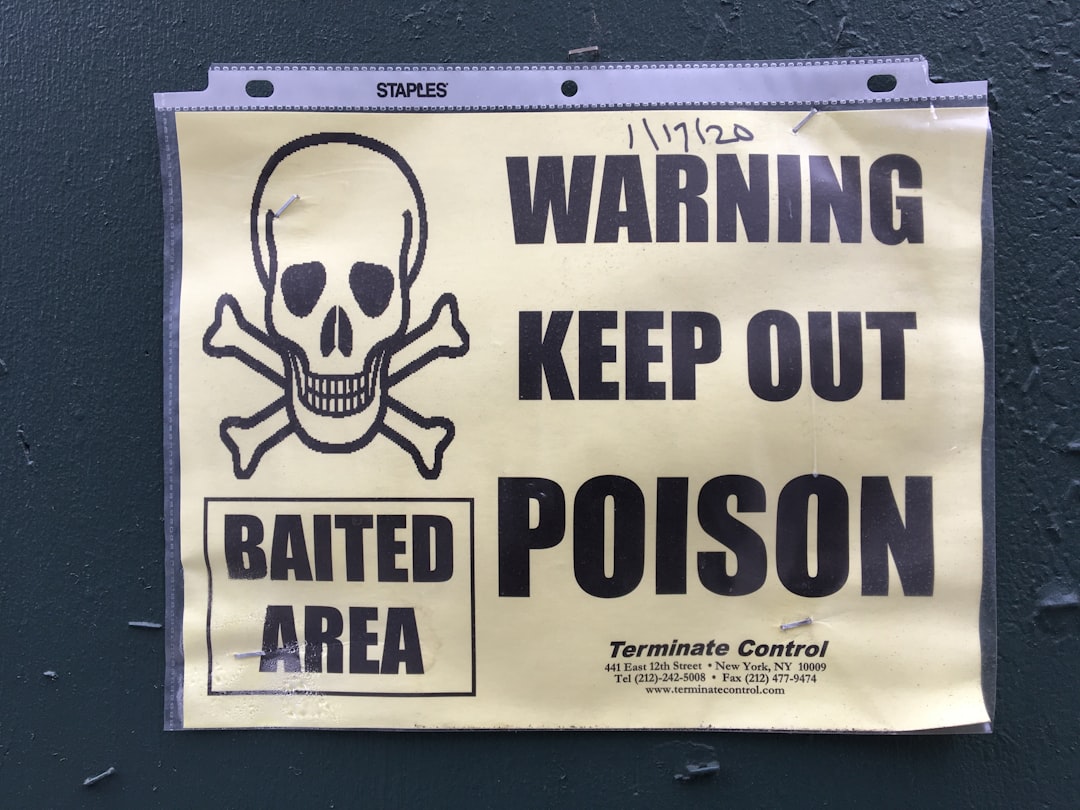
Mixing different cleaning products can create dangerous chemical reactions producing toxic gases, caustic compounds, or explosive combinations. These mixing dangers often surprise users who don't recognise incompatibilities between common household products. Understanding dangerous combinations and their consequences enables prevention of these serious household hazards.
Chlorine Bleach and Ammonia
The combination of chlorine bleach with ammonia-containing products represents one of the most dangerous common household mixing accidents. This reaction produces chloramine gases that irritate respiratory systems, damage lung tissue, and can cause severe breathing difficulties or even death in confined spaces. Research examining household chemical poisoning incidents identifies bleach-ammonia mixing amongst the most frequent causes of serious exposures requiring emergency medical treatment.
The reaction occurs immediately when these products mix, producing visible toxic fumes with a distinctive sharp odour. Studies documenting exposure cases show that even brief inhalation can cause significant respiratory damage, with severity depending on concentration and exposure duration. Individuals attempting to clean mould, toilets, or other challenging areas sometimes inadvertently create this dangerous combination when switching between products without adequate rinsing.
Chlorine Bleach and Acids
Mixing chlorine bleach with acidic cleaners including toilet bowl cleaners, lime removers, or vinegar produces chlorine gas, a highly toxic substance used as a chemical weapon in World War I. Research examining household chlorine gas exposures shows that most result from unintentional mixing of common cleaning products. The reaction creates yellow-green gas with a strong choking odour that causes immediate respiratory distress.
Studies documenting exposure severity show that chlorine gas inhalation can cause severe lung damage, chemical pneumonia, and long-term respiratory impairment. Fatal exposures occur in confined spaces with high gas concentrations. Research examining incidents demonstrates that many victims don't recognise the danger until symptoms become severe, highlighting importance of understanding incompatibilities before mixing occurs.
Vinegar and Hydrogen Peroxide
Whilst vinegar and hydrogen peroxide individually serve as cleaning agents, combining them creates peracetic acid, a highly corrosive compound causing severe skin burns and respiratory irritation. Research examining household chemical accidents includes cases of serious injuries from this combination, often occurring when individuals follow incomplete or misunderstood cleaning recipes found online.
Studies show that the reaction produces immediate hazards with corrosive vapours and liquid capable of damaging skin, eyes, and respiratory tissues. Medical treatment often requires emergency intervention for exposure injuries. This example illustrates that even "natural" cleaning ingredients can create dangerous combinations when mixed incorrectly.
Toilet Bowl Cleaners and Other Products
Toilet bowl cleaners often contain strong acids that react dangerously with many other cleaning products. Research examining label warnings shows that most toilet cleaners caution against mixing with other products, yet poisoning data reveals these warnings frequently go unheeded. Studies document numerous cases where individuals using multiple toilet cleaning products sequentially create toxic reactions through inadequate rinsing between applications.
The acids in toilet cleaners react with bleach to produce chlorine gas as discussed previously, but also create dangerous combinations with other products. Mixing with drain cleaners, ammonia-based products, or even some disinfectants can produce toxic fumes or violent reactions. Research examining household poisoning incidents shows toilet area cleaning as common site for dangerous mixing accidents.
Drain Cleaners and Other Chemicals
Drain cleaners containing strong bases like sodium hydroxide react violently with acids, producing heat, spattering caustic solutions, and potentially explosive reactions. Research documenting drain cleaner accidents shows that mixing or attempting to increase effectiveness by adding other products causes severe injuries including chemical burns and eye damage from splashing caustic materials.
The heat generated by these reactions can be sufficient to boil water, melt plastic pipes, and cause drain cleaner to spray from drains. Studies examining injury patterns show that faces and eyes frequently sustain damage when users lean over drains during chemical reactions. These mixing accidents often result in serious injuries requiring emergency treatment and potentially causing permanent scarring or vision loss.
Rubbing Alcohol and Chlorine Bleach
Combining rubbing alcohol with chlorine bleach produces chloroform and other toxic compounds. Whilst the formation of chloroform requires specific conditions, research shows that household mixing can create dangerous concentrations of this anaesthetic chemical alongside other harmful byproducts. Studies examining exposure cases document symptoms including dizziness, confusion, and respiratory depression from inhaling these reaction products.
This combination sometimes occurs when individuals use bleach to disinfect surfaces and follow with alcohol-based products, or mix them intentionally believing the combination enhances disinfection. Research examining poison control centre calls includes cases of severe reactions from this mixture, highlighting the need for education about cleaning product incompatibilities.
Essential Oils and Chlorine Bleach
The growing popularity of essential oils in cleaning has created new mixing hazards. Combining certain essential oils with chlorine bleach can produce chlorinated organic compounds with unknown toxicity profiles. Research examining these combinations remains limited, but case reports document respiratory irritation and other symptoms following such mixing incidents.
Particularly concerning is that individuals using essential oils often pursue "natural" cleaning approaches and may not recognise that natural compounds can react dangerously with synthetic chemicals. Studies examining cleaning practices amongst essential oil users show mixing behaviours that could create hazardous combinations, suggesting need for education about chemical compatibility regardless of product origin.
Recognition and Response to Exposure
Recognising toxic exposure symptoms enables prompt protective action. Research examining poisoning incidents shows that early recognition and appropriate response significantly improve outcomes. Immediate symptoms of toxic gas exposure include coughing, choking sensation, burning eyes, throat irritation, and difficulty breathing. More severe exposures cause chest pain, nausea, vomiting, and confusion.
Appropriate response includes immediately leaving the contaminated area, getting fresh air, and calling emergency services if symptoms are severe or don't quickly improve. Studies examining exposure management show that attempting to continue cleaning or clean up the mixture creates additional exposure and worsens outcomes. Proper response prioritises personal safety over property concerns.
Emergency Response Protocols
For serious exposures, emergency medical evaluation is essential even if symptoms seem to improve. Research shows that some toxic exposures produce delayed effects with initial symptoms resolving before more serious delayed complications develop. Medical evaluation allows monitoring for these delayed effects and appropriate treatment if complications arise.
Poison control centres provide immediate telephone guidance for chemical exposure incidents. Studies examining poison centre utilisation show that early contact improves outcomes through professional advice about appropriate responses and assessment of medical treatment needs. Having poison control numbers readily available enables quick access to this resource during emergencies.
Prevention Through Product Selection
The most effective prevention strategy involves selecting cleaning products that don't create dangerous combinations when accidentally mixed. Probiotic cleaning systems offer particular safety advantages through their primarily aqueous formulations without harsh chemicals that undergo dangerous reactions. Research comparing household poisoning risks shows substantially lower incidence in homes using single-system approaches like probiotic cleaners compared to those storing multiple conventional chemical products.
Studies examining household safety following conversion to probiotic cleaning demonstrate reduced poisoning risks through elimination of incompatible chemical combinations. The gentle formulations don't produce toxic gases when accidentally mixed with other household products, providing inherent safety advantages particularly valuable in households with children, elderly individuals, or cognitively impaired residents.
Label Reading and Warning Comprehension
Product labels include warnings about dangerous combinations, but research examining label comprehension shows many users don't read or understand these warnings. Studies demonstrate that warning effectiveness varies with placement, wording, and consumer attention levels. Even when warnings are read, their significance sometimes goes unrecognised until after dangerous mixing occurs.
Research examining label improvements shows that clearer, more prominent warnings using pictograms alongside text improve comprehension and compliance. However, studies also demonstrate that reliance on warning labels alone proves insufficient for preventing all mixing accidents, supporting arguments for selecting inherently safer products that don't create hazardous combinations.
Storage and Organisation
Proper storage reduces mixing accident risks through physical separation of incompatible products. Research examining household chemical storage shows that keeping products in original containers with intact labels reduces identification errors. Studies demonstrate that storing different product types in separate locations decreases likelihood of dangerous combinations through reduced confusion and inadvertent mixing.
However, storage solutions provide imperfect protection, particularly in households with cognitive impairment or where multiple people use cleaning products. Research examining storage compliance shows that whilst many households attempt proper storage, practical constraints and convenience factors often compromise ideal practices. Selecting safer products provides more robust protection than relying solely on storage practices.
Education and Awareness
Public education about cleaning product mixing dangers remains limited despite serious injury risks. Research examining consumer awareness shows that whilst many recognise bleach-ammonia combination as dangerous, knowledge of other hazardous combinations proves less widespread. Studies demonstrate that targeted education campaigns increase awareness and reduce mixing accidents in exposed populations.
Healthcare providers, particularly emergency departments treating chemical exposure victims, represent important sources of prevention education. Research shows that providing written information about mixing dangers during emergency treatment visits increases awareness amongst affected families and potentially prevents future incidents. Systematic provision of this education could reduce mixing accident rates.