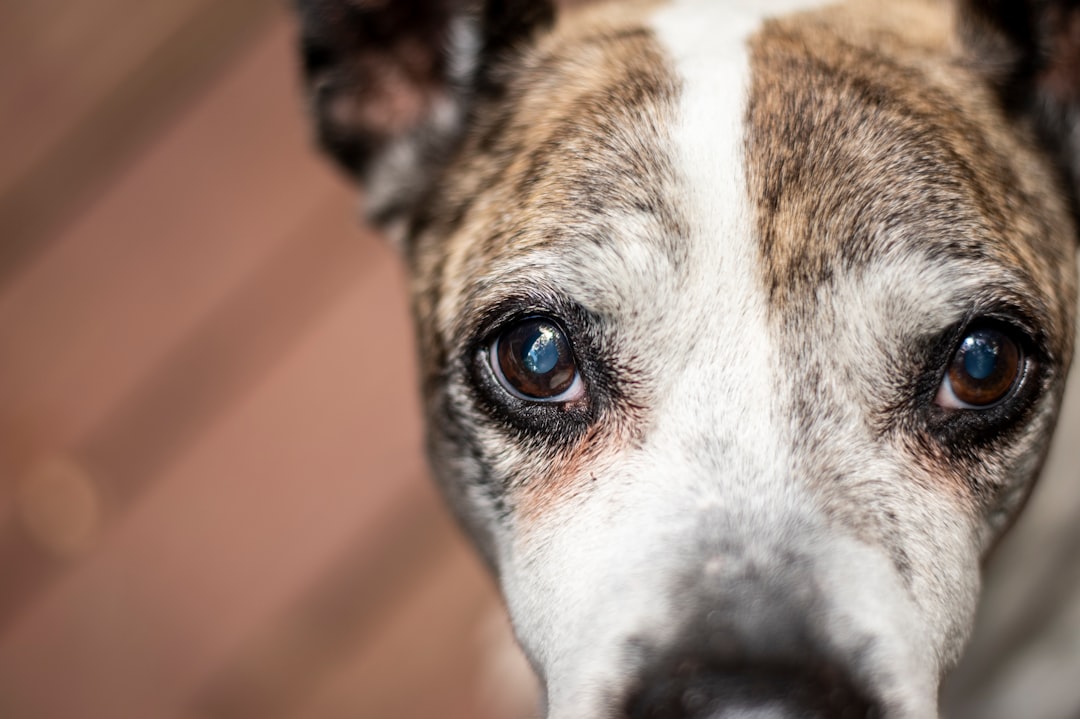
Household pets face unique vulnerabilities to cleaning product chemicals through their smaller body size, different metabolism, increased floor contact, and grooming behaviours that create ingestion pathways. Understanding these risks enables pet owners to select cleaning approaches that maintain home hygiene whilst protecting animal companions from chemical hazards.
Physiological Differences and Chemical Sensitivity
Dogs and cats metabolise many chemicals differently than humans, with some substances harmless to people proving toxic to pets. Liver enzyme differences mean that chemicals safely processed by human systems may accumulate to toxic levels in animals. Research examining pet poisoning cases identifies cleaning products amongst the most common causes of household chemical toxicity in companion animals.
Smaller body size relative to humans means that equivalent chemical exposures create higher dose-per-kilogram levels in pets. A residue amount insignificant for adult humans may represent a substantial toxic dose for a small dog or cat. Studies measuring chemical residues on floors following conventional cleaning show concentrations that, whilst within human safety margins, may exceed safe levels for animals with extensive floor contact.
Floor Contact and Exposure Routes
Pets spend far more time in direct contact with floors than humans, creating continuous exposure to cleaning product residues. Dogs and cats lying on freshly cleaned floors contact chemical residues through their entire body surface area. Research examining pet exposure pathways shows that floor residue contact represents the primary route for cleaning chemical exposure in household pets.
Paw pad contact proves particularly significant as animals walk across recently cleaned surfaces. Studies show that chemicals absorbed through paw pads enter the bloodstream and distribute throughout the body. When pets lick their paws during grooming, they additionally ingest whatever chemicals their paws have contacted, creating a combined absorption and ingestion exposure pathway.
Grooming Behaviour and Ingestion
Cats' extensive grooming behaviour creates substantial ingestion exposure to any chemicals contacting their fur. Research examining feline grooming patterns shows cats spending 30-50% of waking hours grooming, with tongues contacting virtually all body surfaces. Any cleaning product residues on floors or surfaces that transfer to fur subsequently enter the digestive system during normal grooming.
Dogs also groom but additionally explore environments by licking surfaces including floors, furniture, and their own bedding. Studies of canine behaviour document extensive oral contact with household surfaces, creating direct ingestion of cleaning product residues. This behaviour pattern means that products safe for external surface contact may still pose ingestion risks when pets lick cleaned areas.
Respiratory Sensitivity to Cleaning Vapours
Pet respiratory systems show heightened sensitivity to airborne chemicals compared to humans. Dogs possess far more sensitive olfactory systems, with chemical vapours that humans barely detect overwhelming canine senses. Research examining pet responses to cleaning product odours shows stress behaviours and respiratory irritation at vapour concentrations humans find acceptable.
Birds prove particularly vulnerable to airborne cleaning chemicals due to their unique respiratory anatomy. The avian respiratory system's efficiency that enables flight also makes birds extremely susceptible to toxic vapours. Studies documenting pet bird deaths from household chemical exposures frequently identify cleaning products amongst the causes, with even brief exposures proving fatal in some cases.
Specific Toxic Cleaning Ingredients
Certain conventional cleaning product ingredients pose particular risks to pets. Phenols and pine oil cleaners prove especially toxic to cats due to feline liver enzyme deficiencies preventing normal metabolism of these compounds. Research examining feline toxicity cases identifies phenol-containing cleaners as common causes of poisoning, with exposures ranging from walking on cleaned floors to inhaling vapours.
Chlorine bleach represents another product of concern for pets. Whilst diluted bleach residues may seem safe, pets licking cleaned surfaces can ingest sufficient quantities to cause gastrointestinal irritation. Studies examining pet poisoning calls to veterinary toxicology services consistently identify bleach amongst the most frequently reported household chemical exposures in companion animals.
Essential Oils and "Natural" Products
Products marketed as natural or containing essential oils require special caution around pets. Many essential oils prove highly toxic to cats and dogs despite being natural substances. Tea tree oil, eucalyptus, and citrus oils commonly found in natural cleaners can cause serious toxicity in pets even at low concentrations. Research examining pet essential oil poisoning shows increasing incidence correlating with growing use of essential oil-containing products.
The misconception that natural equals safe for pets creates particular hazards. Studies show that pet owners using natural cleaning products often exercise less caution than with conventional products, assuming natural formulations pose no risks. Veterinary toxicology data demonstrates that natural cleaning products cause significant numbers of pet poisoning cases, requiring education about species-specific toxicity regardless of product origin.
Floor Cleaner Selection for Pet Safety
Given extensive pet floor contact, floor cleaner selection proves critical for animal safety. Conventional floor cleaners often leave residues that pets contact continuously and potentially ingest. Research testing floor surfaces following various cleaning methods shows that probiotic cleaners leave minimal residues compared to conventional products, with residues present being biological rather than chemical in nature.
Studies examining pet health in households using different cleaning systems show correlations between conventional cleaner use and increased veterinary visits for gastrointestinal upset and skin irritation. Households switching to probiotic cleaning report reductions in these complaints, suggesting that cleaning product residue exposure contributes to pet health issues often attributed to other causes.
Pet Bedding and Toy Cleaning
Pet bedding requires frequent washing but conventional laundry products can leave chemical residues concerning for animals sleeping in extended contact with washed fabrics. Research measuring chemical residues in laundered pet bedding shows persistence of detergent fragrances and fabric softener compounds. For pets with sensitive skin or chemical sensitivities, these residues create ongoing exposure and potential irritation.
Toy cleaning presents similar challenges requiring effectiveness against contamination combined with safety for items pets regularly mouth. Studies examining pet toy cleaning methods demonstrate that probiotic cleaners achieve effective cleaning without leaving chemical residues that might be ingested during play. Pet owners report particular satisfaction with probiotic approaches for items that pets chew or carry in their mouths.
Litter Box and Cage Cleaning
Small animal cages, litter boxes, and confined pet areas require frequent cleaning in close quarters that concentrate chemical vapours. Conventional disinfectants and ammonia-based cleaners create particularly problematic exposures in these confined spaces. Research examining small animal health shows correlations between harsh cage cleaning products and respiratory issues in caged pets including rabbits, guinea pigs, and birds.
Probiotic cleaners offer particular advantages for confined animal space cleaning through effective odour control and cleaning without harsh chemical vapours. Studies comparing cleaning methods for litter boxes and small animal cages show superior long-term odour control with probiotic approaches through biological breakdown of odour-causing compounds rather than temporary chemical masking.
Accident and Odour Management
Pet accidents require prompt effective cleaning but conventional enzymatic cleaners and chemical odour removers may contain ingredients problematic for pets. Research examining pet accident cleaning products shows that whilst enzymatic action proves effective, many products contain additional chemicals including fragrances and preservatives that pose pet health concerns.
Probiotic pet stain and odour removers combine effective cleaning with excellent safety profiles. Studies demonstrate that beneficial bacteria in these products continue working to break down organic matter and eliminate odours long after application, providing sustained effectiveness without chemical residue concerns. Pet owners report that probiotic odour control proves particularly effective for marking behaviours and repeat accidents.
Veterinary Perspectives on Cleaning Product Safety
Veterinarians increasingly recognise household cleaning products as significant source of pet chemical exposures requiring client education. Surveys of veterinary practitioners show that whilst most identify cleaning products as potential toxins, few routinely discuss this with clients during wellness visits. Research suggests that proactive veterinary guidance about safer cleaning approaches could prevent many pet poisoning incidents.
Toxicology case reports document cleaning product exposures ranging from acute poisoning incidents to chronic low-level exposure effects. Studies examining pet health correlate cleaning product use with various conditions including respiratory issues, skin problems, and gastrointestinal upset. Veterinary recommendations increasingly include specific advice about selecting gentler cleaning alternatives, with probiotic products frequently suggested for households with pets.
Multi-Pet Household Considerations
Households with multiple pets face amplified cleaning needs but must balance hygiene with safety for several animals potentially showing different sensitivities. Research examining multi-pet households shows cleaning frequency significantly exceeds single-pet homes, increasing total chemical exposure burden. Selecting effective but gentle cleaning approaches becomes essential for maintaining healthy environments without excessive chemical loads.
Different species in the same household may show varying sensitivities to cleaning chemicals. A product safe for dogs might prove toxic to cats or birds sharing the home. Studies examining mixed-species households demonstrate that probiotic cleaning systems provide safety across species whilst meeting the intensive cleaning demands of multi-pet environments.
Emergency Response to Cleaning Product Exposure
Despite precautions, pets may encounter cleaning products through accidents or unexpected exposures. Recognising toxicity symptoms enables prompt veterinary intervention improving outcomes. Research examining pet poisoning cases shows that early treatment significantly improves prognosis, highlighting the importance of immediate veterinary consultation for suspected chemical exposures.
Common symptoms of cleaning product poisoning include excessive drooling, vomiting, difficulty breathing, lethargy, and stumbling. Studies document that symptom severity correlates with product toxicity and exposure amount. Using gentler cleaning products reduces severity of accidental exposures, though veterinary evaluation remains essential for any suspected poisoning regardless of product type.
Creating Pet-Safe Cleaning Protocols
Establishing cleaning practices that protect pets whilst maintaining hygiene requires thoughtful product selection and timing. Research examining pet-friendly cleaning protocols shows that key elements include using gentler products, ensuring adequate ventilation, and allowing surfaces to dry completely before pet access. However, switching to probiotic cleaning systems addresses these concerns more comprehensively by eliminating harsh chemicals altogether.
Studies tracking pet health outcomes in households switching to probiotic cleaning show improvements in various indicators including reduced skin irritation, fewer gastrointestinal upsets, and decreased respiratory symptoms. Pet owners report high satisfaction with probiotic cleaning approaches, appreciating both the safety for their animals and the effective cleaning performance that maintains household hygiene standards.