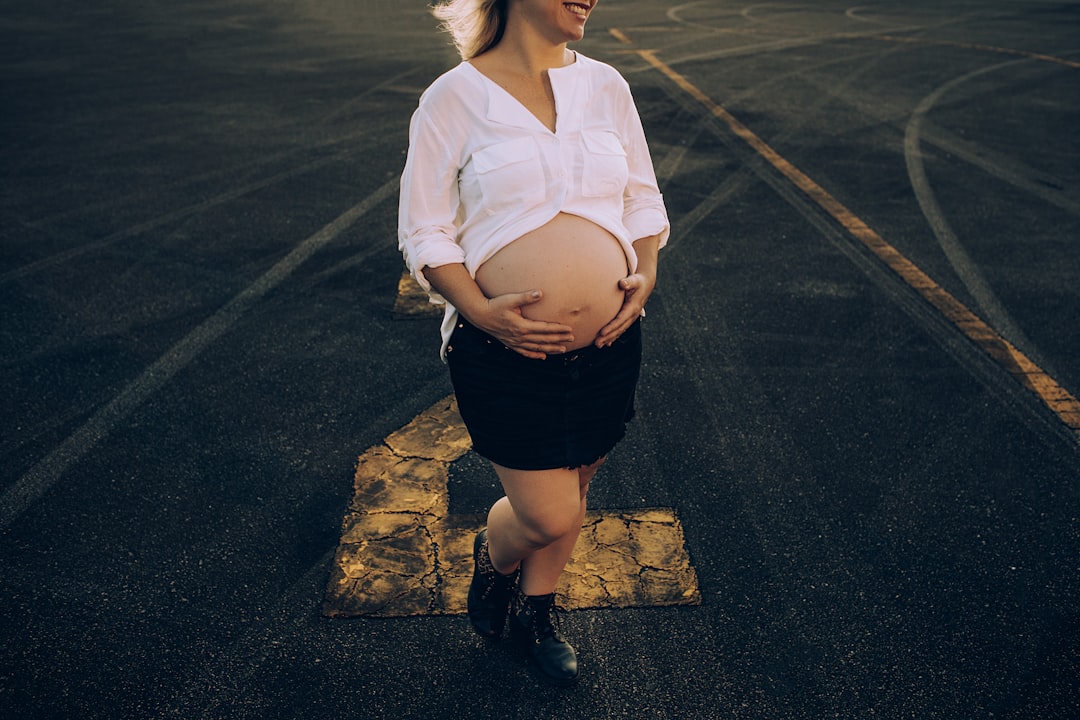
Pregnancy represents a period of heightened vulnerability to environmental chemical exposures, with potential impacts on both maternal health and foetal development. Cleaning product chemicals constitute a significant yet often overlooked exposure source during pregnancy, requiring careful consideration of product choices and cleaning practices to protect both mother and developing baby.
Foetal Vulnerability to Chemical Exposures
Developing foetuses show extreme sensitivity to chemical exposures due to rapid cell division, organ formation, and lack of mature detoxification systems. Chemicals crossing the placental barrier can interfere with critical developmental processes, potentially causing effects ranging from subtle functional changes to serious birth defects. Research demonstrates that the placenta doesn't effectively block many cleaning product chemicals, allowing foetal exposure to maternal chemical burdens.
Timing of exposure proves critical, with different developmental stages showing varying vulnerabilities. First trimester exposures during organ formation create particular risks for structural birth defects. Later exposures may affect brain development, immune system maturation, and metabolic programming with potential lifelong consequences. Studies measuring chemical levels in umbilical cord blood demonstrate widespread foetal exposure to cleaning product ingredients, confirming that maternal use translates to foetal chemical burdens.
Specific Chemical Concerns During Pregnancy
Certain cleaning product ingredients pose particular concerns during pregnancy. Glycol ethers found in some conventional cleaners associate with increased miscarriage and birth defect risks in occupational exposure studies. Whilst household exposure levels typically remain lower than occupational settings, precautionary principles suggest avoiding these chemicals during pregnancy when safer alternatives exist.
Phthalates commonly present in fragranced cleaning products demonstrate endocrine-disrupting properties concerning for foetal development. Research shows correlations between maternal phthalate exposure and altered reproductive development in male babies, alongside potential neurological effects. Studies measuring phthalate levels in pregnant women show household cleaning product use as a significant exposure source, highlighting the importance of product selection during pregnancy.
Chlorine and Disinfectant Byproducts
Chlorine bleach and chlorine-based disinfectants create byproducts during use that pose potential pregnancy risks. Research examining professional cleaners shows associations between disinfectant use during pregnancy and adverse birth outcomes including reduced birth weight and increased preterm delivery risks. Whilst establishing direct causation proves difficult, these associations suggest prudent avoidance of harsh disinfectants during pregnancy.
Quaternary ammonium compounds (quats) in common disinfectant cleaners demonstrate potential reproductive toxicity in animal studies. Human epidemiological research remains limited, but occupational studies suggest possible effects on fertility and pregnancy outcomes. Given uncertainty about safe exposure levels during pregnancy, avoiding these chemicals when possible aligns with precautionary health protection.
Inhalation Risks and Respiratory Effects
Pregnancy-related physiological changes including increased respiratory rate and airway sensitivity can amplify effects of airborne cleaning chemicals. Many pregnant women report increased sensitivity to cleaning product odours and respiratory irritation from chemical vapours. Research demonstrates that volatile organic compounds from conventional cleaners reach higher concentrations in pregnant women's breathing zones during cleaning activities, creating substantial inhalation exposures.
Morning sickness and nausea sensitivity often worsen with cleaning product odours, potentially affecting pregnant women's ability to perform necessary household cleaning. Studies examining pregnant women's experiences with cleaning show that chemical sensitivities frequently force changes in cleaning practices or product choices. Probiotic cleaners' absence of harsh chemical odours proves particularly valuable for pregnant women experiencing heightened scent sensitivity.
Skin Absorption and Chemical Transfer
Direct skin contact with cleaning products creates absorption pathways allowing chemicals to enter maternal bloodstream and potentially cross the placenta. Pregnancy-related skin changes may alter chemical absorption rates, whilst increased blood flow enhances distribution of absorbed chemicals. Research measuring chemical levels in pregnant women shows correlations between cleaning product use and chemical body burdens detectable in blood samples.
Hand dermatitis and skin irritation from cleaning products prove particularly problematic during pregnancy when medication options for treatment become limited. Studies examining occupational cleaning during pregnancy show elevated rates of skin complaints, with similar but less severe effects in domestic settings. Choosing gentler cleaning products reduces both direct skin effects and chemical absorption concerns.
Nesting Instinct and Increased Cleaning
The "nesting instinct" driving increased cleaning activity in late pregnancy creates ironic risks from heightened cleaning chemical exposures during critical foetal development periods. Research examining cleaning behaviours shows significantly increased cleaning frequency and intensity during pregnancy, particularly in the third trimester. This increased activity amplifies exposure to conventional cleaning products precisely when foetal vulnerability remains high.
Deep cleaning projects common during pregnancy preparation, including oven cleaning, carpet shampooing, and extensive sanitisation, often involve particularly harsh chemical products. Studies measuring chemical exposures during these intensive cleaning activities show substantially elevated levels. Switching to probiotic cleaning systems before pregnancy or during early pregnancy eliminates these exposure spikes whilst allowing thorough home preparation.
Nursery Preparation Safety
Nursery preparation frequently includes painting, new furniture assembly, and extensive cleaning with strong products. The combination creates a chemical exposure cocktail particularly concerning in spaces where newborns will spend extensive time. Research measuring VOC levels in newly prepared nurseries shows elevated concentrations from paint, new furniture off-gassing, and cleaning product residues persisting for weeks or months.
Using probiotic cleaners for nursery preparation eliminates cleaning product contributions to this chemical burden. Studies examining nursery air quality following various preparation approaches show significantly lower VOC levels when probiotic rather than conventional cleaners are used. This reduction proves especially important given newborn vulnerability to chemical exposures in sleeping spaces.
Workplace Cleaning Exposures
Pregnant women working in cleaning occupations face particularly high chemical exposures raising serious health concerns. Occupational health research shows associations between professional cleaning during pregnancy and adverse outcomes including birth defects, reduced birth weight, and preterm delivery. Whilst direct causation remains debated, these findings justify protective measures for pregnant cleaners.
Workplace accommodation for pregnant employees increasingly includes reassignment from cleaning duties or provision of safer cleaning products. Studies examining workplace cleaning product substitution show that switching to probiotic and gentler alternatives effectively reduces chemical exposures whilst maintaining cleaning standards. Pregnant women in cleaning roles should discuss exposure reduction measures with employers and healthcare providers.
Partner and Household Support
Given pregnancy-related chemical exposure risks, household cleaning responsibility should ideally shift to partners or other household members during pregnancy, or at minimum cleaning products should be changed to safer alternatives. Research examining household dynamics shows that explicit discussion of chemical exposure concerns increases partner participation in cleaning and willingness to switch products.
When pregnant women must perform cleaning, adequate ventilation, avoiding aerosol products, wearing gloves, and selecting gentler formulations reduce exposure risks. Studies demonstrate that these protective measures significantly decrease chemical exposure levels. However, switching entirely to probiotic cleaning systems offers most comprehensive protection by eliminating harsh chemical exposures altogether.
Postpartum Considerations
Chemical exposure concerns don't end at delivery, with breastfeeding creating additional transfer pathways from mother to infant. Research detecting cleaning product chemicals in breast milk demonstrates that maternal exposures transfer to nursing babies. Continued use of gentler cleaning approaches during breastfeeding protects both maternal health and minimises infant chemical exposure through milk.
Postpartum period often involves intensive cleaning due to increased laundry, more frequent surface cleaning, and baby care equipment sanitisation. This cleaning intensification can substantially increase chemical exposures precisely when newborn vulnerability remains highest. Establishing probiotic cleaning practices before birth ensures these increased cleaning demands don't translate to increased chemical burdens for mother or baby.
Healthcare Provider Communication
Many pregnant women remain unaware of cleaning product chemical exposure risks, as healthcare providers don't routinely discuss this topic. Research shows that when obstetricians and midwives raise chemical exposure concerns, pregnant women demonstrate high receptiveness to changing cleaning practices. Patients should feel empowered to initiate discussions about household chemical exposures, including cleaning products, during pregnancy care visits.
Studies examining pregnancy health education show that specific product recommendations prove more effective than general advice to "avoid chemicals." Healthcare providers increasingly recommend probiotic cleaning systems as evidence-based safer alternatives that don't require pregnant women to compromise on household hygiene. This specific guidance enables pregnant women to protect their health and their baby's development whilst maintaining necessary cleanliness standards.