Microplastic pollution from cleaning products enters environments through multiple pathways including plastic packaging degradation and potentially ingredients. Understanding microplastic sources and impacts enables choices reducing contributions to this pervasive pollution. Probiotic cleaners avoid microplastic generation through biological composition and increasingly plastic-free packaging, eliminating major microplastic concerns.
Defining Microplastics
Microplastics represent plastic particles smaller than 5mm, encompassing both primary microplastics manufactured at small sizes and secondary microplastics formed through larger plastic degradation. Research examining microplastic contamination documents widespread occurrence in marine and freshwater systems, soils, air, and organisms including humans. Studies demonstrate that microplastic ubiquity reflects decades of plastic production and disposal creating persistent environmental contamination.
The small size enables biological uptake and environmental transport distinguishing microplastics from visible plastic debris. Research examining microplastic behaviour shows that tiny particles travel long distances through air and water, contaminating even remote environments. Studies demonstrate that microplastic ingestion by organisms from plankton to whales creates exposure pathways through food webs potentially affecting ecosystem function and food safety.
Primary Microplastics in Cleaning Products
Some cleaning products historically contained intentionally added microplastic particles serving as abrasives or texturing agents. Research examining product formulations shows that microbeads in scrubbing cleaners represented primary microplastic sources entering wastewater. Studies document that these particles passed through wastewater treatment reaching waters where they accumulated in sediments and organisms, creating persistent pollution.
Regulatory restrictions have largely eliminated microbeads from cleaning products in many jurisdictions. Research tracking regulatory development shows that United States, European Union, and other regions banned rinse-off personal care and cleaning products containing microbeads. Studies demonstrate regulatory effectiveness in eliminating this microplastic source, with post-ban monitoring showing reduced microbead concentrations in affected waters.
Persistent Product Categories
Some cleaning product categories may still contain microplastics despite microbead bans. Research examining current formulations shows that scrubbing pastes and speciality cleaners sometimes contain plastic particles or potentially problematic alternatives to banned microbeads. Studies demonstrate need for continued vigilance ensuring that microbead bans aren't circumvented through technically compliant but environmentally problematic reformulations.
Confusion about what constitutes microplastics complicates regulatory compliance and enforcement. Research examining definitional challenges shows that whilst obviously plastic microbeads get banned, status of semi-synthetic or biodegradable polymer particles remains less clear. Studies demonstrate need for precise regulatory language preventing loopholes whilst enabling legitimately safer alternatives.
Secondary Microplastics from Packaging
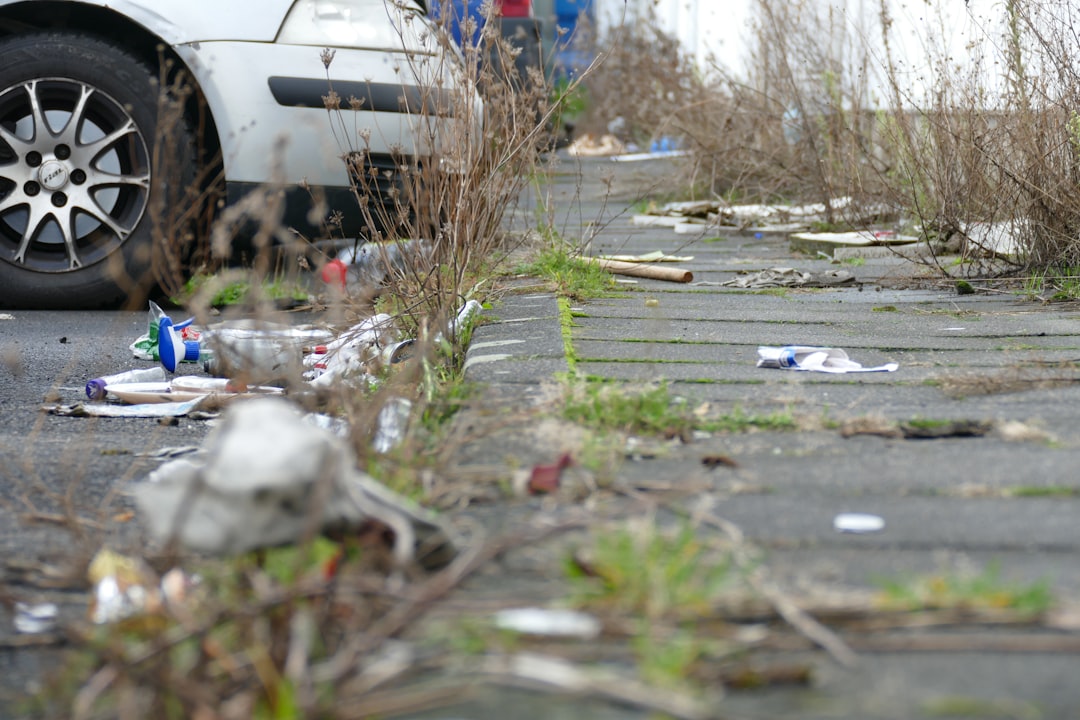
Plastic cleaning product bottles degrade into microplastics through environmental weathering after disposal. Research examining microplastic formation shows that bottles exposed to sunlight, physical abrasion, and chemical degradation fragment into millions of microplastic particles. Studies demonstrate that each discarded cleaning product bottle represents potential microplastic source persisting for decades or centuries whilst gradually fragmenting.
The scale of cleaning product packaging creates substantial microplastic generation potential. Research estimating microplastic production shows that billions of plastic cleaning bottles discarded annually could generate enormous microplastic quantities as they degrade. Studies demonstrate that reducing plastic packaging through refills, concentrates, and alternative materials directly prevents microplastic pollution at source.
Wastewater Pathway
Microplastics from cleaning products enter wastewater treatment plants where removal effectiveness varies. Research examining wastewater treatment shows that whilst settling and filtration remove some microplastics to sludge, substantial fractions pass through to receiving waters. Studies demonstrate that even well-designed treatment plants achieve only 90-95% microplastic removal, with remaining particles discharged to aquatic environments.
Sewage sludge containing captured microplastics often gets applied to agricultural land as fertiliser, creating terrestrial microplastic contamination. Research tracking microplastic pathways shows that sludge application transfers pollution from water to soil, with runoff potentially returning microplastics to waterways. Studies demonstrate that whilst wastewater treatment provides partial barrier, complete microplastic prevention requires source elimination rather than end-of-pipe capture.
Marine and Freshwater Accumulation
Microplastics entering waterways accumulate in sediments and aquatic organisms. Research measuring environmental microplastic concentrations shows widespread contamination in both marine and freshwater systems worldwide. Studies document microplastic presence in fish, shellfish, and other seafood, raising food safety concerns alongside ecological impacts.
Cleaning product microplastics contribute to total environmental burdens alongside larger microplastic sources including tyre wear particles, synthetic textile fibres, and industrial plastic pellets. Research examining source attribution shows that whilst cleaning products don't dominate microplastic pollution, they represent meaningful contributors warranting source reduction efforts. Studies demonstrate that comprehensive microplastic reduction requires addressing multiple sources including cleaning product packaging and formulations.
Environmental and Health Impacts
Microplastic ingestion by aquatic organisms creates physical harm including digestive blockage and false satiation reducing feeding. Research examining biological effects shows that microplastics damage digestive tissues and potentially transfer up food chains as predators consume contaminated prey. Studies demonstrate ecosystem-level impacts with microplastic accumulation affecting species composition and potentially ecosystem function.
Chemical contamination amplifies microplastic impacts through pollutant sorption and additive leaching. Research examining microplastic chemistry shows that particles concentrate persistent organic pollutants from surrounding water whilst leaching plastic additives including plasticisers and flame retardants. Studies demonstrate that microplastic-associated chemical exposures may prove more harmful than physical particle effects, creating combined contamination pathways.
Human Health Concerns
Humans consume microplastics through contaminated food and water, with health implications remaining incompletely understood. Research detecting microplastics in human samples including blood and tissues confirms exposure but health effect evidence remains preliminary. Studies demonstrate that microplastic particles can cross biological barriers including gut lining and potentially cell membranes, raising concerns about systemic exposure and potential toxicity.
Precautionary approaches support microplastic exposure reduction despite scientific uncertainty about health effects. Research examining risk assessment shows that whilst definitive harm proof remains elusive, microplastic ubiquity and persistent nature justify preventive action. Studies demonstrate that source reduction through safer product selection including microplastic-free cleaners provides prudent health protection alongside environmental benefits.
Probiotic Cleaners and Microplastic Avoidance
Probiotic cleaning formulations contain no microplastic particles, avoiding primary microplastic pollution. Research examining probiotic compositions shows biological ingredients without plastic additives or microbeads. Studies demonstrate that biological cleaning mechanisms eliminate any need for plastic abrasives, providing effective cleaning without microplastic generation.
Packaging choices affect secondary microplastic contributions. Research examining probiotic brand packaging shows increasing use of alternative materials including glass, aluminium, and bio-based plastics alongside refillable systems reducing packaging use. Studies demonstrate that probiotic cleaning sector leadership in sustainable packaging reflects both environmental values and opportunities for market differentiation on comprehensive sustainability.
Biodegradable Packaging Alternatives
Some probiotic cleaners use packaging designed to biodegrade avoiding persistent microplastic generation. Research examining biodegradable packaging shows that certified compostable materials break down to carbon dioxide and water without persistent fragments under appropriate conditions. Studies demonstrate that pairing genuinely biodegradable packaging with biological products creates comprehensive biological cycle integration avoiding both chemical and microplastic pollution.
However, biodegradable plastic performance varies enormously with some materials persisting in normal environments despite "biodegradable" claims. Research examining degradation reality shows that materials certified for industrial composting may not break down in marine or soil environments. Studies demonstrate importance of rigorous certification and appropriate disposal ensuring that biodegradable packaging claims translate to real environmental benefits.
Atmospheric Microplastics
Recent research reveals airborne microplastics as emerging exposure pathway. Studies detecting microplastics in indoor and outdoor air show widespread atmospheric contamination. Research examining sources suggests that degrading plastic products including packaging generate airborne particles alongside primary sources like synthetic textile wear.
Cleaning product bottles in homes may release microplastics to indoor air through abrasion and degradation. Research measuring indoor microplastic concentrations shows correlations with plastic product presence. Studies demonstrate that reducing household plastic items including through alternative-packaged cleaning products potentially decreases indoor air microplastic exposures.
Policy and Regulation
Microplastic regulations increasingly restrict intentional additions whilst struggling to address secondary formation from plastic degradation. Research examining regulatory approaches shows that microbead bans represent successful interventions whilst broader plastic pollution reduction proves more complex. Studies demonstrate that comprehensive microplastic prevention requires combination of product restrictions, packaging regulations, and waste management improvements.
Extended producer responsibility schemes could address packaging microplastic generation by making manufacturers financially responsible for end-of-life management. Research examining EPR effectiveness shows that programmes creating producer incentives for waste reduction drive packaging minimisation and alternative material adoption. Studies demonstrate that EPR schemes addressing microplastic prevention alongside general waste reduction could substantially reduce cleaning product microplastic contributions.
International Cooperation
Microplastic pollution's transboundary nature requires international cooperation for effective control. Research examining global plastic pollution shows that microplastics generated anywhere potentially distribute worldwide through ocean currents and atmospheric transport. Studies demonstrate that whilst national regulations prove important, international coordination on microplastic prevention achieves greater effectiveness through harmonised standards and shared best practices.
International agreements including UNEP Global Partnership on Marine Litter address microplastics as priority concern. Research examining international initiatives shows growing recognition of microplastic pollution urgency and commitment to preventive action. Studies demonstrate that sustained international cooperation supporting research, policy development, and implementation could meaningfully reduce global microplastic pollution from all sources including cleaning products.
Consumer Action
Individual product choices influence microplastic pollution through both direct packaging waste and market signals. Research examining consumer impact shows that whilst individual decisions create small direct effects, collective shifts toward microplastic-free products drive industry transformation. Studies demonstrate that choosing products in alternative packaging, refill systems, or concentrates reducing total packaging substantially cuts personal microplastic contributions.
Product selection favouring microplastic-free formulations and packaging protects both environment and potentially personal health. Research examining exposure reduction shows that eliminating microplastic sources from households reduces indoor exposures. Studies demonstrate that precautionary product selection provides individual protection whilst contributing to collective pollution reduction.
Proper Disposal Practices
Even when microplastic generation proves unavoidable, proper disposal reduces environmental release. Research examining waste management shows that landfilling plastic containers prevents immediate environmental release whilst recycling recovers materials avoiding new plastic production. Studies demonstrate that responsible disposal can't eliminate microplastic formation from degrading plastics but reduces pollution compared to littering or inadequate waste management.
However, disposal system limitations mean that source reduction through packaging avoidance proves more effective than relying on waste management. Research examining waste system performance shows that even well-managed systems experience some plastic leakage to environments. Studies demonstrate that preventing packaging waste generation through refills and alternative materials provides more robust microplastic prevention than disposal-focused approaches.
Research Needs
Microplastic science continues advancing but substantial knowledge gaps remain. Research examining priorities identifies needs for improved detection methods, better source attribution, enhanced understanding of biological effects, and effective remediation strategies. Studies demonstrate that whilst existing knowledge justifies precautionary action, continued research will refine understanding and enable more targeted interventions.
Cleaning product specific research could examine microplastic contributions relative to other sources. Research attributing microplastics to sources shows that whilst some studies measure total contamination, source identification often remains incomplete. Studies specifically tracking cleaning product microplastics from packaging degradation and any formulation sources would quantify this sector's contributions supporting targeted reduction efforts.
Future Directions
Growing microplastic awareness drives product and packaging innovation toward microplastic-free alternatives. Research examining market trends shows increasing consumer demand for plastic-free packaging and formulations. Studies demonstrate that manufacturers responding to microplastic concerns through alternative packaging and biological products like probiotic cleaners may gain competitive advantages whilst reducing pollution.
Technological innovations including truly biodegradable packaging materials and plastic-eating enzymes offer potential future solutions. Research examining emerging technologies shows promising developments though commercialisation timelines remain uncertain. Studies demonstrate that whilst future breakthroughs may transform microplastic prevention and remediation, immediate action through available alternatives including probiotic cleaning systems provides proven pollution reduction strategies.