Plastic packaging from cleaning products contributes substantially to global plastic waste crises, with billions of bottles discarded annually creating environmental pollution, resource waste, and recycling challenges. Understanding packaging impacts enables choices supporting waste reduction through concentrated products, refill systems, and alternatives to single-use plastic. Probiotic cleaning systems increasingly offer packaging innovations reducing plastic waste whilst maintaining product effectiveness.
The Scale of Plastic Waste
Global plastic production exceeds 400 million tonnes annually, with packaging representing largest use category. Research examining waste streams shows that cleaning product containers contribute significantly to household plastic waste, with average households discarding dozens of cleaning bottles yearly. Studies demonstrate that these containers typically serve brief single-use periods despite plastic's centuries-long environmental persistence, creating profound waste inefficiency.
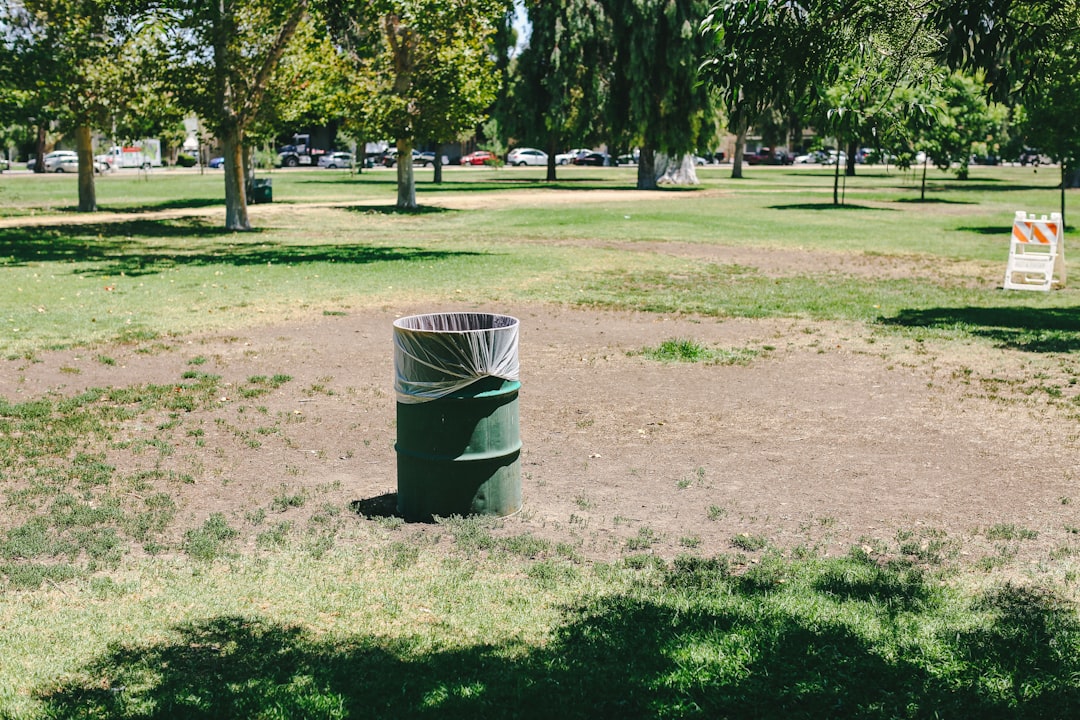
Plastic accumulation in landfills, oceans, and ecosystems creates escalating environmental crises. Research documenting plastic pollution shows contamination of even remote environments including deep ocean trenches and Arctic ice. Studies demonstrate that cleaning product packaging contributes to this pollution through both improper disposal and leakage from waste management systems, with plastic fragments harming wildlife and entering food chains.
Recycling Challenges and Limitations
Whilst plastic recycling theoretically reduces waste, practical limitations mean majority of plastic packaging isn't recycled. Research examining recycling rates shows that globally, only 9-15% of plastic waste gets recycled, with remainder landfilled, incinerated, or leaked into environments. Studies demonstrate that cleaning product bottles, despite often being recyclable materials, frequently end up in landfills due to contamination, collection system limitations, or consumer behaviour.
Contamination from product residues reduces recyclability. Research examining recycling facility operations shows that containers with chemical residues create processing challenges and may contaminate recycling streams. Studies demonstrate that thorough rinsing improves recyclability but requires water and energy inputs partially offsetting environmental benefits, creating trade-offs in optimal disposal approaches.
Downcycling and Quality Degradation
Plastic recycling typically produces lower-quality material than virgin plastic, limiting repeated recycling potential. Research examining recycled plastic properties shows degradation through processing, with mechanical recycling typically supporting only 2-3 cycles before quality becomes insufficient for many applications. Studies demonstrate that this downcycling means most recycled plastic ultimately reaches landfills despite recycling interventions, only delaying rather than preventing disposal.
The economics of recycling create additional limitations. Research examining recycling viability shows that low virgin plastic prices from cheap petroleum make recycled plastic economically uncompetitive without subsidies or mandates. Studies demonstrate that market fluctuations dramatically affect recycling programme viability, with programmes suspending operations during low virgin plastic price periods when recycled material finds no buyers.
Ocean Plastic Pollution
Plastic waste entering oceans creates particularly visible and concerning environmental impacts. Research examining ocean pollution shows accumulation of plastic debris in massive ocean gyres, with particles ranging from visible bottles to microscopic fragments. Studies document widespread marine life impacts including entanglement, ingestion, and toxic chemical exposures from plastic additives leaching into tissues.
Cleaning product packaging contributes to ocean plastic through multiple pathways including improper disposal, leakage from coastal landfills, and loss during transportation and recycling. Research tracking plastic sources shows that whilst dramatic images often feature large items, microplastic fragments from degraded packaging create more pervasive contamination. Studies demonstrate that reducing plastic packaging use provides most effective ocean protection by eliminating pollution sources.
Microplastic Generation
Plastic packaging fragments into microplastics through environmental weathering, creating pollution more persistent and pervasive than visible waste. Research examining microplastic formation shows that bottles and containers degrade through UV exposure, physical abrasion, and chemical breakdown, generating millions of microplastic particles from each discarded item. Studies demonstrate widespread microplastic contamination of water, soil, and air, with human exposure pathways including drinking water and food.
Health impacts of microplastic exposure remain incompletely understood but raise concerns. Research examining toxicological effects shows that microplastics can carry toxic chemicals, support harmful bacterial growth, and potentially cause physical damage to tissues and cells. Studies demonstrate that reducing plastic packaging use limits microplastic generation, providing precautionary health protection alongside environmental benefits.
Atmospheric Microplastics
Recent research reveals airborne microplastics as emerging exposure pathway. Studies measuring air quality detect microplastic particles in indoor and outdoor air, with sources including degraded plastic products and airborne transport of environmental plastics. Research examining inhalation exposures shows that individuals breathe thousands of microplastic particles daily, with health consequences remaining under investigation but potentially concerning.
Reducing household plastic use including cleaning product packaging decreases indoor microplastic sources. Research examining indoor air quality shows correlations between plastic product use and airborne microplastic concentrations. Studies demonstrate that minimising plastic items in homes through product selection favouring alternative packaging reduces exposure risks from this emerging contamination pathway.
Alternative Packaging Materials
Various alternative materials offer potential plastic packaging substitutes with different environmental profiles. Research comparing packaging options examines glass, aluminium, paper-based materials, and bio-based plastics. Studies demonstrate that each alternative presents trade-offs between weight, breakage risk, production emissions, and recyclability, with optimal choices depending on specific product characteristics and distribution systems.
Glass containers enable repeated reuse and near-infinite recyclability without quality degradation. Research examining glass lifecycle impacts shows that whilst production requires high energy, reuse systems and effective recycling create favourable environmental profiles. Studies demonstrate that refillable glass bottles for cleaning products achieve lowest environmental impacts when return systems ensure multiple uses before recycling.
Aluminium Packaging
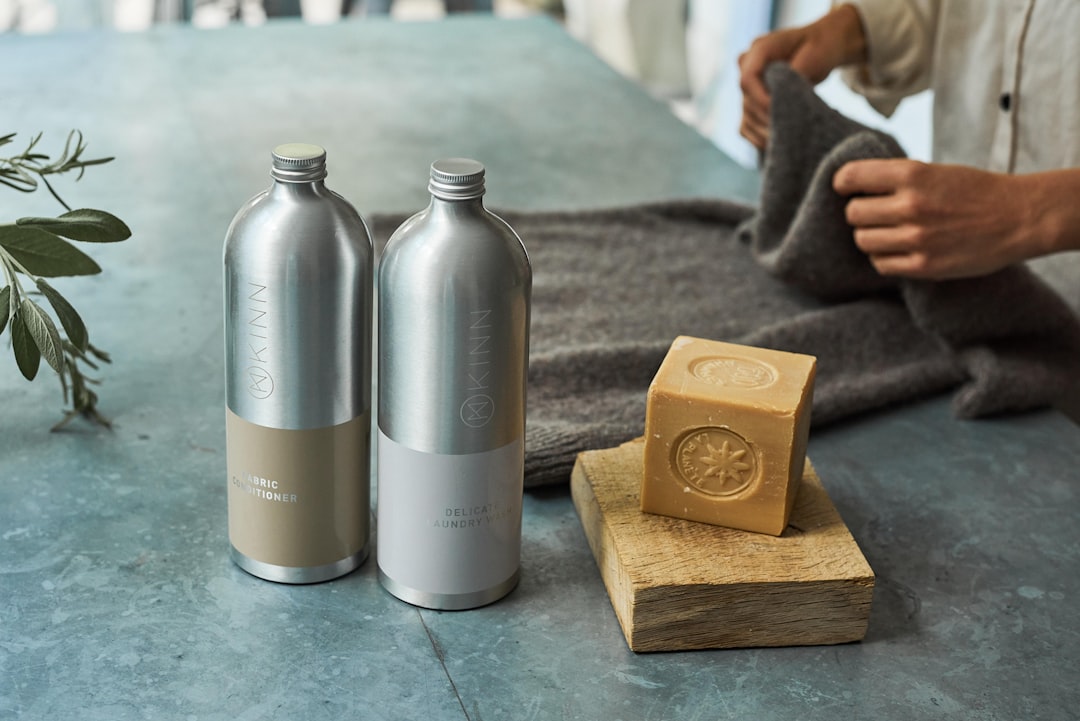
Aluminium offers lightweight, infinitely recyclable packaging suitable for some cleaning products. Research examining aluminium environmental profiles shows high production emissions but excellent recyclability achieving 95% energy savings compared to virgin production. Studies demonstrate that high recycling rates for aluminium containers create favourable lifecycle impacts, particularly when recycled content use becomes standard industry practice.
However, aluminium proves less suitable than plastic for many cleaning formulations due to reactivity concerns. Research examining compatibility shows that acidic or highly alkaline cleaners can corrode aluminium, limiting applications. Studies demonstrate that aluminium works well for neutral pH products including some probiotic cleaners, offering plastic-free packaging for compatible formulations.
Refill and Reuse Systems
Packaging reuse through refill systems provides most effective waste reduction by eliminating repeated container production. Research examining refill programme environmental impacts demonstrates 70-90% waste reduction compared to single-use packaging. Studies show that even accounting for cleaning and transportation of reusable containers, refill systems achieve superior environmental performance across multiple impact categories.
Consumer acceptance represents primary barrier to refill system adoption. Research examining consumer behaviour shows that whilst many express environmental concern, convenience often dominates purchasing decisions. Studies demonstrate that accessible refill options integrated into normal shopping routines achieve highest participation rates, suggesting that mainstream retail adoption proves essential for significant market transformation.
Home Refill Concentrates
Concentrated products enabling home dilution reduce packaging waste by eliminating water shipping. Research examining concentrate systems shows that dilutable products require 80-95% less packaging than ready-to-use equivalents. Studies demonstrate that probiotic cleaning concentrates exemplify this approach—small concentrated product volumes dilute into multiple bottles of working solution, dramatically reducing packaging waste per use.
Reusable spray bottles filled from concentrates eliminate need for new bottles with each purchase. Research tracking household waste shows that concentrate systems with durable reusable bottles reduce cleaning product packaging waste by over 90% compared to conventional single-use bottles. Studies demonstrate high consumer satisfaction with concentrate systems once initial behaviour change occurs, suggesting potential for widespread adoption.
Probiotic Packaging Innovation
Probiotic cleaning brands increasingly pioneer packaging innovations addressing plastic waste. Research examining probiotic product packaging shows offerings including concentrated refills, compostable containers, and subscription services with reusable bottles. Studies demonstrate that probiotic sector leadership in sustainable packaging reflects both environmental values of target consumers and opportunities for differentiation in competitive markets.
Some probiotic cleaners utilise plant-based packaging materials that biodegrade in appropriate conditions. Research examining bio-based packaging shows that whilst not all "biodegradable" plastics break down in normal environments, properly certified compostable materials can eliminate persistent waste. Studies demonstrate that pairing genuinely sustainable packaging with low-impact products creates comprehensive environmental advantages.
The Circular Economy Vision
Circular economy principles reimagine packaging systems, replacing linear take-make-dispose models with closed loops retaining material value. Research examining circular economy applications to cleaning products shows potential for transformative waste reduction through refill systems, material recovery, and design for reuse. Studies demonstrate that whilst complete circularity remains aspirational, significant progress toward circular models proves achievable with current technologies and business model innovation.
Producer responsibility schemes create incentives for sustainable packaging design. Research examining extended producer responsibility policies shows that making manufacturers responsible for end-of-life management drives packaging reduction and recyclability improvements. Studies demonstrate that effective producer responsibility programmes substantially increase recycling rates and stimulate packaging innovation toward waste minimisation.
Deposit Return Schemes
Container deposit systems achieve high return rates by providing financial incentives for bottle returns. Research examining deposit schemes shows return rates typically exceeding 80-90% compared to 20-30% for conventional recycling. Studies demonstrate that deposit systems work effectively for beverage containers and could extend to cleaning product packaging, dramatically improving recovery rates and supporting refill infrastructure development.
Economic modelling shows deposit systems create net benefits through reduced waste management costs and material recovery value. Research examining programme economics demonstrates that whilst implementation requires initial investment, long-term operation generates savings from reduced litter cleanup, decreased landfill use, and recovered material value. Studies suggest that expanding deposit schemes to cleaning product containers would provide environmental and economic benefits.
Consumer Action and Demand
Consumer product choices influence market offerings, with demand for sustainable packaging driving manufacturer innovation. Research examining consumer influence shows that whilst individual purchases create small direct impacts, collective market signals substantially affect corporate behaviour. Studies demonstrate that growing consumer preference for minimal packaging and refill options increasingly influences cleaning product development and marketing.
Conscious purchasing decisions favouring concentrated products, refill systems, and alternative packaging reduce personal plastic waste whilst supporting market transformation. Research tracking sustainable product adoption shows that early adopters create market validation encouraging mainstream offerings. Studies demonstrate that consumer willingness to accept minor convenience trade-offs for environmental benefits enables commercially viable sustainable packaging alternatives.
Retail and Distribution Innovation
Retail refill stations eliminate packaging for repeated purchases by enabling customers to refill containers in-store. Research examining refill retail models shows growing adoption in various product categories including cleaning supplies. Studies demonstrate that whilst refill stations require infrastructure investment, they reduce retailer waste management costs whilst attracting environmentally conscious customers, creating business case for expansion.
Package-free stores represent emerging retail model eliminating packaging entirely. Research examining zero-waste retail shows that whilst currently niche, package-free shopping demonstrates commercial viability in certain markets. Studies suggest that mainstream retailers incorporating package-free sections for cleaning products and other suitable categories could substantially reduce packaging waste whilst meeting growing consumer demand for sustainable options.
E-Commerce Considerations
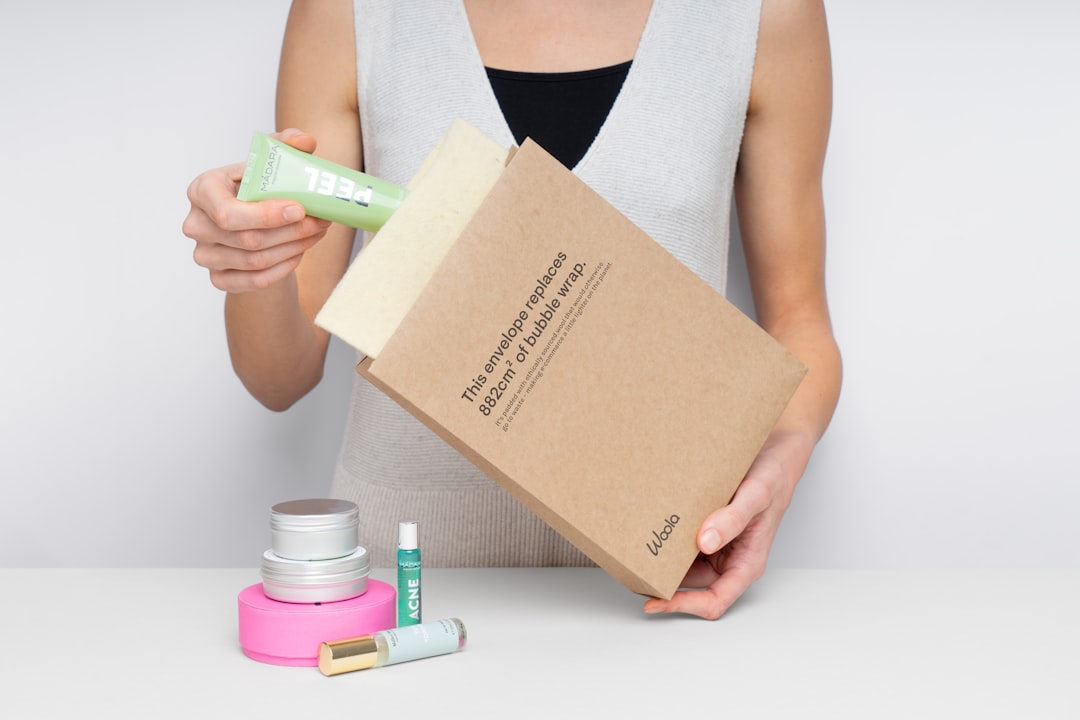
Online shopping creates different packaging challenges including protective shipping materials. Research examining e-commerce environmental impacts shows that whilst direct shipping eliminates retail packaging, additional protective materials often increase total packaging use. Studies demonstrate that optimised e-commerce packaging using right-sized boxes and recyclable protective materials can achieve lower packaging impacts than conventional retail, particularly for concentrated products requiring minimal protection.
Subscription models for cleaning products enable standardised reusable packaging systems. Research examining subscription service packaging shows that predictable return flows support economically viable reusable container systems. Studies demonstrate that probiotic cleaning subscription services pioneering reusable packaging achieve dramatic waste reductions whilst building customer loyalty through convenience and environmental values alignment.
Policy and Regulation
Government policies addressing plastic waste increasingly target packaging reduction. Research examining regulatory approaches shows measures including single-use plastic bans, recycled content mandates, and packaging taxes driving industry changes. Studies demonstrate that well-designed regulations accelerate sustainable packaging adoption beyond voluntary market responses, creating level playing fields where environmental leaders don't face competitive disadvantages.
Extended producer responsibility policies make manufacturers financially responsible for packaging end-of-life management. Research examining EPR effectiveness shows that assigning disposal costs to producers creates powerful incentives for packaging reduction and recyclability improvement. Studies demonstrate that comprehensive EPR schemes covering cleaning product packaging could substantially reduce waste whilst funding improved collection and recycling infrastructure.
Future Directions
Packaging innovation continues evolving with emerging technologies including edible packaging, self-dissolving materials, and advanced bio-based polymers. Research examining future packaging possibilities shows potential for transformative solutions eliminating persistent waste. Studies demonstrate that whilst many innovations remain developmental, commercialisation trajectories suggest that truly sustainable packaging addressing current plastic crisis may emerge within coming decades.
Meanwhile, proven solutions including refill systems, concentrates, and alternative materials offer immediate waste reduction opportunities. Research examining packaging futures suggests that greatest near-term impact comes from scaling existing sustainable approaches rather than waiting for perfect future technologies. Studies demonstrate that combining current best practices with continued innovation toward zero-waste packaging creates practical pathway addressing plastic waste crisis.