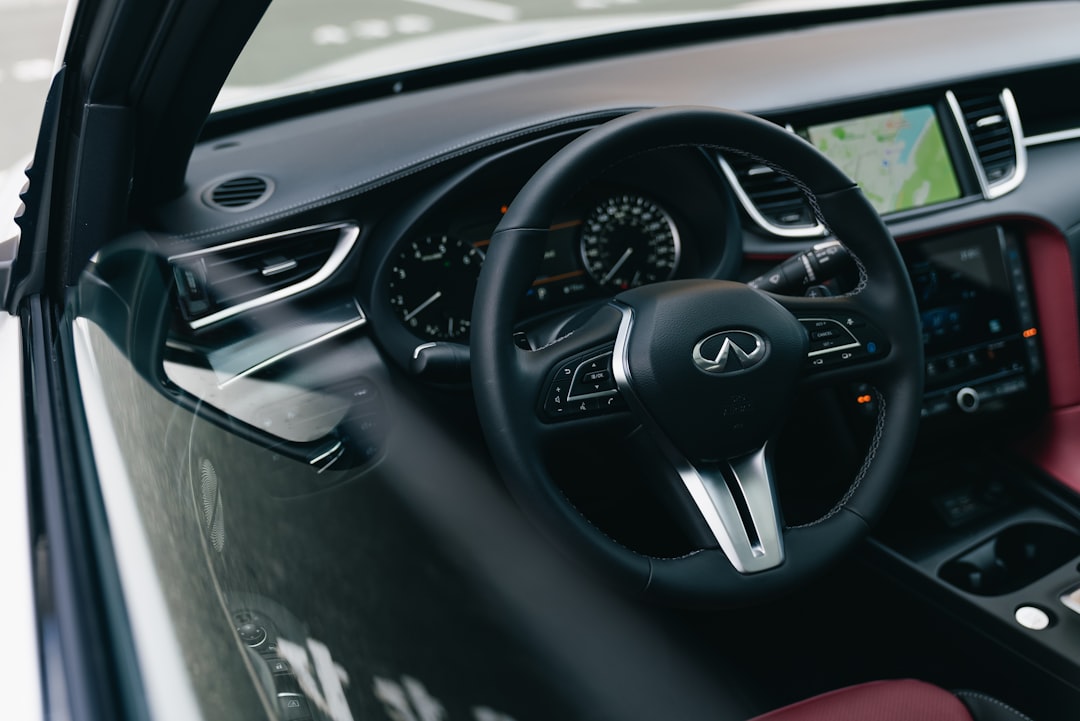
Mobile Environments Requiring Specialised Care
Vehicle interiors present distinctive cleaning challenges combining multiple material types (leather, fabric, plastic, metal, glass), confined spaces with limited ventilation, continuous use introducing varied contamination, and the requirement that cleaning not leave residues affecting driving safety or vehicle systems. Understanding how scientists test cleaning product performance specifically for automotive interiors reveals the unique considerations for mobile environments and evaluates whether probiotic approaches can provide effective hygiene whilst offering advantages in odour control and material compatibility particularly valuable for vehicle care.
Comprehensive automotive interior testing addresses bacterial and fungal reduction, odour elimination (particularly important in confined vehicle spaces), material compatibility with automotive-grade materials and finishes, residue characteristics ensuring no interference with vehicle operation (slippery pedals, obscured windows, dashboard damage), and sustained effectiveness given vehicles' varied environmental exposures. Testing must acknowledge automotive-specific challenges: temperature extremes, UV exposure, vibration, and the reality that vehicle cleaning typically occurs less frequently than home cleaning requiring sustained effectiveness between sessions.
Understanding Automotive-Specific Contamination
Occupant-Derived Contamination
Vehicle occupants contribute skin oils, sweat, and bacteria to contacted surfaces—seats, steering wheels, door handles, gear shifters. Testing employs skin-associated bacteria (Staphylococcus aureus, Staphylococcus epidermidis) simulating this contamination.
Food and Beverage Spills
Eating and drinking in vehicles creates organic contamination supporting bacterial and fungal growth whilst generating odours. Testing protocols contaminate surfaces with food residues, beverages, and associated bacteria assessing removal effectiveness.
Outdoor Contaminants
Shoes track soil, mud, leaves, and associated environmental bacteria into vehicles. Pets introduce fur, dander, and additional contamination. Testing addresses these varied soil types alongside microbial contamination.
Moisture and Mould
Wet weather, spilled drinks, and climate control condensation create moisture supporting mould growth particularly in carpets, floor mats, and air conditioning systems. Testing assesses anti-fungal effectiveness and moisture management.
Material-Specific Interior Testing
Automotive Leather
Vehicle leather seats and trim require specialised care preserving supple texture and appearance whilst removing contamination.
Bacterial reduction: Testing contamination leather samples, cleans with products, and enumerates surviving bacteria. Effective products should achieve substantial bacterial reduction (>99%) without leaving visible residues.
Leather preservation: Repeated cleaning should not dry, crack, or discolour leather. Accelerated ageing subjects leather to intensive cleaning cycles, monitoring condition through visual inspection, flexibility testing, and surface analysis.
Conditioning effects: Many automotive leather cleaners include conditioning agents. Testing assesses whether these maintain leather suppleness whilst not creating excessively oily or slippery surfaces.
Probiotic leather cleaners with enzymes for organic soil degradation plus gentle moisturising components show promise for maintaining leather whilst providing antimicrobial benefits. Testing confirms effectiveness and material compatibility.
Fabric Upholstery and Carpeting
Cloth seats and carpets absorb spills and odours requiring deep cleaning beyond surface treatment.
Deep contamination removal: Testing contamination fabrics throughout their thickness (simulating absorbed spills), cleans surfaces, and samples at various depths assessing penetration of cleaning action.
Stain removal: Automotive fabrics accumulate varied stains—coffee, soft drinks, food, mud. Testing employs standardised stains assessing removal effectiveness through visual comparison and colorimetry.
Odour absorption and elimination: Fabric interiors trap odours requiring treatments that reach and eliminate odour sources within materials, not just surface masking. Testing contaminates fabrics with odour-generating substances, treats with products, and monitors odour elimination.
Enzyme-based and probiotic fabric cleaners excel at deep stain and odour removal through biological degradation of organic compounds within fabrics. Testing reveals superior sustained odour control versus fragranced surface treatments.
Dashboard and Hard Plastic Surfaces
Vehicle dashboards, door panels, and plastic trim require cleaning that doesn't leave residues creating dashboard glare (safety hazard) or affecting plastic finishes.
Streak-free cleaning: Surfaces are contaminated with fingerprints, dust, and oils, cleaned with products, and assessed for visible residues and streaking under varied lighting conditions.
UV protection: Many dashboard products claim to protect plastic from UV degradation. Long-term UV exposure testing assesses whether products preserve plastic appearance and integrity.
Anti-glare properties: Products must not create reflective residues causing dashboard reflections in windscreens—critical safety concern. Testing specifically assesses glare under varied lighting angles.
Windows and Mirrors
Automotive glass requires perfectly clear, streak-free cleaning given safety criticality of unobscured vision.
Testing follows general glass cleaning protocols but emphasises absolute streak-free performance and complete residue removal given driving safety requirements. Any film or haze affecting visibility renders products unsuitable for automotive glass regardless of antimicrobial effectiveness.
Steering Wheel Testing
Steering wheels receive intensive hand contact creating substantial contamination whilst requiring cleaning that doesn't create slippery surfaces affecting driving control.
Bacterial reduction: Steering wheels are contaminated with skin bacteria, cleaned, and sampled for enumeration.
Grip preservation: Testing confirms cleaned steering wheels maintain adequate friction for secure grip, critical for vehicle control safety.
Materials vary—leather, plastic, wood, rubber—requiring testing across options.
Odour Control Testing
Vehicle interior odours create major satisfaction issues given confined space and difficulty escaping unpleasant smells during travel.
Source Odour Elimination
Testing addresses odours from varied sources:
Food odours: Spilled milk, rotting food, cooking smell absorption.
Tobacco smoke: Residues in fabrics and ventilation creating persistent odours.
Mildew: Musty odours from moisture and mould growth.
Pet odours: Animal smells from fur, dander, and accidents.
Body odour: Sweat absorption in seats and carpets.
Vehicles are contaminated with these odour sources, treated with cleaning products, and assessed through sensory panels rating odour intensity and character plus chemical analysis quantifying odour compounds.
Results consistently show enzymatic and probiotic products outperform fragranced cleaners for sustained odour elimination. Enzymes degrade odour-causing organic compounds at sources rather than temporarily masking smells. Beneficial bacteria in probiotic products continue enzymatic activity after application, providing ongoing odour control.
Air Freshener Comparison
Testing compares cleaning-based odour elimination versus air fresheners (hanging trees, vent clips, sprays). Whilst air fresheners mask odours temporarily, cleaning products addressing contamination sources provide superior long-term results.
Climate and Environmental Resistance Testing
Vehicles experience temperature extremes and varied environmental conditions affecting cleaning product performance and durability.
Temperature Extremes
Vehicle interiors may reach 70°C (158°F) on summer days or drop below freezing in winter. Testing assesses whether cleaning product residues or beneficial bacteria survive and function across this range.
Probiotic products face challenges as extreme heat may kill beneficial bacteria. Spore-forming Bacillus species used in many formulations tolerate heat better than vegetative bacteria, surviving moderate temperature extremes. However, sustained extreme heat may reduce probiotic effectiveness, requiring evaluation.
UV Exposure
Sunlight through vehicle windows subjects interiors to intense UV radiation potentially degrading materials and affecting product residues or beneficial bacteria.
Testing exposes treated surfaces to accelerated UV exposure simulating months or years of sun exposure, assessing whether treatments degrade or lose effectiveness.
Humidity Variation
Vehicles experience rapid humidity changes from climate control, weather, and occupant breathing. Testing assesses whether products maintain effectiveness despite humidity fluctuations.
Safety-Critical Testing
Pedal Slip Resistance
Cleaning products contacting pedals must not create slippery surfaces affecting braking or acceleration control—critical safety requirement.
Testing applies products to pedal surfaces (simulating overspray or direct contact), then measures friction coefficients confirming adequate grip remains.
Products creating any significant friction reduction prove unsuitable for automotive use regardless of cleaning effectiveness.
Dashboard and Control Surface Compatibility
Products must not damage vehicle electronics, navigation screens, or climate controls. Testing exposes these systems to products assessing potential damage.
Windscreen and Mirror Clarity
Any glass treatment affecting optical clarity or leaving residues creating glare renders products dangerous for automotive use. Testing rigorously ensures perfect clarity after cleaning.
Application Method Testing
Spray versus Wipe Products
Testing compares spray cleaners versus pre-moistened wipes for automotive interior cleaning. Factors assessed include ease of use in confined vehicle spaces, coverage efficiency, and residue characteristics.
Many users prefer wipes for vehicle cleaning given convenience and controlled application avoiding overspray on sensitive surfaces.
Foam Cleaners
Foam upholstery cleaners claim to lift soil from fabrics. Testing assesses whether foam formulations achieve superior deep cleaning versus liquid spray products.
Professional Detailing versus Consumer Products
Professional automotive detailing employs specialized equipment (extractors, steamers, polishers). Testing compares professional cleaning results versus consumer products for DIY vehicle care.
Professional cleaning typically achieves superior deep cleaning particularly for heavily soiled interiors, whilst consumer products suffice for regular maintenance between professional detailing sessions.
Mould and Mildew Testing
Vehicle carpets, floor mats, and air conditioning systems develop mould creating health and odour problems.
Carpet and Mat Fungal Control
Testing inoculates automotive carpet samples with common mould species, treats with cleaning products, and monitors whether fungal growth occurs during incubation under humid conditions.
Whilst probiotic bacteria don't directly kill moulds, regular probiotic carpet treatment may reduce fungal growth through competitive exclusion and nutrient competition. Testing assesses whether this provides practical mould prevention or whether dedicated anti-fungal treatments prove necessary.
Air Conditioning System Treatment
Mould in vehicle climate control systems creates persistent odours. Some products claim to clean air conditioning systems when sprayed into intakes.
Testing assesses whether these products reduce mould in AC systems and eliminate associated odours. Results prove mixed—surface treatment may provide temporary improvement, but comprehensive AC system cleaning typically requires professional service.
Long-Term Material Effects
Vehicles require years of service with regular cleaning throughout their lifespan. Testing assesses cumulative cleaning effects.
Accelerated Ageing Studies
Automotive materials undergo intensive cleaning cycles simulating years of regular care, then undergo assessment for degradation:
Leather: Cracking, drying, colour fading, texture loss.
Fabric: Colour fading, fibre degradation, texture changes.
Plastic: Discolouration, brittleness, surface degradation.
Glass: Coating damage (window tinting, defrosting elements).
Harsh chemical cleaners often show cumulative damage effects. Probiotic products with neutral pH and gentle enzymatic mechanisms typically preserve automotive materials excellently through extended testing.
Real-World Automotive Studies
Fleet Vehicle Testing
Commercial fleets (taxis, rental cars, delivery vehicles) provide excellent testing environments given intensive use and regular cleaning schedules. Studies compare bacterial contamination and material condition in fleet vehicles cleaned with different products and protocols.
Results show that regular probiotic cleaning maintains good hygiene whilst preserving vehicle interior condition better than harsh chemical cleaning—valuable for vehicles requiring years of service.
User Satisfaction Surveys
Vehicle owners testing automotive cleaning products provide feedback on effectiveness, ease of use, and satisfaction.
Studies show users particularly value odour control (high priority given confined space) and material preservation (protecting vehicle investment). Many report favourably on probiotic automotive cleaners for sustained odour management and gentle material care.
Specialised Vehicle Applications
Commercial Vehicle Testing
Trucks, buses, and emergency vehicles face severe contamination requiring heavy-duty cleaning. Testing assesses whether products handle commercial vehicle demands.
Recreational Vehicle Testing
RVs combine automotive and residential cleaning needs. Testing protocols address both aspects ensuring products work effectively in these dual-purpose vehicles.
Marine Vessel Testing
Boat interiors face moisture, salt exposure, and confined spaces. Whilst technically not automotive, similar testing principles apply with additional emphasis on moisture and corrosion resistance.
Comparative Automotive Cleaning Approaches
Testing evidence reveals distinct product category performance:
Solvent-based cleaners excel at removing stubborn oils and adhesive residues but create VOC concerns in confined vehicles and may damage some automotive plastics.
Alkaline degreasers effectively remove heavy soil but risk damaging leather and some plastics.
Silicone-based dashboard products provide shine and UV protection but create slippery residues and may cause dashboard glare.
Fragranced cleaners provide pleasant immediate scent but only mask odours temporarily without addressing sources.
Enzymatic/probiotic automotive cleaners excel at organic soil and stain removal (food, body oils, pet accidents), provide superior sustained odour control through biological degradation of odour sources, show excellent material compatibility preserving leather and fabrics, and prove safe for frequent use in confined vehicle environments with minimal VOC emissions. However, they require proper formulation ensuring no slippery residues on control surfaces and may need supplementation with solvent-based products for non-biological soils (road tar, tree sap, adhesives).
Hybrid Automotive Care
Optimal vehicle interior care often combines approaches:
Regular probiotic maintenance: Weekly or bi-weekly cleaning with enzyme-based products maintains general hygiene and odour control.
Periodic deep cleaning: Monthly or quarterly intensive cleaning with extraction equipment removes accumulated deep contamination.
Targeted treatments: Specific products for particular challenges—solvent cleaners for tar or adhesive, dedicated glass cleaner for windows, leather conditioner for premium interiors.
Professional detailing: Annual or semi-annual professional service provides comprehensive restoration and protection.
Emerging Technologies
Antimicrobial Automotive Materials
Some manufacturers incorporate antimicrobial agents into upholstery and surfaces. Testing compares cleaning requirements for antimicrobial versus standard interiors.
Ozone Treatment
Ozone generators marketed for vehicle odour elimination create safety concerns (ozone toxicity, material damage). Testing compares ozone effectiveness versus enzyme-based cleaning for odour control whilst assessing safety.
Results show probiotic odour control proves safer and often more effective long-term than ozone treatment which may temporarily oxidise odour compounds whilst potentially damaging materials.
Practical Recommendations
Testing evidence supports specific automotive cleaning strategies:
For general interior cleaning, probiotic spray or wipe products provide safe, effective maintenance whilst preserving materials.
For odour problems, enzyme-based cleaners addressing contamination sources outperform air fresheners for sustained results.
For fabric and carpet stains, enzyme-containing products excel at organic stain removal through biological degradation.
For leather care, gentle probiotic formulations with conditioning agents maintain suppleness whilst providing antimicrobial benefits.
For windows, streak-free glass cleaners without automotive-unsafe residues ensure clear vision.
For heavy soil, occasional professional detailing provides deep cleaning supplementing regular DIY maintenance.
The key principle: regular gentle probiotic maintenance preserves vehicle interiors whilst controlling odours and contamination, supplemented by targeted products for specific challenges and periodic professional service for comprehensive restoration—preserving vehicle value whilst maintaining hygiene and comfort in these mobile environments we occupy extensively.