Every Surface Presents Unique Challenges
Household floors span remarkable diversity: sealed hardwood, ceramic tile, natural stone, vinyl, laminate, concrete, and carpet each present distinctive cleaning requirements. Material composition, porosity, finish type, and typical contamination patterns vary dramatically, demanding testing protocols that assess cleaning product performance across this spectrum rather than on single surface types. Understanding how scientists test floor cleaning effectiveness reveals why no universal "best" floor cleaner exists—instead, products optimised for specific surface types or versatile formulations achieving acceptable performance across multiple floor materials prove most valuable.
Comprehensive floor cleaning testing addresses bacterial reduction (sanitisation), soil removal (visible cleanliness), residue characteristics (streaking, slipperiness), material compatibility (avoiding damage), and sustained effectiveness (preventing rapid resoiling). Testing probiotic floor cleaners across varied surfaces reveals their particular strengths: sustained bacterial control through colonisation, enzymatic soil degradation, and gentle action preserving delicate finishes whilst achieving hygiene goals.
Hard Surface Floor Testing Categories
Sealed Hardwood Flooring
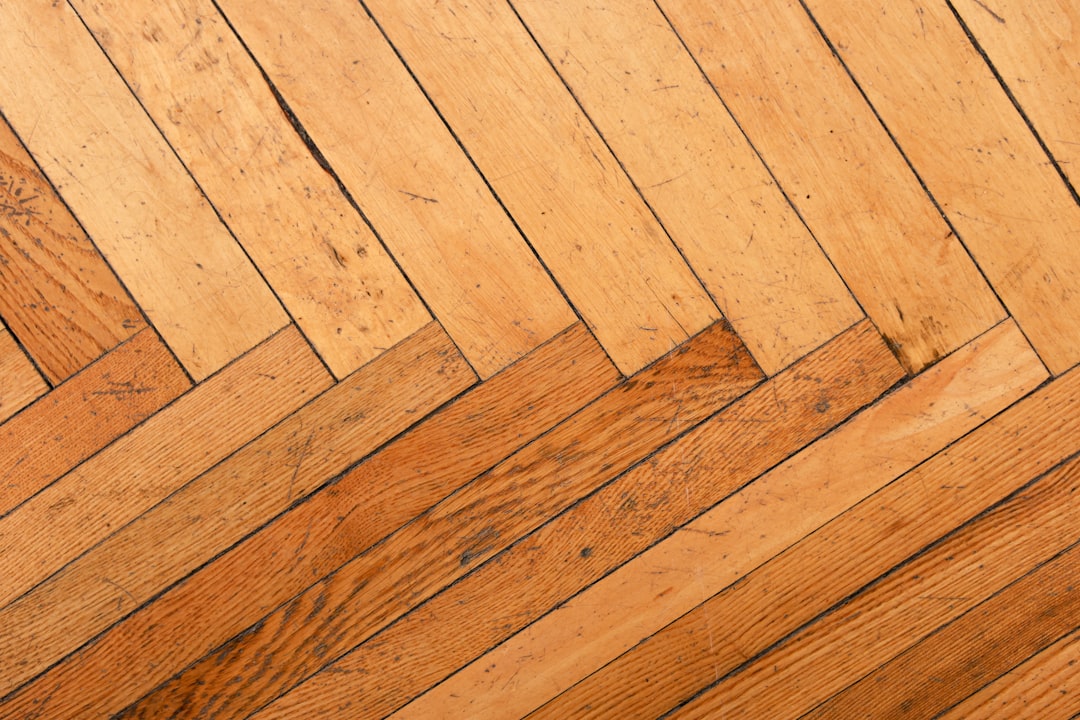
Polyurethane-sealed hardwood floors dominate homes for their aesthetic appeal but require careful cleaning avoiding moisture damage or finish degradation. Testing employs sealed hardwood samples contaminated with soil, bacteria, and oils, cleaned with test products, and assessed for bacterial reduction, soil removal, and finish preservation.
Critical testing parameters include moisture exposure time (products should clean effectively without prolonged wetness risking wood damage), finish compatibility (no dulling, whitening, or degradation of polyurethane coatings), and residue characteristics (avoiding sticky or slippery residues). Probiotic floor cleaners formulated with low moisture content and neutral pH excel in these tests, providing effective cleaning whilst being gentle on wood finishes.
Ceramic and Porcelain Tile
Glazed ceramic tiles offer durable, non-porous surfaces resisting bacterial adhesion and tolerating varied cleaning approaches. However, grout between tiles—porous cement-based material—presents different challenges, readily harbouring bacteria and absorbing stains.
Testing protocols contaminate both tile and grout, assessing whether products clean smooth tile surfaces whilst adequately addressing porous grout. Bacterial enumeration from both surfaces reveals effectiveness across these dissimilar materials within the same flooring system.
Probiotic cleaners show particular advantages on grout, with beneficial bacteria colonising porous structures and providing sustained antimicrobial activity from within the material—protection that surface-acting chemical cleaners cannot match.
Natural Stone Flooring
Marble, limestone, travertine, and slate require specialised care as these materials prove sensitive to acidic cleaners and may be damaged by harsh chemicals. Testing involves contaminating stone samples, cleaning with products, and assessing both cleaning effectiveness and material preservation.
Stone-specific tests monitor surface etching (dulling from acid damage), staining (from cleaners penetrating porous stone), and seal degradation (if stones have protective sealants). Probiotic cleaners operating at neutral pH with gentle enzymatic mechanisms show excellent stone compatibility, achieving effective cleaning without the material damage risks that acidic or alkaline cleaners pose.
Vinyl and Linoleum
Resilient vinyl flooring and natural linoleum provide practical, economical flooring options with good stain resistance but requiring care to prevent dulling or discolouration. Testing assesses cleaning effectiveness whilst monitoring finish preservation and colour stability.
Long-term testing proves particularly important, as some cleaners cause cumulative damage—progressive dulling or yellowing—only apparent after months of use. Accelerated ageing studies simulate years of cleaning cycles, revealing whether products maintain floor appearance or cause degradation.
Laminate Flooring
Laminate floors simulate wood appearance through photographic layers beneath protective clear coatings over fiberboard cores. Excessive moisture poses particular risks, potentially causing swelling and delamination. Testing emphasises low-moisture cleaning effectiveness and damage prevention.
Protocols include moisture resistance testing: applying cleaners, deliberately leaving excessive wetness, and monitoring for edge swelling or layer separation. Effective laminate cleaners should achieve hygiene and cleanliness goals with minimal moisture application.
Contamination and Cleaning Protocols
Standardised Soil Application
Testing employs standardised soil mixtures representing typical floor contamination: clay particles (tracked-in dirt), oils (food drips, foot oils), proteins (food residues), and carbohydrates (spills, organic debris). Precise soil amounts are applied uniformly to floor samples, dried, then subjected to cleaning protocols.
Soil removal is quantified through reflectance spectrophotometry measuring colour change (clean floors reflect more light than soiled floors) or gravimetric analysis weighing floor samples before contamination, after soiling, and after cleaning.
Bacterial Contamination Testing
Floor samples are inoculated with standardised bacterial suspensions—typically Staphylococcus aureus (skin bacteria from foot traffic), Escherichia coli (representing faecal contamination), and sometimes Pseudomonas aeruginosa (opportunistic environmental bacterium). After drying, floors are cleaned with test products, then sampled for bacterial enumeration.
Effective floor disinfection typically requires 99-99.9% bacterial reduction. Testing reveals whether products achieve these reductions across different floor types, as bacterial adhesion and removal vary with surface characteristics.
Application Method Testing
Floor cleaning application methods—mopping, spray-and-wipe, automated cleaners—affect product performance. Testing should assess products under realistic application conditions.
Wet Mopping
Traditional wet mopping involves applying cleaner solution with a mop, typically without rinsing. Testing simulates this method, contaminating floors, mopping with product solutions, allowing to dry, then sampling for bacteria and assessing visual cleanliness.
Variables include solution concentration, mop saturation (wrung-out versus wet), and contact time before drying. Probiotic cleaners benefit from adequate contact time allowing bacterial deposition and colonisation before drying.
Spray Mopping
Modern spray mops apply fine mists of cleaner, then immediately wipe, using minimal moisture. Testing assesses whether products remain effective despite brief contact times and low application volumes.
Results show that whilst chemical disinfectants can work in spray applications (if contact time suffices), probiotic products may require higher application amounts or wet mopping to deposit adequate beneficial bacteria for sustained effects.
Residue and Safety Testing
Slip Resistance
Floor cleaners must not create slippery residues posing fall hazards. Testing employs tribometers measuring static and dynamic friction coefficients on cleaned floors, both when dry and after wetting (simulating liquid spills).
Acceptable cleaners should not significantly reduce floor slip resistance. Probiotic cleaners with minimal residues typically maintain or even improve slip resistance by removing oily contamination without leaving problematic films.
Residue Visibility
Cleaners leaving visible streaks, haze, or dulling fail despite achieving hygiene goals. Visual assessment and gloss measurement reveal whether products maintain floor appearance.
Low-residue probiotic formulations excel in these tests, producing clear finishes without the streaking or dulling that some surfactant-heavy cleaners cause.
Carpet and Soft Floor Testing
Carpeted floors require different testing approaches acknowledging their porous, absorbent nature.
Bacterial Penetration and Removal
Bacteria contaminating carpets can penetrate into fibres and backing materials. Testing involves contaminating carpet samples throughout their depth, treating with products, then sampling at different depths to assess penetration of antimicrobial activity.
Probiotic carpet treatments potentially offer advantages as beneficial bacteria can colonise carpet depths where surface-acting disinfectants don't reach, providing sustained antimicrobial activity.
Carpet Stain Removal
Enzymatic cleaning, fundamental to many probiotic products, particularly suits carpet stain removal. Testing employs standardised stains (blood, wine, coffee, grease, mud), treats with products, and assesses stain removal through visual comparison and colorimetry.
Multi-enzyme formulations show superior performance across diverse stain types compared to single-enzyme or non-enzymatic cleaners. The sustained enzyme production from living probiotic bacteria provides ongoing stain degradation even after application.
Carpet Odour Control
Carpets trap odour-causing substances in fibres and padding. Testing contaminates carpets with odour sources (pet urine, spilled milk, general organic debris), treats with products, and monitors odour development through sensory panels and chemical analysis.
Probiotic carpet cleaners excel at odour control through enzymatic degradation of odour-producing compounds and competitive exclusion of odour-generating bacteria, providing superior sustained performance versus fragranced products (temporary masking) or chemical disinfectants (brief bacterial control).
Sustained Effectiveness Testing
Floors undergo continuous recontamination from foot traffic, making sustained antimicrobial activity particularly valuable. Testing protocols assess how long cleaning treatments maintain effectiveness.
Floor samples are cleaned with products, then subjected to simulated use: periodic contamination with bacteria and soil, foot traffic simulation, and environmental exposure. Bacterial levels are monitored over days to weeks, revealing recontamination rates.
Results consistently show probiotic-cleaned floors resist recontamination longer than chemically disinfected floors. Beneficial bacterial populations established during cleaning occupy ecological niches, preventing pathogenic colonisation and providing sustained protection between cleanings.
Material Compatibility and Damage Testing
Long-term floor cleaner use must not degrade flooring materials. Accelerated ageing studies subject floor samples to intensive cleaning cycles simulating months or years of use, then assess material condition.
Finish Degradation
Sealed wood, vinyl, and laminate finishes are examined for dulling, discolouration, cracking, or adhesion loss after simulated long-term cleaning. Microscopy reveals surface changes invisible to naked eyes.
Harsh chemical cleaners, particularly those with high or low pH, often show cumulative damage effects. Probiotic cleaners with neutral pH and gentle mechanisms typically preserve finishes better over extended use.
Grout and Stone Etching
Acidic cleaners can etch natural stone and degrade grout over time. Testing monitors these effects through surface profilometry measuring microscopic surface roughness changes and visual assessment of dulling or pitting.
Environmental Conditions Testing
Floor cleaning effectiveness can vary with environmental factors requiring testing under varied conditions.
Temperature Effects
Cold floors (basement concrete) versus warm floors (sun-exposed areas) may affect cleaning product performance. Testing at varied temperatures reveals whether products maintain effectiveness across typical household temperature ranges.
Probiotic products may show temperature sensitivity as bacterial activity depends on temperature. However, formulations using mesophilic bacteria (thriving at room temperature) typically work well across normal household temperature ranges.
Humidity Effects
High humidity environments may affect drying times and bacterial survival on floors. Testing under controlled humidity reveals these effects and informs usage recommendations.
Comparative Floor Cleaner Performance
Direct comparison studies testing multiple products on identical floor contamination reveal performance hierarchies varying by surface type and cleaning goal.
For immediate bacterial reduction, quaternary ammonium disinfectants and bleach solutions typically outperform probiotic cleaners, achieving faster pathogen kills.
For sustained bacterial control, probiotic cleaners excel, maintaining lower pathogenic bacterial levels between cleanings through competitive colonisation.
For soil removal, enzyme-containing products including probiotics often match or exceed conventional cleaners, particularly on organic soils that enzymes effectively degrade.
For material compatibility, pH-neutral probiotic cleaners prove gentlest, preserving floor finishes and materials better than alkaline or acidic alternatives.
Real-World Floor Performance Studies
Laboratory testing provides controlled validation, but field studies in actual homes and commercial buildings reveal practical performance under genuine use conditions.
Residential Field Studies
Households using probiotic floor cleaners for months have floors periodically sampled for bacterial contamination compared to control homes using conventional cleaners. Results consistently show lower pathogenic bacterial levels on probiotic-cleaned floors despite lower immediate disinfectant power, demonstrating the value of sustained activity.
Commercial Floor Studies
High-traffic commercial environments—schools, offices, retail spaces—provide demanding testing environments. Studies monitoring floor hygiene in buildings using probiotic versus conventional cleaning reveal sustained bacterial control benefits even under heavy contamination pressure.
Maintenance staff surveys provide practical insights: many report that probiotic floor cleaning reduces resoiling rates (floors stay cleaner longer) and creates more pleasant work environments (less harsh chemical exposure, reduced odours).
Specialised Floor Testing
Kitchen Floor Performance
Kitchen floors face intense contamination from food preparation activities: grease spatters, food spills, high bacterial loads. Specific testing protocols contaminate floors with kitchen-relevant soils and bacteria, assessing whether products adequately address these challenging conditions.
Enzyme-based and probiotic cleaners show particular advantages on kitchen floors, with lipases degrading grease, proteases breaking down food proteins, and amylases addressing starch residues more effectively than surfactants alone.
Bathroom Floor Performance
Bathroom floors contend with moisture, body soils, and potential mould growth. Testing assesses whether products control these specific challenges whilst tolerating the damp conditions bathrooms create.
Probiotic bathroom floor cleaners perform well, with beneficial bacteria tolerating moisture whilst competing with mould-promoting and odour-producing microorganisms.
Entryway Floor Performance
Entryway floors receive maximum outdoor soil tracking. Heavy soil load testing assesses whether products handle severe contamination effectively.
Automated Floor Cleaner Compatibility
Robotic mops and automated floor cleaning systems require compatible cleaning solutions. Testing assesses whether probiotic products work effectively in these systems without clogging, creating foam problems, or leaving residues affecting sensors.
Formulation adjustments—controlling surfactant levels, ensuring appropriate viscosity—optimise probiotic products for automated systems. Testing confirms compatibility and effectiveness when machine-applied.
Floor Type Recommendations from Testing
Testing evidence suggests tailored approaches for different floor types:
Sealed hardwood: Low-moisture probiotic spray or light mopping with neutral-pH formulations preserves finishes whilst providing hygiene.
Tile and grout: Regular probiotic cleaning allows beneficial bacteria to colonise grout, providing sustained protection superior to surface-only chemical cleaning.
Natural stone: pH-neutral probiotic cleaners avoid etching risks whilst enzymatic action addresses organic soils gently and effectively.
Vinyl and laminate: Probiotic cleaning with minimal moisture prevents damage whilst maintaining appearance better than harsh chemicals.
Carpet: Deep probiotic cleaning with extraction methods provides superior sustained odour control and bacterial management versus conventional approaches.
Integrated Floor Care Systems
Optimal floor care often combines approaches: regular probiotic maintenance (weekly or more frequent) providing sustained bacterial control and gentle soil removal, occasional deep cleaning (monthly or quarterly) addressing accumulated contamination, and targeted treatments (immediate spill cleanup, periodic stripping and refinishing for appropriate floor types) maintaining floor condition.
This integrated approach, supported by testing evidence showing complementary benefits of different cleaning methods and products, creates cleaner, healthier, longer-lasting floors than any single cleaning approach alone.