The Surfaces Everyone Touches
High-touch surfaces—door handles, light switches, handrails, lift buttons, tap handles—experience constant human contact making them critical transmission points for infectious diseases. A single contaminated door handle in a busy building may be touched thousands of times daily, potentially spreading pathogens to hundreds of people. Understanding how scientists test cleaning and disinfection performance specifically on these frequently contacted surfaces reveals the unique challenges they present and informs evidence-based hygiene strategies for reducing disease transmission through environmental contamination.
Comprehensive high-touch surface testing addresses rapid recontamination (surfaces become contaminated again within minutes of cleaning), material diversity (handles and switches comprise varied materials requiring different cleaning approaches), accessibility (some surfaces prove difficult to clean thoroughly during routine maintenance), and the balance between antimicrobial effectiveness and practical cleaning frequency. Testing probiotic approaches on high-touch surfaces evaluates whether sustained competitive bacterial colonisation can provide protection between cleanings that transient chemical disinfection cannot achieve.
Understanding High-Touch Surface Contamination Dynamics
Before examining testing protocols, understanding contamination and transmission mechanisms provides essential context.
Contamination Sources
Human hands transfer bacteria, viruses, and fungi to touched surfaces. Skin carries normal flora—primarily Staphylococcus and Micrococcus species—deposited with every contact. Contaminated hands also transfer pathogens: respiratory viruses from nose touching, faecal bacteria from inadequate hand washing, and environmental pathogens acquired from previous surface contacts.
Survival on Surfaces
Pathogens persist on surfaces for varying durations depending on organism characteristics, surface material, temperature, and humidity. Staphylococcus aureus survives weeks on dry surfaces. Respiratory viruses like influenza and coronaviruses persist hours to days. Clostridioides difficile spores survive months on hospital surfaces. Testing must consider these varied survival capabilities.
Transfer Efficiency
Not all surface bacteria transfer to hands touching them, nor do all hand bacteria transfer to touched surfaces. Transfer efficiency varies with surface material, moisture, contact pressure, and contact duration. Testing often measures transfer rates to assess practical transmission risks.
High-Touch Surface Testing Protocols
Standardised Contamination Methods
Testing employs controlled contamination simulating realistic soiling patterns. Methods include:
Direct inoculation: Bacterial suspensions applied to surfaces at standardised concentrations, allowed to dry, creating reproducible contamination for disinfection testing.
Fingerprint contamination: Volunteers or artificial fingers contaminated with test organisms touch surfaces in standardised patterns, simulating natural contamination more realistically than direct inoculation.
Continuous recontamination: Surfaces undergo repeated contamination events simulating busy environments where cleaning must compete with constant resoiling.
Cleaning and Disinfection Protocols
Surfaces are cleaned following standardised methods: specified product volumes, application techniques (spray-and-wipe, pre-moistened wipes), contact times, and wiping patterns. This standardisation enables fair comparisons between products and approaches.
Bacterial Enumeration Methods
Post-cleaning bacterial populations are quantified through surface sampling. Swabbing, contact plating, and surface wiping techniques collect bacteria for enumeration by culturing or rapid ATP bioluminescence methods.
Effective disinfection typically requires 99.9% (3-log) bacterial reduction or greater. Testing documents whether products achieve these reductions on high-touch surfaces under realistic use conditions.
Material-Specific High-Touch Surface Testing
Metal Surfaces
Door handles, handrails, and switches often use stainless steel, brass, or aluminium. Testing assesses whether products clean these effectively whilst preserving finishes and avoiding corrosion.
Some metals possess inherent antimicrobial properties—copper and brass alloys kill bacteria through oligodynamic effects. Testing compares chemical disinfection versus probiotic approaches on antimicrobial versus non-antimicrobial metals.
Plastic Surfaces
Light switches, some door handles, and many fixtures employ various plastics. Testing ensures products don't discolour or degrade plastics whilst achieving adequate disinfection.
Porous versus non-porous plastics show different contamination and cleaning characteristics requiring separate assessment.
Painted Surfaces
Walls around light switches and push plates near door handles require cleaning without paint damage. Testing monitors paint integrity through repeated product applications.
Rapid Recontamination Testing
High-touch surfaces' defining characteristic is rapid recontamination after cleaning. Testing specifically assesses how quickly surfaces return to pre-cleaning contamination levels.
Time-Course Recontamination Studies
Surfaces are disinfected, then subjected to simulated use (repeated touching with contaminated fingers or gloves), with bacterial sampling at intervals: 15 minutes, 1 hour, 4 hours, 8 hours, 24 hours post-cleaning. This reveals recontamination kinetics for different cleaning approaches.
Chemical disinfectants show rapid recontamination—surfaces often return to pre-cleaning bacterial levels within hours as people touch them. Probiotic treatments show slower recontamination as beneficial bacteria colonising surfaces compete with introduced pathogens.
Sustained Antimicrobial Activity
Testing evaluates whether treatments provide residual protection. Surfaces are cleaned, allowed to dry, then challenged with test bacteria after specified periods without additional touching. Products providing sustained activity show bacterial reduction or growth inhibition even hours or days post-application.
Quaternary ammonium disinfectants can provide several hours of residual activity through surface-bound antimicrobial residues. Probiotic treatments potentially provide longer sustained effects through viable bacterial colonisation, though these benefits require demonstration under high-touch conditions with constant surface disturbance.
Real-World High-Touch Surface Studies
Laboratory testing provides controlled validation, but field studies in actual buildings reveal practical performance.
Office Environment Studies
Office buildings provide excellent testing environments with identifiable high-touch surfaces: door handles, lift buttons, shared equipment, and common area fixtures. Studies compare bacterial contamination on surfaces cleaned with different products and frequencies.
Results consistently show that cleaning frequency matters more than product choice for immediate contamination control—surfaces cleaned hourly remain cleaner than those cleaned daily regardless of disinfectant used. However, probiotic approaches show advantages for practical cleaning frequencies (once or twice daily), maintaining lower contamination between cleanings.
School Environment Studies
Schools present demanding conditions with hundreds of children touching shared surfaces. Testing monitors door handles, light switches, and playground equipment contamination in schools using probiotic versus conventional cleaning.
Studies reveal reduced pathogenic bacterial levels and fewer illness-related absences in schools using regular probiotic cleaning, suggesting that sustained microbial management provides population health benefits beyond immediate disinfection.
Healthcare Facility Studies
Hospitals and clinics require maximum infection control. Testing high-touch surface hygiene in healthcare environments using various approaches reveals performance under most demanding conditions.
Healthcare studies show that whilst immediate chemical disinfection achieves lower bacterial counts than probiotic cleaning, surfaces cleaned with probiotics show reduced pathogen recolonisation between cleaning events. Some hospitals employ hybrid approaches: chemical disinfection for critical patient areas with frequent cleaning, probiotic maintenance for lower-risk areas with less frequent attention.
Door Handle Specific Testing
Door handles represent archetypical high-touch surfaces warranting dedicated testing.
Handle Geometry Challenges
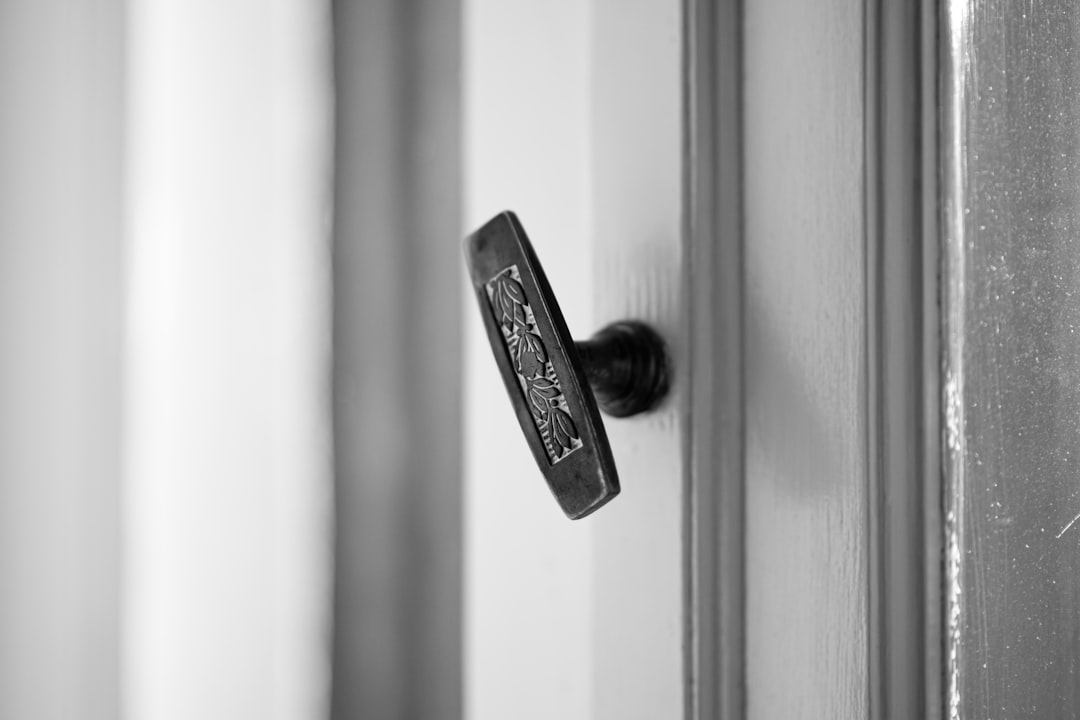
Complex handle shapes create crevices, undersides, and hard-to-reach areas that cleaning may miss. Testing assesses whether products and wiping techniques achieve complete contamination removal including difficult areas.
Comparative testing shows that spray application followed by thorough wiping outperforms quick spray-only approaches, particularly for complex geometries. Probiotic products benefit from ensuring beneficial bacteria reach all handle surfaces including crevices.
Transfer Rate Testing
Testing quantifies bacterial transfer from contaminated handles to hands and vice versa. Standardised hand contact protocols—defined grip pressure and duration—enable reproducible transfer measurements.
Results show significant variation with handle material and contamination moisture. Dry contamination transfers less efficiently than moist residues, informing assessment of transmission risks from cleaned versus contaminated handles.
Light Switch Testing
Light switches present unique challenges: complex geometry, frequent touching, and location (often on painted walls requiring careful product selection).
Switch Plate Crevices
Gaps between switch plates and walls accumulate dust and bacteria often missed during cleaning. Testing assesses whether products reach these reservoir areas or only clean visible surfaces whilst leaving hidden contamination.
Wall Splash Prevention
Spray products risk overspray damaging wall paint around switches. Testing evaluates controlled application methods (wipe products, targeted sprays) preventing wall damage whilst achieving switch hygiene.
Handrail Testing
Stairway and accessibility handrails receive continuous touching along their length creating extensive contamination.
Linear Surface Cleaning Efficiency
Cleaning long handrails efficiently requires products enabling rapid coverage. Testing assesses area cleaned per time unit with different products and application methods.
Studies show that pre-moistened wipes provide efficient handrail cleaning compared to spray-and-cloth approaches requiring repetitive spraying.
Outdoor Handrail Performance
External handrails face weather exposure and environmental contamination. Testing assesses whether products maintain effectiveness under temperature extremes, UV exposure, and moisture.
Lift Button Testing
Lift buttons in busy buildings receive thousands of touches daily creating intense contamination pressure.
High-Frequency Touching Simulation
Testing simulates intensive use: buttons are cleaned, then repeatedly touched with contaminated fingers (dozens to hundreds of touches), with bacterial sampling revealing how contamination accumulates under realistic use intensity.
Results demonstrate that no cleaning approach maintains sterility under such contamination pressure—buttons require frequent cleaning or alternative solutions (antimicrobial copper alloy buttons, touchless systems) to maintain low contamination.
Comparison with Antimicrobial Surfaces
Antimicrobial metals (copper, brass) and surfaces with incorporated biocides offer passive continuous disinfection. Testing compares active cleaning approaches (conventional or probiotic) versus passive antimicrobial surfaces.
Results show antimicrobial surfaces maintain lower bacterial contamination than non-antimicrobial surfaces between cleanings. However, they still require regular cleaning to remove soil and organic residues. Combining antimicrobial surfaces with appropriate cleaning provides optimal results.
Interestingly, probiotic cleaning on antimicrobial copper surfaces shows synergistic effects—beneficial bacteria prove more tolerant of copper's antimicrobial effects than many pathogens, potentially colonising copper surfaces and enhancing overall antimicrobial performance.
Touchless Alternatives
Automatic doors, motion-sensor lights, and foot-operated handles eliminate touching reducing contamination transmission. Testing compares hygiene in environments with touchless versus traditional fixtures.
Studies confirm touchless systems reduce surface contamination transmission but don't eliminate it—people still touch other surfaces. Optimal infection control combines touchless technology for highest-risk surfaces with effective cleaning for remaining touched areas.
Cleaning Frequency Optimisation
Testing helps determine optimal cleaning frequencies for high-touch surfaces balancing hygiene benefits against practical resource limitations.
Time-to-Threshold Studies
Surfaces are cleaned, then monitored for bacterial accumulation over time. When contamination reaches defined thresholds (based on infection risk assessment), the time elapsed informs minimum cleaning frequency.
Results vary dramatically with use intensity: busy building entrance doors may require hourly cleaning whilst seldom-used door handles maintain acceptable hygiene with daily cleaning.
Cost-Benefit Analysis
Testing data inform economic analyses comparing cleaning frequency options: hourly cleaning versus twice daily versus daily, balanced against infection risk reduction and associated healthcare costs.
Studies often reveal that moderately increased cleaning frequency (from once to twice daily) provides substantial hygiene benefits at reasonable cost, whilst very frequent cleaning (hourly) shows diminishing returns unless use intensity is extreme.
Product Format Testing
Spray-and-Wipe versus Pre-Moistened Wipes
Testing compares these common application formats for high-touch surface cleaning. Factors assessed include bacterial reduction effectiveness, ease of use, time required, and material compatibility.
Pre-moistened wipes often score higher in user satisfaction for convenience whilst spray products prove more economical for large cleaning programmes. Effectiveness proves comparable when products contain similar active ingredients and contact time meets recommendations.
Foam Products
Foam cleaners claim to cling to vertical surfaces providing extended contact time. Testing assesses whether foam formulations achieve superior disinfection on vertical high-touch surfaces compared to liquid sprays.
Environmental and Safety Considerations
Indoor Air Quality Impact
Frequent disinfection of high-touch surfaces, particularly in enclosed spaces, affects indoor air quality through volatile antimicrobial chemical emissions. Testing monitors air quality during and after high-touch surface disinfection protocols.
Studies show conventional disinfectants—quaternary ammoniums, bleach, alcohol—elevate indoor VOC levels temporarily. Probiotic cleaning produces minimal air quality impacts, advantageous in schools, offices, and homes where occupants remain present during and after cleaning.
Dermal Exposure Safety
High-touch surfaces contact skin immediately after cleaning. Testing ensures residual product doesn't cause irritation or sensitisation.
Probiotic formulations with food-grade bacteria show excellent dermal safety profiles even when surfaces are touched immediately post-cleaning.
Viral Contamination Testing
Whilst much testing focuses on bacterial contamination, viruses—particularly respiratory viruses—transmit significantly through high-touch surfaces.
Surrogate Virus Testing
Testing employs non-pathogenic surrogate viruses (bacteriophages, feline calicivirus) representing human viruses' disinfection resistance. Surfaces are contaminated, cleaned with test products, and assayed for infectious virus reduction.
Chemical disinfectants with proven virucidal activity reliably reduce surface viral contamination. Probiotic approaches show limited direct virucidal activity but may reduce viral transmission indirectly by removing organic soil harboring viruses and potentially through competitive exclusion mechanisms requiring further investigation.
Antibiotic Resistance Considerations
High-touch surfaces in healthcare settings can harbour antibiotic-resistant bacteria—MRSA, VRE, resistant gram-negatives. Testing employs these organisms assessing whether cleaning approaches control resistant pathogens.
Results show that whilst antibiotic resistance doesn't confer disinfectant resistance, resistant organisms often prove hardier overall. Regular probiotic treatment shows promise for competitive exclusion of resistant pathogens, potentially reducing environmental reservoirs contributing to resistance transmission.
Comparative High-Touch Surface Strategies
Evidence suggests optimal high-touch surface hygiene combines multiple approaches:
Material selection: Antimicrobial metals for highest-touch surfaces (door handles, handrails) provide passive continuous action.
Touchless technology: Motion sensors, automatic doors for feasible applications reduce touching.
Frequent chemical disinfection: Critical healthcare areas with very high-risk populations.
Regular probiotic cleaning: Schools, offices, public buildings where frequent chemical disinfection proves impractical or undesirable.
Hybrid approaches: Morning chemical disinfection followed by midday probiotic maintenance, or high-risk area chemical disinfection with low-risk area probiotic cleaning.
Testing evidence shows no universal "best" approach—optimal strategies match specific environments' contamination pressures, use patterns, population vulnerabilities, and resource availability.