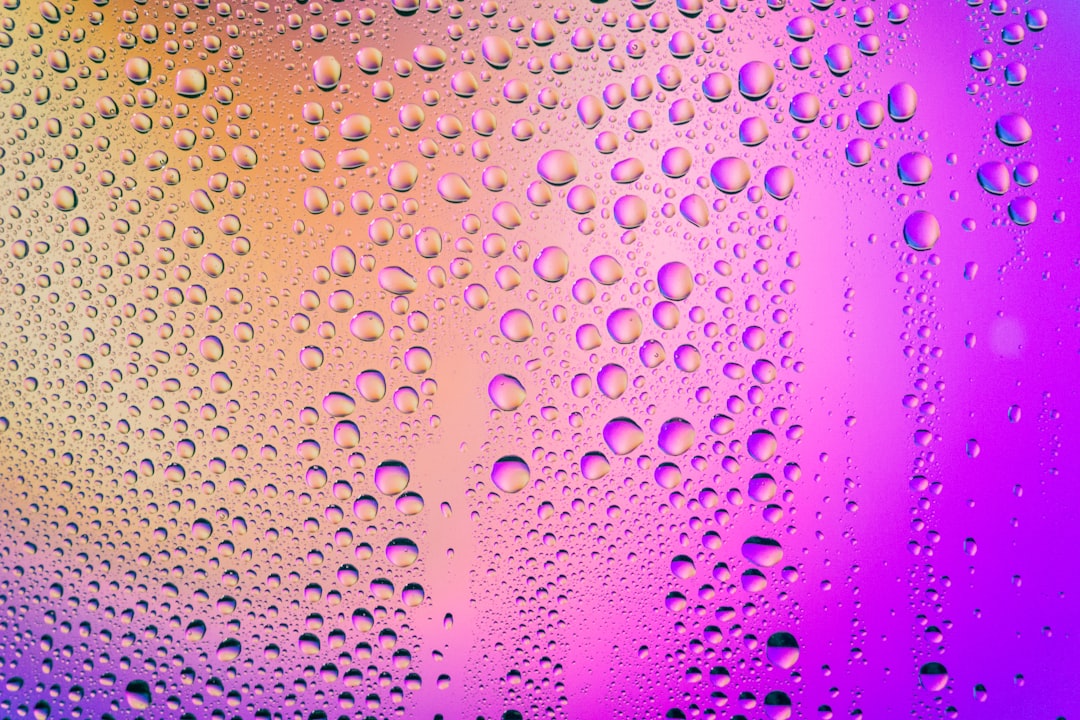
The Challenge of Invisible Streaks
Glass and mirror cleaning presents deceptively complex challenges despite these surfaces' apparent simplicity. Non-porous and smooth, glass theoretically should clean easily—yet achieving genuinely streak-free, spot-free, invisible cleanliness proves frustratingly difficult. Dried water minerals, surfactant residues, oils from fingerprints, and atmospheric dust create visible hazing, streaking, and spotting that persist despite cleaning efforts. Understanding how scientists test glass cleaning performance reveals the precise chemistry and physics underlying this everyday frustration and illuminates why some products succeed where others fail.
Testing protocols for glass and mirror cleaners assess multiple performance dimensions: soil removal effectiveness, streak-free drying characteristics, anti-fog properties, sustained cleanliness (resistance to resoiling), and material compatibility with various glass types and coatings. Whilst probiotic cleaning technology primarily targets bacterial control on porous surfaces, adaptations for glass—typically combining minimal beneficial bacteria with effective surfactants and enzymes—show promise for achieving both hygienic and aesthetically perfect glass surfaces.
Understanding Glass Surface Contamination
Before examining testing methods, understanding what contaminates glass surfaces provides essential context for protocol design.
Fingerprint Oils
Human skin contact deposits sebum—complex mixtures of lipids, fatty acids, wax esters, and squalene—creating visible fingerprints on glass. These oils require surfactants or enzymatic degradation for removal, as water alone cannot dissolve lipophilic materials.
Water Spots and Mineral Deposits
Dried water droplets leave calcium carbonate, magnesium salts, and other dissolved minerals creating stubborn spots and hazing. Bathroom mirrors and shower glass particularly suffer from hard water spotting. Acidic cleaners or chelating agents prove necessary for removing these alkaline mineral deposits.
Atmospheric Dust and Particulates
Airborne particles settle on glass, creating visible dulling. This contamination typically removes easily with proper wiping but contributes to overall soil load.
Cooking Grease and Smoke Residues
Kitchen windows and glass surfaces near cooking areas accumulate airborne grease particles and combustion products creating stubborn films requiring degreasing action for removal.
Soil Removal Testing Protocols
Standardised Contamination Application
Testing begins with reproducible contamination. Glass samples receive standardised applications of artificial fingerprints (synthetic sebum applied in controlled amounts), hard water droplets (solutions of calcium and magnesium salts at specified concentrations), dust application (standardised fine particles), and grease films (controlled airbrush application of cooking oil aerosols).
This multi-component contamination simulates realistic glass soiling better than single-contaminant testing whilst allowing quantitative performance assessment.
Cleaning Effectiveness Measurement
After contamination, glass samples are cleaned following standardised protocols: specific product volumes applied, defined wiping patterns (circular, vertical, horizontal strokes), controlled wiping pressure, and specified drying methods (air drying, cloth wiping).
Cleaning effectiveness is quantified through multiple methods:
Reflectance spectroscopy measures light reflection at various wavelengths. Clean glass shows consistent high reflectance whilst contaminated glass reflects less light and shows wavelength-dependent absorption. Post-cleaning reflectance reveals soil removal completeness.
Haze measurement employs hazemeter instruments quantifying light scattering from surface contamination. Effective cleaners should reduce haze to pre-contamination levels.
Contact angle measurement assesses surface energy changes. Clean glass shows characteristic water contact angles; residual contamination alters these angles. This sensitive technique detects residues invisible to other methods.
Streak Testing Protocols
Streaking—perhaps the most frustrating glass cleaning failure—results from uneven cleaner residue distribution during drying. Testing specifically assesses streak formation propensity.
Visual Streak Assessment
Trained panels evaluate cleaned glass under standardised lighting conditions, rating streak visibility on defined scales. Lighting angles prove critical as glancing light reveals streaks invisible under direct illumination. Testing employs both direct and angular lighting to detect streaking under varied viewing conditions.
Imaging Analysis
Digital imaging with specialised illumination and software analysis quantifies streak intensity and distribution objectively, supplementing subjective visual assessment. Algorithms detect brightness variations across glass surfaces, measuring streak severity.
Formulation Factors Affecting Streaking
Testing reveals that streak formation depends on multiple formulation characteristics:
Surfactant selection: Some surfactants dry leaving visible residues whilst others evaporate cleanly. Testing compares formulations with varied surfactants under identical conditions.
Alcohol content: Volatile alcohols (isopropanol, ethanol) promote rapid evaporation reducing streak formation. Testing varies alcohol concentrations assessing streak reduction versus cleaning effectiveness.
Water quality: Hard water in formulations can contribute to streaking. Testing employs both deionised water and hard water formulations revealing mineral content effects.
Additive effects: Anti-streak agents—glycol ethers, surfactant blends—are tested for effectiveness in reducing streak formation.
Spotting Resistance Testing
Beyond initial cleaning, testing assesses whether treatments prevent rapid recontamination or water spotting.
Water Beading and Sheeting
Some glass cleaners deposit coatings promoting water beading (high contact angles causing droplets to form) or sheeting (water flowing as continuous films rather than droplets). Testing measures contact angles and observes water behaviour on treated glass.
Beading reduces spot formation by preventing water spreading and leaving mineral deposits. Sheeting achieves similar benefits through different mechanisms—continuous water films drain completely rather than leaving droplet residues.
Soil Adhesion Resistance
Testing contaminates cleaned glass with dust and oils after specified periods, comparing soil adhesion on treated versus untreated glass. Effective treatments should show reduced resoiling.
Some probiotic glass cleaners create microscopic beneficial bacterial films hypothesised to resist soil adhesion through biofilm-mediated mechanisms, though this application remains emerging and requires further validation.
Anti-Fog Testing
Bathroom mirrors and vehicle windscreens suffer from condensation fogging. Anti-fog glass cleaners reduce this problem through surface treatments affecting water condensation behaviour.
Fog Formation Testing
Glass samples treated with test products are exposed to high humidity or temperature differentials causing condensation. Fog formation is assessed visually and through transmitted light measurement—fogged glass scatters light reducing transmission.
Anti-fog treatments typically work by promoting water sheeting rather than droplet formation. Surfactant coatings reduce surface tension allowing condensation to spread as transparent films rather than light-scattering droplets.
Anti-Fog Durability
Testing assesses how long anti-fog effects persist. Glass samples are treated, subjected to fog formation cycles repeatedly, and monitored for anti-fog performance degradation. Durable treatments maintain effectiveness through multiple fogging events.
Material Compatibility Testing
Modern glass products often have coatings—anti-reflective, UV-protective, privacy, decorative—requiring cleaners that don't damage these treatments.
Coated Glass Testing
Low-emissivity (low-e) glass common in modern windows has thin metal oxide coatings affecting heat transmission. Ammonia and other harsh chemicals can damage these coatings. Testing applies products to low-e glass repeatedly, monitoring coating integrity through transmission spectroscopy and visual inspection.
Anti-reflective coatings on optical glass and display screens similarly require gentle cleaning. Testing ensures products don't degrade these valuable coatings.
Frame and Sealant Compatibility
Glass cleaners contact window frames, mirror backs, and sealants during use. Testing exposes these materials (aluminium, vinyl, wood, silicone sealants) to products assessing whether damage, discolouration, or degradation occurs.
Probiotic glass cleaners with neutral pH typically show excellent material compatibility compared to ammonia-based or acidic alternatives that may corrode metal frames or degrade sealants.
Bacterial Control on Glass Surfaces
Whilst glass surfaces resist bacterial adhesion better than porous materials, contamination still occurs particularly on frequently touched items like mirrors in bathrooms.
Glass Surface Bacterial Testing
Glass samples are inoculated with test bacteria (Staphylococcus aureus, Escherichia coli), cleaned with products, and sampled for bacterial enumeration. Effective antimicrobial glass cleaners should achieve significant bacterial reductions.
Testing reveals that bacterial adhesion to clean glass proves minimal, but organic residues (fingerprints, soap films) on glass provide nutrients supporting bacterial growth. Cleaners effectively removing organic residues indirectly control bacteria by eliminating nutrients.
Sustained Antimicrobial Activity
Some products claim to provide sustained antimicrobial protection on glass. Testing involves cleaning glass, allowing it to dry, then challenging with bacteria after specified periods (hours to days) to assess whether antimicrobial activity persists.
Probiotic formulations adapted for glass typically employ spore-forming bacteria that can persist on dry glass surfaces, theoretically providing sustained competitive exclusion of pathogens. However, glass's non-nutritive nature limits bacterial survival, making sustained effects challenging to achieve and verify.
Bathroom Mirror Specific Testing
Bathroom mirrors face unique challenges: hairspray aerosols, toothpaste splatter, moisture, and frequent touching create demanding contamination conditions.
Aerosol Residue Removal
Testing simulates hairspray and other aerosol contamination, applies products, and assesses removal effectiveness. Aerosol polymers create sticky films requiring effective surfactant or enzymatic action for complete removal.
Enzyme-containing products, including some probiotic formulations, may offer advantages in degrading polymer residues that purely surfactant-based cleaners struggle to remove completely.
Moisture Resistance
Bathroom humidity causes rapid recontamination and spotting. Testing assesses whether cleaners provide protective effects reducing moisture-related issues.
Automotive Glass Testing
Vehicle windscreens and windows encounter environmental contamination exceeding household glass: road grime, insect residues, tree sap, and industrial fallout create challenging soiling.
Bug Residue Removal
Insect impacts leave protein and chitin residues stubbornly adherent to glass. Testing applies actual insect residues or synthetic alternatives, treats with products, and assesses removal effectiveness.
Protease enzymes effectively degrade protein components of bug residues. Products containing proteases, including some probiotic formulations, often outperform non-enzymatic cleaners on this challenging soil.
Tree Sap and Tar Removal
Resinous tree sap and road tar require solvents or specialised surfactants for removal. Testing these challenging contaminants reveals whether products handle extreme soiling or require dedicated pre-treatment.
Application Method Testing
Glass cleaner performance depends on application technique requiring testing under varied application methods.
Spray Application
Most glass cleaners apply as sprays. Testing assesses spray pattern (even distribution versus large droplets), coverage area per spray, and effectiveness with recommended application amounts.
Wiping Materials
Cleaning effectiveness varies with wiping material: microfibre cloths, paper towels, newspaper, and squeegees all perform differently. Testing compares product performance across these materials, as some products require specific wiping methods for optimal streak-free results.
Microfibre cloths typically provide superior results with most products through their lint-free nature and oil-absorbing capacity. Testing confirms this whilst also assessing performance with readily available alternatives like paper towels.
Environmental and Safety Testing
VOC Content
Glass cleaners containing alcohols and solvents release volatile organic compounds affecting indoor air quality and contributing to atmospheric pollution. Testing quantifies VOC content and emissions, with regulatory limits in some jurisdictions requiring low-VOC formulations.
Water-based probiotic glass cleaners with minimal volatile solvents typically show low VOC profiles, offering environmental advantages over alcohol-heavy traditional formulations.
Eye and Skin Irritation
Glass cleaner contact with eyes and skin during use requires safety testing. Standard toxicological protocols assess irritation potential, with effective products achieving cleaning goals whilst minimising irritation risks.
Ammonia-free probiotic formulations typically show reduced irritation versus traditional ammonia-containing glass cleaners, providing safety benefits particularly important in households with children.
Comparative Glass Cleaner Performance
Direct comparison studies reveal product category strengths and weaknesses:
Ammonia-based cleaners excel at cutting through greasy films and achieving streak-free drying but pose odour and irritation concerns and may damage some coatings.
Alcohol-based cleaners provide good streak-free performance through rapid evaporation but contribute to VOC emissions and may dry too quickly in hot conditions causing streaking.
Vinegar-based cleaners effectively remove mineral deposits and provide economical cleaning but may leave residual odour and prove less effective on oily soils.
Enzymatic/probiotic formulations excel at removing organic soils (fingerprints, bug residues) whilst being gentle on coatings and low in VOCs, though may require formulation optimisation to achieve truly streak-free performance matching alcohol-based alternatives.
Real-World Glass Cleaning Studies
Field testing in actual homes and commercial buildings reveals practical performance beyond laboratory conditions.
User Satisfaction Surveys
Consumers testing glass cleaners in their homes for weeks provide feedback on ease of use, streak-free performance, odour acceptability, and overall satisfaction. These subjective assessments complement objective laboratory measurements.
Studies show users particularly value streak-free drying (ranking it above even cleaning effectiveness), pleasant or neutral odour, and visible results. Products failing to deliver immediate visible improvement receive poor ratings regardless of antimicrobial benefits.
Professional Cleaner Feedback
Commercial cleaning professionals provide valuable real-world performance insights. Surveys reveal that professionals prioritise efficiency (area cleanable per time unit), consistency (reliable streak-free results), and health (low irritation, reduced chemical exposure).
Some professionals report favourably on enzyme-based glass cleaners for specific applications (removing stubborn organic residues) whilst noting these may not replace general-purpose glass cleaners for routine cleaning where speed proves paramount.
Specialised Glass Applications
Solar Panel Cleaning
Solar photovoltaic panels require periodic cleaning to maintain efficiency, but harsh chemicals or abrasive cleaning may damage cells or anti-reflective coatings. Testing assesses whether gentle probiotic formulations adequately clean panels whilst preserving coatings and electrical components.
Touchscreen Display Cleaning
Smartphones, tablets, and touchscreen monitors require cleaners that remove fingerprint oils without damaging oleophobic coatings or screen materials. Specialised testing confirms compatibility with these sensitive surfaces.
Alcohol-based cleaners can degrade oleophobic coatings over time. Water-based enzymatic formulations show promise as gentler alternatives whilst still effectively removing oils.
Innovations in Glass Cleaning Technology
Testing evaluates emerging technologies attempting to improve glass cleaning:
Self-cleaning coatings using photocatalytic titanium dioxide or hydrophobic polymers reduce cleaning frequency. Testing assesses durability and cleaning effectiveness compared to conventional approaches.
Nanostructured surfaces creating superhydrophobic effects promote water sheeting. Testing reveals whether these persist with normal cleaning and use.
Probiotic biofilm approaches hypothesise that beneficial bacterial microfilms may resist pathogen attachment and soil adhesion on glass. Whilst promising, this application requires substantial further research to validate effectiveness and durability on non-porous surfaces.
Practical Recommendations from Testing
Testing evidence supports specific glass cleaning approaches:
For routine glass cleaning, low-VOC formulations with optimised surfactants and minimal alcohol provide good performance with reduced environmental and health impacts.
For organic residues (fingerprints, bugs, aerosols), enzyme-containing products offer superior performance through biological degradation of stubborn soils.
For mineral deposits, mild acidic cleaners (vinegar-based) or chelating agents effectively remove calcium and magnesium spots that neutral cleaners cannot address.
For antimicrobial benefits, alcohol-containing or quaternary ammonium formulations provide immediate bacterial reduction, whilst probiotic approaches may offer sustained effects though requiring further validation specifically for glass applications.
The optimal approach often involves having multiple products: a primary gentle cleaner for routine use, an acidic formula for periodic mineral deposit removal, and enzyme-based cleaner for stubborn organic soils—matching cleaning products to specific challenges rather than seeking universal solutions.