Probiotic cleaners represent sophisticated biochemistry—carefully balanced formulations that must clean effectively immediately whilst supporting long-term bacterial activity. Understanding the chemistry behind these products reveals the science that makes them work and why formulation matters tremendously.
The Formulation Challenge
Creating effective probiotic cleaners requires solving multiple simultaneous challenges:
- Immediate cleaning action comparable to conventional products
- Maintaining live bacterial spores in stable, viable condition
- pH levels supporting both bacterial activity and surfactant performance
- Preventing bacterial germination in the bottle whilst enabling it on surfaces
- Long shelf life without preservatives that harm bacteria
- Pleasant aesthetics and fragrance without inhibiting microorganisms
The Multi-Phase System
Probiotic cleaners typically function as multi-phase systems with distinct temporal components.
Phase 1: Immediate Chemical Action
When first sprayed, conventional cleaning chemistry provides instant results:
- Surfactants emulsify oils and suspend particulates
- Alkaline pH helps break down organic residues
- Chelating agents soften water and enhance cleaning
- Solvents dissolve specific types of soils
- Mechanical action from wiping removes loosened dirt
This phase delivers the immediate visual cleanliness users expect.
Phase 2: Bacterial Activation
Minutes after application:
- Moisture and nutrients trigger spore germination
- Bacteria transition from dormant to vegetative state
- Cells begin assessing environment and producing enzymes
- Initial bacterial populations establish on surfaces
Phase 3: Ongoing Biological Cleaning
Hours to days after application:
- Bacterial populations grow and establish
- Continuous enzyme production breaks down residual organic matter
- Deep cleaning penetrates porous surfaces
- Beneficial bacteria outcompete pathogens
- Protective biofilms form
Key Formulation Components
Each ingredient serves specific purposes in the complex system.
Surfactants: The Cleaning Workhorses
Surface-active agents that:
- Reduce surface tension, allowing water to spread and penetrate
- Emulsify oils and fats
- Suspend particulate soils
- Create foam for visual feedback and distribution
Selecting bacteria-compatible surfactants: Not all surfactants work with probiotics. Formulations use:
- Gentle plant-derived surfactants (alkyl polyglucosides, sophorolipids)
- Non-ionic surfactants less disruptive to bacterial membranes
- Biodegradable options supporting environmental goals
- Concentrations providing cleaning without inhibiting bacteria
pH Adjusters: The Balance Keepers
Controlling acidity/alkalinity for:
- Optimal surfactant performance
- Bacterial germination and growth
- Enzyme activity maximisation
- Enhanced cleaning on specific soils
Most probiotic cleaners maintain slightly alkaline pH (7.5-9.5):
- Enhances grease and protein soil removal
- Supports Bacillus species growth
- Optimises enzyme function
- Prevents premature germination in bottle
Bacterial Spores: The Active Ingredient
The living component that distinguishes probiotic formulations:
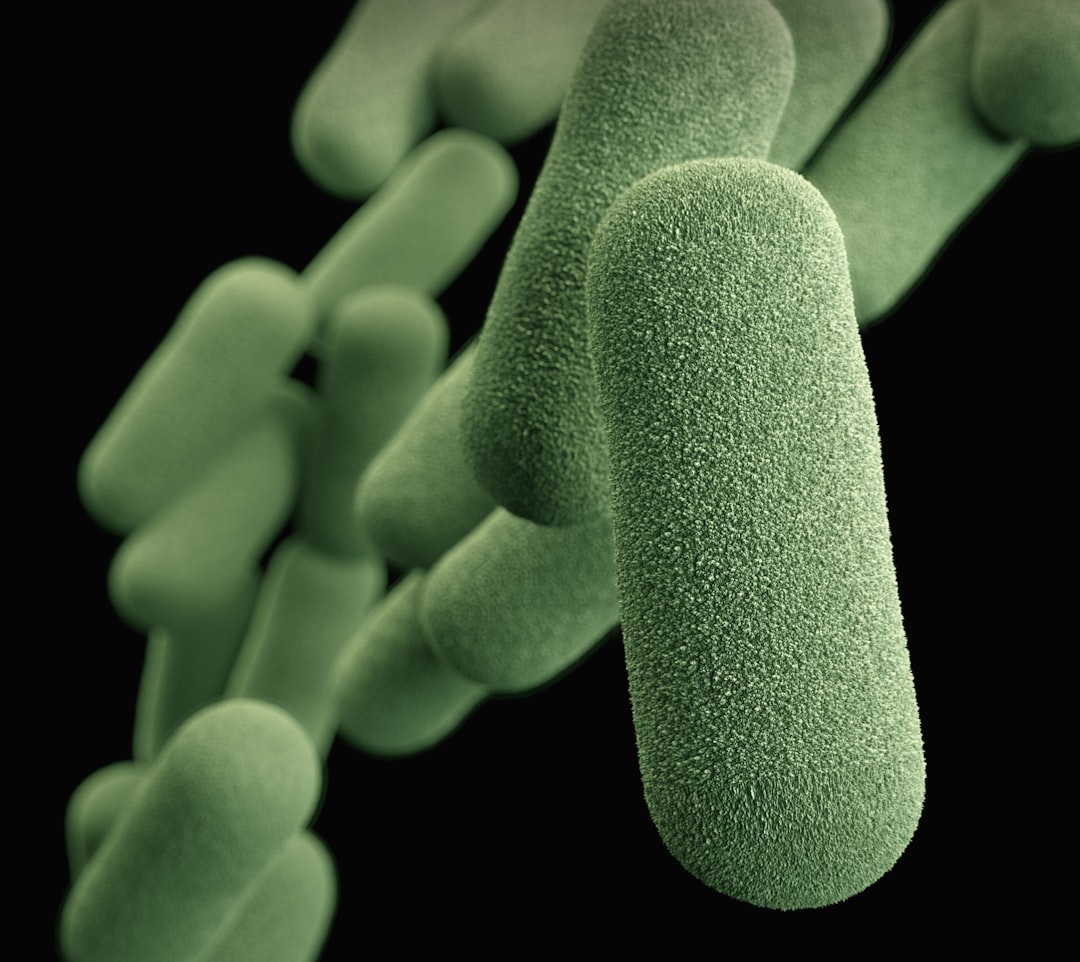
- Species selection: Typically Bacillus subtilis, B. amyloliquefaciens, B. licheniformis or combinations
- Spore concentration: Usually 10⁶ to 10⁸ spores per millilitre
- Spore quality: Viability testing ensures sufficient live spores
- Stability: Spores must survive formulation and storage
Chelating Agents: Water Conditioners
Bind metal ions in hard water:
- Prevent interference with surfactant action
- Enhance cleaning efficiency
- Prevent scale formation
- Support bacterial enzyme activity
Common options: citric acid, sodium citrate, gluconates—chosen for biodegradability and bacteria compatibility.
Preservatives: The Careful Choice
Preventing contamination whilst preserving bacterial viability:
- Cannot use broad-spectrum antimicrobials (would kill beneficial bacteria)
- Rely on formulation pH and water activity control
- May use mild preservatives targeting moulds/yeasts, not bacteria
- Spore form provides intrinsic stability
Fragrances: Sensory Appeal
Providing pleasant scent without harming bacteria:
- Essential oils with antimicrobial properties avoided or minimised
- Synthetic fragrances tested for bacterial compatibility
- Low concentrations preventing inhibition
- Biodegradable options supporting environmental goals
Stabilisation Science
Keeping spores dormant in the bottle but ready to activate on surfaces requires sophisticated chemistry.
Water Activity Control
Limiting available water:
- Prevents premature germination
- Maintains spore dormancy
- Extends shelf life
- Achieved through controlled formulation composition
Nutrient Management
Carefully controlling nutritional factors:
- Minimal nutrients in formulation prevent germination
- Germination triggered by nutrients on surfaces
- Strategic ingredient selection avoids unintended activation
Temperature Considerations
Formulations designed for:
- Stability across typical storage temperatures (5-30°C)
- Spore survival through transport and warehousing
- Consistent performance regardless of seasonal variation
Enzyme Chemistry
Understanding the catalytic molecules bacteria produce.
How Enzymes Work
Biological catalysts that:
- Accelerate specific chemical reactions millions-fold
- Remain unchanged themselves, working repeatedly
- Exhibit high specificity for target molecules
- Function under mild conditions (room temperature, neutral pH)
- Break down complex molecules into simple units
Major Enzyme Classes
Proteases (protein-digesting):
- Break peptide bonds linking amino acids
- Target proteins from food, body fluids, biological matter
- Subtilisin from Bacillus particularly powerful
Lipases (fat-digesting):
- Hydrolyse ester bonds in fats and oils
- Convert triglycerides to glycerol and fatty acids
- Essential for kitchen and bathroom cleaning
Amylases (starch-digesting):
- Break glycosidic bonds in carbohydrates
- Target sugars, starches, and complex carbohydrates
- Effective on food residues and organic deposits
Enzyme Optimisation
Formulations designed to:
- Support maximum enzyme activity
- Provide appropriate pH for enzyme function
- Avoid ingredients that denature or inhibit enzymes
- Enable enzymes to reach and act on target soils
Surfactant-Bacteria Interactions
The relationship between surfactants and bacteria is complex and critical.
Potential Conflicts
High surfactant concentrations can:
- Disrupt bacterial cell membranes
- Interfere with germination
- Inhibit growth and reproduction
- Reduce overall probiotic effectiveness
Strategic Solutions
Effective formulations:
- Use gentler, non-ionic surfactants
- Optimise concentrations for cleaning whilst preserving viability
- Select bacteria strains with surfactant tolerance
- Create synergies where surfactants aid bacterial distribution
Quality Control and Testing
Ensuring consistent, effective products requires rigorous testing.
Spore Viability Testing
Confirming:
- Sufficient live spore counts throughout shelf life
- Germination capability when applied to surfaces
- Bacterial growth and enzyme production post-germination
- Batch-to-batch consistency
Cleaning Performance
Validating:
- Immediate cleaning comparable to conventional products
- Long-term soil removal and prevention
- Effectiveness on various soil types
- Performance across different surface materials
Stability Testing
Monitoring:
- Spore survival during storage
- Chemical stability of other components
- Physical properties (viscosity, appearance, fragrance)
- Performance under various conditions
Environmental Chemistry
The end-of-life chemistry matters as much as the cleaning chemistry.
Biodegradability
Components selected for:
- Rapid breakdown in wastewater treatment
- Complete mineralisation to CO₂, water, and biomass
- No persistent residues
- Support for rather than harm to aquatic ecosystems
Aquatic Toxicity
Formulations designed to:
- Minimise toxicity to fish and aquatic organisms
- Avoid bioaccumulative ingredients
- Support healthy waterway microbiology
- Meet stringent environmental safety standards
Innovation in Formulation
Ongoing development improves probiotic cleaning chemistry:
- Novel bacteria strains with enhanced capabilities
- Improved surfactant systems
- Synergistic enzyme combinations
- Better stability and longer shelf life
- Targeted formulations for specific applications
- Reduced packaging through concentration
The chemistry of probiotic cleaners represents sophisticated science—balancing immediate cleaning performance with long-term biological protection, stability with activity, effectiveness with safety. It's formulation chemistry that harnesses biology, creating products that don't just clean surfaces but transform them into healthier environments.