Where Sweat and Surfaces Meet
Gyms and fitness facilities present extraordinarily challenging cleaning environments combining intense bacterial contamination (from sweaty skin contact), diverse equipment materials (upholstery, metal, rubber, plastic), continuous high-traffic use, and user expectations for both visible cleanliness and genuine hygiene. Understanding how scientists test cleaning product performance specifically for fitness equipment and gym environments reveals the demanding standards required and illuminates whether probiotic approaches can compete with conventional disinfection whilst offering potential advantages in odour control and sustained antimicrobial protection between cleanings.
Comprehensive gym and fitness equipment testing addresses bacterial and fungal reduction (particularly skin-associated organisms and potential pathogens), odour control from sweat degradation, material compatibility with equipment finishes and upholstery, rapid action enabling quick turnover between users, and sustained effectiveness managing continuous recontamination. Testing must acknowledge gym-specific challenges: equipment receives near-constant use during busy periods, cleaning must occur rapidly without facility downtime, and users judge cleanliness immediately through visual and olfactory cues.
Understanding Gym-Specific Contamination
Sweat and Skin Contact
Direct skin contact with equipment transfers sweat, skin oils, and associated bacteria. Staphylococcus species, particularly S. aureus and S. epidermidis, dominate skin bacteria. Testing must address these organisms specifically whilst also considering more dangerous pathogens like methicillin-resistant Staphylococcus aureus (MRSA) occasionally found in athletic populations.
Fungal Contamination
Warm, moist environments in change rooms, showers, and on yoga mats support fungal growth. Dermatophytes causing athlete's foot (Trichophyton species) and Candida species creating yeast infections present particular concerns. Testing must assess anti-fungal effectiveness alongside antibacterial activity.
Respiratory Droplets
Heavy breathing during exercise produces respiratory droplets contaminating equipment and air. Testing considers both bacterial and viral respiratory pathogens, particularly relevant during respiratory illness seasons or pandemics.
Equipment-Specific Testing
Weight Equipment and Machines
Metal frames, plastic or vinyl grips, and fabric/vinyl upholstery comprise typical strength training equipment. Testing contamination representative samples with sweat and bacteria, cleans with products, and measures bacterial reduction whilst monitoring material compatibility.
Metal surfaces (chrome, powder-coated steel) typically tolerate varied cleaners but require rust prevention. Testing ensures products don't corrode metal or damage protective coatings.
Vinyl and leather upholstery require cleaners that don't dry, crack, or discolour these materials whilst removing sweat, oils, and bacteria. Long-term testing subjects upholstery to repeated cleaning cycles assessing durability.
Grips and handles receive maximum contamination requiring effective disinfection. Textured grips create cleaning challenges as bacteria harbour in surface irregularities. Testing assesses whether products reach and disinfect textured surfaces completely.
Cardio Equipment
Treadmills, ellipticals, and stationary bikes receive prolonged individual use creating substantial sweat contamination on touchscreens, handlebars, and console surfaces.
Touchscreen testing requires cleaners that disinfect without leaving residues affecting touch sensitivity or screen clarity. Streak-free formulations prove essential for this application.
Rubber and foam handles absorb sweat requiring deep cleaning. Testing assesses whether products penetrate porous handle materials achieving microbial reduction within materials, not just surface disinfection.
Yoga Mats and Floor Equipment
Yoga mats, floor mats, and similar equipment contact sweaty skin over large surface areas. Materials vary: PVC, rubber, TPE (thermoplastic elastomer), cork, requiring compatibility testing across options.
Bacterial reduction on porous materials: Testing confirms products disinfect mat surfaces despite porosity that may protect bacteria.
Slip resistance: Mats must not become slippery after cleaning, creating injury risks. Testing measures friction coefficients on cleaned mats ensuring safety.
Material degradation: Repeated cleaning shouldn't degrade mat materials. Accelerated ageing simulates years of regular cleaning, monitoring for cracking, stiffening, or deterioration.
Free Weights
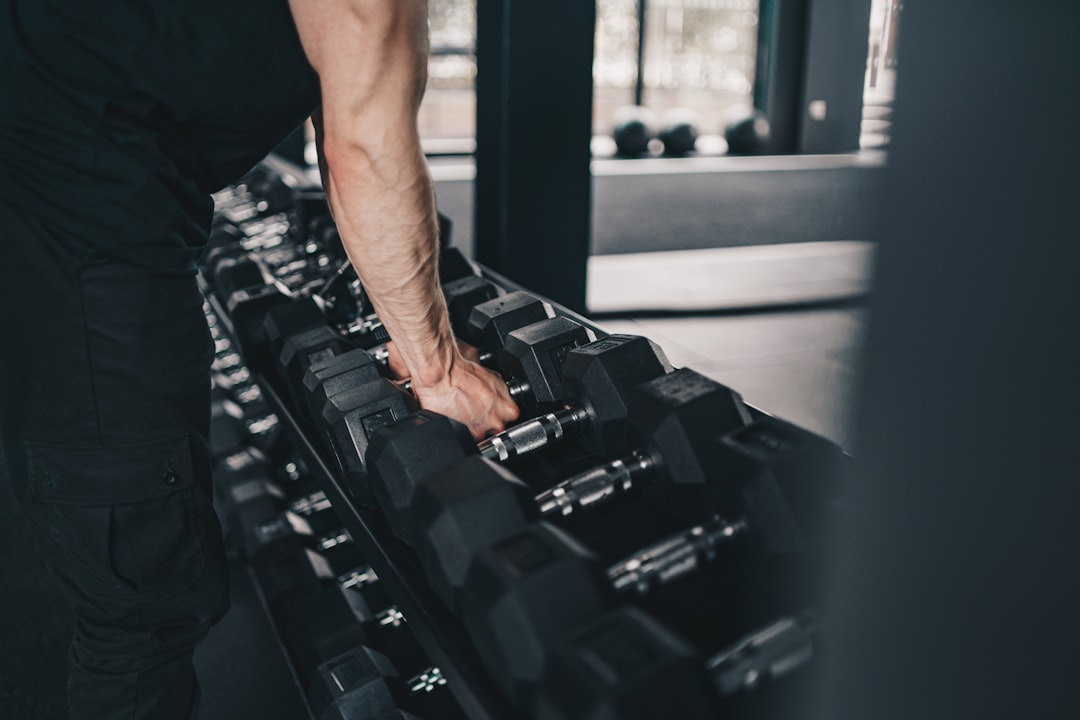
Dumbbells and barbells, typically metal with knurled grips or rubber coatings, require rapid cleaning between users.
Knurled (textured) metal grips create bacterial harbouring sites. Testing assesses whether quick wipe cleaning adequately disinfects textured surfaces or whether bacteria persist in grip irregularities.
Rapid Action Testing
Gyms require cleaning products that work within the brief intervals between equipment users—often just minutes. Testing protocols specifically assess effectiveness with very short contact times.
Contact Time Studies
Equipment is contaminated, cleaned with products allowing varied contact times (30 seconds, 1 minute, 3 minutes, 5 minutes) before wiping dry, then sampled for bacterial enumeration. Effective gym products should achieve substantial bacterial reduction (preferably >99%) within 1-2 minutes.
Chemical disinfectants typically work fastest, killing bacteria within seconds to minutes. Probiotic products may require longer contact times for beneficial bacterial deposition and pathogen competition, potentially limiting suitability for rapid turnover situations unless formulated with fast-acting antimicrobial components.
Odour Control Testing
Equipment odours from sweat degradation create major user satisfaction issues. Comprehensive testing addresses odour elimination alongside disinfection.
Sweat Simulation and Odour Assessment
Synthetic sweat or collected human sweat is applied to equipment materials, aged to allow bacterial metabolism producing odour compounds, then treated with cleaning products. Odour reduction is assessed through:
Sensory panels: Trained evaluators rate odour intensity and character before and after cleaning using standardised scales.
Chemical analysis: Gas chromatography-mass spectrometry quantifies specific odour compounds—butyric acid, isovaleric acid, ammonia—before and after treatment.
Results show that whilst fragranced cleaners temporarily mask odours, enzymatic and probiotic products often achieve superior sustained odour elimination by degrading odour-producing compounds. Probiotic bacteria producing lipases and proteases break down sweat components preventing odour formation rather than just covering existing odours.
Sustained Effectiveness Testing
Equipment receiving continuous use throughout the day benefits from cleaning providing residual antimicrobial protection between wipe-downs.
Recontamination Studies
Equipment is cleaned, then subjected to simulated use (repeated contamination with sweat and bacteria), with bacterial sampling at intervals revealing recontamination rates for different cleaning approaches.
Chemical disinfectants show rapid recontamination—equipment often returns to pre-cleaning bacterial levels within hours of use. Probiotic treatments theoretically could provide longer sustained protection through beneficial bacterial colonisation, though equipment's intensive use may physically remove colonising bacteria limiting this benefit. Testing reveals the practical extent of sustained effects under realistic gym use intensity.
Material Compatibility and Durability
Frequent equipment cleaning—multiple times daily in busy gyms—demands products that don't degrade materials over time.
Accelerated Ageing Testing
Equipment materials undergo intensive cleaning cycles simulating months or years of typical use. Post-testing inspection and testing reveals whether products cause:
Upholstery degradation: Drying, cracking, colour fading, or loss of suppleness in vinyl and leather.
Rubber deterioration: Hardening, cracking, or loss of grip in rubber components.
Finish damage: Dulling, hazing, or corrosion of metal finishes.
Plastic degradation: Brittleness, discolouration, or stress cracking in plastic components.
Harsh chemical cleaners, particularly those with chlorine bleach or high alcohol content, often show cumulative damage effects. Probiotic products with neutral pH and gentle mechanisms typically preserve equipment materials excellently even with very frequent application.
Locker Room and Shower Testing
Change facilities present distinct challenges beyond equipment cleaning.
Floor Testing
Wet floors with bare foot traffic require cleaning preventing slip hazards whilst controlling athlete's foot fungi and other pathogens. Testing assesses:
Anti-slip properties: Cleaned floors must maintain adequate friction when wet.
Fungal control: Products should reduce dermatophyte populations on floors preventing fungal transmission.
Moisture tolerance: Products must work effectively on continuously damp surfaces.
Shower and Sauna Testing
Humid environments with biofilm development potential require cleaning preventing mould whilst tolerating high moisture and temperature.
Testing protocols mirror bathroom cleaning generally but emphasise fungal control and material compatibility with commercial-grade fixtures.
MRSA and Pathogen-Specific Testing
Athletic facilities occasionally experience MRSA outbreaks requiring enhanced contamination control. Testing specifically employs MRSA and other concerning pathogens assessing whether cleaning provides adequate protection.
MRSA Reduction Testing
Equipment is contaminated with MRSA, cleaned with products, and sampled for surviving bacteria. Effective products should achieve >99.9% MRSA reduction, meeting standards for pathogen control.
Chemical disinfectants with proven activity against antibiotic-resistant bacteria reliably reduce MRSA. Probiotic approaches show competitive exclusion potential—beneficial bacteria occupying sites that MRSA might otherwise colonise—though this mechanism requires longer timeframes than immediate disinfection.
User Wipe-Down Protocols
Many gyms provide wipes or spray bottles for users to clean equipment after use. Testing assesses whether user self-cleaning achieves adequate hygiene.
Compliance and Technique Studies
Observational research reveals users often clean equipment incompletely—missing equipment undersides, using insufficient product, or inadequate wiping. Testing with realistic (imperfect) user cleaning techniques reveals whether products achieve acceptable results despite sub-optimal application.
Products requiring minimal technique (pre-moistened wipes with foolproof application) show better real-world performance than spray products requiring proper application method.
Professional Cleaning Protocols
Beyond user wipe-downs, gyms employ professional cleaning—nightly deep cleaning, periodic equipment sanitising. Testing assesses products designed for these thorough cleaning sessions.
Deep Cleaning Effectiveness
Testing simulates realistic equipment contamination accumulation (days to weeks), performs deep cleaning with professional protocols, and assesses contamination reduction and equipment restoration to fresh condition.
Environmental and Indoor Air Quality
Gyms typically have limited ventilation (to contain temperature control), making indoor air quality during cleaning particularly important.
VOC Emissions Testing
Chemical disinfectants—alcohols, quaternary ammoniums—release volatile organic compounds during use. In enclosed gym environments with many people present, these emissions can create respiratory irritation and odour problems.
Testing monitors indoor air quality during cleaning with different products. Probiotic cleaners with minimal volatile solvents show substantially lower VOC emissions advantageous in gym environments.
Real-World Gym Studies
Equipment Contamination Monitoring
Studies sample equipment in gyms using different cleaning protocols, comparing bacterial contamination levels over time. Results reveal practical cleaning effectiveness under realistic use intensity.
Findings show that cleaning frequency and compliance matter more than product choice for baseline contamination control—well-cleaned gyms using any effective product maintain better hygiene than poorly cleaned facilities using "stronger" disinfectants. However, probiotic approaches show advantages in odour control and potentially in sustained protection between cleanings.
User Satisfaction Surveys
Gym members rate facility cleanliness based on visual appearance, odour, and perception of hygiene. Whilst users cannot directly assess bacterial levels, their satisfaction affects gym retention and reputation.
Studies show users highly value odour control—gyms using probiotic cleaning often receive positive feedback on fresh smell versus chemical disinfectant odours. Visual cleanliness (lack of visible residues, streaks) also rates importantly.
Staff Satisfaction
Cleaning staff provide valuable feedback on product usability, with factors like pleasant odour, lack of respiratory irritation, and effectiveness influencing preferences.
Surveys frequently show staff prefer probiotic products for frequent use given reduced harsh chemical exposure and pleasant work environment.
Comparative Gym Cleaning Approaches
Testing evidence reveals distinct product category performance:
Quaternary ammonium disinfectants provide rapid, broad-spectrum antimicrobial action suitable for quick equipment wipe-downs but raise respiratory sensitisation concerns with frequent use in enclosed environments.
Alcohol-based cleaners work very rapidly with good material compatibility but contribute to VOC emissions and can dry skin with frequent staff exposure.
Bleach solutions offer maximum pathogen killing including viruses but damage equipment materials, create odour problems, and pose safety concerns.
Hydrogen peroxide cleaners provide effective disinfection with better material compatibility than bleach but require longer contact times than quaternary ammoniums or alcohol.
Probiotic gym cleaners excel at sustained odour control through enzymatic sweat degradation, show excellent material compatibility enabling frequent use, create pleasant work environments, and provide potential sustained antimicrobial benefits. However, they may require longer contact times limiting rapid turnover applications, and may need supplementation with conventional disinfectants for outbreak situations or when maximum pathogen reduction proves necessary.
Hybrid Cleaning Systems
Many successful gyms employ layered cleaning strategies:
User wipe-downs: Fast-acting conventional disinfectant wipes for immediate equipment cleaning between users.
Staff maintenance cleaning: Hourly or several-times-daily probiotic cleaning providing thorough odour control and sustained protection.
Nightly deep cleaning: Comprehensive facility cleaning with appropriate products for each surface type.
Periodic intensive disinfection: Weekly or outbreak-triggered conventional disinfection ensuring pathogen control.
This multi-layer approach balances rapid turnover needs, sustained hygiene, odour management, and maximum pathogen control better than single-product strategies.
Emerging Technologies
Antimicrobial Equipment Surfaces
Some manufacturers incorporate antimicrobial agents into equipment upholstery and surfaces. Testing compares cleaning requirements for antimicrobial versus standard equipment.
Results show antimicrobial surfaces reduce bacterial accumulation between cleanings but don't eliminate cleaning needs—organic soil and sweat still require removal.
UV-C Disinfection
Some facilities employ supplemental UV-C light for equipment disinfection. Testing assesses whether UV-C provides benefits beyond chemical or probiotic cleaning.
Regulatory and Liability Considerations
Gyms face potential liability for disease transmission. Testing evidence supporting cleaning product effectiveness provides important risk management documentation.
Products with documented pathogen reduction testing—both conventional disinfectants and increasingly probiotic alternatives with proper efficacy data—help facilities demonstrate reasonable care in maintaining hygienic environments.
Practical Recommendations
Testing evidence supports specific gym cleaning strategies:
For rapid equipment turnover, fast-acting disinfectant wipes enable quick cleaning between users whilst minimising equipment downtime.
For maintenance cleaning, probiotic products applied by staff several times daily provide excellent odour control and sustained hygiene whilst being safe for frequent use.
For locker rooms, regular probiotic floor and surface cleaning controls contamination whilst being gentle enough for daily application to shower and change areas.
For deep cleaning, weekly intensive cleaning with appropriate products for each surface type maintains equipment condition and baseline hygiene.
For outbreak response, temporary intensification with broad-spectrum conventional disinfectants controls acute contamination threats.
The optimal approach combines fast-acting products for immediate needs with sustained probiotic maintenance providing odour control and long-term hygiene management—matching products to specific cleaning goals rather than seeking single universal solutions.