Science Behind the Claims
Probiotic cleaning represents a fundamental shift from traditional antimicrobial approaches, and extraordinary claims require extraordinary evidence. Whilst the concept of using beneficial bacteria to suppress pathogens makes ecological sense, validating effectiveness requires rigorous laboratory testing under controlled conditions. Understanding how scientists test probiotic cleaning products reveals the evidence supporting their use and helps distinguish genuinely effective products from those making unsupported claims.
Laboratory testing serves multiple crucial functions: it verifies that products contain viable bacteria at claimed concentrations, demonstrates antimicrobial effectiveness against relevant pathogens, establishes optimal application conditions, and ensures safety for users and environments. This systematic validation provides the scientific foundation justifying probiotic cleaning's growing adoption in homes, hospitals, and commercial facilities.
Bacterial Identification and Characterisation
Testing begins with confirming product bacterial identity. Manufacturers claim products contain specific Bacillus species or strains, and laboratories verify these claims through multiple techniques. Classical microbiological methods involve culturing bacteria and examining morphology, metabolic capabilities, and biochemical characteristics. These phenotypic tests provide initial identification but prove insufficient for definitive species confirmation.
Modern molecular methods offer precise identification. DNA sequencing, particularly of the 16S ribosomal RNA gene—a genetic marker universally present in bacteria but varying between species—allows definitive species identification. Laboratories extract DNA from product bacteria, amplify and sequence the 16S gene, and compare sequences to reference databases containing known bacterial sequences. Matches confirm species identity with high confidence.
More detailed characterisation employs whole-genome sequencing, revealing complete genetic information about product bacteria. This comprehensive analysis identifies not just species but specific strains, detects potential virulence or antibiotic resistance genes, and reveals metabolic capabilities. Whole-genome sequencing provides the most thorough bacterial characterisation possible, ensuring products contain safe, beneficial bacteria as claimed.
Viability and Concentration Testing
Probiotic products must contain living bacteria at concentrations sufficient for effectiveness. Laboratories test viability—the proportion of bacteria capable of growing and reproducing—and concentration—the number of viable bacteria per millilitre or gram of product. These measurements verify products meet label claims and remain stable during storage.
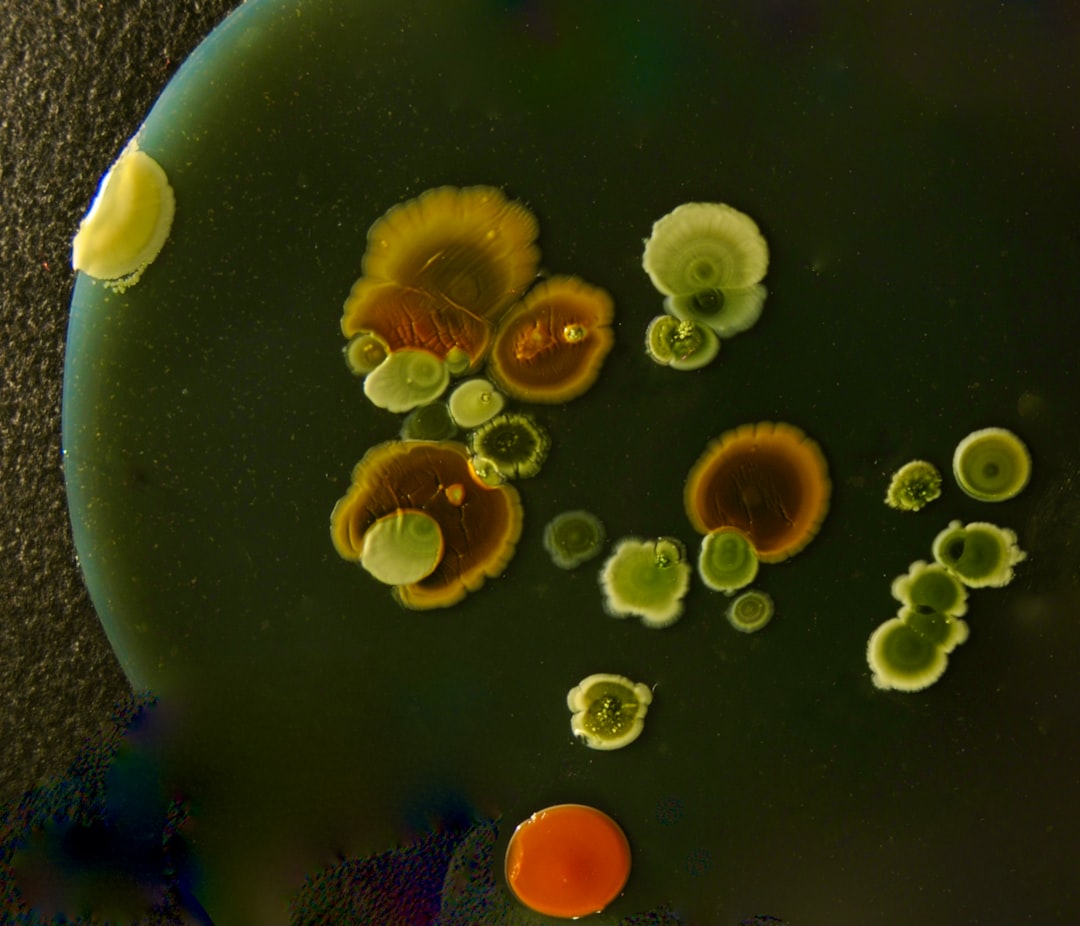
Standard plate counting provides the classical viability assessment. Technicians dilute product samples, spread dilutions on nutrient agar plates, incubate to allow bacterial growth, and count resulting colonies. Each colony theoretically represents one viable bacterial cell from the original sample, allowing calculation of viable cell concentration. This method, whilst labour-intensive, provides reliable viability estimates for culturable bacteria.
Flow cytometry offers faster alternatives, using fluorescent dyes that distinguish living from dead cells. Bacteria are stained, passed single-file through laser beams, and sorted based on fluorescence. Living cells fluoresce differently than dead cells, allowing rapid viability determination. Whilst faster than plate counting, flow cytometry requires expensive equipment and careful calibration.
For spore-forming bacteria like Bacillus species, testing distinguishes total spore counts from viable vegetative cells. Products might contain primarily spores for stability, which germinate after application. Laboratories verify both total spore content and germination capacity, ensuring products provide viable bacteria when needed.
Antimicrobial Effectiveness Testing
The crucial question is whether probiotic bacteria actually suppress pathogens. Multiple test methods assess antimicrobial effectiveness under various conditions, providing evidence that beneficial bacteria can outcompete or inhibit pathogenic species.
Agar Diffusion Assays
Agar diffusion tests provide simple initial screening. Laboratories spread pathogenic bacteria across agar plates, then apply probiotic products to small wells or discs on the plate surface. After incubation, clear zones around product applications—where pathogenic growth is inhibited—indicate antimicrobial activity. Larger zones suggest stronger activity.
This method reveals whether probiotic bacteria produce diffusible antimicrobial compounds like bacteriocins or organic acids. However, it doesn't assess competitive exclusion—the primary mechanism of probiotic action—because the test conditions don't allow realistic competition between species.
Co-Culture Competition Assays
Co-culture experiments more realistically assess probiotic effectiveness. Laboratories mix probiotic and pathogenic bacteria in liquid culture or on surfaces, allowing them to compete directly. After incubation, selective culturing techniques enumerate surviving pathogens, revealing whether probiotic presence reduced pathogenic populations.
Effective probiotics dramatically reduce pathogenic counts in co-culture—often by 90-99% or more—compared to pathogen-only controls. This reduction demonstrates competitive effectiveness: probiotics consume resources pathogens need, produce inhibitory compounds, or otherwise create conditions suppressing pathogenic growth.
Varying initial ratios of probiotics to pathogens reveals dose-response relationships. Higher probiotic concentrations typically provide better pathogenic suppression, informing optimal product application rates. Testing multiple pathogenic species—E. coli, Staphylococcus aureus, Salmonella, and others—demonstrates broad-spectrum effectiveness or reveals species-specific limitations.
Surface Colonisation Testing
Probiotic cleaning's real-world performance depends on bacteria's ability to colonise and persist on surfaces. Laboratories test this using standardised surface materials—stainless steel, plastic, ceramic tiles—that mimic household environments.
Surfaces are treated with probiotic products, allowed to dry, and periodically sampled to quantify bacterial populations. Effective probiotics establish robust populations that persist for days between applications. Testing includes environmental stresses—varying temperature, humidity, or nutritional conditions—to ensure probiotics survive realistic household conditions.
Challenge studies introduce pathogenic bacteria to probiotic-colonised surfaces, assessing whether established beneficial populations resist pathogenic colonisation. These studies most closely simulate real-world scenarios where surfaces are cleaned with probiotics then subsequently contacted by potential contaminants. Successful probiotics prevent or dramatically reduce pathogenic establishment on pre-colonised surfaces.
Biofilm Disruption Testing
Since biofilms represent problematic bacterial communities resistant to conventional cleaning, testing probiotic biofilm disruption proves crucial. Laboratories grow pathogenic biofilms on standardised surfaces, then treat with probiotic products, assessing biofilm reduction.
Crystal violet staining provides simple biofilm quantification. This dye binds to biofilm matrices; after washing away unbound dye, the amount of retained dye—measured spectrophotometrically—indicates biofilm mass. Comparing dye retention on probiotic-treated versus untreated biofilms reveals disruption effectiveness.
More sophisticated methods combine fluorescent staining with confocal microscopy, creating three-dimensional images of biofilm structure. These visualisations reveal how probiotics affect biofilm architecture—whether they degrade matrices, create channels, or prevent new biofilm formation. Time-lapse imaging captures biofilm disruption in real time, documenting probiotic mechanisms.
Testing specifically assesses whether probiotics reduce viable pathogenic bacteria within biofilms, not merely biofilm mass. Some treatments reduce biofilm structure without killing embedded bacteria, providing limited benefit. Effective probiotics should both disrupt biofilm matrices and reduce viable pathogenic populations through competitive exclusion and antimicrobial compound production.
Enzyme Activity Assays
Many probiotic bacteria's cleaning effectiveness stems from enzyme production—proteases, lipases, amylases, and cellulases that degrade organic matter. Laboratories quantify enzyme production and activity to verify cleaning capabilities.
Enzyme assays typically use chromogenic or fluorogenic substrates that change colour or fluoresce when enzymatically cleaved. For protease testing, substrates containing peptide bonds linked to colour markers are mixed with bacterial cultures. Protease activity releases colour markers, creating intensity proportional to enzyme activity. Similar assays test other enzyme classes using appropriate substrates.
These tests verify that product bacteria produce claimed enzymes at sufficient levels for effective cleaning. They can also assess enzyme stability under various pH and temperature conditions, predicting performance across diverse household environments.
Safety Testing
Before products can be recommended for household use, extensive safety testing ensures bacterial strains pose no health risks. Testing includes assessing pathogenic potential, toxin production, and antibiotic resistance.
Pathogenicity Assessment
Laboratories confirm probiotic bacteria belong to species with established safety records and lack virulence factors characteristic of pathogens. Genetic screening identifies potential virulence genes—toxin production, capsule formation, or specialised secretion systems. Their absence confirms low pathogenic potential.
Animal testing, whilst controversial, provides definitive pathogenicity assessment. Candidate probiotic strains are administered to laboratory animals at high doses via various routes. Healthy animals receiving massive bacterial doses without showing illness confirm safety for human exposure at much lower levels encountered during product use.
Antibiotic Resistance Screening
Transferable antibiotic resistance represents a serious concern. Laboratories test probiotic bacteria against panels of antibiotics, ensuring they don't carry resistance genes on mobile genetic elements that could transfer to pathogens. Intrinsic resistance—resistance encoded on chromosomes rather than plasmids—proves less concerning since it cannot readily spread. However, any multi-drug resistance requires careful evaluation before product approval.
Standardisation and Reproducibility
Rigorous testing requires standardised methods that different laboratories can reproduce, generating comparable results. International organisations develop testing standards—specifying bacterial strains, growth conditions, challenge organisms, incubation times, and quantification methods—that laboratories worldwide can follow.
Reproducibility testing confirms results remain consistent across batches, laboratories, and testing dates. Products should show reliable performance not just in one laboratory's hands but consistently across independent testing. This reproducibility provides confidence that product claims reflect genuine, replicable effectiveness rather than statistical flukes or optimised testing conditions.
Field Testing vs. Laboratory Testing
Whilst laboratory testing provides controlled validation, field testing assesses real-world performance. Products effective in laboratories might struggle under actual use conditions with varying application techniques, surface types, environmental conditions, and contamination sources.
Field trials involve applying products in real households, hospitals, or commercial facilities, then monitoring bacterial populations and contamination levels over time. These studies sacrifice experimental control for realistic assessment, revealing whether laboratory-demonstrated effectiveness translates to practical benefit.
Ideally, products should demonstrate both laboratory and field effectiveness. Laboratory studies establish mechanisms and optimise formulations. Field studies confirm practical utility and inform usage recommendations.
Interpreting Claims and Evidence
Understanding testing methods helps evaluate product claims. Phrases like "laboratory tested" mean little without specifics: tested for what, using which methods, with what results? Meaningful claims specify test types—"reduces E. coli by 99% in co-culture assays" or "maintains surface colonisation for 72 hours on stainless steel"—and ideally reference published studies or independent testing.
Published peer-reviewed research provides the highest evidence quality. Independent scientists reviewing study designs and results before publication reduces bias and ensures methodological rigour. Unpublished company testing might be legitimate but lacks independent verification, warranting more scepticism.
Multiple studies using different methods that reach consistent conclusions provide stronger evidence than single studies. If agar diffusion, co-culture competition, surface colonisation, and field trials all demonstrate effectiveness, confidence in product claims increases substantially.
The Ongoing Nature of Validation
Testing doesn't end with initial product approval. Ongoing quality control ensures continued effectiveness as products age, formulations change, or bacterial strains adapt. Batch testing confirms each production run meets specifications. Stability testing assesses how storage conditions and time affect viability and effectiveness.
Additionally, testing evolves as new pathogens emerge or understanding advances. Products might require reevaluation against newly recognised threats or using improved methodologies. This continuous validation maintains high standards and ensures products deliver promised performance throughout their commercial lifetime.