Car interior cleaning with probiotic products addresses dirt accumulation, food and beverage spills, pet contamination, and odours creating unpleasant driving environments. Understanding vehicle-specific cleaning challenges and probiotic application techniques enables maintaining comfortable, hygienic interiors supporting vehicle value and occupant well-being. This guide provides comprehensive approach to probiotic automotive interior maintenance across diverse vehicle types and use patterns.
Interior Contamination Sources and Challenges
Vehicle interiors accumulate contamination from multiple sources including tracked outdoor dirt, food and beverage spills, pet hair and accidents, body oils and sweat, smoking residues, and environmental dust entering through ventilation systems. Daily-use vehicles experience continuous contamination accumulation requiring regular cleaning preventing heavy build-up demanding intensive restoration. Family vehicles with children face particular challenges through snack spills, sticky fingers, and tracked playground dirt creating diverse soil types across seat fabrics, carpets, and hard surfaces.
Confined vehicle environments create odour challenges through limited air exchange allowing accumulation of smells from food, pets, moisture, and materials off-gassing from plastics and fabrics. Summer heat intensifies odours through volatilisation of compounds creating particularly noticeable smells when entering closed vehicles. Conventional air fresheners mask these odours temporarily without addressing sources, requiring repeated applications creating chemical fragrance build-up. Probiotic approaches eliminate odour sources through biological degradation achieving lasting freshness.
Material diversity in vehicle interiors including leather, vinyl, fabric upholstery, carpets, plastics, and specialty finishes requires product selection and technique adaptation preventing damage whilst achieving thorough cleaning. Test probiotic products on inconspicuous areas before treating visible surfaces, particularly for leather and speciality materials. Understanding material-specific requirements enables confident comprehensive interior cleaning maintaining appearance and value.
Dashboard and Hard Surface Cleaning
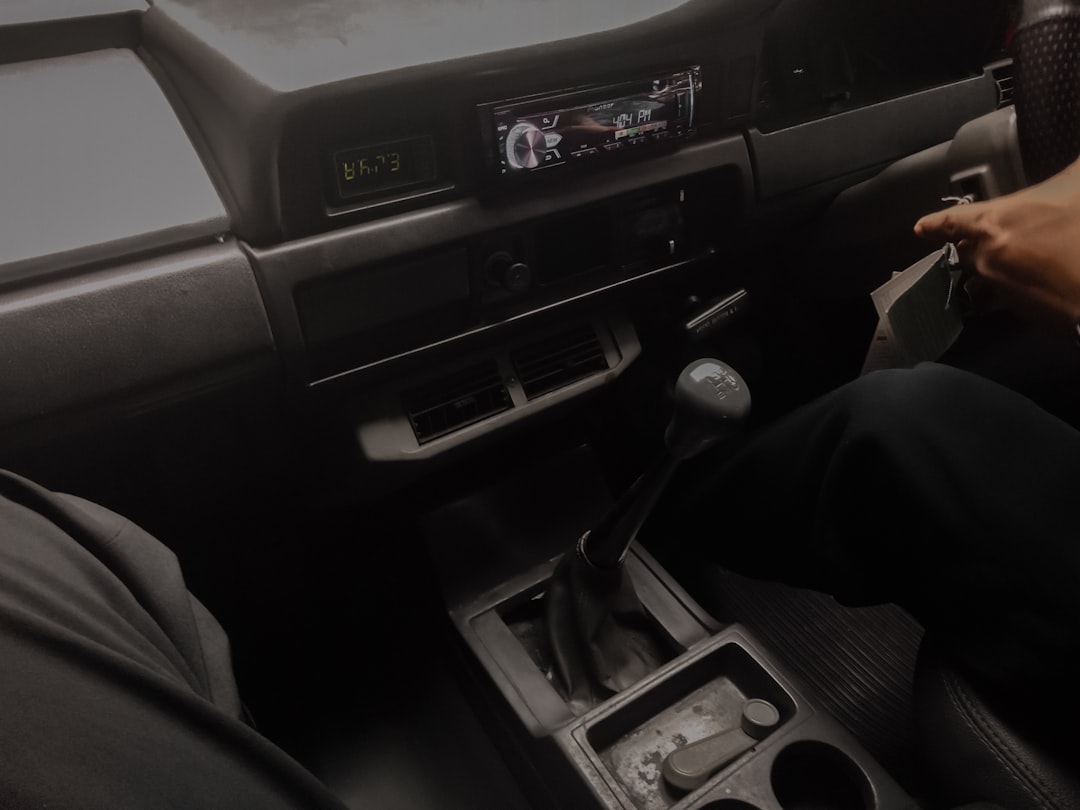
Dashboard, door panels, centre console, and hard trim cleaning removes fingerprints, dust, and residues from food handling and environmental exposure. Apply probiotic interior cleaner or multi-surface product to microfibre cloth rather than directly onto surfaces, preventing liquid seepage into electronic components or vents. Wipe systematically across dashboard working top-to-bottom, front-to-back ensuring complete coverage. Pay particular attention to steering wheel, gear shifter, and door handles receiving high-touch contamination from multiple occupants.
Textured plastic surfaces and crevices around controls, vents, and seams benefit from soft brush agitation during cleaning. Apply probiotic cleaner, gently scrub with soft detailing brush, then wipe with microfibre cloth removing loosened dirt and excess product. This attention to details creates professional-quality results whilst establishing beneficial bacteria in difficult-to-reach areas preventing rapid resoiling. Monthly dashboard and trim cleaning maintains appearance whilst quarterly intensive detailing addresses accumulated contamination in crevices and textured areas.
Glass cleaning inside vehicles follows similar principles to household windows though working in confined spaces with limited access angles. Apply probiotic glass cleaner to microfibre cloth, wipe glass surfaces systematically, then buff with dry cloth achieving streak-free clarity. Roll windows partially down cleaning upper edges often missed during regular wiping. Clean interior rear-view mirror and side mirror backs addressing frequently overlooked surfaces. Clear glass visibility proves essential for driving safety, motivating regular interior glass cleaning as practical safety measure beyond aesthetic considerations.
Fabric Seat and Carpet Cleaning
Fabric upholstery cleaning addresses embedded dirt, stains, odours, and allergen accumulation in porous materials requiring deep treatment. Vacuum seats and carpets thoroughly removing loose debris before liquid cleaning preventing mud formation. Use crevice tools extracting dirt from seams, folds, and gaps between seats and console. This preparatory vacuuming significantly improves subsequent wet cleaning effectiveness whilst preventing loosened debris creating new contamination during treatment.
Apply probiotic upholstery or carpet cleaner to fabric surfaces ensuring adequate moisture without oversaturation creating extended drying times or moisture damage. Work in sections treating manageable areas allowing proper attention before advancing. Agitate product into fabric using soft upholstery brush working cleaner into fibres whilst loosening embedded soils. Blot treated areas with clean microfibre towels extracting dissolved dirt and excess moisture. Repeat application-agitation-blotting cycle for heavily-soiled areas until improvement plateaus.
Extraction cleaning using portable carpet cleaners or shop vacuum wet-dry functions provides deep cleaning capabilities addressing severe contamination. Add probiotic carpet cleaner to machine reservoir per manufacturer instructions. Work systematically across seats and carpets with overlapping passes allowing adequate solution injection and extraction. Change extraction water frequently maintaining effectiveness. Following extraction, position fans or open doors supporting rapid drying preventing mould in damp confined vehicle interior. Allow 6-12 hours drying before normal vehicle use ensuring complete moisture removal.
Leather Cleaning and Conditioning
Leather seat cleaning requires gentle products maintaining material integrity whilst removing body oils, dirt, and contamination from pores and grain. Use probiotic leather cleaner specifically formulated for automotive applications, or pH-neutral probiotic multi-surface product verified safe for leather. Apply product to soft cloth, wipe leather surfaces removing surface contamination. For textured or perforated leather, use soft brush gently working product into grain and perforations extracting embedded dirt.
Following cleaning, wipe leather with clean damp cloth removing product residues. Some probiotic leather cleaners formulated for no-rinse application leaving protective bacterial populations, whilst others require rinsing for optimal leather care. Consult product instructions regarding rinsing requirements. Allow leather air-drying completely before conditioning, ensuring moisture removal preventing issues during subsequent treatments.
Leather conditioning maintains material suppleness preventing cracking, fading, and premature aging from environmental exposure. Use quality leather conditioner following probiotic cleaning, applying thin even layer with applicator pad or cloth. Allow conditioning product absorption (typically 15-30 minutes), then buff with clean cloth removing excess preventing greasy residue attracting dirt. Quarterly leather conditioning combined with monthly probiotic cleaning maintains optimal appearance and longevity of leather upholstery investment.
Stain Treatment and Odour Elimination
Fresh spills require immediate treatment preventing absorption into upholstery or carpet depths creating permanent staining and odours. Blot liquid spills immediately using absorbent towels extracting maximum moisture. Scrape solid spills with plastic card or scraper removing excess before cleaning. Apply probiotic stain remover or carpet cleaner directly to affected area, agitate gently, and blot thoroughly. Repeat as necessary for complete stain removal, treating promptly before setting occurs during vehicle use or heat exposure.
Set stains in vehicle upholstery require intensive probiotic treatment with extended contact time supporting enzymatic degradation. Apply concentrated probiotic stain remover saturating stain thoroughly. Cover with damp towel preventing premature drying, allowing several hours or overnight contact time. Remove towel, agitate stain area with brush, then extract thoroughly using blotting or extraction equipment. Multiple treatment cycles prove necessary for severe stains, with progressive improvement occurring through repeated biological enzyme action impossible to achieve through single cleaning attempts.
Persistent vehicle odours from smoking, pets, spills, or mould require comprehensive interior treatment addressing all contamination sources. Apply probiotic odour eliminator generously to all fabric surfaces including seats, carpets, headliner, and trunk. Treat ventilation system by running fan with probiotic cleaner sprayed near air intake whilst recirculation active, distributing bacteria throughout ductwork. Allow vehicle standing with windows slightly open providing ventilation whilst preventing full drying, supporting bacterial activity. Expect gradual odour improvement over 2-7 days as bacterial populations establish and consume odour sources.
Specialised Interior Areas
Boot and cargo area cleaning addresses dirt from shopping, sporting equipment, pets, and general hauling creating concentrated contamination. Remove cargo organizers, mats, and accessories for separate cleaning. Vacuum boot thoroughly including sidewalls and wheel wells. Apply probiotic carpet cleaner or multi-surface product to all surfaces, scrubbing with brush for textured plastics or carpeting. For vehicles with folding rear seats, clean seat backs and hidden areas accessing boot space. Replace rubber or carpet boot mats only after thorough drying preventing moisture accumulation.
Headliner cleaning requires careful technique preventing excessive moisture causing sagging or staining from water damage. Lightly mist probiotic fabric cleaner onto headliner using minimal product application. Gently blot or wipe with microfibre cloth avoiding aggressive rubbing potentially damaging adhesive backing. Work in small sections ensuring controlled moisture application. Headliner cleaning proves challenging due to overhead position and delicate nature—consider professional service for heavily-soiled headliners or if DIY attempts create concerns about potential damage.
Door panels, pockets, and storage compartments accumulate debris and spills requiring regular emptying and cleaning. Remove items from door pockets and console storage, vacuum loose debris, then wipe surfaces with probiotic cleaner on cloth. Clean cup holders using cotton swabs or small brushes reaching crevices and corners where sticky residues accumulate. These detailed areas significantly impact overall interior cleanliness perception despite representing small surface areas relative to seats and floors.
Preventive Maintenance and Protection
Floor mats and seat covers provide protective barriers simplifying cleaning whilst protecting original upholstery and carpets. All-weather rubber mats capture dirt, mud, and spills preventing carpet contamination whilst enabling easy removal and washing. Wash rubber mats weekly with probiotic cleaner and hose, air-drying before returning to vehicle. Seat covers protect against spills, pet hair, and wear whilst enabling machine washing maintaining freshness. These protective accessories prove particularly valuable for family vehicles, work trucks, or any vehicle experiencing heavy use or harsh conditions.
Regular quick cleanings prevent heavy soil accumulation requiring intensive restoration efforts. Weekly dashboard wipe-downs, monthly vacuum sessions, and prompt spill treatment maintain baseline cleanliness manageable through routine efforts. This preventive approach proves far more time and cost efficient than periodic intensive detailing restoring neglected interiors. Establish regular cleaning schedule matching vehicle use patterns and contamination rates supporting sustained interior condition.
Interior UV protection through window tinting or dashboard covers prevents sun damage to plastics and fabrics whilst reducing heat build-up intensifying odours and material degradation. Park in shade when possible, use windscreen sunshades during hot weather, and consider ceramic window tinting reducing interior temperatures 30-40% whilst protecting from UV damage. These environmental controls complement cleaning efforts through contamination and degradation prevention extending interior life.
Seasonal Deep Cleaning and Maintenance
Spring and autumn deep cleaning addresses seasonal contamination including winter road salt, summer dust, and environmental changes affecting interior conditions. Comprehensive spring cleaning removes winter salt residues damaging carpets and upholstery whilst addressing humidity and mould concerns from melting snow. Vacuum thoroughly, apply probiotic cleaner to all surfaces, extract carpets and upholstery, and treat ventilation system. This reset establishes fresh baseline for summer conditions.
Autumn preparation cleaning removes summer dust and prepares interior for wet winter conditions. Treat any mould or mildew from summer humidity before winter closure intensifies these problems. Apply probiotic treatments establishing bacterial populations preventing off-season odours and contamination in garages or infrequently-used vehicles. This preventive approach proves especially important for seasonal vehicles including convertibles, classic cars, or recreational vehicles experiencing storage periods.
Professional detailing services complement DIY maintenance through specialised equipment and expertise addressing challenging situations or time constraints preventing thorough owner cleaning. Annual or bi-annual professional detailing providing deep extraction cleaning, paint correction, and specialised treatments maintains vehicle value whilst DIY monthly maintenance sustains results between professional services. Request probiotic treatment options when booking detailing, or supply preferred probiotic products if service doesn't offer biological cleaning options. This combined professional-DIY approach optimises results whilst managing costs and vehicle condition.