Workout equipment and gym bag hygiene with probiotic cleaning products addresses intensive contamination from perspiration, body contact, and shared-use bacterial exposure whilst managing odour control and material preservation challenges inherent to athletic equipment. Understanding fitness-specific hygiene requirements, probiotic effectiveness in high-contamination environments, and equipment-appropriate cleaning techniques enables effective sanitation supporting user health and equipment longevity. This guide provides comprehensive framework for probiotic fitness equipment care addressing home gym equipment, portable exercise gear, gym bags, and athletic accessory maintenance.
Understanding Fitness Equipment Contamination
Exercise equipment contamination combines heavy perspiration exposure, prolonged skin contact, and in commercial gym settings shared-use bacterial transfer creating substantial hygiene challenges. Perspiration contains water, salts, trace organic compounds, and bacteria from skin creating ideal conditions for bacterial growth on equipment surfaces. Warm humid gym environments further support rapid bacterial proliferation particularly for equipment receiving inadequate cleaning between users. Research demonstrates gym equipment harbours bacterial concentrations exceeding toilet seats through intensive contamination exposure and frequently inadequate sanitation creating genuine health risks including skin infections, respiratory issues, and gastrointestinal illness transmission.
Common gym-acquired infections include MRSA (methicillin-resistant Staphylococcus aureus) from equipment surface contact, athlete's foot fungus from shower and changing area exposure, and common cold transmission through contaminated hand-to-face contact following equipment use. These infections prove particularly prevalent in commercial gyms with high traffic and variable user hygiene though home gyms demonstrate contamination concerns particularly in multi-user households. Probiotic equipment cleaning addresses these risks through competitive bacterial exclusion reducing pathogenic organism survival whilst establishing protective biofilms on equipment surfaces creating ongoing protection between cleaning sessions.
Material degradation from perspiration salt content, cleaning chemical exposure, and environmental moisture affects equipment appearance, functionality, and lifespan. Perspiration salts corrode metal components, degrade rubber and foam materials, and create fabric staining and odours. Harsh conventional cleaning chemicals accelerate material deterioration particularly for vinyl upholstery, foam grips, and rubber components common in fitness equipment. Probiotic gentle cleaning formulations preserve equipment materials whilst providing effective contamination removal and biological protection supporting equipment investment protection through extended serviceable life.
Gym Equipment Daily Maintenance
Post-workout equipment wiping proves essential daily maintenance preventing contamination accumulation requiring intensive periodic cleaning. Immediately following each equipment use, spray with probiotic multi-surface cleaner or specialized gym equipment cleaner, wiping thoroughly with clean microfibre cloth or disposable paper towel. Address all surfaces contacted during exercise including machine handles, seats, backrests, and frames. This immediate post-use cleaning removes fresh perspiration before drying and adhering whilst applying beneficial bacteria preventing pathogen establishment. Establish non-negotiable habit treating equipment cleaning as integral workout component rather than optional afterthought.
Yoga mat and floor exercise equipment cleaning addresses full-body contact contamination requiring thorough attention. Following yoga or floor exercise sessions, spray mat surface with probiotic multi-surface cleaner allowing 2-3 minute contact time, then wipe with clean cloth. For intensive sweaty practices, consider post-session mat washing—some mats permit full immersion washing with probiotic cleaner, thoroughly rinsing and air drying flat or hung. Clean exercise balls, foam rollers, and floor-contact equipment similarly addressing full surface area contacted during use. This comprehensive floor equipment cleaning maintains hygiene for equipment experiencing intimate body contact during practice.
Cardiovascular equipment maintenance addresses high-touch controls, display screens, and structural components requiring regular cleaning preventing contamination buildup. Clean treadmill, elliptical, or stationary bike handlebars, displays, and seats following each use. Weekly, perform thorough cleaning including frame wiping, belt/track cleaning (for treadmills), and component inspection for wear or contamination requiring attention. Vacuum treadmill motor housing and surrounding floor area removing dust potentially affecting motor cooling and belt operation. This systematic cardiovascular equipment maintenance preserves functionality whilst maintaining hygiene for high-use intensive-sweat equipment.
Weight Equipment and Accessories
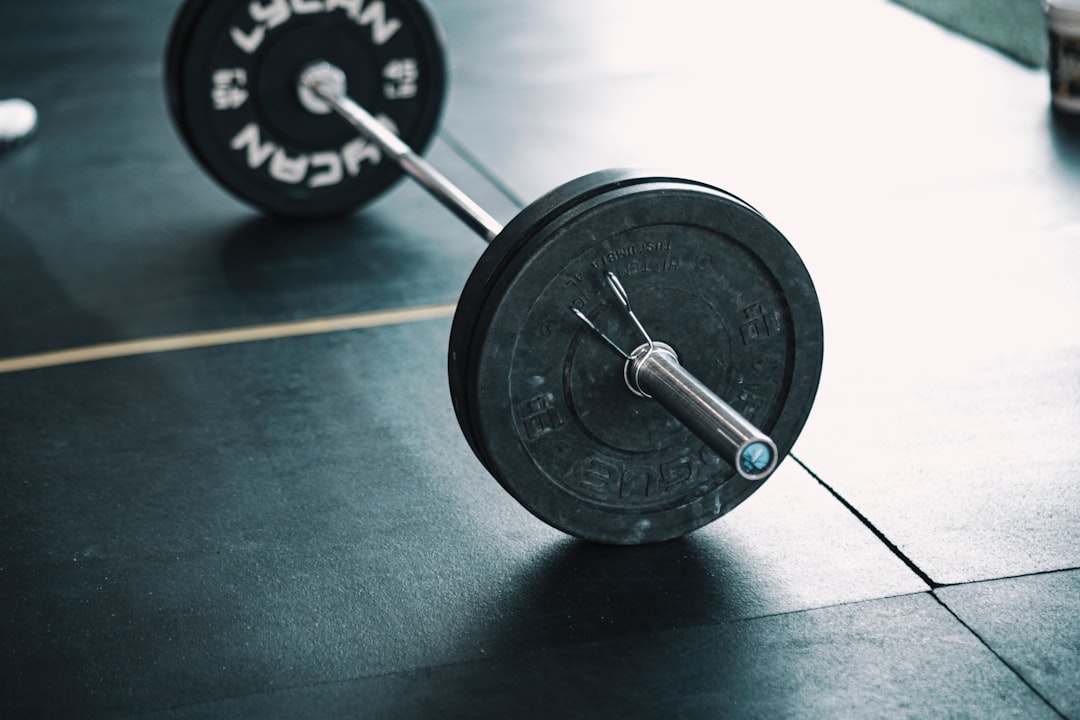
Free weight cleaning addresses contamination from hand grip contact whilst managing diverse material types including metal, rubber, and composite coatings. Wipe dumbbells, barbells, and weight plates weekly or following intensive use with probiotic multi-surface cleaner on cloth. For textured grip surfaces, use soft brush with cleaner addressing contamination in surface texture. Inspect weights for rust or coating damage, addressing early corrosion with rust remover and protective coating application preventing progression. This weight cleaning maintains hygiene and equipment condition particularly important for quality free weights representing substantial investment deserving protective maintenance.
Resistance band and suspension trainer cleaning addresses flexible equipment experiencing intensive sweat exposure and hand contact. Wipe resistance bands, tubes, and suspension trainer straps following each use with probiotic cleaner preventing perspiration absorption potentially degrading materials and creating odours. Inspect regularly for material wear, cracks, or weakness requiring replacement preventing failure during use creating injury risks. Store resistance equipment hanging or laid flat in dry area preventing deformation from improper storage. This resistance equipment care maintains functionality and safety for portable versatile training tools experiencing intensive use and contamination exposure.
Kettlebell and specialised equipment cleaning addresses unique designs and material combinations. Clean kettlebells similarly to dumbbells, paying attention to handle areas experiencing heaviest grip contact. For specialised equipment including medicine balls, slam balls, or Bulgarian bags, clean all surfaces contacted during use with appropriate probiotic formulation for specific material (leather, synthetic, rubber). Inspect specialized equipment regularly for wear or damage given often intensive use patterns potentially accelerating deterioration. This specialized equipment maintenance preserves investment in quality training tools whilst maintaining sanitation for diverse exercise applications.
Bench and Upholstered Equipment Care
Weight bench and upholstered equipment cleaning addresses vinyl or leather surfaces experiencing direct body contact and heavy perspiration exposure. Daily post-use wiping with probiotic multi-surface cleaner removes fresh perspiration preventing absorption and staining. Weekly deep cleaning using intensive probiotic application with 5-10 minute contact time before wiping addresses accumulated contamination in material texture and seams. Inspect upholstery for tears, seam separation, or foam exposure requiring repair preventing contamination infiltration and material degradation. Apply vinyl or leather conditioner quarterly maintaining material suppleness and water resistance supporting longevity and cleanability.
Seam and crevice cleaning in upholstered equipment prevents contamination accumulation in difficult-access areas creating odour sources and material degradation. Use cotton swabs or soft brush with probiotic cleaner addressing bench seams, adjustment mechanism crevices, and frame junctions where perspiration accumulates. This detailed cleaning prevents hidden contamination contributing to persistent odours despite surface cleaning efforts whilst addressing moisture accumulation potentially corroding metal frames or degrading adhesives securing upholstery.
Protective covering use including workout towels or disposable bench covers reduces direct equipment contamination simplifying cleaning whilst extending upholstery life. Place towel on bench surfaces during use creating barrier between perspiration and upholstery. Wash workout towels after each use with probiotic laundry detergent maintaining freshness and hygiene. This protective approach reduces cleaning frequency requirements whilst preserving upholstery appearance and condition particularly valuable for expensive commercial-grade home equipment justifying protection investment through extended serviceability.
Gym Bag and Athletic Gear Storage
Gym bag deep cleaning addresses accumulated moisture, contamination from sweaty clothing and equipment, and odour development requiring monthly attention. Empty bag completely, shaking out debris and loose contamination. For machine-washable bags, wash in washing machine using probiotic laundry detergent, air drying completely before use. For non-washable bags, wipe interior and exterior thoroughly with probiotic multi-surface cleaner, paying particular attention to corners, pockets, and bottom areas accumulating contamination. Allow complete drying before reloading bag. This regular bag cleaning prevents persistent odours and contamination transfer between workouts maintaining overall athletic gear hygiene.
Athletic shoe storage and transport within gym bags requires strategic management preventing odour transfer and contamination spread. Store worn athletic shoes in separate ventilated shoe bag or compartment within gym bag preventing direct contact with clean clothing or equipment. Remove shoes from gym bag immediately upon returning home, allowing airing in well-ventilated area before next use. Apply probiotic shoe deodorizer to athletic shoes following intensive workouts establishing beneficial bacteria controlling foot odour whilst shoes dry between uses. This strategic shoe management addresses primary gym bag odour source whilst preventing contamination of other bag contents.
Wet clothing and towel management prevents moisture retention supporting bacterial growth and odour development in gym bags. Remove sweaty workout clothing and towels from gym bag immediately upon arriving home, washing or hanging to dry preventing extended moisture exposure in sealed bag environment. Consider separate wet/dry bag compartments or waterproof wet bags containing damp items preventing moisture transfer to dry clean clothing. These moisture management practices prove essential for odour control and hygiene maintenance particularly for individuals unable to shower immediately post-workout requiring storage of sweaty clothing during commutes or throughout workday.
Water Bottles and Hydration Equipment
Water bottle daily cleaning prevents biological growth in moist environments providing ideal conditions for bacterial and mould proliferation. Following each use, disassemble bottle components (lids, straws, seals), washing all pieces with warm water and probiotic dish soap. Use bottle brush accessing narrow bottle interiors and component crevices. Rinse thoroughly, then air dry completely with components separated before reassembly and storage. This comprehensive daily washing prevents contamination buildup requiring intensive cleaning or bottle replacement from persistent odour or biological growth.
Sports bottle deep cleaning addresses mineral deposits from hard water or sports drink residues plus mould growth in seals and difficult-access areas. Weekly, soak disassembled bottle components in white vinegar or probiotic cleaner solution for 15-30 minutes, then scrub with bottle brush and rinse thoroughly. Inspect seals, straws, and bite valves for mould or residue buildup, replacing components if cleaning proves inadequate or damage apparent. Allow complete overnight drying with components separated ensuring no trapped moisture supporting biological growth. This intensive weekly cleaning maintains bottle hygiene and functionality particularly important for bottles used daily in athletic contexts with heavy contamination exposure.
Hydration pack and reservoir maintenance for cycling, running, or hiking addresses unique challenges from large water volume storage and tube delivery systems. Following each use, empty reservoir completely, rinse thoroughly, and hang inverted with opening expanded enabling interior drying. Weekly, clean reservoir interior using specialized cleaning tablets or probiotic cleaner, scrubbing with soft brush. Clean delivery tube by filling with cleaning solution, allowing flow through system, then rinsing thoroughly. Dry tube using tube-drying devices or hanging vertically enabling drainage. Store hydration systems disassembled in freezer preventing biological growth during storage periods. This specialized hydration equipment care maintains hygiene and functionality for endurance athletic equipment experiencing intensive use in demanding environments.
Odour Control and Prevention
Immediate post-workout cleaning proves most effective odour prevention strategy removing fresh perspiration before bacterial decomposition creates characteristic athletic equipment odours. Establish non-negotiable routine cleaning all equipment, shoes, and bag items immediately following workouts before perspiration dries adhering to materials. This immediate action prevents odour development requiring intensive treatment whilst establishing beneficial bacteria through regular probiotic application creating biological protection against odour-producing organism establishment.
Probiotic spray application between intensive cleaning sessions maintains beneficial bacterial populations suppressing odour production whilst degrading organic residues. Spray equipment, shoes, and bag interior with probiotic multi-surface cleaner or specialized deodorizer following uses where immediate thorough cleaning proves impractical. Allow air drying before storage or next use. This interim probiotic treatment supplements rather than replaces thorough cleaning providing enhanced odour control for high-use equipment or intensive training schedules generating heavy contamination between possible deep cleaning sessions.
Ventilation and drying optimization prevents moisture retention supporting bacterial growth and odour development. Store equipment, shoes, and bags in well-ventilated areas rather than sealed closets or confined spaces. Open gym bag upon returning home enabling air circulation. Remove insoles from athletic shoes drying separately from shoes. Use fans or dehumidifiers in dedicated equipment storage areas reducing ambient humidity. These environmental controls complement cleaning efforts through condition optimization preventing moisture-dependent bacterial activity and odour generation regardless of cleaning thoroughness.
Shared Equipment Hygiene Protocols
Commercial gym equipment hygiene requires personal responsibility supplementing variable facility cleaning through individual equipment wiping before and after use. Wipe equipment before use removing previous user contamination protecting personal health, then clean following personal use maintaining courtesy and community hygiene. Carry personal probiotic cleaning wipes or spray enabling consistent equipment cleaning regardless of facility-provided supplies availability or quality. This proactive approach protects individual health whilst contributing to overall gym hygiene benefiting entire member community.
Home gym multi-user equipment management establishes cleaning expectations ensuring all household users maintain equipment hygiene. Post visible cleaning reminders near equipment, stock adequate cleaning supplies in exercise area, and establish family norms around immediate post-use equipment cleaning. Lead by example demonstrating consistent cleaning routine encouraging household members to adopt similar practices. This shared responsibility approach maintains home gym hygiene whilst building collective awareness about equipment maintenance and personal responsibility for shared spaces.
Loaner or borrowed equipment cleaning protocols address situations sharing equipment with friends, training partners, or through equipment rental or trial programmes. Thoroughly clean borrowed equipment before use addressing previous user contamination, maintain excellent hygiene during personal use period, then deep clean before return ensuring equipment returns in excellent condition. This respectful equipment handling demonstrates consideration whilst protecting personal health and equipment investment creating positive relationships supporting future equipment sharing or borrowing opportunities.
Material-Specific Care Considerations
Rubber and foam grip care addresses materials experiencing intensive hand contact and perspiration exposure whilst demonstrating vulnerability to degradation from contamination and harsh chemicals. Clean rubber grips with probiotic multi-surface cleaner avoiding petroleum-based products potentially degrading rubber compounds. For foam grips demonstrating odour or heavy contamination, consider replacement given porous material difficulty accepting thorough cleaning. Rotate equipment enabling use variety reducing individual item wear whilst extending overall equipment lifespan through distributed usage patterns.
Metal component care prevents corrosion from perspiration salt content whilst maintaining appearance and functionality. Wipe metal components thoroughly removing all perspiration following each use preventing salt deposit formation. Apply light machine oil or protective coating to susceptible metal components including bar knurling, weight plate edges, and frame joints preventing rust development. Address early rust formation immediately using rust remover and protective treatment preventing progression requiring component replacement. This metal maintenance proves particularly important in humid environments or coastal regions where corrosion develops rapidly on inadequately-maintained metal equipment.
Electronic fitness equipment including digital displays, sensors, and integrated entertainment systems requires electronics-appropriate cleaning preventing moisture damage. Clean electronic components using electronics-specific probiotic cleaner on barely-damp microfibre cloth avoiding moisture in screens, ports, or control panels. Never spray cleaner directly onto electronic equipment components. Consult equipment manuals for manufacturer cleaning recommendations ensuring warranty compliance whilst protecting expensive electronic fitness equipment through appropriate maintenance procedures.
Sustainable Athletic Equipment Care
Equipment longevity through excellent maintenance reduces consumption and waste whilst maximizing fitness investment value. Quality fitness equipment lasts decades with proper care whilst neglected equipment requires premature replacement creating expense and environmental waste. Implement systematic cleaning routines, address minor repairs promptly preventing major failures, and store equipment properly protecting from environmental damage. This maintenance-oriented approach supports sustainability values whilst improving equipment economics through extended serviceable life despite higher initial time investment in care routines.
Eco-friendly cleaning product selection including probiotic formulations supports environmental values whilst maintaining effective equipment hygiene. Avoid harsh conventional gym cleaners containing volatile organic compounds, persistent chemicals, or single-use wipe packaging creating unnecessary waste. Select concentrated probiotic cleaners in recyclable packaging, use reusable microfibre cloths versus disposable paper towels, and choose refillable spray bottles reducing plastic consumption. These environmentally-conscious choices align fitness lifestyle with broader sustainability values creating consistency between personal health focus and planetary health responsibility.
Repair versus replacement consideration extends equipment life reducing waste whilst often proving economical compared to new equipment purchases. Assess damaged equipment for repair viability—reupholstering weight benches, replacing resistance bands, or servicing cardiovascular machines often costs substantially less than replacement whilst preserving familiar comfortable equipment. Locate qualified fitness equipment repair services or develop DIY repair skills addressing common issues. This repair-oriented mindset reduces consumption whilst maintaining functional equipment supporting continued fitness pursuit without unnecessary expense or waste.