Pet ownership creates unique cleaning challenges through urine accidents, faecal contamination, vomit, muddy paws, and persistent odours requiring specialised treatment approaches. Probiotic cleaning products address these challenges through biological degradation of organic waste materials and odour compounds whilst remaining safe for pets and effective on diverse surfaces. Understanding pet-specific cleaning requirements and probiotic application techniques enables maintaining clean, fresh homes alongside beloved animal companions.
Understanding Pet Odour Chemistry
Pet urine contains urea, uric acid, creatinine, ammonia, and various salts creating complex odour profiles developing over time as bacterial degradation occurs. Fresh urine exhibits mild ammonia odour, whilst aged urine produces increasingly strong smells as bacteria metabolise urea into ammonia and other volatile compounds. Uric acid crystallises upon drying, creating persistent odour sources reactivated by moisture exposure—explaining why pet accident areas smell worse during humid weather or after cleaning attempts using conventional products.
Male dog and cat urine contains particularly high concentrations of territorial marking compounds including pheromones and proteins creating powerful odours difficult to eliminate through conventional cleaning. These compounds bind to surfaces and penetrate porous materials including carpet backing, wood flooring, and upholstery padding requiring deep treatment reaching contamination sources. Surface cleaning alone proves insufficient, necessitating penetrating treatments addressing embedded contamination.
Probiotic cleaners excel at pet odour elimination through bacterial enzyme production breaking down uric acid crystals, proteins, and organic compounds into odourless substances. Unlike conventional cleaners merely masking odours temporarily, probiotic treatment eliminates odour sources through complete biological degradation. This fundamental difference explains superior long-term results with probiotic pet cleaning compared to repeated conventional product applications providing only temporary relief.
Urine Accident Treatment Protocols
Fresh urine accidents require immediate action maximising contamination removal before absorption into flooring or fabric depths. Blot liquid urine using absorbent towels or paper, applying pressure extracting maximum moisture. Avoid rubbing, which spreads contamination and forces urine deeper into materials. Continue blotting with fresh towels until minimal moisture transfers, potentially using 5-10 towels for large accidents. This mechanical removal eliminates 70-90% of contaminants before cleaning product application.
Apply probiotic pet odour eliminator generously to affected area, ensuring saturation matching original urine penetration depth. For carpet accidents, treat beyond visible stain boundaries by 10-15cm, addressing lateral urine migration during absorption. Allow 10-15 minute contact time for initial surfactant action and bacterial activation. Blot treated area extracting dissolved contaminants and excess product. Repeat application-blotting cycle for severe accidents until area appears clean and odour-free whilst wet.
Cover treated area with damp towel weighted with heavy object (books, bricks), allowing overnight contact supporting deep bacterial penetration and enzymatic action. This extended treatment proves particularly important for carpet and upholstery where urine penetrates to backing or padding. Following overnight treatment, remove towel, allow complete drying (12-24 hours), then assess results. Persistent odour after drying indicates incomplete treatment requiring repeat application focusing on deeper penetration.
Set Stain and Old Accident Treatment
Old pet accidents discovered through odour or UV light detection require intensive probiotic treatment addressing dried contamination deeply embedded in materials. Rehydrate dried urine stains by saturating with water, allowing 5-10 minutes moisture absorption before probiotic application. This rehydration enables probiotic penetration to contamination depth whilst softening crystallised uric acid for enzymatic attack. For severe cases, use warm (not hot) water accelerating uric acid dissolution.
Apply concentrated probiotic pet odour eliminator (undiluted or 1:2 dilution) ensuring complete saturation of contaminated area. Inject probiotic solution under carpet using syringe without needle for deep backing and pad treatment when surface application proves insufficient. Allow extended contact time (12-24 hours) supporting thorough biological degradation of aged contamination resistant to conventional treatments. Multiple treatment cycles over several days prove necessary for severe long-term accidents creating substantial contamination.
Professional extraction following probiotic treatment removes degraded contamination, bacterial waste products, and excess moisture accelerating results for severe accidents. Rent carpet cleaning machine or hire professional service, explaining probiotic pre-treatment to avoid chemical cleaner application killing beneficial bacteria. Extract treated area thoroughly, then apply final probiotic treatment re-establishing bacterial populations providing ongoing odour control. This combined approach delivers maximum effectiveness for challenging old accident situations.
Hard Surface Pet Cleaning
Tile, vinyl, and sealed wood flooring with pet accidents benefit from probiotic treatment preventing urine seepage into grout, seams, or finish cracks creating persistent odour sources. Clean visible contamination with probiotic multi-surface or pet-specific cleaner, then apply generous product application to grout lines and floor edges where urine accumulates. Allow 15-30 minute contact time before wiping, enabling bacterial penetration into porous grout and edge gaps.
Unsealed or damaged wood flooring presents particular challenges through urine absorption into wood fibres creating deep contamination and potential permanent staining. Treat immediately upon accident discovery, flooding area with probiotic pet cleaner and allowing extended contact (1-2 hours) supporting wood penetration. Wipe excess product and allow complete drying before assessing results. Severe wood contamination may require professional refinishing if biological treatment proves insufficient, though probiotic intervention prevents many cases reaching this severity.
Concrete basement, garage, or outdoor areas with pet contamination require alkaline-tolerant probiotic formulations maintaining activity in high-pH concrete environments. Apply probiotic pet cleaner generously, scrubbing with stiff brush driving bacteria into concrete pores. Allow drying without rinsing, supporting bacterial establishment within concrete. Repeat treatments weekly for 3-4 weeks establishing robust populations degrading accumulated contamination in porous concrete structure. This persistence pays dividends through progressive odour elimination impossible with conventional concrete cleaners.
Upholstery and Bedding Treatment
Pet furniture accidents require careful treatment balancing thorough contamination removal against moisture damage risks to upholstery and interior padding. Test probiotic pet cleaner on inconspicuous area verifying colour-fastness before treating visible locations. Apply product using spray bottle in controlled quantities, working in small sections. Blot thoroughly extracting dissolved contamination and excess moisture preventing padding saturation supporting mould growth.
Removable cushion covers laundered with probiotic laundry detergent plus probiotic pet odour additive achieve excellent contamination removal through mechanical washing action and biological treatment. Use warm or cold water (check fabric care labels) with extended wash cycle supporting thorough contamination removal. Air dry covers if possible, as heat drying may set any remaining stains. Treat non-removable padding with probiotic pet cleaner using injection method for deep penetration, followed by fan-assisted drying preventing moisture problems.
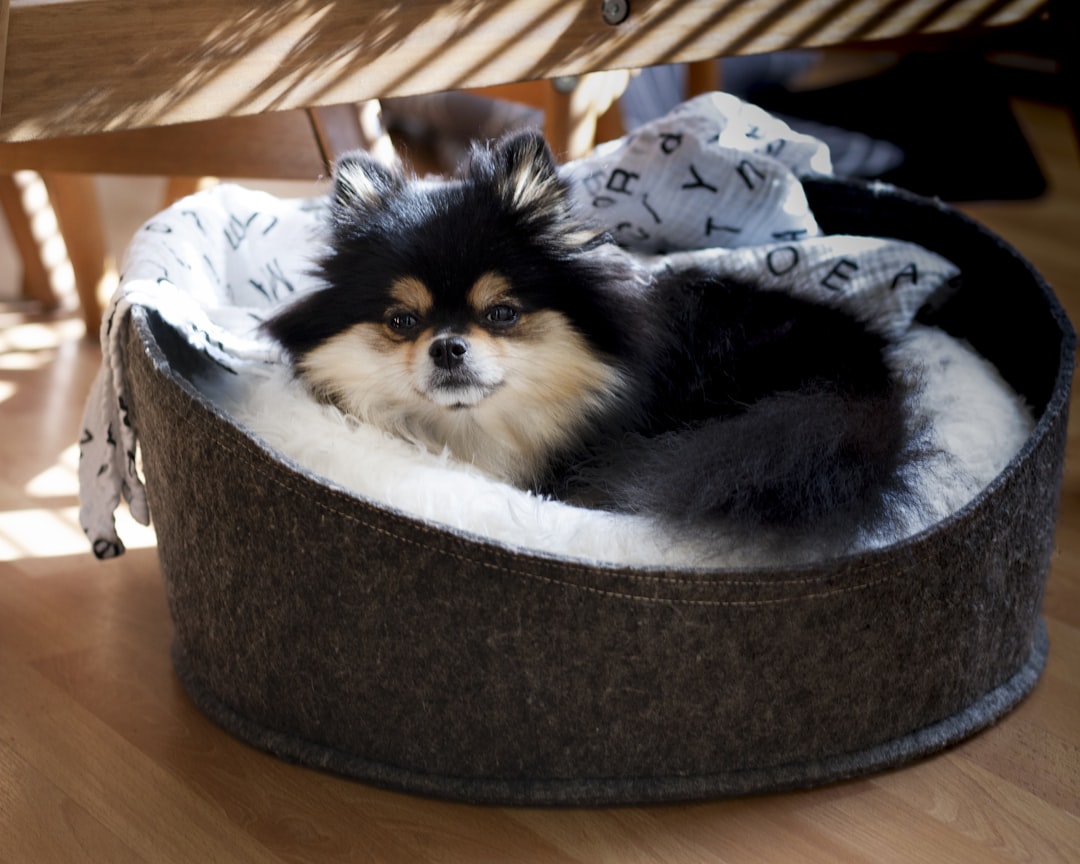
Pet bedding including dog beds, cat trees, and blankets require weekly washing with probiotic products maintaining freshness despite constant pet contact. Machine wash with probiotic laundry detergent, adding 100-200ml probiotic pet odour eliminator to wash cycle for enhanced biological action. These combined products address embedded pet oils, dander, and odours accumulating even without accidents. Air drying in sunlight provides natural disinfection whilst avoiding dryer heat potentially damaging some pet bedding materials.
Litter Box and Cage Maintenance
Cat litter boxes benefit from probiotic treatment controlling odours while remaining safe for feline use. Daily scooping removes solid waste, whilst weekly complete litter changes provide opportunities for box cleaning. Wash emptied litter box with probiotic pet cleaner, scrubbing all surfaces and corners. Rinse if desired (or skip rinsing allowing bacterial establishment), then dry completely before refilling with fresh litter. Some cat owners sprinkle probiotic powder products under litter layer, though this requires products specifically formulated for this application avoiding dust irritating cats.
Small animal cages including rabbits, guinea pigs, hamsters, and birds require gentle cleaning safe for sensitive species whilst controlling odours from concentrated waste in confined spaces. Probiotic pet cleaners formulated without harsh chemicals or strong fragrances suit these applications. Remove animals before cleaning, wash cage components with diluted probiotic cleaner, rinse thoroughly, and dry completely before returning animals. Weekly cage cleaning with probiotic products maintains healthier environments through odour control and reduced pathogenic bacteria presence.
Reptile and amphibian enclosures demand careful cleaning avoiding residues harmful to sensitive species whilst controlling odours from waste and humid conditions. Use fragrance-free probiotic cleaners, rinse thoroughly, and ensure complete drying before reintroducing animals. Consult species-specific care guides or veterinarians regarding cleaning product safety, as individual species demonstrate varying sensitivities. When approved, probiotic cleaning provides superior odour control compared to water-only cleaning whilst avoiding harsh chemical risks.
Vehicle and Carrier Cleaning
Vehicle interiors with pet accidents, muddy paws, or general pet odour accumulation require thorough probiotic treatment addressing contamination in carpeting, upholstery, and hard surfaces. Treat accidents following same protocols as household carpets: blot fresh accidents, saturate with probiotic pet cleaner, allow extended contact, and extract thoroughly. Vehicle carpet often features rubber backing enabling deeper saturation without floor damage concerns, though ensuring complete drying prevents mould in enclosed vehicle environment.
Pet carriers used for veterinary visits or travel accumulate odours from pet stress, accidents, and general use requiring regular cleaning. Disassemble carriers completely, washing all components with probiotic pet cleaner. Soak plastic bases in probiotic solution for 30-60 minutes addressing embedded odours in textured plastic. Launder fabric components with probiotic laundry products. Air dry all parts completely in sunlight providing odour control and natural disinfection before storage or reuse.
Pet car seat covers and blankets protecting vehicle upholstery require weekly laundering with probiotic products maintaining freshness despite constant pet contact and outdoor exposure. These protective barriers simplify vehicle cleaning whilst enabling easy maintenance through machine washing. Investment in quality washable pet vehicle accessories combined with probiotic laundering creates sustainable solution for pet transportation cleanliness.
Outdoor Area Treatment
Garden areas, patios, and concrete surfaces with pet waste contamination benefit from probiotic treatment controlling odours whilst supporting environmental safety through biodegradable formulations. Hose solid waste before applying probiotic outdoor cleaner to affected areas. Scrub with stiff brush driving bacteria into surface pores, then allow drying without rinsing supporting bacterial establishment. Repeat weekly for several weeks addressing accumulated contamination from regular pet use.
Artificial turf installations popular for pet areas accumulate urine creating odour challenges in materials designed for drainage but lacking natural soil bacteria degrading waste. Rinse turf regularly removing solid waste and diluting urine. Apply probiotic pet odour eliminator monthly or as needed, working product into turf backing with brush or broom. Allow bacteria establishing within turf structure providing ongoing odour control. Some probiotic products specifically formulated for artificial turf applications optimise pH and formulation for synthetic materials.
Kennel and outdoor enclosure cleaning with probiotic products maintains healthier environments for pets whilst controlling odours affecting neighbours or household. Pressure wash enclosures removing solid contamination, then apply probiotic kennel cleaner to all surfaces. Allow drying supporting bacterial colonisation. Regular probiotic treatment (weekly for heavily-used enclosures, bi-weekly for occasional use) prevents odour accumulation whilst reducing pathogenic bacteria through competitive exclusion by beneficial species. This approach proves particularly valuable for multi-dog households with substantial outdoor containment areas.
Prevention and Training Support
Probiotic cleaning plays unexpected role in pet training through complete odour elimination removing scent markers encouraging repeat accidents in same locations. Conventional cleaners leaving residual odours signal pets that locations remain acceptable toileting areas despite owner disapproval. Complete probiotic odour elimination removes these cues supporting house-training efforts. Combine thorough probiotic cleaning with positive reinforcement training achieving faster house-training success.
Enzymatic odour elimination proves essential for preventing territorial marking behaviours in multi-pet households. Male dogs and cats detecting other animals' urine markers respond with territorial marking establishing dominance. Probiotic treatment eliminating urine odours completely disrupts this cycle, reducing marking behaviours particularly when combined with behavioural training and environmental management. This application demonstrates cleaning product selection influences pet behaviour beyond simple hygiene considerations.
Regular probiotic cleaning of pet areas including food bowls, water dishes, and favourite resting spots maintains healthier environments reducing odours triggering marking or anxiety responses. Weekly probiotic treatment of these areas establishes routines supporting overall household cleanliness whilst creating odour-neutral environments reducing stress-related behaviours in sensitive pets. This holistic approach to pet area maintenance demonstrates cleaning integration into broader pet care and household management strategies.