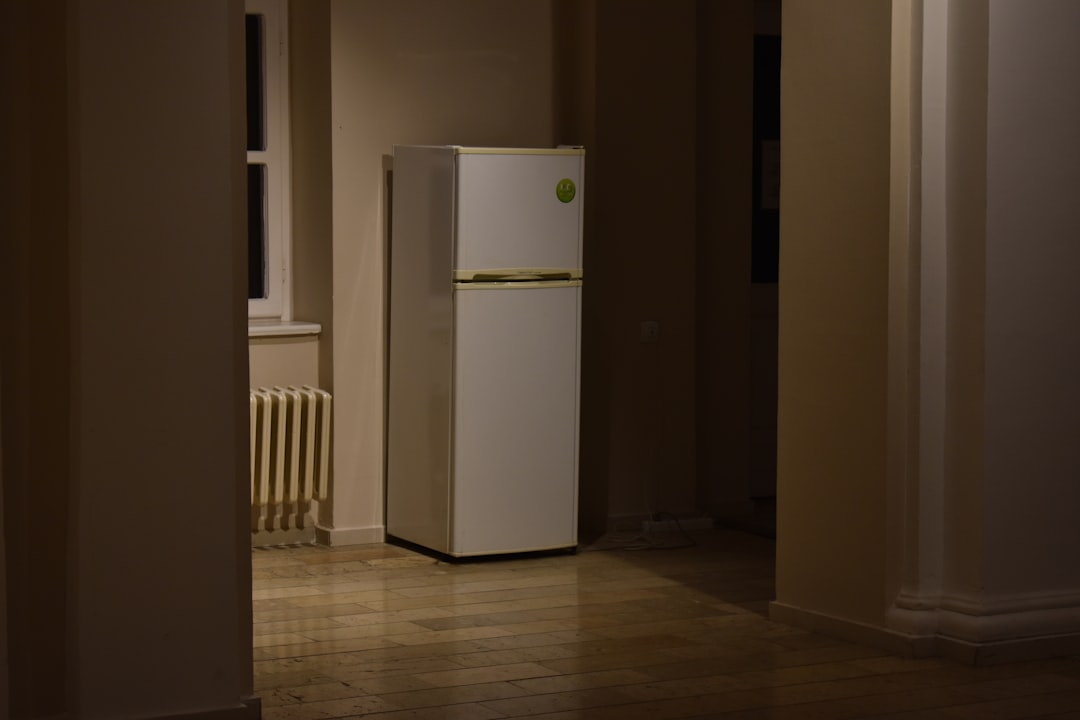
Refrigerator and freezer maintenance with probiotic cleaning products addresses food safety, odour control, energy efficiency, and appliance longevity through contamination removal, beneficial bacterial establishment, and systematic care routines. Understanding refrigeration-specific cleaning requirements, temperature considerations affecting probiotic effectiveness, and comprehensive maintenance schedules enables optimal appliance performance supporting household food preservation and safety. This guide provides thorough framework for probiotic refrigeration appliance care addressing interiors, exteriors, components, and common maintenance challenges.
Food Safety and Refrigeration Hygiene
Refrigerator contamination sources include spoiled food residues, raw meat drips, unwashed produce soil, and cross-contamination from packaging creating pathogen risks including Listeria, Salmonella, and E. coli capable of growth even at refrigeration temperatures. Regular cleaning removes contamination sources whilst probiotic treatment establishes beneficial bacterial populations competing with pathogens for limited nutrients in cold environments. This dual cleaning-biological approach provides superior food safety compared to chemical-only cleaning eliminating immediate contamination without establishing ongoing protective populations.
Temperature impacts on probiotic bacterial activity require consideration—most beneficial bacteria demonstrate reduced but continued activity at refrigeration temperatures (2-4°C) whilst freezer temperatures (-18°C) essentially halt bacterial metabolic activity. Probiotic refrigerator cleaning provides ongoing benefits through continued bacterial presence and limited activity, whilst freezer probiotic treatment offers primarily immediate surfactant cleaning with minimal bacterial colonisation benefits. Despite temperature limitations, probiotic approaches prove safe and effective for refrigeration appliances through food-safe bacterial strains and non-toxic surfactant formulations suitable for food storage environments.
Cross-contamination prevention through strategic food storage, leak-proof packaging, and segregated cleaning practices maintains refrigerator hygiene despite inevitable contamination from daily use. Store raw meats on lowest shelves preventing drip contamination of ready-to-eat foods below. Use sealed containers for leftovers and prepared foods preventing odour transfer and contamination exposure. Maintain separate cleaning cloths for refrigerator interiors versus general kitchen use preventing kitchen contamination transfer into food storage areas. These practices complement probiotic cleaning through contamination source control enhancing overall food safety beyond cleaning action alone.
Routine Refrigerator Cleaning Schedule
Weekly spot cleaning addresses fresh spills, expired food removal, and general tidying maintaining ongoing cleanliness without extensive effort. Remove obviously expired or spoiled items, wipe fresh spills immediately with probiotic multi-surface cleaner, and reorganise misplaced items returning to appropriate locations. This brief weekly maintenance prevents major contamination accumulation and odour development requiring intensive deep cleaning interventions. Invest 5-10 minutes weekly preventing 1-2 hour quarterly deep cleaning marathons whilst maintaining continuous food safety and freshness.
Monthly deep cleaning provides thorough contamination removal and probiotic bacterial establishment throughout refrigerator interior. Remove all contents, discarding expired items whilst inspecting packaging integrity and food quality. Remove shelves, drawers, and removable components, washing in sink with warm water and probiotic dish soap. Wipe interior surfaces including walls, ceiling, door interior, and fixed components with probiotic multi-surface cleaner, paying particular attention to corners, seals, and drain areas. Allow cleaned surfaces to air dry whilst probiotic bacteria establish, then reassemble and reload refrigerator with organised clean food items.
Quarterly comprehensive maintenance includes deep cleaning plus exterior cleaning, coil servicing, drain clearing, and seal inspection maintaining overall appliance condition beyond interior hygiene alone. Clean exterior surfaces including doors, handles, and top using probiotic multi-surface cleaner. Vacuum refrigerator coils (rear or bottom-mounted) removing dust restricting heat dissipation and reducing efficiency. Clear drain tube and drip pan using probiotic cleaner preventing clogs and odours. Inspect door seals for damage or contamination, cleaning with probiotic cleaner and replacing if deteriorated. This comprehensive quarterly service maintains appliance performance whilst establishing probiotic populations throughout accessible components.
Deep Cleaning Detailed Procedure
Content removal and organisation during deep cleaning provides opportunity for food inventory, expiration checking, and storage optimisation. Empty entire refrigerator contents into coolers with ice packs maintaining cold chain during cleaning (particularly important for extended cleaning sessions). Group items by category during removal, discarding expired products whilst identifying items requiring prompt consumption before spoilage. This organisation improves post-cleaning reload efficiency whilst reducing food waste through enhanced visibility of existing inventory preventing forgotten items spoiling unnoticed.
Component washing of removable shelves, drawers, bins, and door storage provides thorough cleaning impossible while installed. Wash components in sink using warm water with probiotic dish soap, scrubbing to remove stuck residues and staining. For glass shelves with dried spills, soak in warm soapy water 15-30 minutes loosening residues before washing. Plastic components tolerate higher temperatures though avoid extremely hot water potentially warping materials. Rinse thoroughly, then allow air drying while components establish beneficial bacteria from probiotic soap residues creating protective populations active upon reinstallation.
Interior surface wiping with probiotic multi-surface cleaner addresses walls, ceiling, door interior, and fixed components removing contamination whilst establishing beneficial bacterial populations. Use clean cloth or sponge with probiotic cleaner, systematically working from top to bottom preventing drips onto cleaned areas. Address corners, crevices around door seal, and any visible contamination or staining with concentrated cleaner or extended contact time. For stubborn residues, create paste from bicarbonate of soda and probiotic cleaner, applying to affected areas allowing 15-30 minute contact time before wiping. This thorough interior treatment removes accumulated contamination whilst creating biological protection against future rapid recontamination.
Odour Control and Prevention
Refrigerator odour sources include spoiled food, strong-smelling items (onions, fish, certain cheeses), absorption of packaging odours, and mould growth in drains or seals creating unpleasant food storage environment and potential flavour transfer to stored items. Immediate spoiled food removal prevents odour intensification—daily inspection identifies deteriorating items for prompt disposal. Store strong-smelling foods in sealed containers preventing odour dissemination throughout refrigerator. Address drain and seal contamination through regular cleaning preventing hidden odour sources persisting despite interior cleaning efforts.
Probiotic odour elimination operates through biological decomposition of organic odour sources and competitive exclusion of odour-producing bacteria. Regular probiotic cleaning establishes beneficial bacterial populations degrading organic residues creating odours whilst outcompeting odour-producing organisms for nutrients. For existing strong odours, empty refrigerator completely, deep clean with concentrated probiotic multi-surface cleaner, and allow 24-48 hours with door ajar for thorough airing and bacterial establishment before reload. This intensive odour treatment addresses severe situations requiring more than routine maintenance.
Odour absorption supplementation using bicarbonate of soda, activated charcoal, or commercial refrigerator deodorisers provides additional odour control complementing probiotic cleaning. Place open container of bicarbonate of soda on middle shelf absorbing airborne odours between cleaning sessions. Replace bicarbonate monthly maintaining effectiveness. These absorptive approaches address inevitable odours from normal food storage whilst probiotic cleaning targets sources preventing odour generation. Combined approaches provide superior results compared to either method alone.
Freezer-Specific Maintenance
Frost-free freezer cleaning proves simpler than manual defrost models through eliminated defrost requirements though still benefits from regular cleaning addressing spills, packaging residues, and odour control. Clean frost-free freezers quarterly or when contamination visible, using similar approach to refrigerator cleaning. Remove contents to coolers, wipe interior surfaces with probiotic multi-surface cleaner, and air dry before reload. Probiotic benefits prove limited in freezer temperatures though food-safe cleaning action and immediate contamination removal justify probiotic product use maintaining consistent household cleaning approach.
Manual defrost freezer maintenance requires periodic defrosting removing accumulated frost maintaining storage capacity and efficiency. Defrost when frost exceeds 5-10mm thickness (quarterly to annually depending on usage and humidity). Remove contents to coolers maintaining freezing temperatures. Unplug freezer or set to defrost mode, placing towels around base capturing melt water. Allow complete defrosting (several hours to overnight), then clean interior thoroughly with probiotic multi-surface cleaner removing accumulated contamination exposed by defrosting. Dry completely, restart freezer, allow temperature recovery before reload. This defrost-cleaning combination maintains optimal freezer performance whilst addressing otherwise-inaccessible contamination.
Freezer organisation and packaging prevents freezer burn, contamination, and odour issues whilst maximising storage efficiency. Use airtight containers or heavy-duty freezer bags removing excess air preventing oxidation and moisture loss causing freezer burn. Label items with contents and freeze date enabling inventory management and rotation. Group similar items (meats, prepared meals, vegetables) facilitating retrieval whilst preventing misplaced items frozen indefinitely. This organisation complements cleaning efforts through reduced contamination from poorly-packaged items whilst improving food quality and reducing waste.
Component and System Maintenance
Door seal cleaning and inspection maintains cold air retention preventing temperature fluctuations affecting food safety and increasing energy consumption. Wipe door seals monthly with probiotic multi-surface cleaner removing food residues, mould, and contamination accumulating in seal folds. Inspect seals for damage including cracks, tears, or permanent deformation preventing proper sealing. Test seal integrity using paper slip test—close door on paper sheet attempting withdrawal; properly-sealed door prevents easy paper removal. Replace damaged seals maintaining appliance efficiency and food safety through reliable temperature maintenance.
Drain tube and drip pan cleaning prevents clogs creating water accumulation in refrigerator interior and odours from standing water in drip pan supporting bacterial growth. Locate drain tube (typically rear interior bottom), flush with warm water and probiotic cleaner using turkey baster or small funnel. Clear clogs using pipe cleaner or small flexible brush. Access drip pan (location varies by model—consult manual), remove and wash with probiotic dish soap. This drain system maintenance prevents water-related issues whilst establishing beneficial bacteria in drip pan preventing odour development from inevitable condensate accumulation.
Condenser coil cleaning maintains heat dissipation efficiency directly affecting energy consumption and appliance longevity. Locate coils (rear-mounted behind removable panel or bottom-mounted beneath kickplate), vacuum using brush attachment removing accumulated dust and debris restricting airflow. For heavy contamination, use coil cleaning brush working between fins dislodging impacted debris. Perform coil cleaning quarterly in dusty or pet-owning households, annually in cleaner environments. This maintenance can reduce energy consumption 5-10% whilst preventing premature compressor failure from overheating caused by restricted heat dissipation.
Energy Efficiency and Performance Optimisation
Temperature setting optimisation balances food safety against energy consumption—refrigerators function optimally at 2-4°C, freezers at -18°C. Verify actual temperatures using refrigerator thermometer rather than relying on control settings potentially inaccurate. Adjust settings achieving target temperatures, reassessing after seasonal ambient temperature changes affecting appliance load. Avoid excessive cold settings wasting energy without food safety improvements. This temperature optimisation maintains safety whilst minimising energy waste contributing to environmental impact and operating costs.
Strategic loading practices improve refrigeration efficiency through proper airflow maintenance and reduced door opening. Avoid overloading restricting air circulation and forcing longer compressor run times. Leave space around air vents ensuring cold air distribution throughout cabinet. Minimise door opening frequency and duration reducing warm air infiltration. Cool hot items to room temperature before refrigeration avoiding unnecessary cooling load. These practices complement cleaning maintenance supporting overall appliance efficiency and food preservation quality.
Defrost cycle optimisation in manual defrost freezers balances frost prevention against energy consumption from defrost-refreeze cycles. Defrost before frost exceeds 10mm thickness beyond which insulating effects significantly reduce efficiency. Schedule defrosting when freezer relatively empty reducing food handling and cooler requirements. Combine defrosting with cleaning maximising benefit from necessary food removal and downtime. This strategic defrost timing maintains efficiency whilst minimising disruption to household food storage routines.
Probiotic Product Selection and Application
Food-safe probiotic cleaner certification proves essential for refrigeration applications where product residues may contact food items or food-contact surfaces. Select probiotic multi-surface cleaners explicitly labelled food-safe or suitable for kitchen use, confirming bacterial strains and surfactants meet food safety standards. Avoid industrial or outdoor-formulated probiotic products potentially containing inappropriate ingredients for food environments. This safety consideration protects household health whilst maintaining probiotic cleaning benefits.
Application technique for cold environments considers reduced evaporation rates and bacterial activity compared to ambient temperature applications. Apply probiotic cleaner to cloth or sponge rather than spraying directly onto surfaces, preventing overapplication and excess moisture in enclosed refrigerator environment. Allow extended contact time (15-30 minutes) compensating for reduced bacterial activity at refrigeration temperatures. This adapted technique maintains effectiveness despite temperature challenges whilst preventing moisture accumulation potentially affecting food or appliance components.
Post-cleaning bacterial establishment period following deep cleaning maximises probiotic benefits through population development before full food reload. Following cleaning, leave refrigerator running but empty for 2-4 hours enabling bacterial colonisation and appliance temperature stabilisation before food return. This establishment period proves particularly valuable following intensive odour treatment or heavy contamination removal, allowing beneficial bacteria to develop protective populations before renewed contamination exposure from normal use.
Troubleshooting Common Issues
Persistent odours despite cleaning indicate hidden contamination sources requiring investigation beyond routine cleaning addresses. Check drain system for clogs or contamination, inspect door seals for trapped food particles, examine drip pan for standing water or mould growth, and investigate behind/under refrigerator for spills or pest issues. Address discovered problems specifically using appropriate cleaning or repair approaches. This systematic troubleshooting identifies root causes versus repeatedly addressing symptoms through unsuccessful repeat cleaning.
Mould growth in refrigerator indicates excessive moisture, inadequate cleaning, or compromised door seals creating conditions supporting fungal development. Address active mould using concentrated probiotic cleaner or vinegar solution, scrubbing affected areas thoroughly. Investigate moisture source—check drain system, door seals, and internal condensation patterns. Improve air circulation and reduce moisture-producing items (uncovered liquids, unwrapped produce). Establish rigorous cleaning schedule preventing recurrence. This comprehensive mould response addresses immediate problem and underlying causes preventing repeated infestations.
Temperature fluctuations affecting food safety and preservation may result from dirty coils, damaged seals, excessive opening, or mechanical failures requiring professional service. Perform user-serviceable maintenance (coil cleaning, seal inspection) before concluding mechanical failure requiring technician. Monitor temperature patterns using thermometer identifying fluctuation timing and severity informing service diagnosis if professional attention required. This diagnostic approach potentially resolves issues through simple maintenance whilst providing valuable information for service calls if mechanical repair proves necessary.