Strength in Numbers and Cooperation
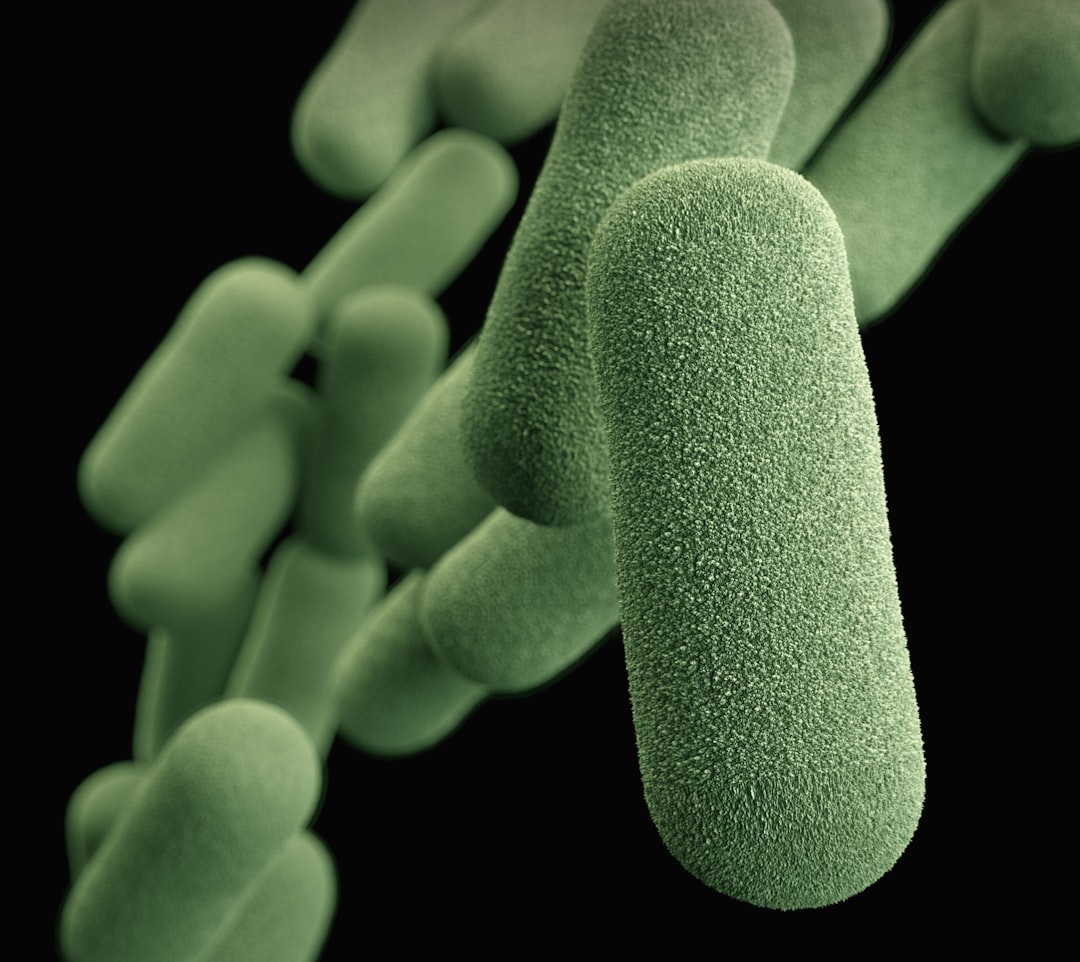
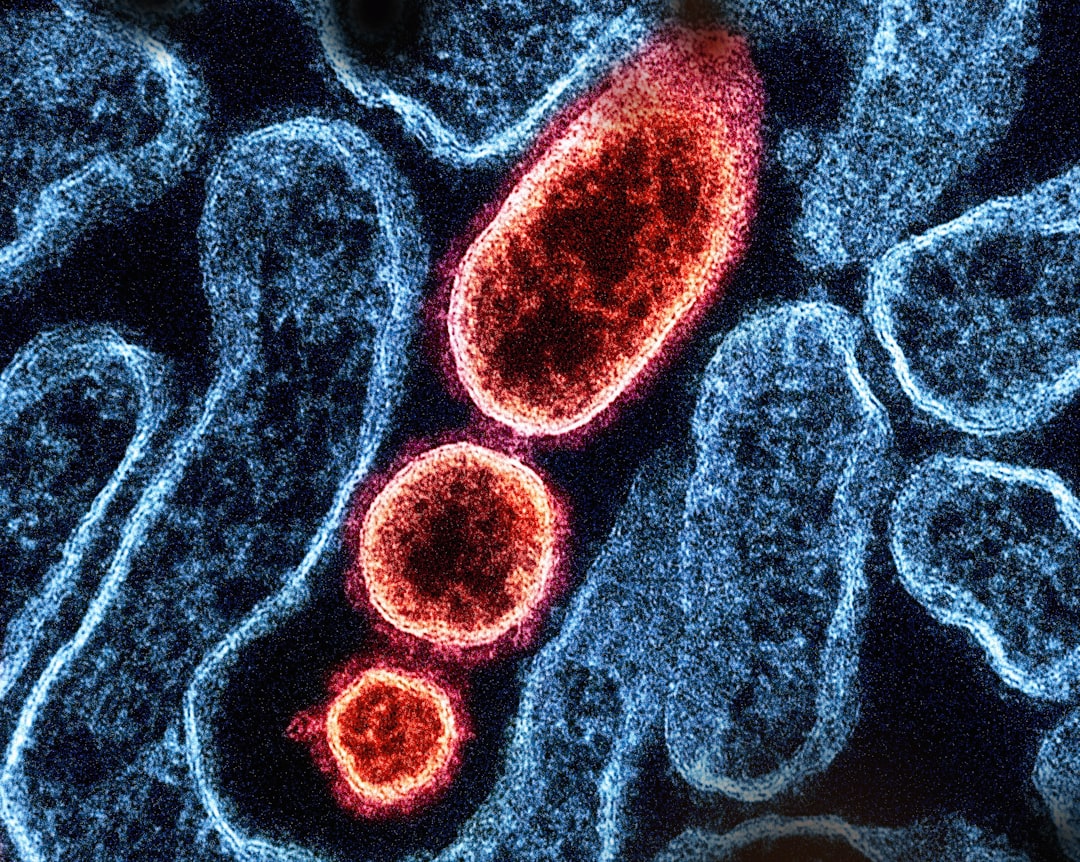
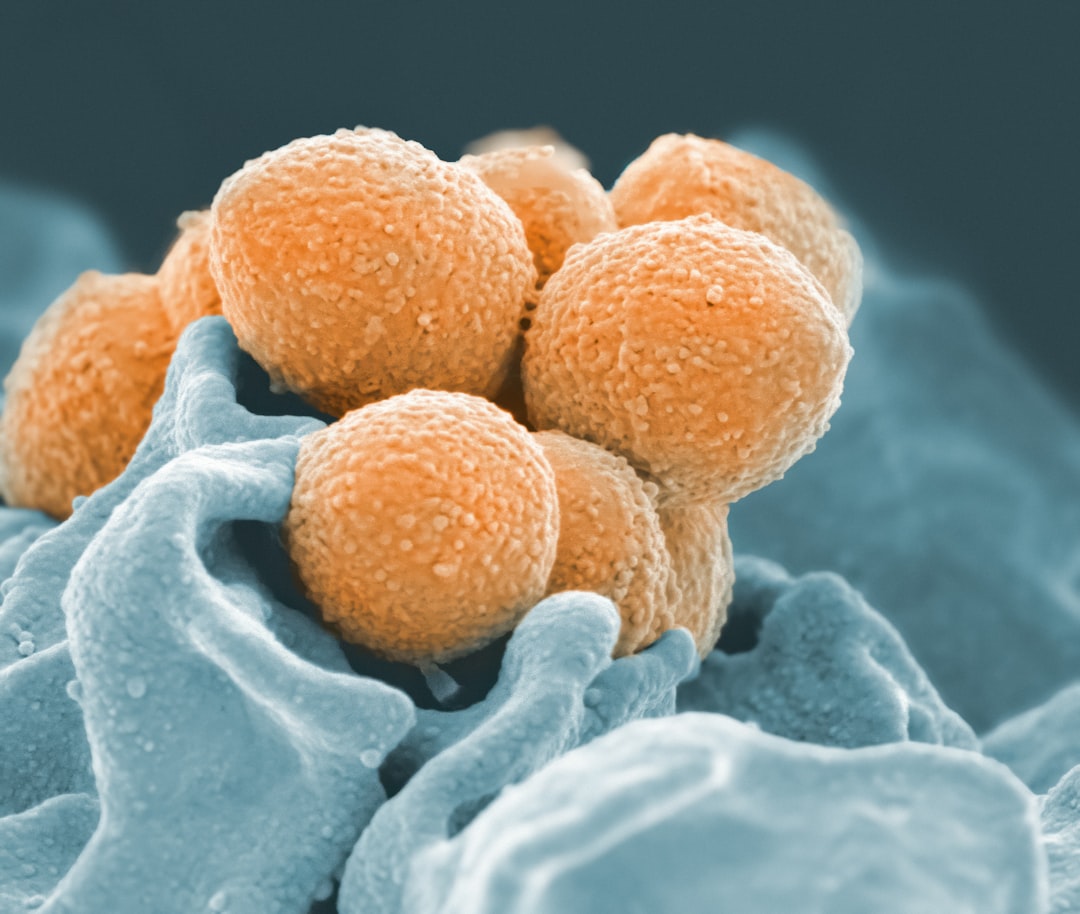
Bacterial consortia—cooperative communities of multiple bacterial species working together—represent microbial ecology at its most sophisticated. Whilst individual bacterial species possess impressive capabilities, multi-species consortia achieve feats impossible for any single species through division of labour, metabolic cooperation, and coordinated behaviour. Understanding bacterial consortia reveals how complex microbial communities function, why biodiversity matters even at microscopic scales, and how we can harness cooperative bacterial communities for practical applications including household hygiene.
The concept of bacterial teamwork challenges simplistic views of bacteria as isolated, competing individuals. Whilst competition certainly occurs, cooperation proves equally important in shaping bacterial communities. Different species specialise in different functions—some excel at degrading complex molecules, others at producing antimicrobial compounds, still others at adhering to surfaces or forming protective biofilm matrices. When combined in consortia, these complementary capabilities create communities more resilient, adaptable, and effective than any constituent species alone.
Metabolic Cooperation: Sharing the Work
One of the most fundamental forms of bacterial cooperation involves metabolic interdependence. Species in consortia often perform sequential metabolic steps, with waste products from one species serving as nutrients for another. This metabolic handoff allows complete degradation of complex compounds that no single species could metabolise alone.
Cellulose degradation exemplifies this cooperation. Cellulose—the structural polymer in plant cell walls—represents Earth's most abundant organic compound, yet individual bacterial species rarely possess all enzymes necessary for complete breakdown. In natural environments, bacterial consortia tackle cellulose degradation cooperatively: some species produce cellulases that break cellulose into smaller oligosaccharides, other species further hydrolyse these into simple sugars, and still others ferment the sugars into various end products. Each species specialises in specific steps, collectively achieving complete cellulose degradation.
Similar cooperation occurs with proteins, fats, and complex carbohydrates. Protease-producing bacteria break proteins into peptides and amino acids that other species consume. Lipase-producing bacteria liberate fatty acids from fats, making them available to species lacking lipase genes. This metabolic division of labour means consortia can exploit nutrient sources more thoroughly than monocultures, extracting energy and building blocks more efficiently.
Syntrophy: Obligate Metabolic Partnerships
Some bacterial relationships go beyond opportunistic cooperation to obligate interdependence called syntrophy. In syntrophic partnerships, species depend absolutely on each other for survival, with neither able to grow alone under the same conditions. These intimate relationships typically involve thermodynamically unfavourable reactions that only proceed when partner species remove inhibitory products.
Syntrophic relationships prove crucial in anaerobic environments. For instance, some bacteria ferment organic acids or alcohols, producing hydrogen gas as a waste product. However, hydrogen accumulation makes these fermentations thermodynamically unfavourable—they stop unless hydrogen is removed. Partner bacteria that consume hydrogen—methanogens or sulphate-reducers—solve this problem, keeping hydrogen concentrations low enough for fermentation to proceed. The fermenting bacteria and hydrogen-consumers thus depend on each other, forming syntrophic partnerships.
Whilst less common in typical household environments than in sewage systems or wetland sediments, syntrophic relationships demonstrate the sophisticated interdependence that can develop between bacterial species. This principle—that bacterial communities can evolve complementary metabolisms creating mutual dependence—informs our understanding of how stable, resilient microbial communities form and persist.
Communication and Coordination
Bacterial consortia don't simply happen to contain compatible species—they actively coordinate behaviour through chemical communication. Quorum sensing allows bacteria to assess population density and species composition, adjusting their behaviour accordingly. Some consortia employ cross-species quorum sensing, where signals from one species trigger responses in others, coordinating community-wide behaviours.
In mixed-species biofilms, chemical signalling coordinates biofilm formation, determining spatial arrangement and functional organisation. Species that produce strong biofilm matrices might position themselves as structural frameworks, whilst species producing antimicrobial compounds might concentrate at biofilm surfaces where they defend against invaders. This spatial organisation isn't random—it reflects coordinated development guided by chemical signals.
Some bacteria produce compounds specifically benefiting partner species. Certain Bacillus species secrete surfactants that aid surface colonisation not only for themselves but for associated bacteria. Others produce siderophores—iron-scavenging molecules—in excess of their own needs, essentially sharing iron with neighbouring bacteria. This apparent altruism makes sense from an ecological perspective: supporting beneficial partners strengthens the entire consortium against competing communities.
Functional Redundancy and Resilience
Bacterial consortia typically exhibit functional redundancy—multiple species capable of performing similar functions. This redundancy might seem wasteful, but it provides crucial resilience. If environmental changes stress or eliminate one species, functionally similar species can compensate, maintaining essential community functions despite compositional changes.
For example, a consortium might contain several species capable of degrading proteins. If conditions change—pH shift, temperature fluctuation, or antimicrobial exposure—affecting one protease-producing species, others continue protein degradation, maintaining this critical function. The community adapts to disturbance by shifting relative species abundances whilst preserving functional capabilities.
This resilience explains why diverse bacterial communities often outperform monocultures even when the monoculture comprises the individually "best" species. Monocultures prove vulnerable to specific stresses that might not affect slightly inferior competitors. Diverse consortia withstand varied stresses because different species show different vulnerabilities, making simultaneous elimination of all community members unlikely.
Competitive Cooperation: Defending Territory Together
Bacterial consortia don't merely cooperate internally—they compete collectively against external threats. Species in established consortia often cooperate to exclude invading bacteria, essentially defending their shared territory. This cooperative competition proves more effective than individual defensive efforts.
Multi-species biofilms typically resist pathogenic colonisation better than single-species biofilms. The diversity creates complex chemical environments with varied antimicrobial compounds, multiple nutrient competition strategies, and complete space occupation that collectively prevent pathogenic establishment. Pathogens attempting colonisation must simultaneously overcome multiple defensive mechanisms, a challenge that often proves insurmountable.
Some consortia include specialist "security" species whose primary function involves producing antimicrobial compounds protecting the entire community. These species might grow slowly or show limited competitive ability on their own but persist in consortia because their antimicrobial production benefits partners. The community supports specialists in return for their defensive services, creating stable cooperative arrangements.
Probiotic Consortia in Cleaning Products
Understanding bacterial consortia has informed probiotic cleaning product development. Whilst many products use single Bacillus species, advanced formulations combine multiple species or strains to create functional consortia. These multi-species products often outperform single-species formulations through cooperative effects.
A consortium might include Bacillus subtilis for rapid growth and robust enzyme production, Bacillus licheniformis for protease activity and temperature tolerance, and Bacillus amyloliquefaciens for antimicrobial compound production and biofilm degradation. Each species contributes distinct capabilities, creating a consortium more effective than any single species.
The species in well-designed consortia don't compete destructively but rather partition resources and functions. They might preferentially degrade different nutrient types, reducing direct competition. They might occupy different spatial niches—some attaching firmly to surfaces, others remaining more mobile. This functional complementarity allows coexistence whilst maximising collective effectiveness against pathogens and organic contamination.
Natural Consortia on Household Surfaces
Every household surface hosts bacterial consortia rather than monocultures. Even surfaces appearing dominated by one species typically contain numerous minority species contributing to community function. These natural consortia develop through ecological succession: early colonisers modify environments, creating conditions favouring subsequent species, eventually producing stable, diverse communities.
Kitchen sinks exemplify consortium development. Initial colonisers might be fast-growing generalists consuming readily available nutrients. Their metabolic activity modifies local pH, oxygen availability, and nutrient composition, favouring species adapted to these altered conditions. Over time, specialists degrading complex residues or forming protective biofilms establish themselves. The resulting consortium comprises species adapted to different temporal and spatial niches within the sink environment.
Understanding these natural consortia helps explain why surface bacterial communities often resist disturbance. Removing some species through cleaning simply creates opportunities for remaining species to expand, rapidly restoring community function. Complete sterilisation proves difficult because dormant spores or protected cells survive cleaning, then recolonise to rebuild consortia. Sustainable bacterial management requires working with these consortium dynamics rather than fighting against them.
Engineering Effective Consortia
Designing effective bacterial consortia for practical applications requires understanding compatibility and complementarity. Species must tolerate each other—avoiding antagonistic interactions whilst ideally showing cooperative behaviours. They should complement functionally, providing different capabilities that enhance collective performance.
Researchers developing probiotic consortia test species combinations for compatibility, ensuring mixed cultures maintain all species rather than one outcompeting others. They verify functional synergy, demonstrating that consortia outperform individual species. They assess stability, confirming consortia maintain composition over time and across varying environmental conditions.
Some engineered consortia show remarkable stability, with species ratios remaining constant across numerous generations despite environmental fluctuations. This stability suggests these consortia have achieved ecological balance where species coexist sustainably, neither outcompeting nor being outcompeted by partners. Such stable consortia prove ideal for practical applications requiring consistent performance.
Temporal Dynamics: Succession in Consortia
Bacterial consortia aren't static—they undergo succession as environmental conditions and resource availability change. Understanding temporal dynamics helps predict how consortia respond to disturbances like cleaning or contamination events.
After thorough cleaning removes established communities, surfaces undergo rapid succession. Fast-growing species arrive and multiply first, exploiting abundant resources on newly cleaned surfaces. These pioneers modify environments through waste production and resource depletion, creating conditions favouring different species. Eventually, slower-growing specialists establish themselves, forming mature, diverse communities.
Probiotic cleaning intervenes in this succession by introducing beneficial species at high concentrations immediately after cleaning. This inoculation allows beneficial bacteria to establish themselves during the vulnerable early succession period, occupying niches that pathogens might otherwise fill. Regular probiotic application maintains beneficial dominance throughout succession, preventing pathogenic establishment.
Practical Applications: Harnessing Consortium Power
Understanding bacterial consortia informs several practical cleaning strategies. Recognising that diverse communities resist pathogenic invasion better than monocultures suggests maintaining or enhancing surface bacterial diversity rather than attempting sterilisation. Regular probiotic cleaning introduces beneficial diversity that establishes resilient, pathogen-resistant consortia.
Appreciating metabolic cooperation suggests combining bacterial species with complementary capabilities. Products containing multiple species can degrade diverse organic contaminants more thoroughly than single-species products. This complete degradation removes nutrients that might otherwise support pathogenic growth.
Understanding communication and coordination reveals why established beneficial communities resist disruption more effectively than freshly applied bacteria. Allowing beneficial bacteria time to establish, communicate, and organise into functional consortia creates more stable, effective protection than constantly reapplying bacteria to surfaces cleaned with harsh disinfectants that prevent consortium maturation.
The Future: Learning from Natural Cooperation
Bacterial consortia demonstrate that cooperation, not merely competition, drives microbial ecology. Species working together achieve outcomes impossible individually, creating resilient communities that resist disturbance and adapt to change. These principles apply beyond microbiology—they inform our understanding of ecosystems generally and suggest approaches to managing complex systems.
In household hygiene contexts, this suggests moving from warfare mentality—attempting to eliminate all bacteria—towards ecological management that cultivates beneficial consortia. By understanding and supporting cooperative bacterial communities, we create sustainable protection that works with natural microbial processes rather than fighting against them. The result proves more effective, more resilient, and more sustainable than conventional approaches based on bacterial elimination.