
Bacterial Consortia: Teamwork in Microbial Communities
Bacteria work together in complex communities. Understanding consortia improves probiotic formulations.
Read articleDiscover the science behind probiotic cleaning and how beneficial bacteria create healthier, cleaner environments.
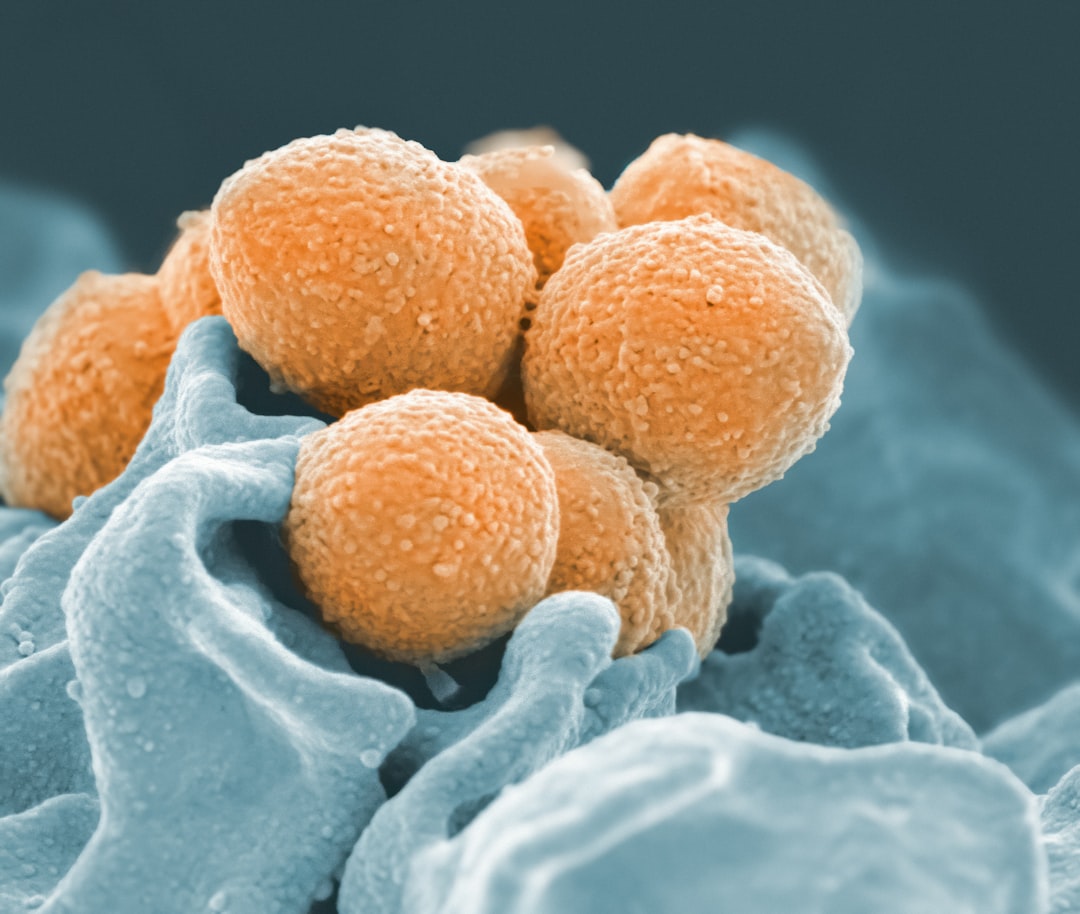
Bacteria work together in complex communities. Understanding consortia improves probiotic formulations.
Read article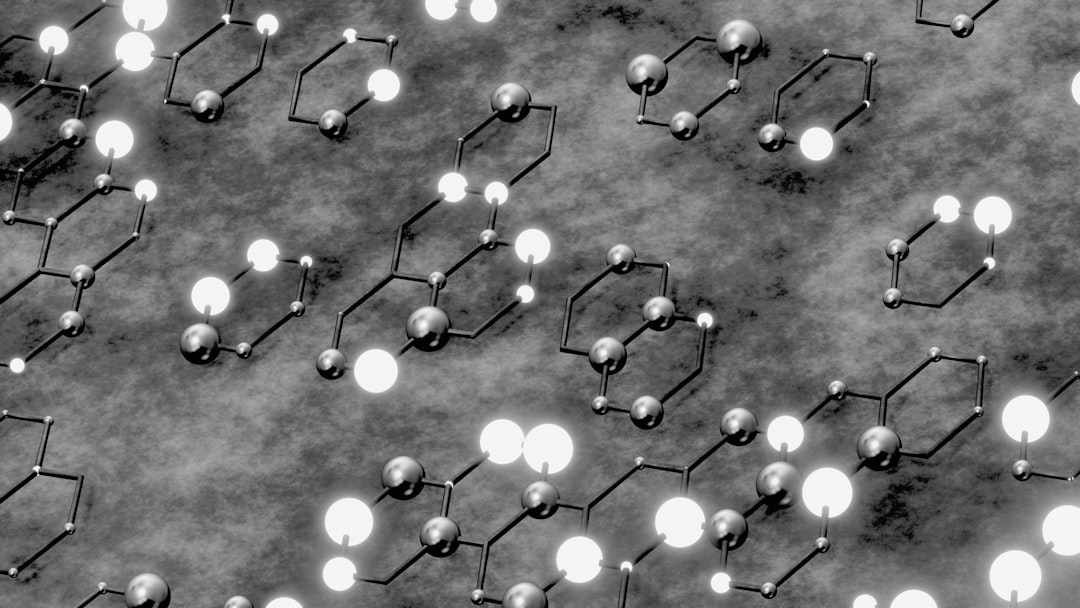
Many organisms produce antimicrobial peptides. Some probiotic bacteria use these natural defenses too.
Read article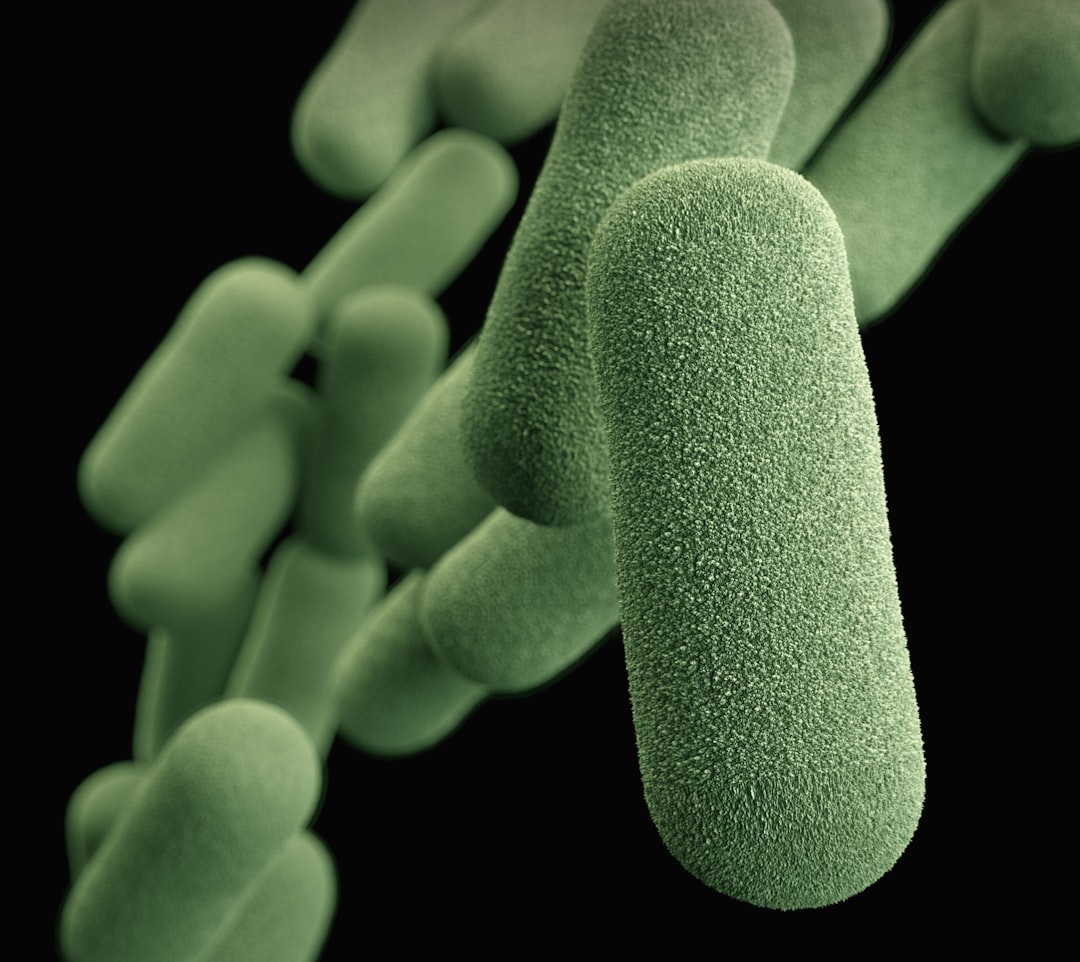
Your home's microbiome and your body's microbiome influence each other continuously.
Read article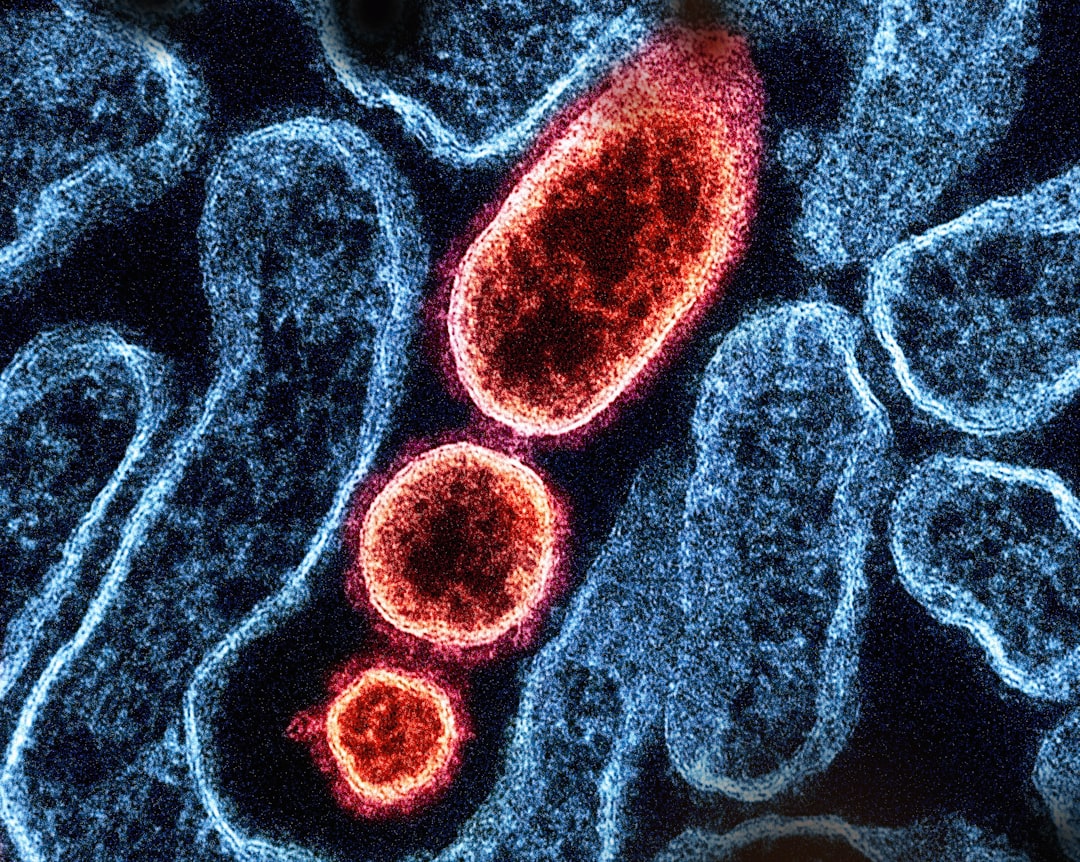
Bacteria actively sense and respond to their environment. This sensing affects how they colonize surfaces.
Read article
Different energy production methods affect bacterial ecology and byproducts.
Read article
Bacterial reproduction is remarkably fast. Understanding growth rates explains why rapid intervention matters.
Read article
Salt concentrations affect bacterial survival through osmotic stress. Learn how this relates to cleaning.
Read article
The first step in surface colonization is adhesion. Understanding this process improves cleaning effectiveness.
Read article
Bacterial toxins pose health risks even after bacteria die. Learn how different cleaning methods handle toxins.
Read article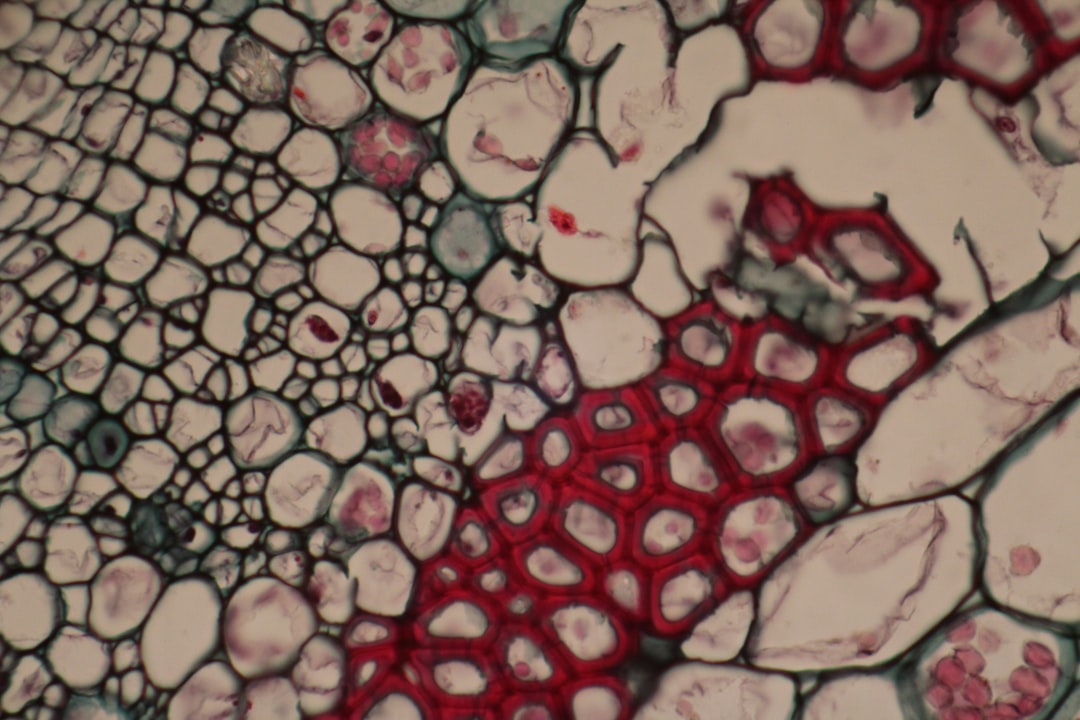
Understanding bacterial metabolism explains both cleaning effectiveness and odor control benefits.
Read article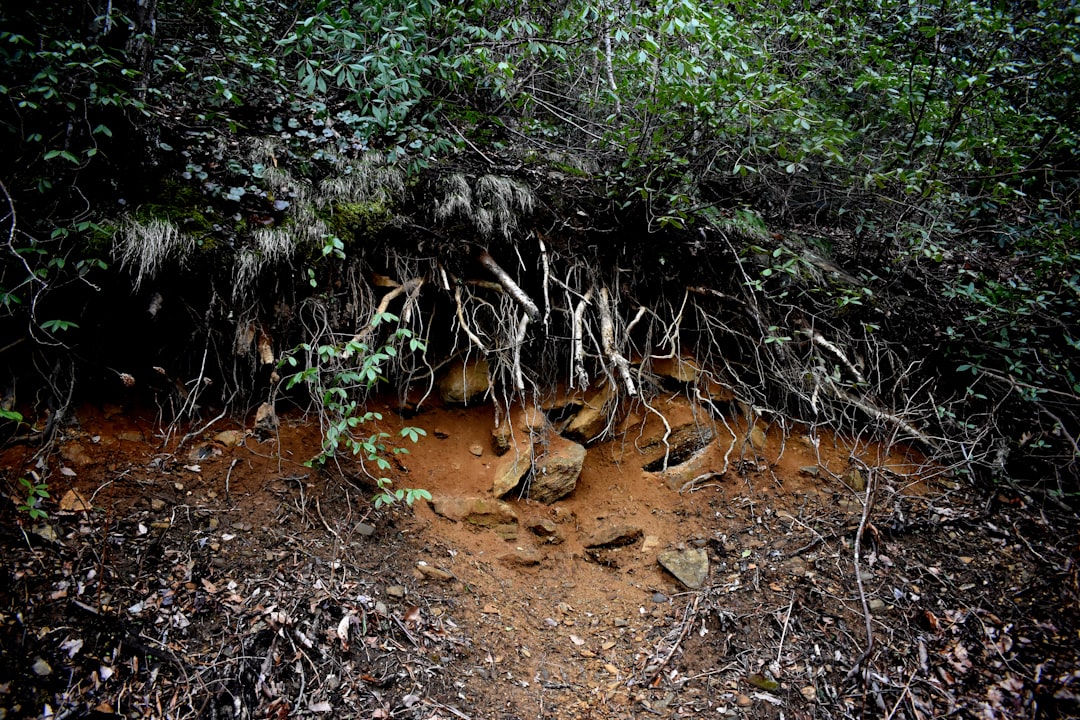
Plants cultivate beneficial bacteria in their root zones. This rhizosphere model informs probiotic cleaning approaches.
Read article
Bacteria share genetic material between species through horizontal gene transfer. Learn the implications for resistance.
Read article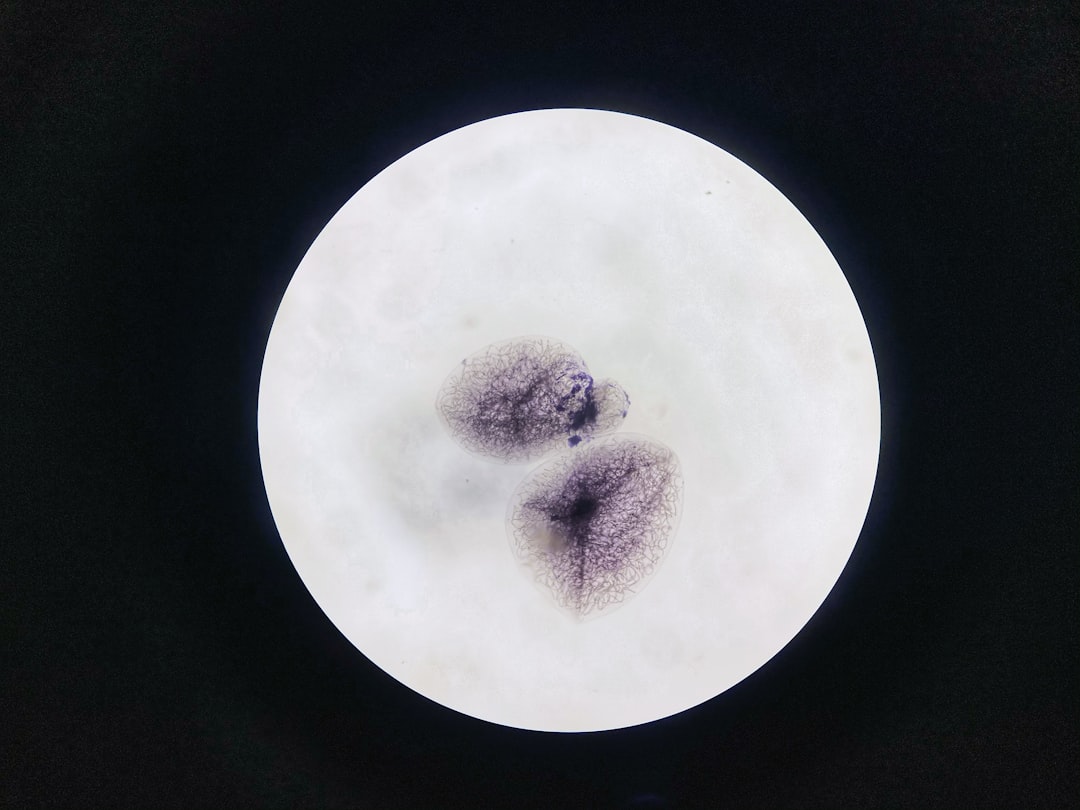
Many bacteria are mobile, using various mechanisms to spread. Understanding motility informs cleaning strategies.
Read article
Water availability, not just presence, determines bacterial survival. Learn about water activity in cleaning.
Read article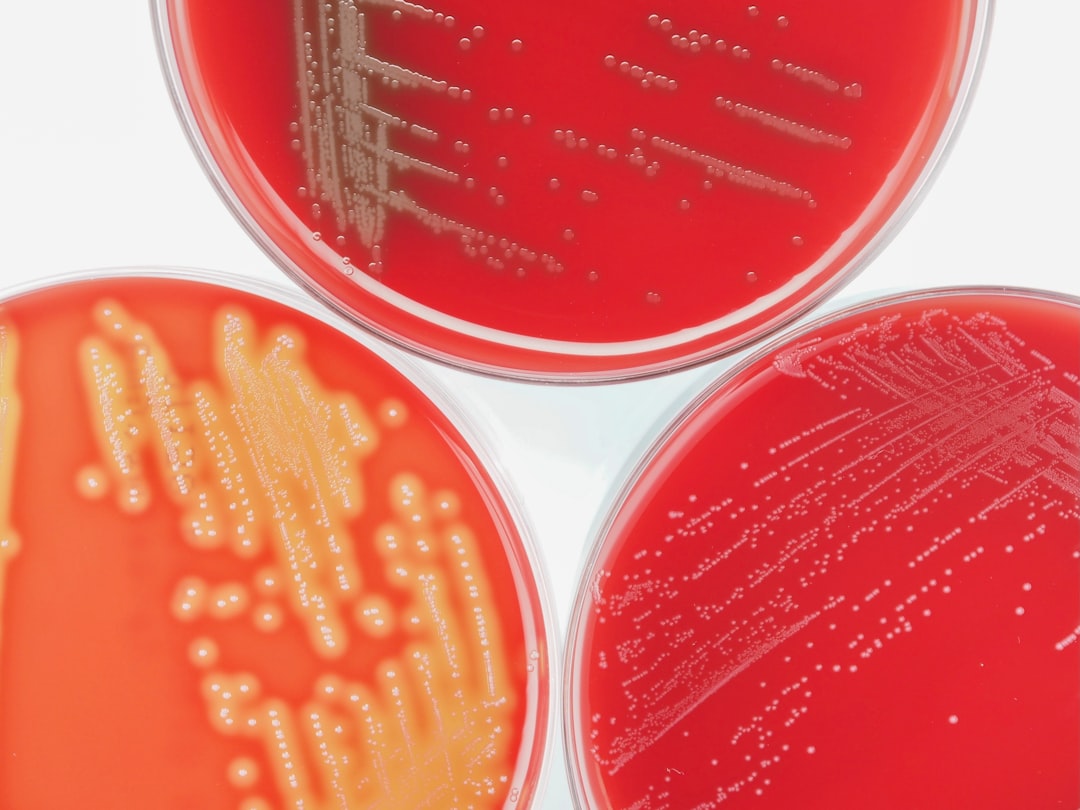
Biofilms are nature's way of protecting surfaces. Learn how beneficial biofilms created by probiotics defend your home.
Read article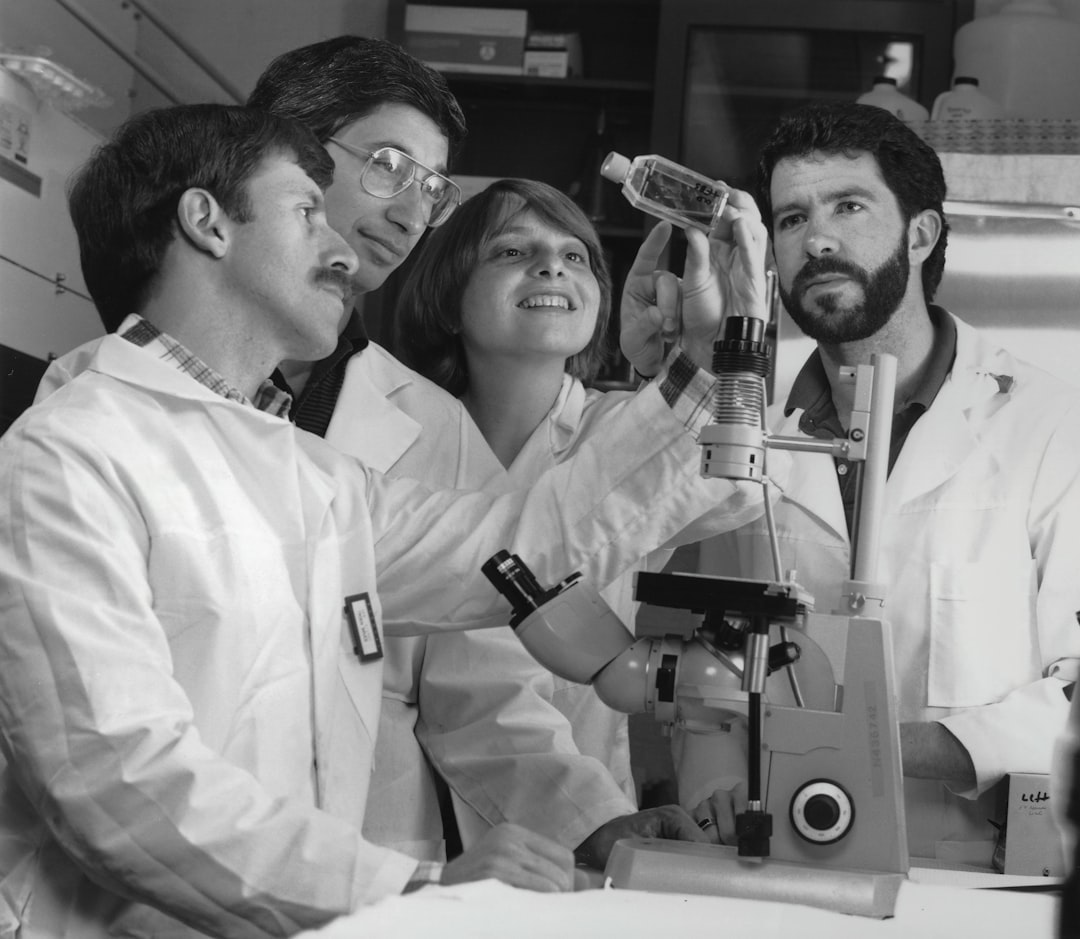
Different bacteria have different oxygen requirements. Understanding this helps explain why probiotics work in various environments.
Read article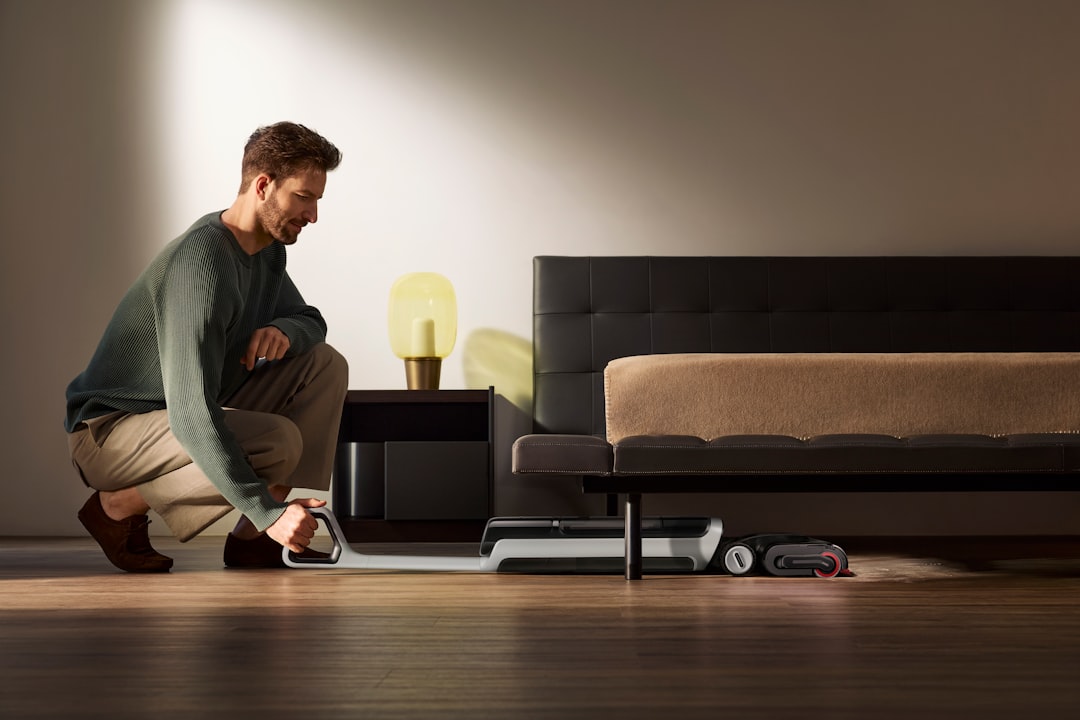
An introduction to the revolutionary cleaning method that uses beneficial bacteria instead of harsh chemicals.
Read article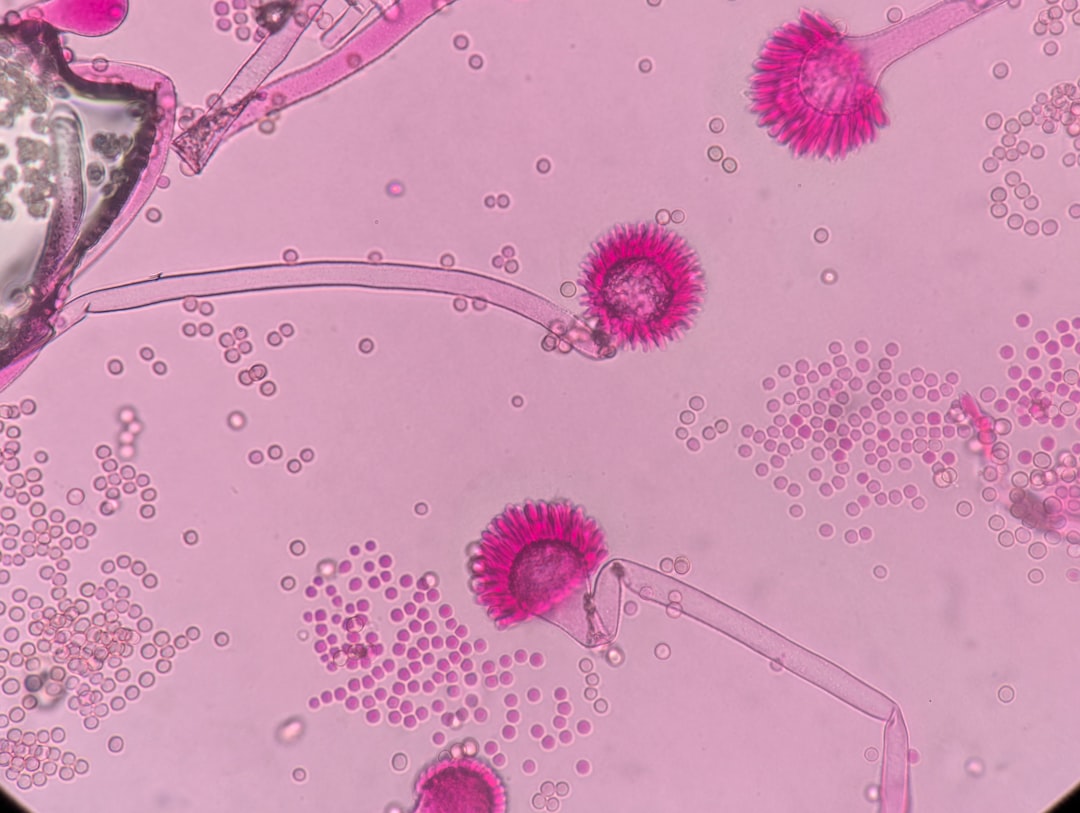
Understanding bacterial cell wall structure helps explain why different cleaning approaches work better against different microbes.
Read article
Biological cleaning harnesses nature's own cleaning mechanisms to maintain healthy spaces. Learn how beneficial bacteria work to clean, protect, and balance your home environment—nature's answer to chemical cleaners.
Read article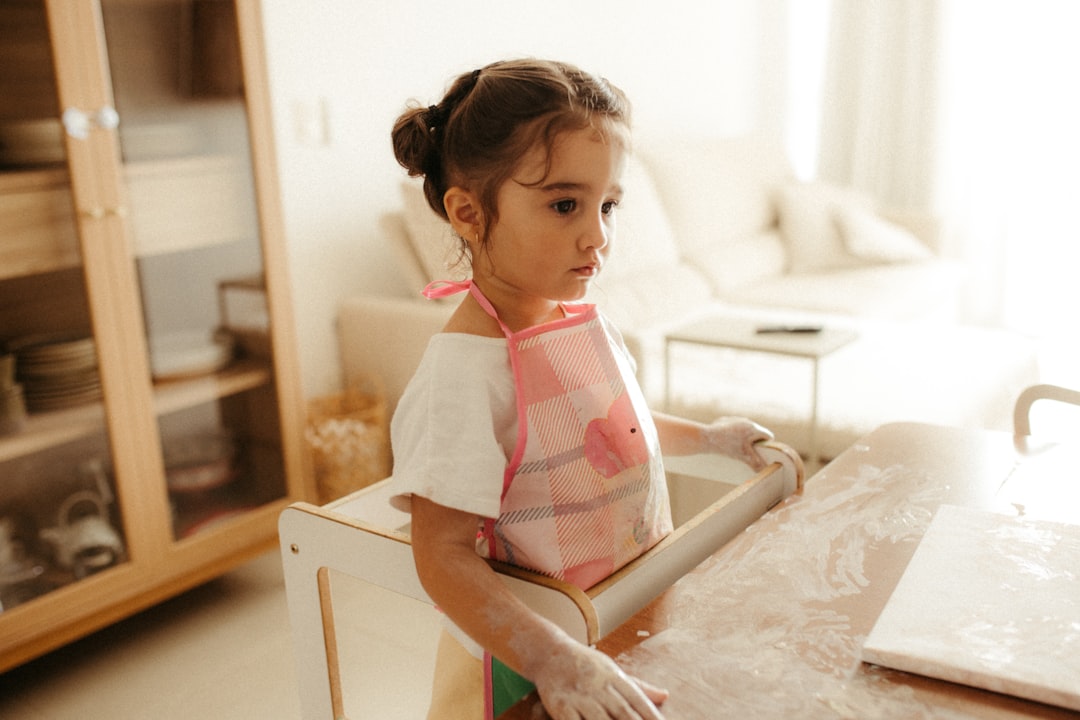
The hygiene hypothesis suggests that some microbial exposure is essential for healthy immune development in children.
Read article
Week 1: Start Small and Observe Don't throw out all your conventional cleaners on day one. Start with one area—perhaps your kitchen counters or bathroom sink. Use your probiotic cleaner as directed...
Read article
Some bacteria form incredibly resistant spores. Learn how probiotic cleaning addresses this challenge.
Read article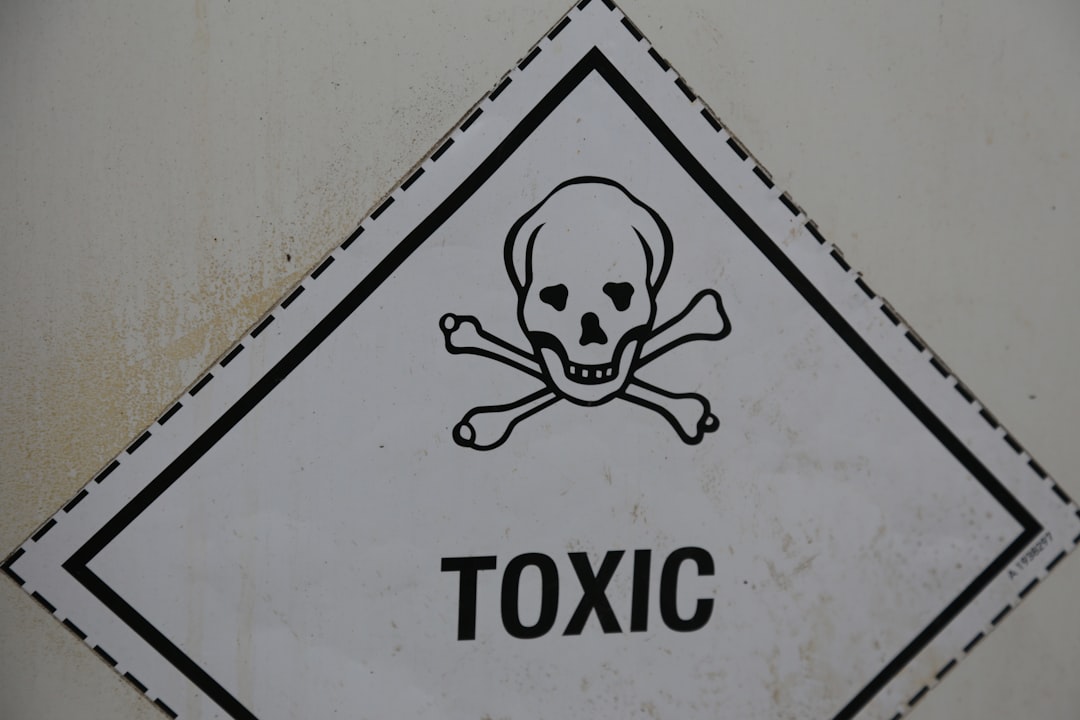
Take a moment to read the warning labels on your conventional cleaning products. "Keep out of reach of children." "Avoid contact with skin and eyes." "Use in well-ventilated area." These aren't just...
Read article
Competitive exclusion is the key mechanism that makes probiotic cleaning effective. Here's the science explained simply.
Read article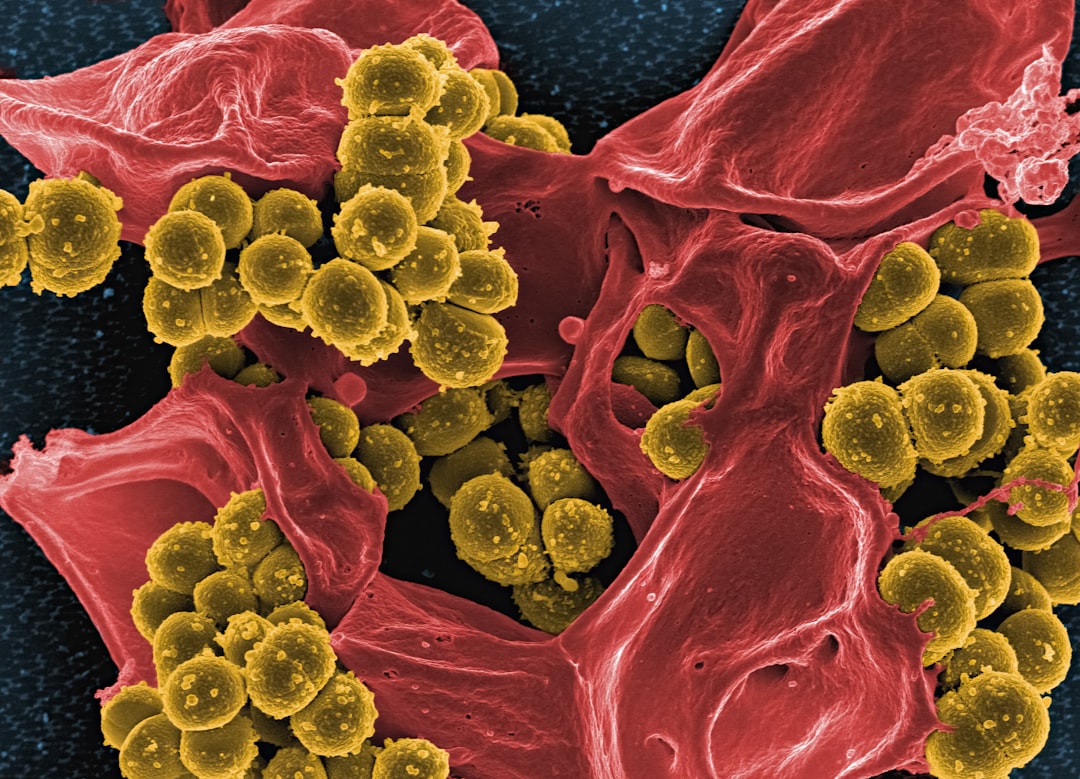
Deep dive into the mechanism of action: from spores to enzymes to competitive exclusion.
Read article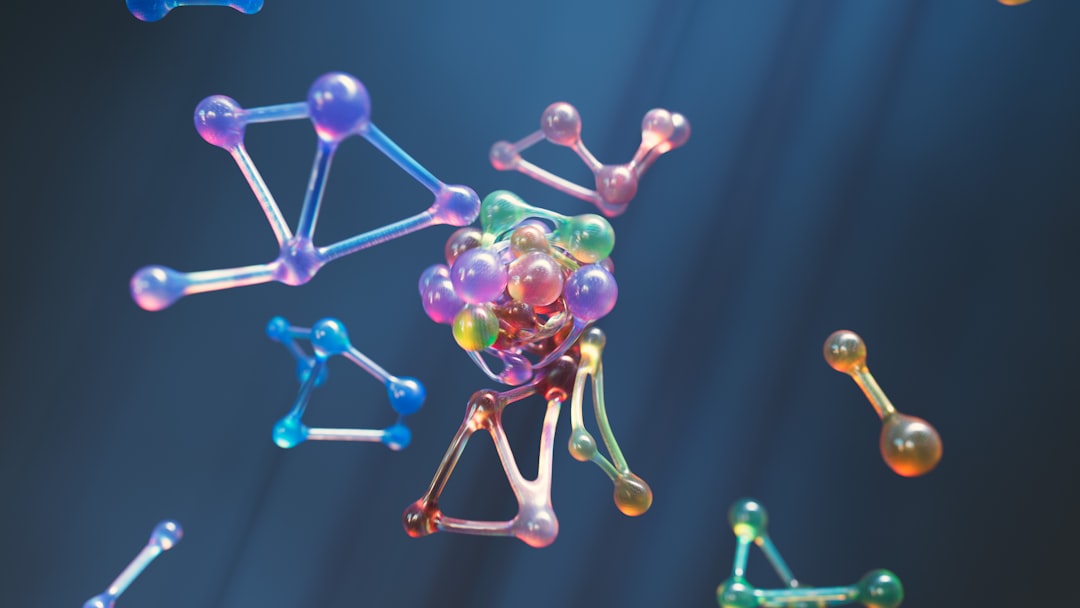
Probiotics produce powerful enzymes that naturally break down organic matter. Learn how this biological cleaning works.
Read article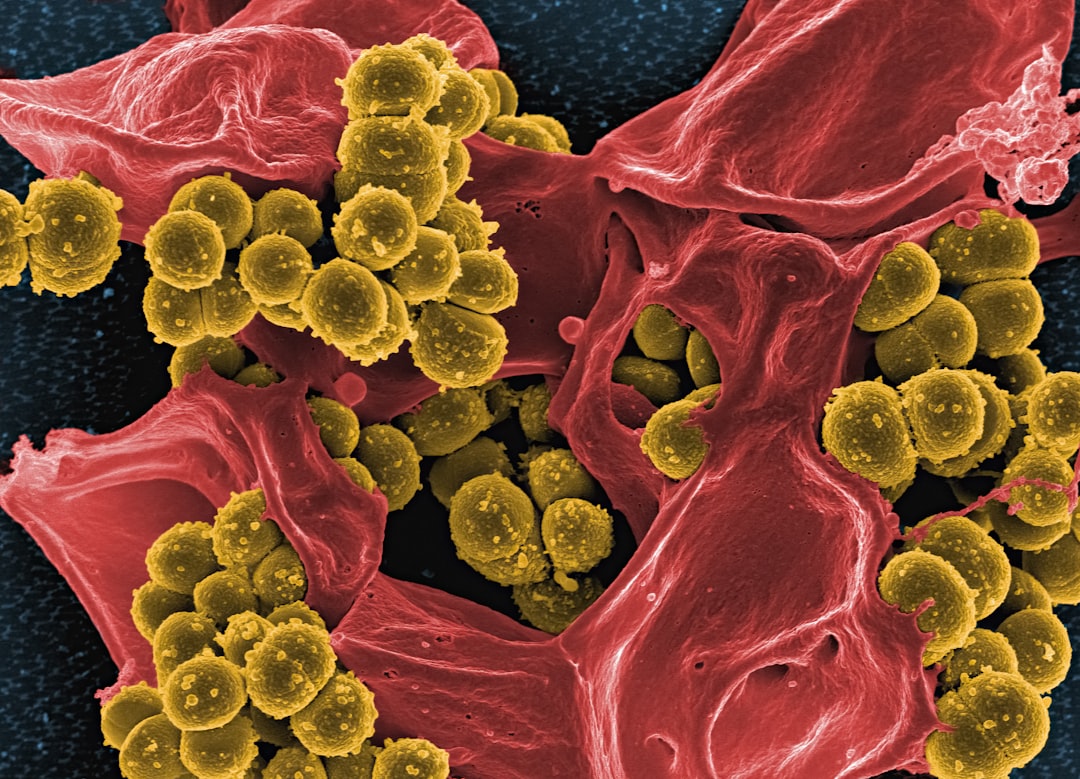
Meet the beneficial bacteria species that make probiotic cleaning possible.
Read article
Beyond keeping your home clean, probiotic cleaners actively benefit the planet. From reduced water pollution to lower carbon emissions, explore ten compelling environmental reasons to make the switch to biological cleaning.
Read article
For decades, we've been taught that the only good microbe is a dead microbe. But what if this approach has been fundamentally wrong? Probiotic cleaning represents a paradigm shift in how we think...
Read article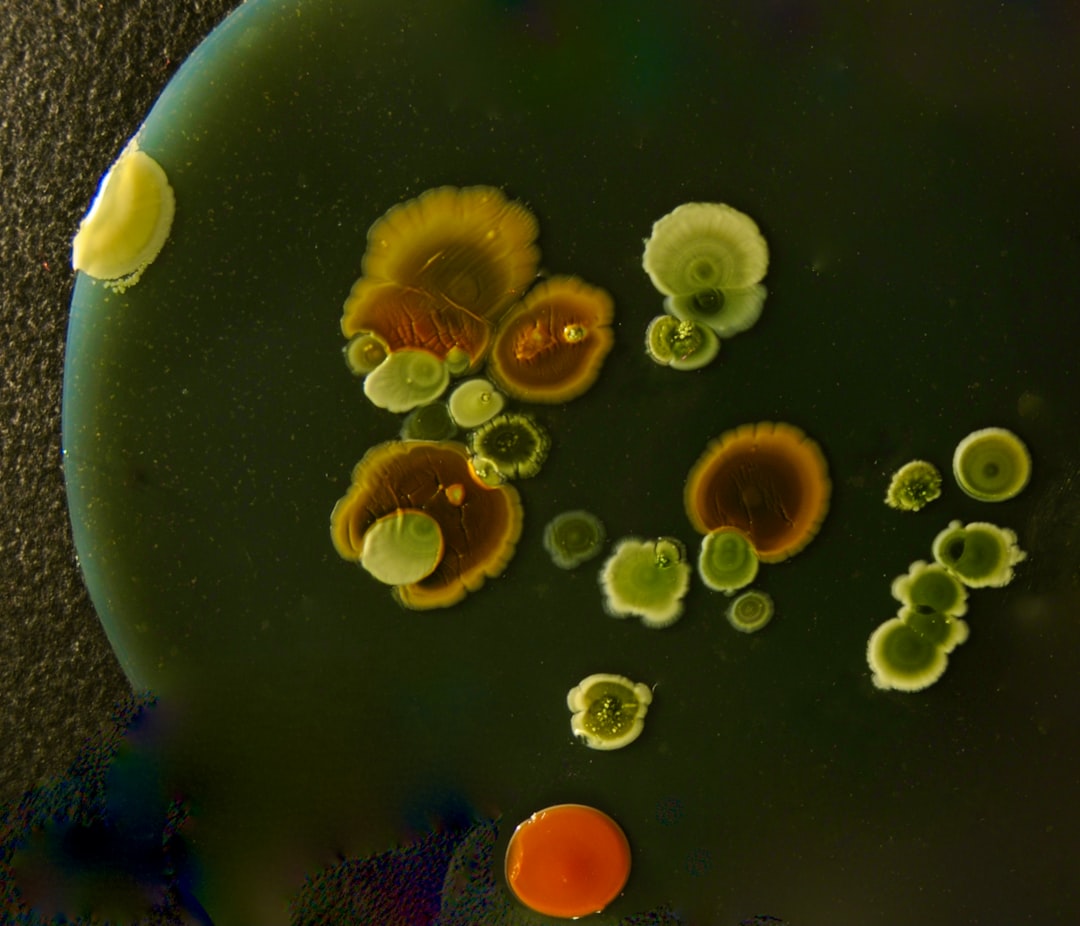
pH levels dramatically affect which bacteria can thrive. Understanding this chemistry improves cleaning effectiveness.
Read article
Transitioning to probiotic cleaning is easier than you think. This comprehensive guide walks you through every step of making the switch, from understanding what to expect in the first month to optimizing your cleaning routine for long-term success.
Read article
Every time you clean your home with conventional products, you're participating in a much larger environmental story—and unfortunately, it's not a happy one. The chemicals in traditional cleaners...
Read article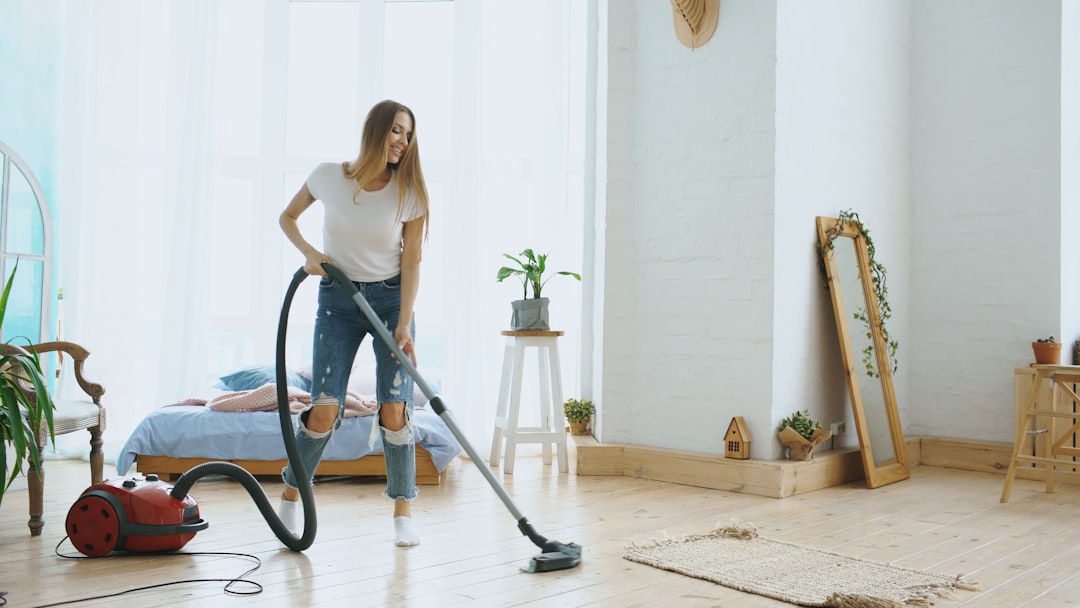
The future of home hygiene isn't about stronger chemicals—it's about smarter biology. Discover why probiotic cleaning represents a paradigm shift in how we maintain healthy, balanced environments at home.
Read article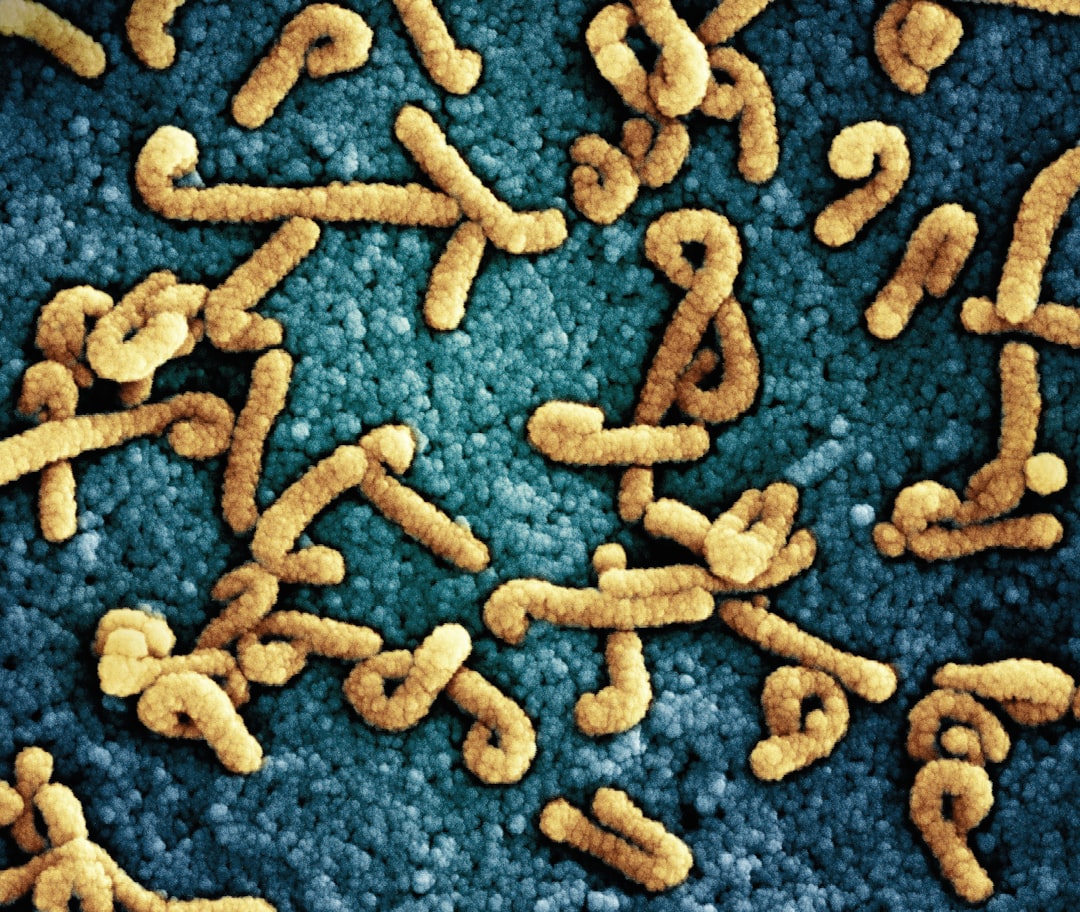
Temperature dramatically affects bacterial growth rates. Learn the science behind temperature and microbial safety.
Read article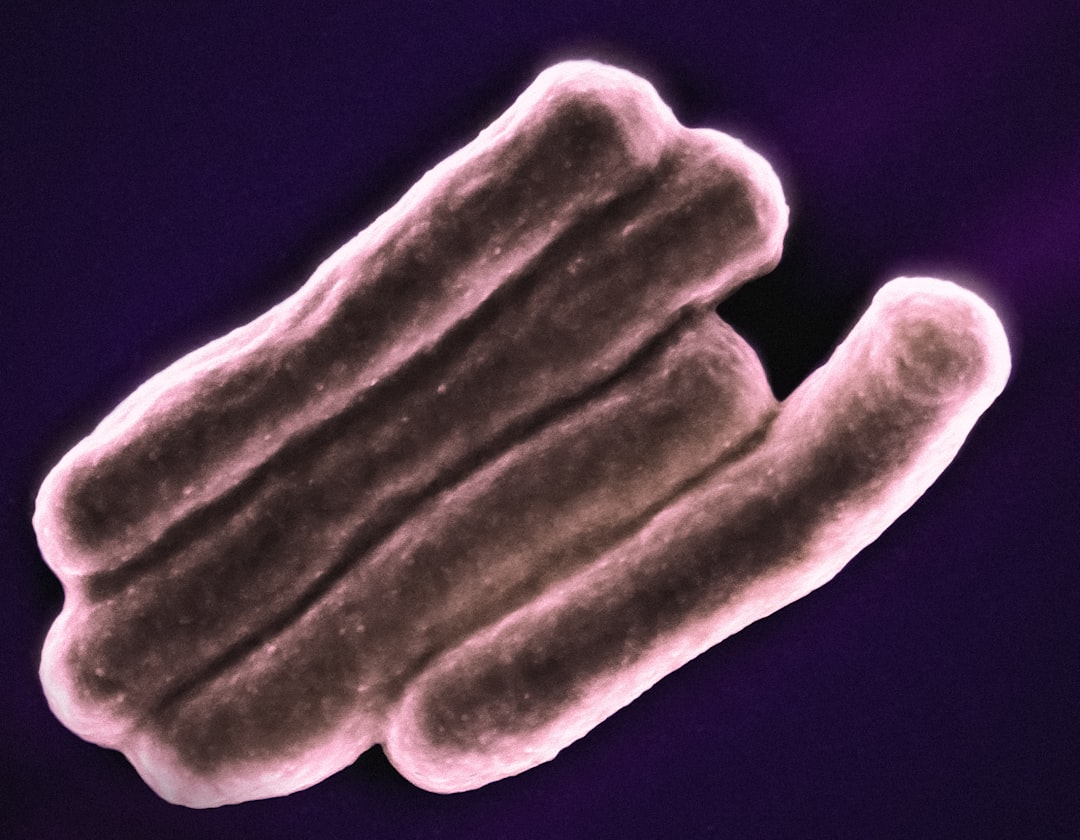
Bacteria communicate chemically through quorum sensing. This fascinating process affects both harmful and beneficial microbes.
Read article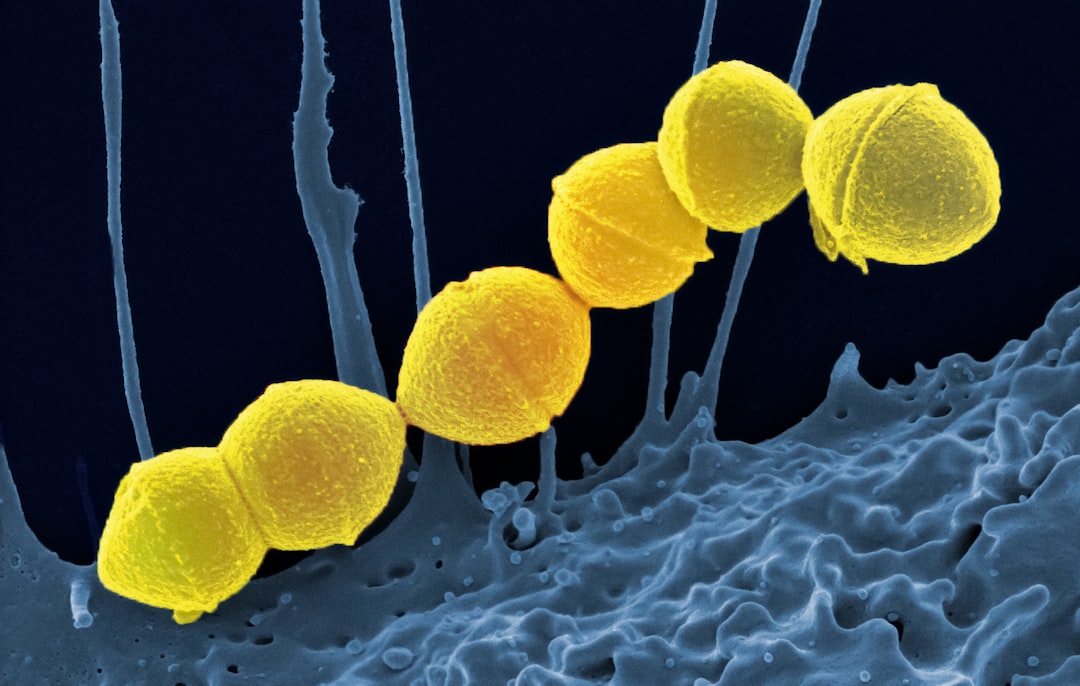
Your home has a microbiome just like your body. Learn how maintaining bacterial balance creates a healthier living environment.
Read article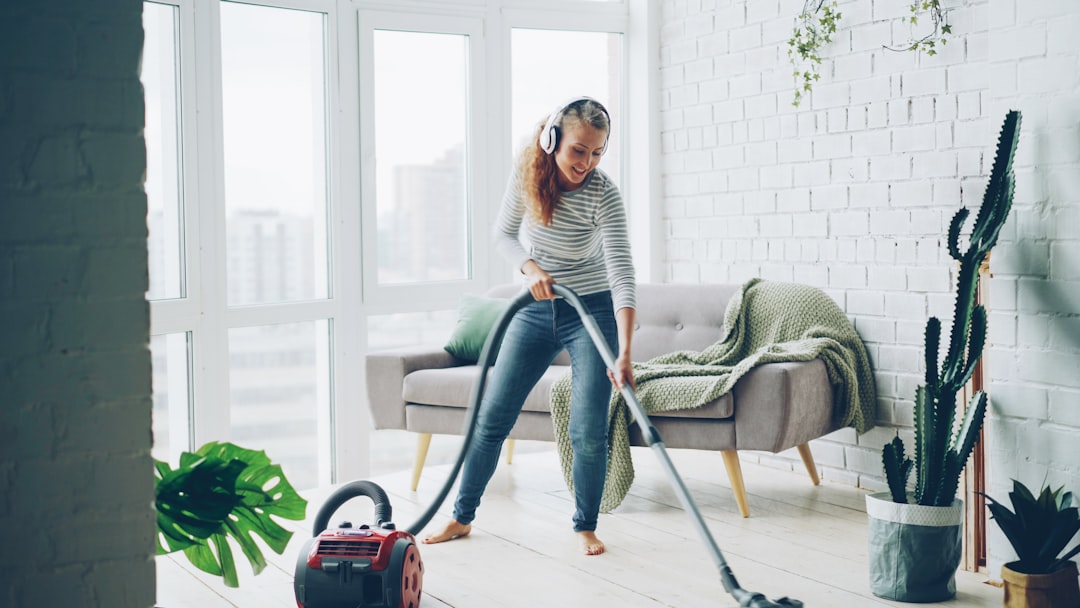
1. Reduced Allergies and Asthma Symptoms While it might seem counterintuitive, introducing beneficial bacteria into your home can actually reduce allergic reactions. The hygiene hypothesis suggests...
Read article
Overuse of antibacterial chemicals is creating resistant superbugs. Here's why probiotic cleaning offers a safer alternative.
Read article
Discover what makes Renu'd the UK's most advanced probiotic cleaning system. From our unique formulations to our commitment to sustainability and performance, see why more households are choosing Renu'd for a healthier home.
Read articleWe use cookies to enhance your experience and analyse site usage. By continuing to browse, you consent to our use of cookies. Learn more