For most of human history, we cleaned using simple, natural methods—water, soap made from plant ash and animal fats, and physical scrubbing. Then the 20th century brought a chemical revolution, introducing synthetic detergents, harsh disinfectants, and an ever-growing arsenal of specialized cleaning products. Now, in the 21st century, we're experiencing another revolution: biological cleaning. This isn't a step backwards to less effective methods—it's a leap forwards to smarter, more sophisticated cleaning that works with nature's own processes.
Biological cleaning harnesses living organisms and their natural capabilities to clean, protect, and maintain healthy environments. Let's explore how this approach works, why it's so effective, and how it represents the future of household hygiene.
What Is Biological Cleaning?
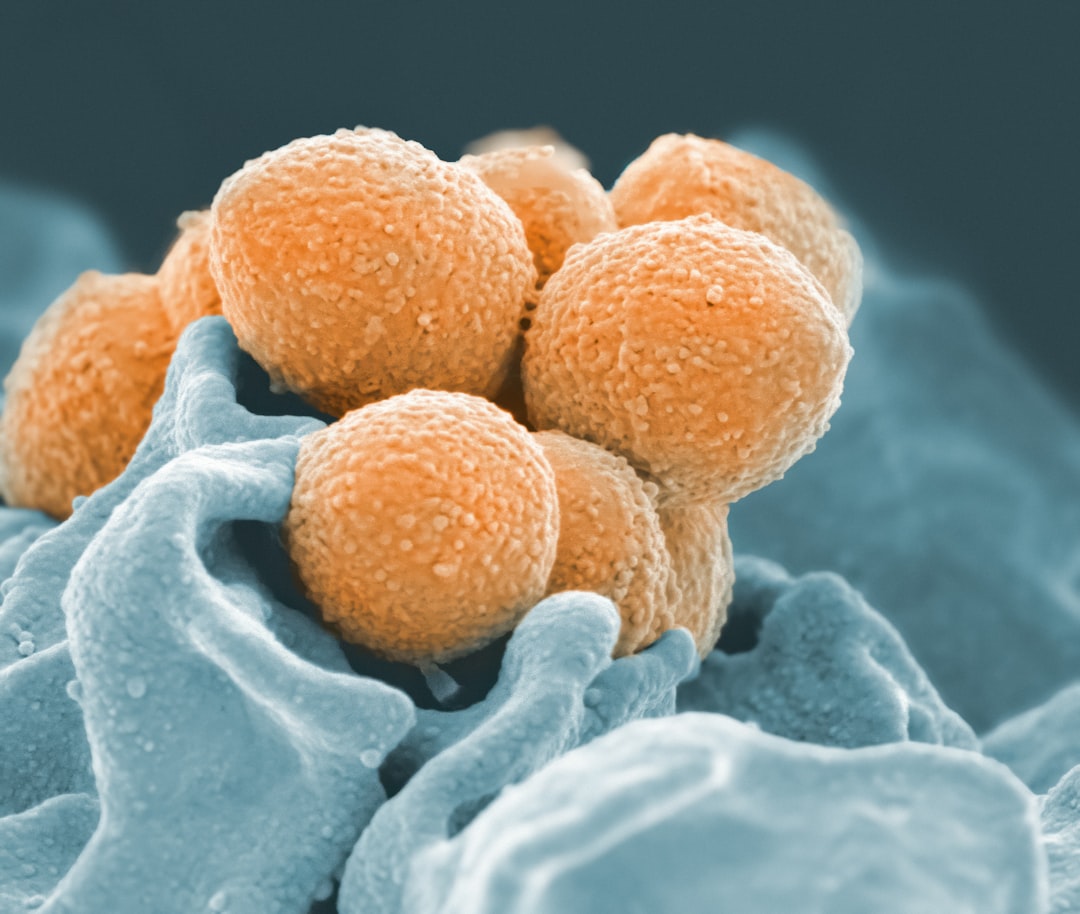
Biological cleaning uses living microorganisms—specifically carefully selected beneficial bacteria—along with the enzymes they produce, to clean surfaces and maintain hygiene. Rather than killing all microorganisms indiscriminately with harsh chemicals, biological cleaning introduces beneficial species that outcompete harmful ones whilst breaking down dirt, grime, and organic matter at the molecular level.
The Core Components
Biological cleaning products typically contain:
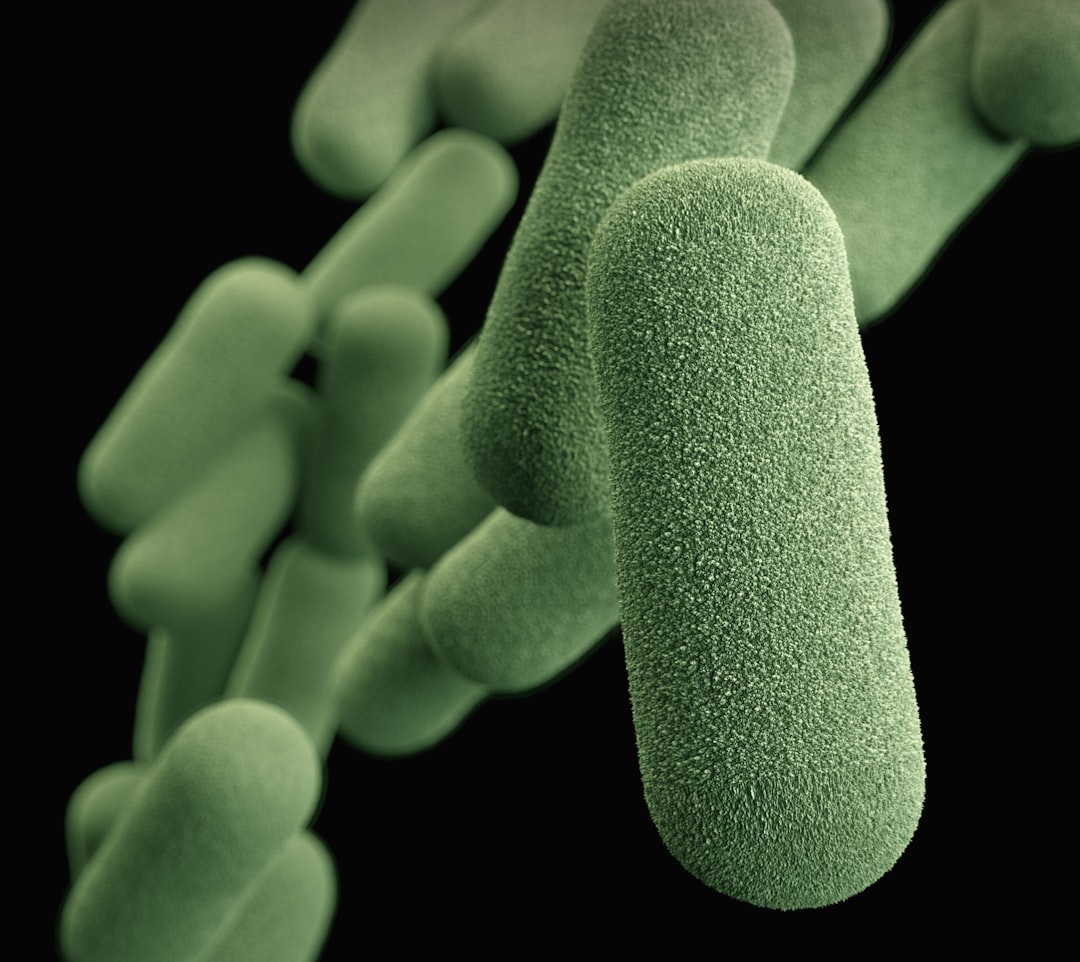
- Beneficial Bacteria: Usually Bacillus species in dormant spore form, which activate when they encounter moisture and organic matter
- Enzymes: Biological catalysts (proteases, lipases, amylases, cellulases) that break down specific types of organic matter
- Plant-Based Surfactants: Gentle cleaning agents derived from coconut, corn, or other plants that help lift dirt and spread the bacteria evenly
- Water: The carrier medium and activator for bacterial spores
- Optional Natural Fragrances: Essential oils from plants, if any scent is included
That's it. No harsh chemicals, no synthetic disinfectants, no toxic compounds. Just naturally occurring bacteria and plant-based ingredients.
How Biological Cleaning Works: The Complete Process
Understanding the biological cleaning process helps appreciate why it's so effective and why its benefits build over time.
Stage 1: Immediate Surface Cleaning (0-5 Minutes)
When you spray a biological cleaner on a surface:
- Plant-based surfactants immediately begin lifting dirt, grease, and grime
- You can wipe the surface just as you would with any cleaner
- Visible soiling is removed through mechanical action and gentle chemical lifting
- The surface appears clean to the eye
At this stage, biological cleaning performs comparably to conventional cleaners—surfaces look clean and feel clean.
Stage 2: Bacterial Activation (6-12 Hours)
After you've wiped the surface:
- Billions of bacterial spores remain on the surface (they're microscopic and invisible)
- These spores detect moisture and organic matter through chemical sensors
- Favourable conditions trigger germination—the transformation from dormant spore to active bacterial cell
- The process takes 6-12 hours as protective spore coats break down and cells become metabolically active
- Newly activated bacteria begin sensing their environment to determine what enzymes to produce
During this stage, conventional cleaners have stopped working entirely, but biological cleaning is just getting started.
Stage 3: Enzymatic Deep Cleaning (12-72 Hours)
As bacteria become fully active:
- They begin producing enzymes tailored to the organic matter present on the surface
- Proteases break down protein-based soils (food residues, biological matter, skin cells)
- Lipases digest fats and oils (cooking grease, skin oils, cosmetic residues)
- Amylases break down starches and sugars (food spills, sticky residues)
- Cellulases tackle plant-based materials (vegetable matter, cellulose fibres)
- These enzymes work continuously, penetrating into microscopic crevices and porous materials
- Surfaces actually become cleaner over time rather than gradually accumulating dirt
This deep, continuous cleaning is something chemical products simply cannot provide.
Stage 4: Bacterial Reproduction and Colonisation (24-96 Hours)
While producing enzymes, the bacteria also reproduce:
- Each bacterial cell divides approximately every 20-30 minutes in favourable conditions
- A single bacterium can produce millions of descendants within 24 hours
- This growing population increases enzyme production exponentially
- Bacteria spread into microscopic surface irregularities, grout lines, and porous materials
- They establish stable populations that cover the entire treated surface
Stage 5: Competitive Exclusion and Protection (72 Hours-7 Days)
Once established on surfaces, beneficial bacteria provide ongoing protection:
- Space Occupation: Beneficial bacteria physically occupy space on surfaces, leaving no room for harmful species to colonise
- Resource Consumption: They consume available organic matter, depriving potential pathogens of the nutrients they need
- Chemical Competition: Some Bacillus species produce antimicrobial peptides that inhibit pathogenic bacteria
- pH Modification: Their metabolic activities create local pH conditions unfavourable to many pathogens
- Biofilm Prevention: By continuously breaking down organic matter, they prevent the formation of biofilms—the protective matrices that shield harmful bacteria from disinfectants
This protective effect lasts 3-7 days on most surfaces, far longer than any chemical cleaner.
Stage 6: Population Decline and Dormancy (7+ Days)
Eventually, as organic matter is depleted:
- Bacterial populations naturally decline without food sources
- Some bacteria die off and are easily broken down
- Others form spores again, returning to dormant state
- These dormant spores can reactivate if new organic matter appears
- The surface returns to a baseline state, ready for the next cleaning
This natural cycle means biological cleaning is self-regulating—bacteria thrive when needed for cleaning, then naturally diminish when their work is done.
The Science of Competitive Exclusion
The concept of competitive exclusion is central to understanding biological cleaning's effectiveness.
The Ecological Principle
In ecology, the competitive exclusion principle states that two species competing for exactly the same resources cannot coexist indefinitely—one will outcompete the other. In biological cleaning, we deliberately ensure the beneficial species is the superior competitor.
How It Works in Your Home
When you apply a biological cleaner:
- Massive Population Introduction: You introduce billions of beneficial bacteria—far more than are naturally present or that might arrive through contamination
- Rapid Colonisation: These bacteria quickly establish themselves across the entire treated surface
- Resource Dominance: They consume available organic matter before other species arrive
- Space Monopolisation: They physically occupy microbial niches—the tiny spaces where bacteria live
- Continuous Production: They reproduce faster than potential competitors can establish
The result? Harmful bacteria simply cannot gain a foothold. There's no space for them, no food for them, and they're actively excluded by the established beneficial population.
Why This Is Superior to Disinfection
Chemical disinfection creates a temporary sterile environment, but:
- Sterility lasts only until the first microorganisms arrive (usually minutes to hours)
- The first arrivals face no competition and can rapidly colonise
- These pioneer species are often the fastest-reproducing and most potentially harmful
- The surface quickly develops higher pathogen loads than before cleaning
Biological cleaning creates a stable, beneficial microbial community that:
- Persists for days, not hours
- Actively resists pathogen colonisation through competition
- Maintains protective populations that prevent harmful species from establishing
- Creates increasingly stable and protective microbiomes with regular use
Enzymes: Nature's Molecular Machines
The enzymes produced by beneficial bacteria are what make biological cleaning so effective at removing organic matter.
What Makes Enzymes Special
Enzymes are biological catalysts with remarkable properties:
- Specificity: Each enzyme targets specific molecular bonds, breaking down targeted substances whilst leaving everything else untouched
- Efficiency: A single enzyme molecule can catalyse thousands of reactions per second
- Gentleness: Enzymes work at normal temperatures and pH levels, never damaging surfaces
- Complete Breakdown: They break complex molecules into simple compounds that are easily removed or consumed by bacteria
- Deep Penetration: Tiny enzyme molecules penetrate porous materials, grout lines, and microscopic crevices
The Enzyme Arsenal
Different enzymes tackle different cleaning challenges:
- Proteases break protein bonds → removing food residues, blood, biological matter, skin cells
- Lipases break fat bonds → digesting cooking oils, grease, cosmetic residues, skin oils
- Amylases break starch bonds → removing pasta, bread, potato, and other carbohydrate residues
- Cellulases break cellulose bonds → digesting plant fibres, vegetable matter, paper
Real-world messes aren't pure proteins or pure fats—they're complex mixtures. Biological cleaning deploys multiple enzymes simultaneously, each targeting different components of the soil. This multi-pronged enzymatic attack achieves complete breakdown that single-action chemical cleaners cannot match.
Biological Cleaning vs. Chemical Cleaning: Fundamental Differences
The differences between biological and chemical cleaning run deeper than just ingredient lists.
Philosophy
- Chemical Cleaning: Microbial warfare—kill everything, create sterility
- Biological Cleaning: Microbial ecology—cultivate beneficial communities, create balance
Mechanism
- Chemical Cleaning: Oxidation, pH extremes, cell membrane disruption—indiscriminate destruction
- Biological Cleaning: Enzymatic breakdown and competitive exclusion—targeted, natural processes
Duration of Effect
- Chemical Cleaning: Works only during application and wiping; effectiveness stops when surface dries
- Biological Cleaning: Continues working for 72-96 hours; protection lasts 3-7 days
Impact on Microbiome
- Chemical Cleaning: Destroys all microorganisms; creates microbial vacuum prone to pathogen colonisation
- Biological Cleaning: Cultivates beneficial communities; creates stable, protective microbiomes
Surface Impact
- Chemical Cleaning: Can damage delicate materials; corrodes metals; degrades plastics over time
- Biological Cleaning: Gentle on all materials; actually preserves surfaces by preventing biofilm formation
Environmental Impact
- Chemical Cleaning: Toxic to aquatic life; persists in environment; disrupts ecosystems
- Biological Cleaning: Completely biodegradable; supports wastewater treatment; no environmental harm
The Evidence Base
Biological cleaning isn't theoretical—it's proven in rigorous scientific studies.
Hospital Research
Multiple peer-reviewed studies in European hospitals have demonstrated:
- Up to 52% reduction in hospital-acquired infections compared to chemical disinfection
- 83% reduction in pathogenic bacteria on surfaces with sustained effect
- Significant reduction in antibiotic-resistant bacteria
- Improved air quality with fewer airborne pathogens
- Cost savings from reduced infection rates and cleaning frequency
Mechanism Studies
Laboratory research has confirmed:
- Beneficial bacteria successfully colonise and persist on treated surfaces
- Enzyme production continues for 72-96 hours after application
- Competitive exclusion prevents pathogen colonisation
- Biofilm formation is prevented or disrupted
- Regular use creates increasingly stable protective microbiomes
Applications Throughout Your Home
Biological cleaning is remarkably versatile, working effectively in every area:
Kitchen
- Countertops: Enzymes break down food residues completely
- Hobs and ovens: Lipases digest baked-on grease
- Sinks and drains: Prevents biofilm formation and odours
- Refrigerators: Maintains freshness by controlling microbial growth
- Floors: Continuous cleaning between washes
Bathroom
- Toilets: Prevents urine scale and organic buildup
- Showers: Disrupts soap scum and prevents mildew
- Tiles and grout: Penetrates porous materials for deep cleaning
- Drains: Controls odours and prevents blockages
Living Areas
- Carpets and upholstery: Safe for fabrics, removes deep-set organic stains
- Hard floors: Maintains cleanliness between full cleans
- Surfaces: Reduces dust and allergens
Specialised Applications
- Pet areas: Controls odours and prevents bacterial buildup
- Baby equipment: Safe for items that go in mouths
- Food preparation surfaces: No toxic residues
The Building Effect: Why Biological Cleaning Improves Over Time
One of the most remarkable aspects of biological cleaning is that effectiveness actually improves with regular use.
Microbiome Maturation
With consistent biological cleaning:
- Beneficial bacterial communities become more stable and diverse
- Protective populations establish more quickly after each cleaning
- Surfaces become increasingly resistant to pathogen colonisation
- You may actually clean less frequently whilst maintaining better hygiene
Biofilm Prevention
Regular biological cleaning prevents biofilm formation—those slimy, protective matrices that make surfaces difficult to clean and provide shelter for harmful bacteria. Without biofilms:
- Surfaces remain genuinely clean rather than just appearing clean
- Pathogenic bacteria cannot establish protected colonies
- Odours are prevented rather than just masked
- Cleaning becomes easier over time
Safety Profile
Biological cleaning's safety record is exceptional:
- Human Safety: Bacillus species used are GRAS (Generally Recognised As Safe); many are used in food production
- Pet Safety: Completely non-toxic to animals
- Child Safety: Safe for use on toys, high chairs, and surfaces children contact
- Respiratory Safety: No harsh fumes or vapours
- Skin Safety: Gentle, non-irritating formulations
- Environmental Safety: Completely biodegradable with no ecological impact
Nature's Wisdom, Modern Science
Biological cleaning represents a perfect marriage of ancient wisdom and modern science. Nature has used these processes to maintain balance and cleanliness in ecosystems for billions of years. We've simply learned to harness them deliberately, using modern biotechnology to select the most effective species, optimise their performance, and package them conveniently for household use.
This isn't just a new type of cleaning product—it's a fundamentally different approach that works with biology rather than fighting against it. It's smarter, safer, more effective long-term, and genuinely sustainable.
Welcome to the biological revolution in home hygiene. Welcome to nature's answer to household cleaning.
Ready to experience biological cleaning for yourself? Explore our complete range of probiotic products, each formulated with carefully selected beneficial bacteria to keep your home clean, healthy, and balanced the way nature intended.