When you use a probiotic cleaner, you're harnessing the power of some of nature's most remarkable microorganisms: Bacillus bacteria. These beneficial bacteria are the workhorses of probiotic cleaning technology, yet many people don't fully understand what they are, where they come from, or why they're so effective. Let's explore the fascinating world of Bacillus bacteria and discover why these microscopic allies are revolutionising how we clean our homes.
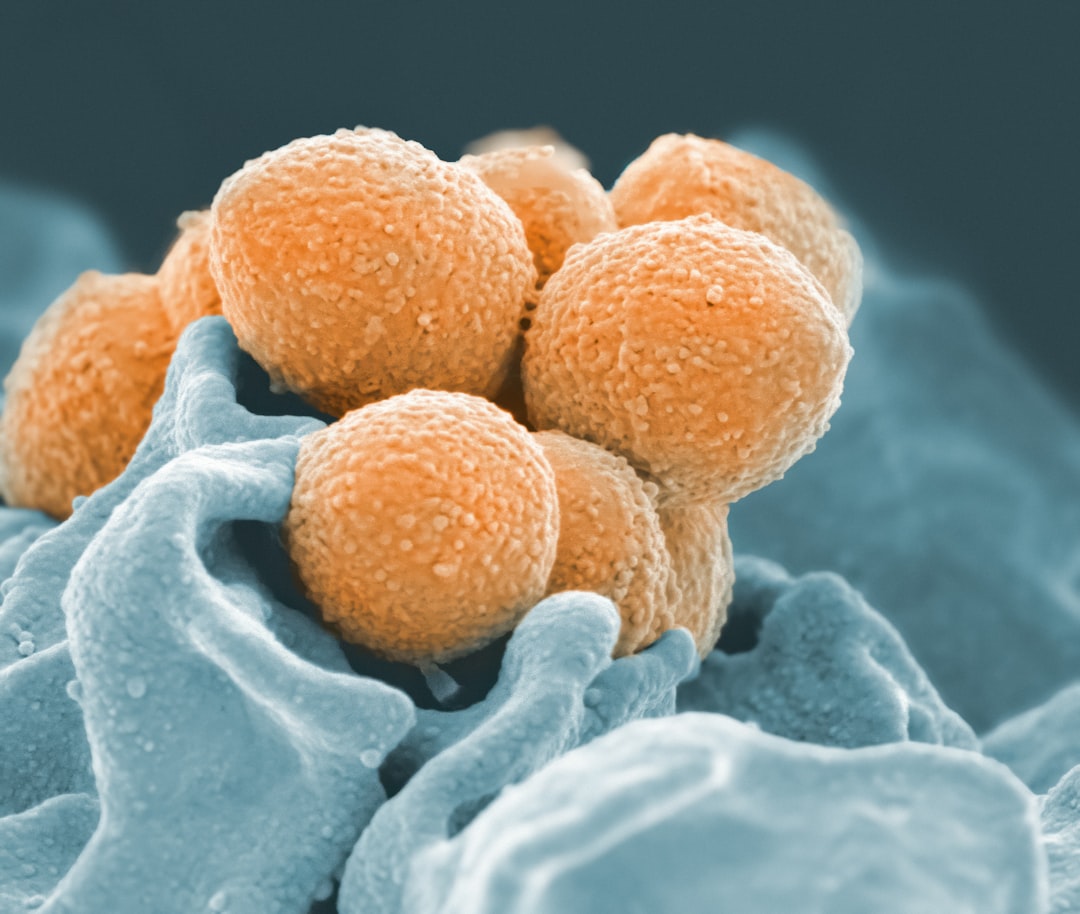
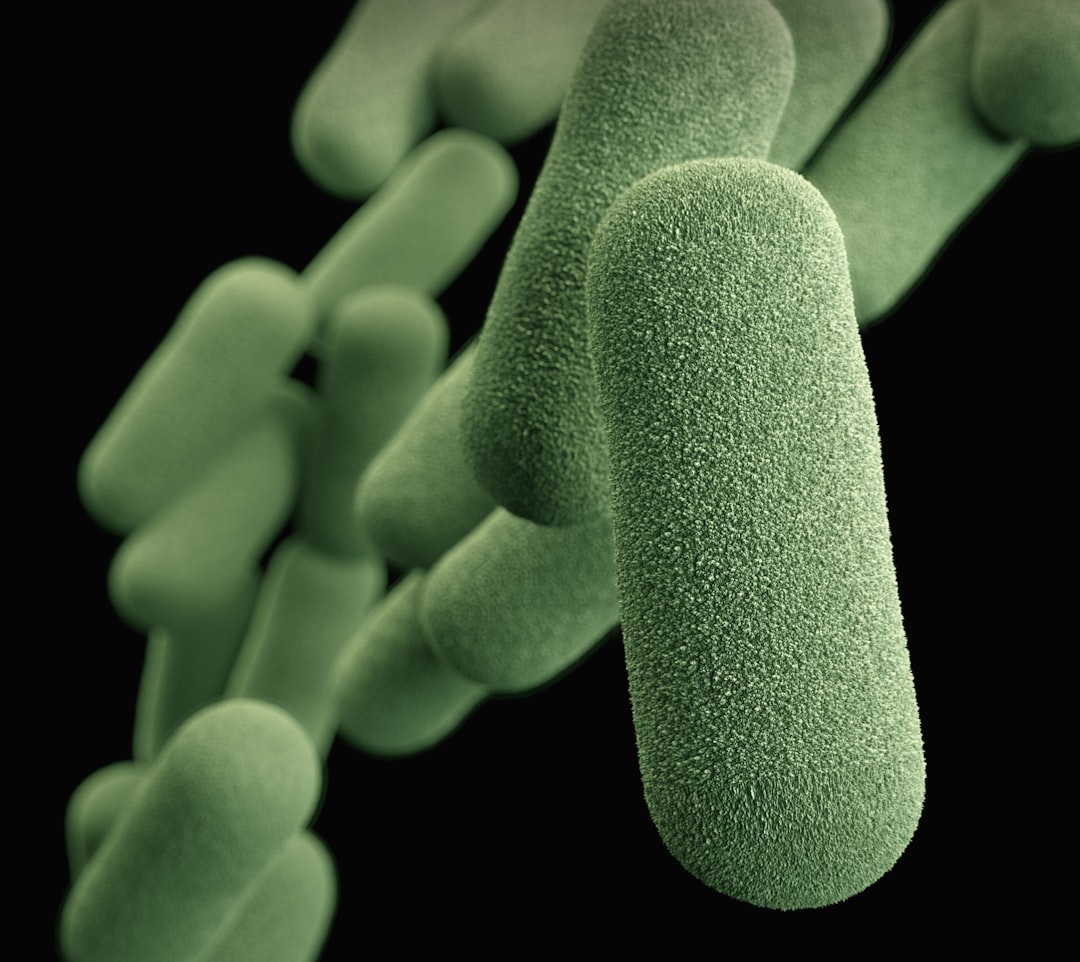
Bacillus bacteria are rod-shaped, gram-positive bacteria that have been part of Earth's ecosystem for millions of years. They're naturally found in soil, water, vegetation, and even in the human digestive system. Far from being harmful, most Bacillus species are completely safe for humans and animals, and many play crucial beneficial roles in agriculture, food production, and now, household cleaning.
The Bacillus Family: Nature's Versatile Microorganisms
The genus Bacillus contains over 200 identified species, though only a select few are used in probiotic cleaning products. The most commonly used species in cleaning applications include Bacillus subtilis, Bacillus megaterium, and Bacillus licheniformis. These particular species have been extensively studied and are recognised as safe by regulatory bodies worldwide, including the UK's Health and Safety Executive.
What makes Bacillus bacteria particularly special is their unique ability to form endospores—incredibly resilient structures that allow them to survive in harsh conditions. This spore-forming capability is what makes them ideal for cleaning products, as they remain dormant and stable in the bottle, only activating when they encounter the right conditions on surfaces in your home.
The Structure of Bacillus Bacteria
Under a microscope, Bacillus bacteria appear as rod-shaped cells, typically measuring 0.5 to 2.5 micrometres in width and 1.2 to 10 micrometres in length. Their cell walls are relatively thick and rigid, composed of peptidoglycan, which gives them their classification as gram-positive bacteria.
This robust cell wall structure contributes to their resilience and ability to produce powerful enzymes. Inside the cell, Bacillus bacteria contain all the genetic machinery needed to produce the proteases, lipases, amylases, and cellulases that make them so effective at breaking down organic matter in your home.
The Remarkable Spore Formation Process
Perhaps the most extraordinary feature of Bacillus bacteria is their ability to form endospores—one of the most resistant structures in the biological world. When environmental conditions become unfavourable (such as lack of nutrients, extreme temperatures, or desiccation), Bacillus bacteria can transform themselves into dormant spores.
Why Spores Matter for Cleaning
The spore formation capability is what makes Bacillus bacteria perfect for probiotic cleaning products:
- Stability: Spores can survive for years in a spray bottle without losing viability. They're resistant to heat, cold, UV radiation, and chemical exposure, which means the product remains effective throughout its shelf life.
- Controlled Activation: Spores remain dormant until they encounter specific environmental triggers—moisture and organic nutrients. This means they only activate when they reach the surfaces you're cleaning, not while sitting in the bottle.
- Distribution: Because spores are so small and resilient, they can be evenly distributed throughout a cleaning solution and easily sprayed onto surfaces, even reaching into microscopic crevices.
- Transport: Unlike active bacteria that require specific conditions to survive, spores can be transported, stored, and used without special handling or refrigeration.
The Germination Process
When Bacillus spores land on a surface and encounter moisture and organic matter, they undergo germination—a fascinating transformation from dormant spore to active vegetative cell. This process typically takes 6-12 hours and involves several stages:
- The spore detects chemical signals indicating a suitable environment (nutrients and water)
- The protective spore coat begins to break down
- The dormant cell within swells and becomes metabolically active
- The spore coat ruptures, releasing an active bacterial cell
- The newly activated cell begins reproducing and producing enzymes
This controlled activation ensures that the bacteria only become active when they can be useful—on surfaces where organic matter needs to be broken down and harmful bacteria need to be outcompeted.
The Safety Profile of Bacillus Bacteria
One of the most common questions about probiotic cleaning is whether Bacillus bacteria are safe. The answer is a resounding yes, and there's substantial scientific evidence to support this.
GRAS Status and Regulatory Approval
Many Bacillus species used in cleaning products hold GRAS (Generally Recognised As Safe) status in food applications. Bacillus subtilis, for example, is used in food fermentation processes and is even present in some probiotic supplements. This species has been consumed by humans for centuries in fermented foods like natto, a traditional Japanese dish.
The species used in probiotic cleaners are non-pathogenic, meaning they don't cause disease in humans or animals. They're classified as Biosafety Level 1 organisms—the lowest risk category, indicating they pose no known risk to healthy adults.
Environmental Safety
Bacillus bacteria are naturally occurring environmental organisms. When you use probiotic cleaners, you're not introducing anything foreign or synthetic into your home—you're simply adding more of the beneficial bacteria that already exist in healthy environments. Once they've completed their work and organic matter is depleted, their populations naturally decline, and they're easily broken down in wastewater treatment systems.
The Enzymatic Powerhouse
What makes Bacillus bacteria so effective for cleaning is their remarkable ability to produce a wide array of enzymes. These enzymes are biological catalysts that speed up chemical reactions, specifically the breakdown of complex organic molecules into simpler compounds.
The Enzyme Arsenal
Different Bacillus species produce different combinations of enzymes, which is why probiotic cleaning products often contain multiple species working synergistically:
- Proteases: Bacillus subtilis is particularly prolific at producing proteases, enzymes that break down proteins. These are essential for degrading protein-based soils like food residues, blood, and biological matter.
- Lipases: Bacillus species produce lipases that break down fats and oils. These enzymes are particularly valuable in kitchens where cooking oils and greasy residues are common challenges.
- Amylases: These starch-degrading enzymes break down carbohydrates, making them effective against food spills containing pasta, bread, potatoes, and other starchy materials.
- Cellulases: Some Bacillus species produce cellulases that break down cellulose from plant materials, helping to digest vegetable matter and plant-based fibres.
Industrial Applications Beyond Cleaning
The enzymatic capabilities of Bacillus bacteria have made them valuable in numerous industries beyond household cleaning. They're used in:
- Laundry detergents to break down tough stains
- Agriculture as bio-fertilisers and bio-pesticides
- Food production for fermentation processes
- Pharmaceutical manufacturing for enzyme production
- Wastewater treatment to break down organic pollutants
This widespread industrial use demonstrates both the effectiveness and safety of these remarkable microorganisms.
Competitive Exclusion: The Protective Mechanism
Beyond their enzymatic cleaning action, Bacillus bacteria provide long-term protection through competitive exclusion. Once established on a surface, they compete with potentially harmful bacteria for space and resources.
How They Outcompete Pathogens
Bacillus bacteria have several competitive advantages:
- Rapid Colonisation: When you apply a probiotic cleaner, you're introducing billions of bacteria that quickly establish dominance on the surface.
- Resource Consumption: By consuming available organic matter, they deprive potential pathogens of the nutrients they need to establish and reproduce.
- Space Occupation: Surfaces have limited space for bacterial colonisation. When beneficial bacteria occupy this space, harmful bacteria simply cannot establish a foothold.
- Antimicrobial Peptides: Some Bacillus species naturally produce antimicrobial compounds that inhibit the growth of pathogenic bacteria without harming beneficial species.
- pH Modification: Through their metabolic activities, Bacillus bacteria can alter the local pH environment, making conditions less favourable for pathogenic species.
The Environmental Origins
Understanding where Bacillus bacteria come from helps appreciate their role in nature and why they're so beneficial in our homes. These bacteria are ubiquitous in the environment, playing crucial roles in nutrient cycling and ecosystem health.
Soil Ecology
In healthy soil, Bacillus bacteria are among the most abundant microorganisms. They play essential roles in:
- Breaking down plant material and animal waste
- Releasing nutrients that plants can absorb
- Suppressing soil-borne plant pathogens
- Maintaining soil structure and fertility
When you walk barefoot on grass or work in a garden, you're encountering billions of these beneficial bacteria. They're a natural part of a healthy outdoor environment, and bringing them indoors through probiotic cleaning simply recreates some of nature's balance within your home.
The Science of Selection
Not all Bacillus bacteria are suitable for cleaning applications. The species and strains used in probiotic cleaners are carefully selected based on specific criteria:
- Safety Profile: Only non-pathogenic species with proven safety records are used
- Enzyme Production: Strains are chosen for their ability to produce effective cleaning enzymes
- Stability: They must remain viable in product formulations for extended periods
- Effectiveness: They must demonstrate proven ability to break down common household soils
- Competitive Ability: They must be able to outcompete common household pathogens
Probiotic cleaning products typically contain carefully cultivated strains that have been optimised for these characteristics through selective breeding and testing.
Why Bacillus Bacteria Are Ideal for Cleaning
After decades of research and application, Bacillus bacteria have proven to be the ideal microorganisms for probiotic cleaning. Their combination of safety, effectiveness, stability, and environmental benefits makes them superior to traditional chemical cleaning methods:
- They work continuously for days, not just when you're actively cleaning
- They penetrate into microscopic spaces that cloths and sponges cannot reach
- They break down organic matter at a molecular level
- They provide ongoing protection through competitive exclusion
- They're completely safe for families, pets, and the environment
- They don't contribute to antimicrobial resistance
- They're produced sustainably through fermentation processes
The Future of Bacillus in Cleaning
Research into Bacillus bacteria and their applications continues to evolve. Scientists are discovering new strains with enhanced capabilities, optimising existing strains for better performance, and finding new applications for these versatile microorganisms.
As we move away from harsh chemical cleaners towards more sustainable, effective solutions, Bacillus bacteria are at the forefront of this revolution. They represent a return to nature-based cleaning methods, enhanced by modern scientific understanding and biotechnology.
Experience the Power of Nature
Understanding what Bacillus bacteria are and how they work helps you appreciate the sophisticated science behind probiotic cleaning. These aren't just any bacteria—they're carefully selected, scientifically proven microorganisms that have been working in nature for millions of years to maintain healthy, balanced environments.
When you choose probiotic cleaning products containing Bacillus bacteria, you're harnessing this ancient wisdom combined with modern science to create a cleaner, healthier home for your family. It's cleaning that works with nature, not against it.
Ready to put Bacillus bacteria to work in your home? Explore our range of probiotic cleaning products, each formulated with carefully selected Bacillus strains for maximum effectiveness and safety.