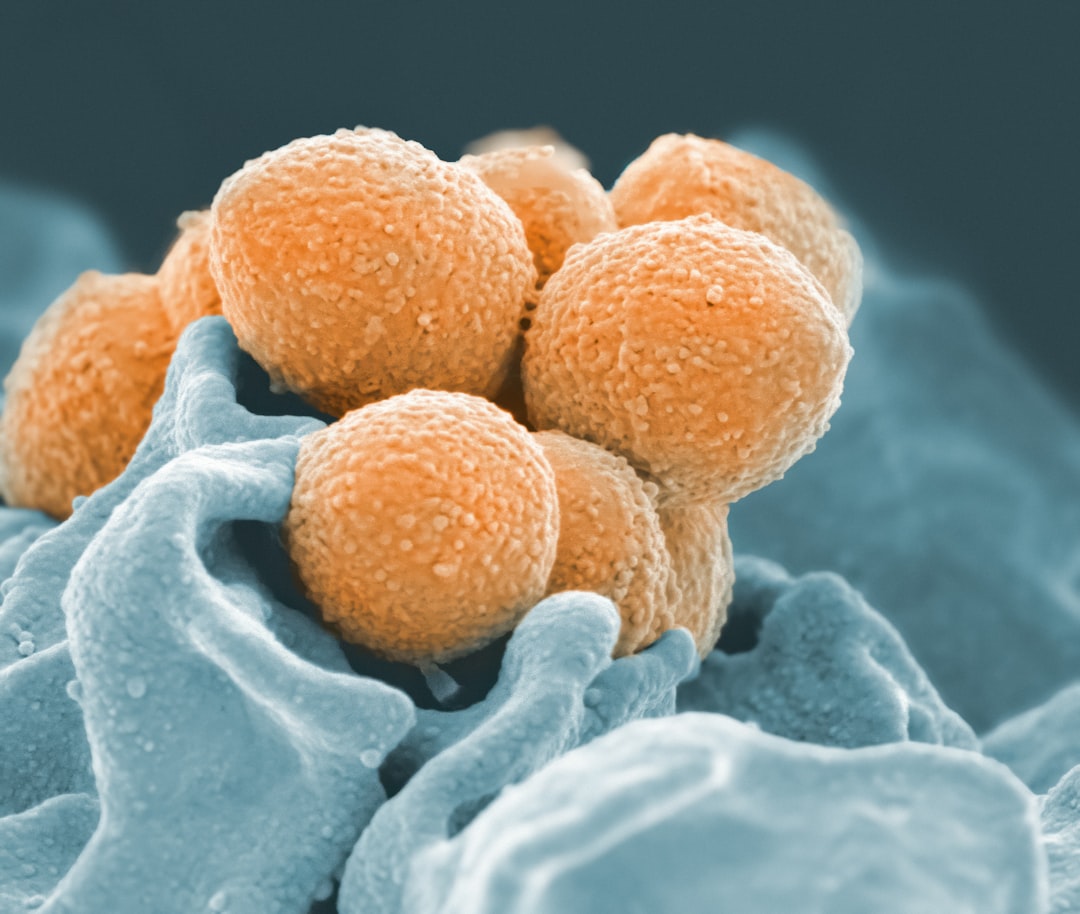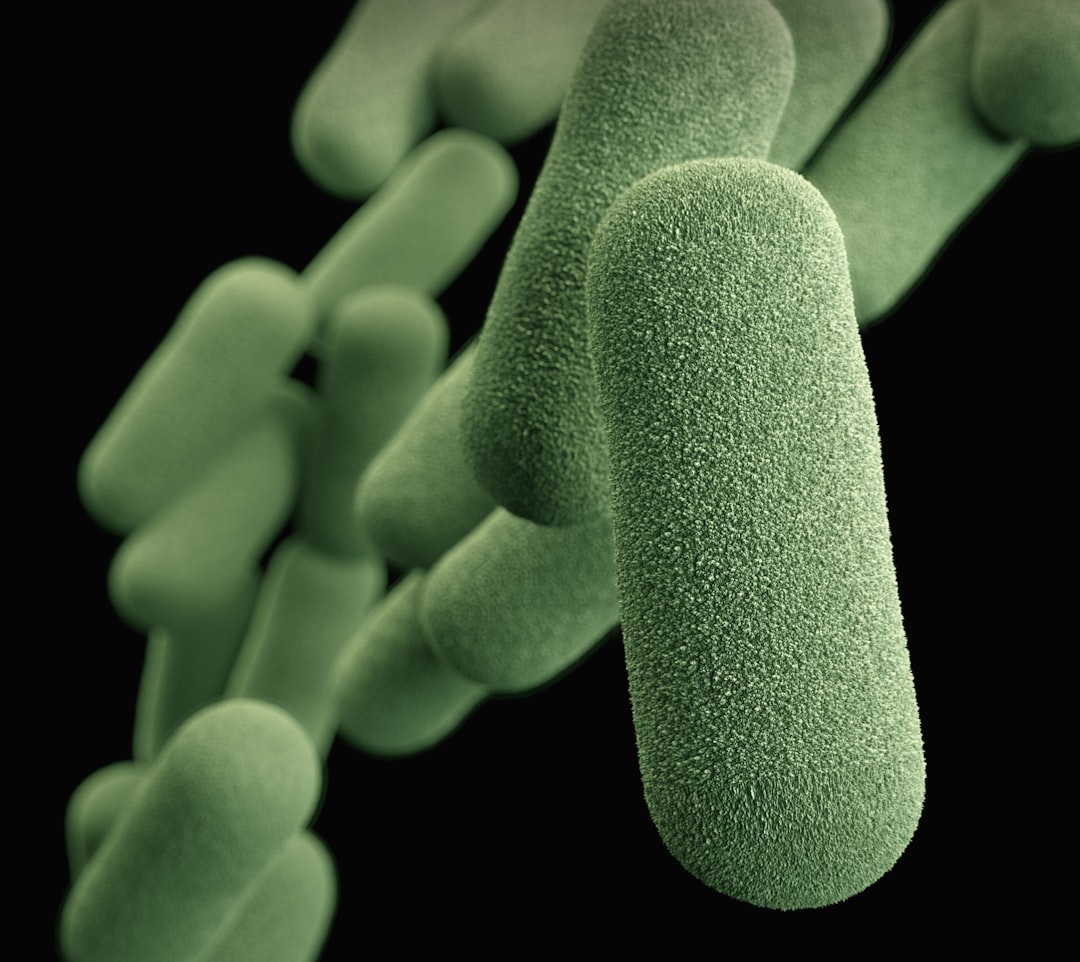
When you think about your home, you probably don't imagine it as a living ecosystem teeming with trillions of microorganisms. Yet that's exactly what it is. Every surface, every room, and every breath of air in your home contains a complex community of bacteria, fungi, and other microscopic life forms. This is your home's microbiome, and understanding it is the key to creating a healthier living environment for your family.
Just as research into the human gut microbiome has revolutionised our understanding of health, emerging science about indoor microbiomes is transforming how we think about household hygiene. The old approach of trying to sterilise everything is giving way to a more sophisticated understanding: a balanced, diverse microbiome is essential for a healthy home.
What Is the Home Microbiome?
Your home microbiome consists of all the microorganisms living in your indoor environment. These include bacteria, fungi, viruses, and archaea, collectively forming an invisible but vitally important ecosystem that affects your health, the condition of your home, and even how it smells.
The Numbers Are Staggering
Research has revealed that the average home contains:
- More than 9,000 different species of microorganisms
- Approximately 2,000 different species of fungi
- Over 7,000 species of bacteria
- Trillions upon trillions of individual microbial cells
These microorganisms aren't evenly distributed. Different areas of your home have distinct microbial communities. Your kitchen has a very different microbiome from your bathroom, which differs from your bedroom, which differs from your sitting room. Each area's unique environmental conditions—humidity, temperature, organic matter availability, and human activity patterns—shape its particular microbial community.
Sources of Your Home Microbiome
Understanding where household microorganisms come from helps explain why trying to maintain a sterile home is both impossible and undesirable.
Humans: The Primary Source
You and your family are the largest contributors to your home's microbiome. Every day, each person sheds:
- Approximately 38 million bacteria per hour
- Around 500 million skin cells daily (each carrying bacteria)
- Thousands of droplets containing microorganisms with every breath, cough, or sneeze
- Microorganisms from hands touching surfaces thousands of times daily
Far from being harmful, the microorganisms you shed are largely reflective of your own skin and gut microbiomes—communities that, in healthy individuals, are dominated by beneficial species.
Outdoor Environment
Every time you open a door or window, you invite outdoor microorganisms inside. You also bring them in on:
- Shoes and clothing
- Pets who venture outdoors
- Fresh air ventilation
- Plants and cut flowers
- Groceries and other items from outside
Studies show that homes with more outdoor exposure (windows opened regularly, nearby green spaces, pets) have more diverse microbiomes—and diversity is generally beneficial.
Pets
Pets contribute significantly to household microbial diversity. Dogs alone can increase the bacterial diversity in a home by more than 50%. Whilst this might sound alarming, research consistently shows that children raised with pets have stronger immune systems and lower rates of allergies and asthma.
Building Materials and Furnishings
The materials in your home influence which microorganisms thrive. Wood harbours different communities than plastic, fabric supports different species than glass, and porous materials provide different niches than smooth surfaces. Even the age of your home affects its microbiome—older homes tend to have more diverse microbial communities.
The Geography of Home: Microbial Hotspots
Different areas of your home have characteristically different microbial communities based on their environmental conditions and uses.
The Kitchen Microbiome
Kitchens typically have the highest concentration of bacteria in the home, but this isn't necessarily concerning. Most kitchen bacteria are associated with food and are harmless or even beneficial fermentation species.
Common kitchen microorganisms include:
- Lactic acid bacteria from dairy products
- Soil bacteria from fresh vegetables
- Environmental bacteria from raw meat and poultry
- Mould spores from bread and fruit
The kitchen sink, contrary to popular belief, typically contains more bacteria than the average toilet seat—but again, most are harmless environmental species, not pathogens.
The Bathroom Microbiome
Bathrooms have unique microbial communities adapted to high humidity and frequent water exposure. The dominant species are typically water-associated bacteria and fungi that thrive in moist environments.
Showerheads, drains, and shower curtains often develop biofilms—complex microbial communities embedded in protective matrices. Whilst these biofilms can harbour potentially harmful species, they're usually dominated by environmental organisms that are part of the natural water microbiome.
The Bedroom Microbiome
Bedrooms have microbiomes most closely reflective of human skin bacteria, given the amount of time we spend there and the extensive skin contact with bedding. Dust mites, whilst not bacteria, are important components of bedroom ecosystems and contribute to the overall microbial community by providing food and habitat.
Living Areas
Sitting rooms, hallways, and common areas have highly diverse microbiomes reflecting the activities that occur there and the people who use them. These areas often have the most balanced microbial communities, with good mixing of outdoor and human-associated species.
Good Bacteria vs. Bad Bacteria
Not all bacteria are created equal, and understanding the difference between beneficial and potentially harmful species is crucial for informed cleaning decisions.
Beneficial Household Bacteria
The vast majority of bacteria in a healthy home are beneficial or neutral. These include:
- Skin commensals: Staphylococcus epidermidis and other species that live harmlessly on human skin
- Environmental species: Soil bacteria like Bacillus species that help break down organic matter
- Lactic acid bacteria: Species associated with fermented foods that can inhibit pathogen growth
- Probiotic species: Beneficial bacteria that actively support health and outcompete harmful species
These beneficial bacteria play important roles:
- Training children's immune systems to respond appropriately to threats
- Competing with potentially harmful bacteria for resources and space
- Breaking down organic matter to prevent odours
- Maintaining balanced ecosystems that resist pathogen colonisation
Potentially Harmful Bacteria
Pathogenic bacteria do exist in homes, but in a healthy, balanced microbiome, they're present in very low numbers and unable to cause problems. Concerning species include:
- Staphylococcus aureus: Can cause skin infections if it enters wounds, though many people carry it harmlessly
- E. coli: Some strains can cause illness, though most are harmless gut bacteria
- Salmonella: Typically only present after contamination from raw poultry or eggs
- Clostridium difficile: Can cause problems in vulnerable individuals, particularly after antibiotic use
The key insight is that these potentially harmful bacteria are usually kept in check by the larger community of beneficial organisms. Problems arise not when they're present (they're almost always present in tiny numbers) but when the microbial balance is disrupted, allowing them to thrive.
How Cleaning Affects Your Home Microbiome
Different cleaning approaches have dramatically different effects on your home's microbial ecosystem.
Chemical Disinfection: The Scorched Earth Approach
Traditional chemical disinfectants like bleach, antibacterial sprays, and harsh chemicals work by killing bacteria indiscriminately. Whilst this creates temporarily sterile surfaces, it has several unintended consequences:
- Microbial Vacuum: Sterile surfaces quickly recolonise, and the first species to establish are often the most aggressive (frequently pathogenic) species
- Reduced Diversity: Regular use of disinfectants reduces overall microbial diversity, creating less stable ecosystems prone to pathogen dominance
- Resistance Selection: Chemical disinfectants create selective pressure favouring resistant organisms
- Immune System Effects: Overly sterile environments may not provide sufficient microbial exposure for proper immune system development, particularly in children
Probiotic Cleaning: Ecological Balance
Probiotic cleaning takes an entirely different approach, working with the home microbiome rather than against it:
- Diversity Enhancement: Introduces billions of beneficial bacteria that increase microbial diversity
- Competitive Exclusion: Beneficial bacteria outcompete potentially harmful species for resources and space
- Stable Communities: Creates resilient microbial ecosystems that resist pathogen colonisation
- Continuous Protection: Beneficial bacteria persist on surfaces, providing ongoing protection rather than a temporary sterile period
The Hygiene Hypothesis and Immune Development
Research into the hygiene hypothesis has revealed that microbial exposure during childhood is crucial for proper immune system development.
The Science
Children raised in overly sterile environments have higher rates of:
- Allergies and asthma
- Autoimmune conditions
- Eczema and other skin conditions
- Certain metabolic disorders
The mechanism appears to be that diverse microbial exposure helps train the immune system to distinguish between harmless environmental organisms and actual threats. Without this training, immune systems may overreact to benign substances (causing allergies) or attack the body's own tissues (causing autoimmune disease).
The Right Kind of Exposure
The hygiene hypothesis doesn't mean neglecting cleanliness—it means creating homes with diverse, balanced microbiomes rather than attempting sterility. Probiotic cleaning provides exactly this: cleanliness without sterility, removing harmful residues whilst maintaining beneficial microbial communities.
Measuring and Monitoring Home Microbiomes
Whilst you can't see your home's microbiome with the naked eye, research techniques have revealed fascinating patterns.
What Science Has Discovered
Major studies on home microbiomes have found:
- Each home has a unique microbial signature as distinctive as a fingerprint
- You can predict a family's microbiome from their home's microbiome and vice versa
- Homes with dogs have measurably different (and more diverse) microbiomes than homes without
- Opening windows and increasing outdoor air exchange increases beneficial microbial diversity
- The type of cleaning products used significantly impacts microbial community structure
Creating a Healthy Home Microbiome
You can actively promote a healthier microbial ecosystem in your home through several strategies:
Increase Diversity
- Open windows regularly to allow outdoor microbial exchange
- Spend time outdoors and bring those microorganisms inside on clothing and shoes (yes, really!)
- Keep houseplants, which support diverse microbial communities
- Consider a pet if your circumstances allow (especially dogs)
Use Probiotic Cleaning
Switch from harsh chemical disinfectants to probiotic cleaners that actively support beneficial microbial communities whilst removing harmful residues and pathogens.
Avoid Over-Cleaning
Clean for health, not sterility. Regular cleaning with gentle products is better than infrequent harsh disinfection that disrupts microbial balance.
Manage Moisture
Control humidity and fix water leaks promptly. Excessive moisture can allow potentially harmful fungi and bacteria to thrive.
Improve Ventilation
Good air circulation and fresh air exchange help maintain healthy microbial communities and prevent the stagnation that allows problematic species to dominate.
The Future of Home Hygiene
Understanding the home microbiome represents a paradigm shift in how we think about cleanliness. The future of home hygiene isn't about achieving sterility—it's about cultivating healthy, balanced microbial ecosystems that support human health rather than undermining it.
Probiotic cleaning is at the forefront of this revolution, translating cutting-edge microbiome science into practical household products. By working with your home's natural microbial ecosystem rather than trying to destroy it, probiotic cleaning creates genuinely healthier living environments.
Your home's microbiome is an invisible but vitally important component of your family's health. Nurture it wisely, and it will nurture you in return.
Ready to support your home's microbiome? Explore our probiotic cleaning range designed to promote microbial balance, diversity, and health throughout your living spaces.