How Bacteria Multiply
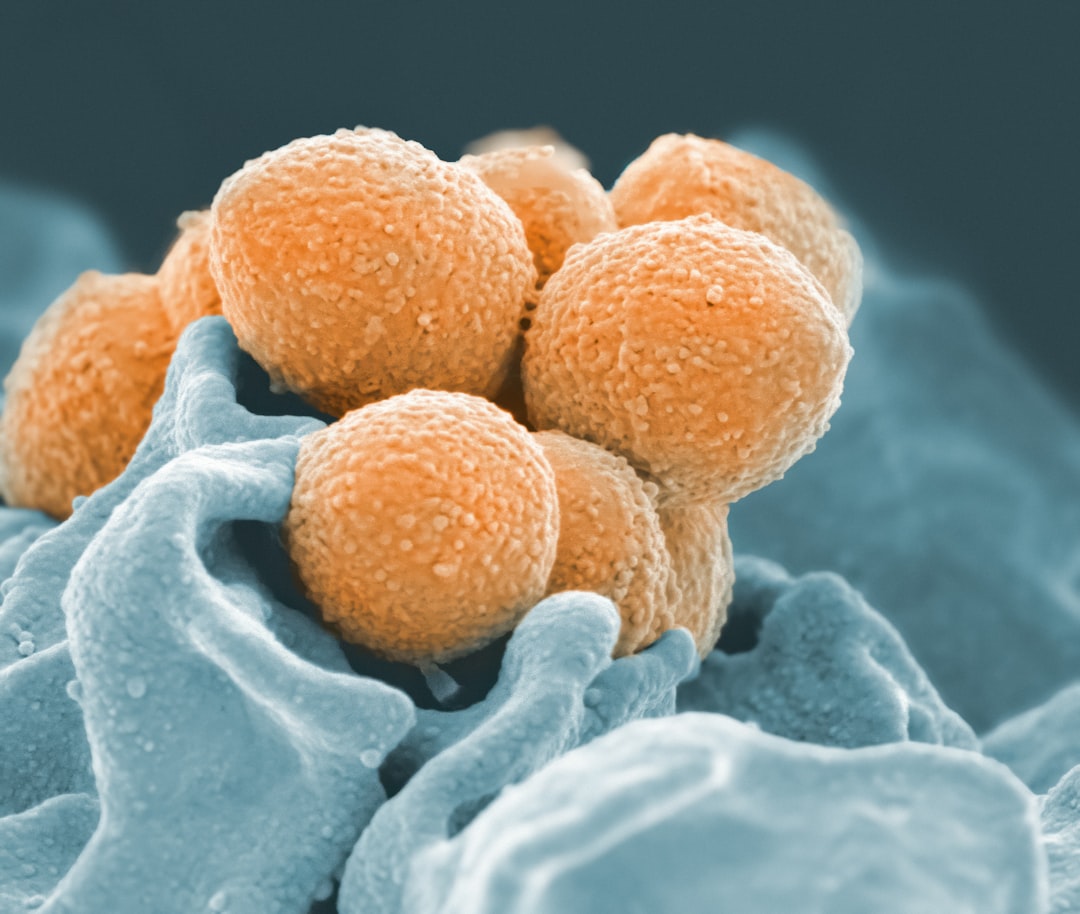
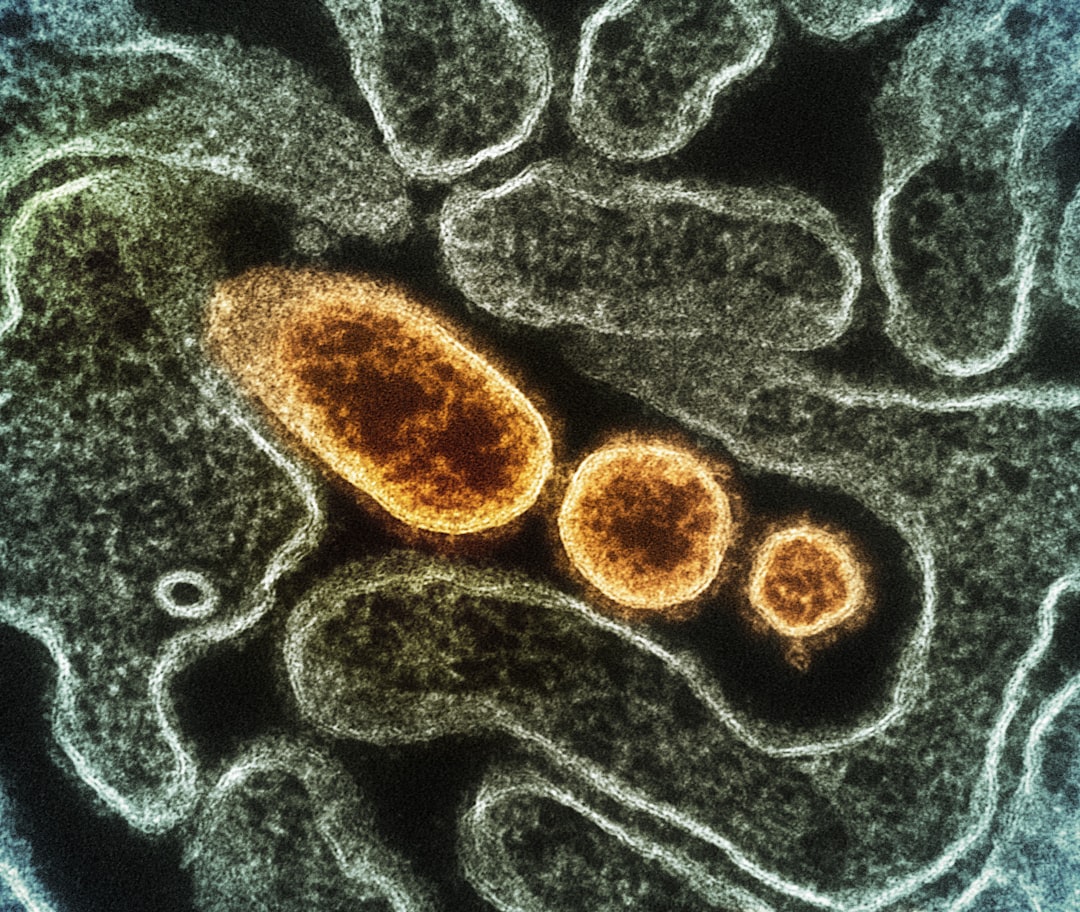
Bacterial reproduction represents one of the most fundamental processes in microbiology. Unlike animals or plants that reproduce sexually, producing genetically diverse offspring through complex developmental stages, bacteria typically reproduce through binary fission—a remarkably simple process where one cell divides into two identical daughter cells. The speed and efficiency of this process enable bacteria to colonise environments rapidly, adapt to changing conditions, and, in disease contexts, overwhelm host defences. Understanding bacterial cell division and growth rates reveals crucial insights about bacterial behaviour, infection dynamics, and effective control strategies.
The rapidity of bacterial reproduction proves astounding. Under optimal conditions, many bacteria double their populations every 20-30 minutes. Starting with a single bacterium, this exponential growth could theoretically produce over one million bacteria in just seven hours, or over one billion in ten hours. In reality, various limitations prevent such explosive growth, but the potential remains clear: bacteria can colonise environments and establish dominant populations with remarkable speed.
Binary Fission: The Division Process
Binary fission begins with DNA replication. Bacterial chromosomes—typically circular DNA molecules—attach to the cell membrane at specific sites. As DNA replication proceeds, the two chromosome copies move apart, pulled by growing membrane between them. This choreographed movement ensures each daughter cell receives complete genetic information.
Simultaneously with DNA replication, the cell elongates, growing to approximately twice its original size. This growth requires synthesis of new membrane, cell wall material, ribosomes, and all other cellular components. The cell essentially doubles its entire contents, preparing to split into two viable daughter cells.
Division proceeds through formation of a septum—a wall that grows inward from the cell periphery, eventually dividing the elongated cell into two separate cells. The protein FtsZ forms a ring structure that guides septum formation, functioning as a bacterial division apparatus analogous to the contractile ring that divides animal cells. Once the septum completes, the daughter cells separate, each capable of beginning another division cycle.
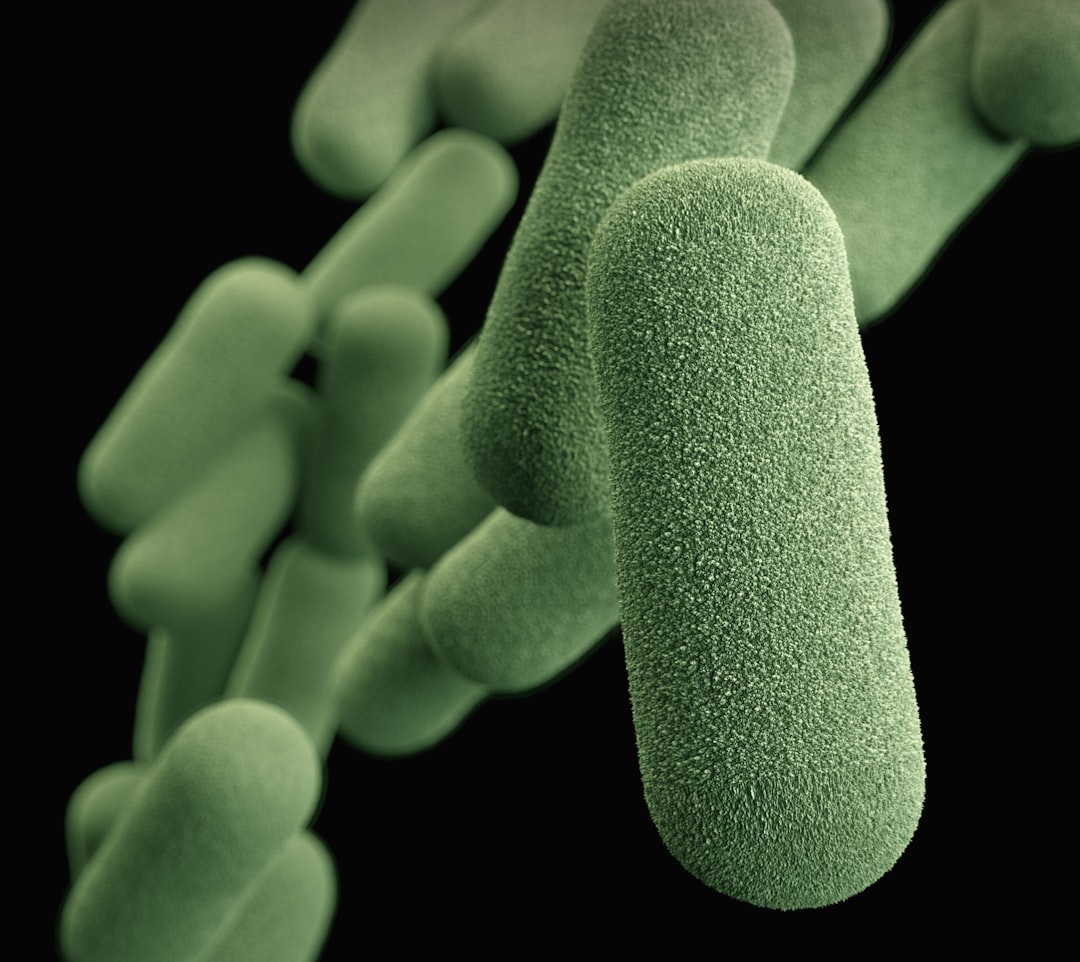
The entire process, from initiation to separation, can complete in as little as 20 minutes for rapidly growing bacteria like Escherichia coli under optimal conditions. This remarkable speed allows bacterial populations to respond rapidly to environmental opportunities, colonising favourable environments before competitors can establish themselves.
Generation Time: The Measure of Growth Rate
Generation time—the time required for a bacterial population to double—varies enormously among species and environmental conditions. E. coli in nutrient-rich laboratory media at optimal temperature may double every 20 minutes. Bacillus subtilis, a common beneficial bacterium, typically shows generation times of 30-60 minutes under favourable conditions. Some slower-growing species like Mycobacterium tuberculosis require 15-20 hours to double.
These differences reflect varied metabolic strategies and ecological adaptations. Fast-growing bacteria typically employ efficient but resource-intensive metabolic pathways. They thrive in nutrient-rich environments where rapid resource exploitation proves advantageous. Slower-growing species often show greater metabolic versatility or stress tolerance, succeeding in nutrient-poor or challenging environments where rapid growth would be impossible.
Environmental conditions dramatically affect generation times. Temperature, nutrient availability, oxygen levels, pH, and moisture all influence growth rates. E. coli growing optimally at 37°C in rich medium might show 20-minute generation times, but at 20°C in minimal medium, generation times could extend to several hours. Understanding these dependencies helps predict bacterial behaviour in real-world environments.
The Growth Curve: Phases of Population Growth
When bacteria colonise new environments, their population growth follows a characteristic pattern called the bacterial growth curve, comprising four distinct phases: lag phase, exponential (log) phase, stationary phase, and death phase.
The lag phase occurs immediately after bacteria are introduced to new environments. During this period, bacteria don't multiply; instead, they adapt to new conditions, synthesising enzymes needed to metabolise available nutrients and repairing damage from previous environments. Lag phase duration varies from minutes to hours depending on how different the new environment is from the previous one and how stressed bacteria were during transfer.
Exponential phase begins when bacteria start dividing at their maximum rate under current conditions. Population growth follows exponential mathematics: one becomes two, two become four, four become eight, with each generation doubling the population. This phase continues as long as nutrients remain abundant, waste products haven't accumulated to inhibitory levels, and space allows expansion.
Stationary phase begins when growth-limiting factors—nutrient depletion, waste accumulation, or space limitation—halt population expansion. During this phase, bacterial division and death rates equalise, producing stable population sizes. Many bacteria respond to stationary phase by producing survival structures like spores or by initiating stress responses that enhance survival during unfavourable conditions.
Death phase occurs if conditions continue deteriorating. Nutrients become exhausted, toxic wastes accumulate, and population density creates additional stresses. Bacterial death rate exceeds division rate, causing population decline. However, some bacteria persist as spores or in dormant states, ready to resume growth if conditions improve.
Factors Limiting Bacterial Growth
Despite their rapid reproduction potential, bacterial populations rarely achieve unlimited exponential growth. Various factors constrain population expansion, preventing the bacterial explosion theoretical growth rates would suggest.
Nutrient limitation represents the most common growth constraint. Bacteria require carbon sources for energy and structural material, nitrogen for protein synthesis, phosphorus for nucleic acids, sulphur for certain amino acids, and various trace minerals. Depletion of any essential nutrient halts growth, with bacteria entering stationary phase or dying.
Waste accumulation similarly limits growth. Bacterial metabolism produces waste products—organic acids, carbon dioxide, ammonia, or others depending on metabolic pathways—that accumulate in bounded environments. These wastes can lower pH, create osmotic stress, or directly poison cellular processes, eventually halting growth even if nutrients remain available.
Space limitation becomes important when bacteria grow on surfaces or in biofilms. Physical space provides upper limits on bacterial populations. Once surfaces become completely colonised or biofilms reach certain thicknesses, growth slows dramatically. This spatial limitation proves particularly relevant for household surfaces where bacterial growth occurs in thin surface films.
Bacterial Growth on Household Surfaces
Bacterial growth on household surfaces follows patterns distinct from growth in liquid cultures. Nutrients arrive sporadically—from food spills, hand contact, airborne particles—creating feast-and-famine cycles. Moisture fluctuates with humidity, cleaning, and surface use. Temperature varies with seasons and room function.
These fluctuating conditions mean surface bacteria alternate between growth periods when conditions permit and survival periods when conditions prove restrictive. A kitchen counter might support rapid bacterial growth immediately after food preparation (abundant nutrients, moisture), followed by slow growth or death as the surface dries and nutrients deplete, then renewed growth after the next meal preparation.
This dynamic explains why continuous bacterial management proves necessary. Even thoroughly cleaned surfaces can become recolonised within hours as airborne bacteria land and resident survivors resume growth when conditions improve. Probiotic cleaning addresses this reality by establishing beneficial bacterial communities that maintain dominance through these fluctuating conditions, competing effectively with pathogens during growth periods.
Competitive Growth Dynamics
When multiple bacterial species colonise the same surface, their relative growth rates determine which species dominate. Faster-growing bacteria can outcompete slower growers, increasing their population proportion over time. However, growth rate represents just one factor; nutrient preference, stress tolerance, and antimicrobial compound production all influence competitive outcomes.
Beneficial bacteria used in probiotic cleaning typically show robust growth rates under diverse conditions. Bacillus subtilis grows rapidly when nutrients are available, allowing it to expand populations quickly and occupy available space before slower-growing pathogens establish themselves. Additionally, its ability to sporulate when conditions deteriorate ensures persistence, maintaining beneficial bacterial presence even during unfavourable periods.
This competitive advantage proves crucial for probiotic cleaning effectiveness. Regular application ensures beneficial bacteria always have population advantages. When pathogens are introduced—through food contact, hand touching, or airborne settling—they encounter surfaces already dominated by rapidly growing beneficial bacteria. The established beneficial populations consume available nutrients, occupy attachment sites, and produce antimicrobial compounds, making pathogenic establishment extremely difficult.
Biofilm Growth Rates and Structure
Bacterial growth within biofilms differs markedly from planktonic (free-floating) growth. Biofilm bacteria often grow more slowly than their planktonic counterparts due to nutrient and oxygen gradients within biofilm structures. Surface bacteria receive abundant nutrients and oxygen, growing rapidly. Bacteria deep within biofilms experience nutrient limitation and oxygen depletion, growing slowly or entering dormancy.
This growth heterogeneity creates biofilm resilience. Rapidly growing surface bacteria replenish biofilm mass, whilst slow-growing or dormant deep bacteria resist antimicrobial treatments that target actively growing cells. Antibiotics and disinfectants typically prove most effective against rapidly growing bacteria, explaining why biofilms resist these treatments.
Disrupting biofilms requires addressing this growth heterogeneity. Enzyme-producing beneficial bacteria degrade biofilm matrices, improving nutrient and oxygen penetration that reactivates dormant bacteria, making them more susceptible to environmental stresses. This enzymatic disruption, combined with competitive pressure from beneficial bacteria, proves more effective than chemical approaches alone.
Practical Implications for Cleaning and Hygiene
Understanding bacterial growth rates and division processes informs effective hygiene practices. Rapid bacterial growth means contamination can occur quickly—spilled food can support substantial bacterial populations within hours. Prompt cleaning prevents bacteria from completing enough division cycles to establish problematic populations.
Regular cleaning frequency should account for bacterial generation times. Cleaning high-risk surfaces daily disrupts bacterial growth before populations reach concerning levels. Less frequently used surfaces might require only weekly cleaning, but high-touch or food-contact surfaces benefit from daily attention.
Probiotic cleaning leverages growth dynamics favourably. Beneficial bacteria's rapid growth and robust environmental tolerance allow them to maintain population dominance between applications. Each cleaning reinforces beneficial populations, creating increasingly effective protection as beneficial bacteria establish themselves more thoroughly with repeated applications.
The goal isn't preventing all bacterial growth—impossible in real-world environments—but rather ensuring beneficial bacteria grow faster and more extensively than pathogens, creating stable, protective microbial communities that naturally suppress contamination through competitive exclusion. This ecological approach works with bacterial growth dynamics rather than fighting against them, providing sustainable, effective protection.