How Bacteria Move
Bacterial motility—the ability to move independently—represents one of the most fascinating aspects of microbial biology. Despite lacking muscles, limbs, or any structures we typically associate with movement, many bacteria navigate their environments with remarkable precision, seeking favourable conditions whilst avoiding harmful ones. Understanding bacterial movement reveals how microbes colonise surfaces, spread through environments, and compete for resources in your home.
Bacteria employ several distinct mechanisms for movement, each suited to different environments and purposes. The most common and well-studied is flagellar motility, where rotating filaments propel bacteria through liquid environments. However, bacteria also exhibit gliding motility across solid surfaces, twitching motility using retractable appendages, and even passive movement through air currents or water flow.
Flagellar Motility: The Bacterial Propeller
Flagella are whip-like appendages that extend from bacterial cell surfaces, functioning as miniature propellers. Each flagellum comprises a complex molecular motor embedded in the cell membrane, connected to a flexible filament that extends into the surrounding medium. The motor rotates the filament at astonishing speeds—up to 100,000 revolutions per minute—generating thrust that propels the bacterium forward.
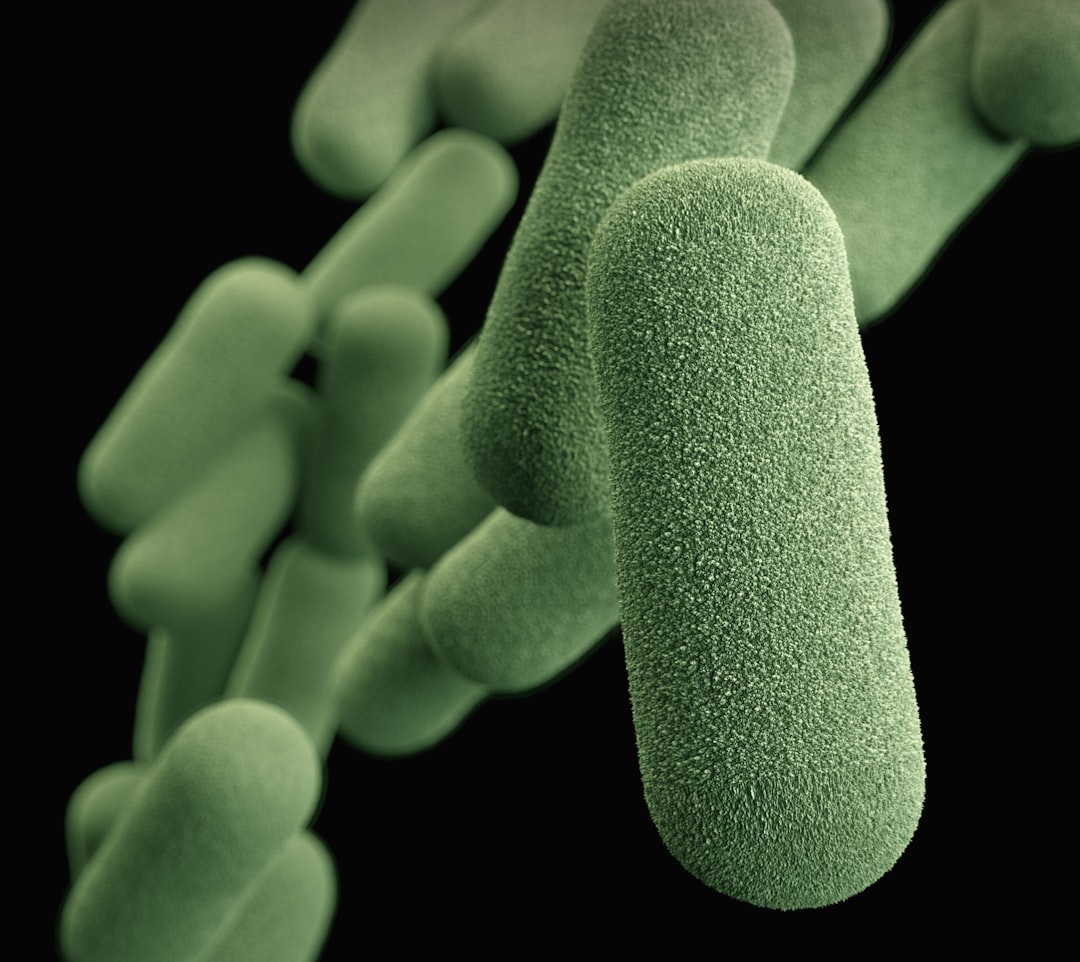
Different bacterial species exhibit various flagellar arrangements. Monotrichous bacteria possess a single flagellum at one pole, allowing rapid directed movement but limited manoeuvrability. Lophotrichous bacteria have multiple flagella clustered at one end, providing increased power. Amphitrichous species feature flagella at both poles, enabling quick direction reversal. Peritrichous bacteria display flagella distributed across their entire surface, offering exceptional manoeuvrability in complex environments.
The flagellar motor represents one of nature's most sophisticated molecular machines. It harnesses the flow of protons (or sometimes sodium ions) across the cell membrane to generate rotational force, functioning essentially as a biological turbine. This remarkable structure demonstrates the complexity that can arise even in single-celled organisms.
Chemotaxis: Purposeful Movement
Bacteria don't simply swim randomly—they navigate purposefully towards beneficial conditions and away from harmful ones through a process called chemotaxis. Bacteria detect chemical gradients in their environment using specialised receptor proteins. When they sense increasing concentrations of nutrients (attractants), they swim in straighter paths towards the source. When detecting increasing concentrations of toxins (repellents), they tumble more frequently, effectively moving away from danger.
This seemingly simple behaviour enables remarkably sophisticated navigation. Bacteria essentially perform temporal comparisons—assessing whether conditions are improving or deteriorating over time as they move. If the concentration of an attractant increases, they continue in their current direction. If it decreases, they tumble and try a new direction, gradually biasing their random walk towards favourable locations.
Chemotaxis explains how bacteria rapidly colonise nutrient-rich areas. When you spill food on a surface, bacteria detect the nutrients and swim towards the spill, concentrating in that location. This targeted movement allows bacteria to exploit resources efficiently, outcompeting less mobile or directionless organisms.
Gliding Motility: Movement on Surfaces
Some bacteria move across solid surfaces through gliding motility, a mechanism distinct from flagellar swimming. Gliding bacteria lack flagella but nevertheless traverse surfaces smoothly, often leaving trails of slime in their wake. The exact mechanisms of gliding vary among different bacterial groups, but most involve secreting adhesive polysaccharides whilst simultaneously pushing against them to generate movement.
Myxobacteria exhibit particularly sophisticated gliding behaviour, often moving in coordinated groups that resemble multicellular organisms. These bacteria can hunt other bacteria cooperatively, surrounding and consuming them through collective action. Whilst not typically encountered in household environments, gliding bacteria demonstrate the diverse strategies microbes employ for movement.
Understanding gliding motility has practical implications for surface cleaning. Gliding bacteria can spread across surfaces more effectively than non-motile species, potentially colonising larger areas from initial contamination points. However, they also tend to be slower than flagellated bacteria, and regular cleaning disrupts their spread effectively.
Twitching Motility: Using Pili for Movement
Twitching motility relies on type IV pili—thin, retractable protein filaments that extend from bacterial cells. Bacteria using this mechanism extend pili, anchor them to surfaces, and then retract them, pulling the cell forward in a jerky, twitching motion. This movement proves particularly effective on moist surfaces and within biofilms.
Type IV pili serve multiple functions beyond movement. They facilitate surface attachment, play roles in DNA uptake during horizontal gene transfer, and contribute to biofilm formation. Their multifunctional nature makes them important targets for understanding bacterial colonisation and developing control strategies.
Many pathogens employ twitching motility to navigate across human tissues and within biofilms. Pseudomonas aeruginosa, a problematic bacterium in hospital environments, uses twitching motility to explore surfaces and establish infections. Understanding this movement mechanism helps explain how certain bacteria spread across medical devices and surfaces despite regular cleaning.
Swarming: Coordinated Collective Movement
Swarming represents a fascinating form of bacterial social behaviour where thousands or millions of bacteria move together in coordinated patterns across surfaces. Swarming bacteria often differentiate into specialised swarmer cells—elongated, hyperflagellated forms that move more rapidly than their non-swarming counterparts.
During swarming, bacteria produce surfactants that reduce surface tension, creating a thin film across which they can move more easily. The collective behaviour involves complex cell-cell signalling, with bacteria coordinating their movements to explore surfaces efficiently and colonise new territories rapidly.
Bacillus subtilis, a common beneficial bacterium used in probiotic cleaning, exhibits impressive swarming behaviour under appropriate conditions. This capability allows probiotic bacteria to spread across cleaned surfaces more effectively, establishing protective populations more rapidly than non-motile competitors. Their ability to swarm contributes to the effectiveness of probiotic cleaning in establishing beneficial bacterial coverage.
Implications for Surface Contamination
Bacterial motility significantly affects how contamination spreads in your home. Motile bacteria can actively seek out and colonise nutrient-rich areas, spreading from initial contamination points more rapidly than non-motile species. This explains why spills can lead to bacterial contamination extending beyond the visible spill area—motile bacteria swim or glide into surrounding regions.
However, motility also enables beneficial bacteria to spread effectively. When you apply probiotic cleaners, the motile beneficial bacteria can actively explore surfaces, seeking out organic matter and establishing themselves in locations where they can compete most effectively with potential pathogens. Their movement capabilities enhance their colonisation efficiency compared to non-motile alternatives.
Environmental Factors Affecting Motility
Bacterial movement depends heavily on environmental conditions. Flagellar swimming requires sufficient moisture—bacteria cannot swim across dry surfaces. Temperature affects motility rates, with most bacteria moving faster at optimal growth temperatures. Surface properties influence gliding and twitching motility, with smooth, moist surfaces generally facilitating movement whilst rough or dry surfaces impede it.
Understanding these factors helps optimise cleaning strategies. Maintaining appropriate surface moisture through probiotic misting allows beneficial bacteria to spread effectively whilst drying surfaces thoroughly when needed limits pathogenic bacterial movement. The balance depends on specific circumstances—areas requiring ongoing bacterial control benefit from regular probiotic application that maintains beneficial bacterial populations, whilst areas where sterility is desired should be kept dry to limit all bacterial activity.
Motility and Biofilm Formation
Bacterial motility plays complex roles in biofilm development. Initially, motile bacteria use flagella or pili to approach surfaces and explore them for favourable attachment sites. Once appropriate locations are found, many bacteria downregulate motility genes and begin producing adhesive polysaccharides that anchor them permanently.
Within developing biofilms, some bacteria retain motility, moving through the channels and pores in the biofilm matrix. This internal motility allows bacteria to redistribute themselves within biofilms, seeking optimal positions for nutrient access and waste removal. The dynamic nature of biofilm populations—with both motile and sessile (attached) bacteria—contributes to their resilience and adaptability.
Probiotic bacteria use their motility to navigate into developing biofilms, where they can compete with pathogenic species and disrupt biofilm structure through enzyme production. Their ability to penetrate existing biofilms enhances their effectiveness compared to conventional cleaners that only affect biofilm surfaces.
Practical Applications in Cleaning
Understanding bacterial motility informs effective cleaning practices. For probiotic cleaning, applying products to damp surfaces allows beneficial bacteria time to swim or glide across larger areas before surfaces dry, maximising coverage from each application. Allowing adequate contact time before wiping enables motile probiotics to spread and establish themselves effectively.
For pathogen control, recognising that motile bacteria can spread from contamination sources emphasises the importance of prompt cleaning of spills and regular sanitisation of high-touch surfaces. However, it also highlights that attempting to achieve sterility is futile in real-world environments—bacteria will inevitably recolonise through air, contact, and their own movement. Establishing beneficial bacterial populations through probiotic cleaning provides sustainable, ongoing protection that adapts to bacterial movement dynamics rather than fighting against them.