Two Pathways to Energy
Bacteria extract energy from nutrients through two fundamentally different processes: respiration and fermentation. These metabolic pathways differ profoundly in their efficiency, end products, and environmental requirements, yet both enable bacteria to sustain life, reproduce, and influence their surroundings. Understanding the distinction between respiration and fermentation reveals why certain bacteria thrive in particular environments, what waste products they produce, and how we can manipulate conditions to favour beneficial bacteria over harmful ones.
The choice between respiration and fermentation isn't merely academic—it determines bacterial behaviour in practical, observable ways. Respiratory bacteria typically grow faster and produce more biomass because they extract more energy from nutrients. Fermenting bacteria grow more slowly but can survive without oxygen, colonising environments respiratory bacteria cannot. The waste products these pathways produce explain why some bacterial growth creates offensive odours whilst other growth proves relatively innocuous.
Aerobic Respiration: Maximum Efficiency
Aerobic respiration represents the most efficient energy-extraction pathway available to bacteria. In this process, bacteria completely oxidise organic compounds—typically glucose or other sugars—using oxygen as the final electron acceptor. The complete oxidation yields carbon dioxide, water, and substantial energy in the form of ATP (adenosine triphosphate), the universal cellular energy currency.
The biochemistry proceeds through three main stages: glycolysis breaks glucose into pyruvate molecules, the citric acid cycle (Krebs cycle) further oxidises pyruvate whilst extracting high-energy electrons, and the electron transport chain uses these electrons and oxygen to generate large quantities of ATP. From a single glucose molecule, aerobic respiration can generate approximately 32-38 ATP molecules—an impressive energy yield.
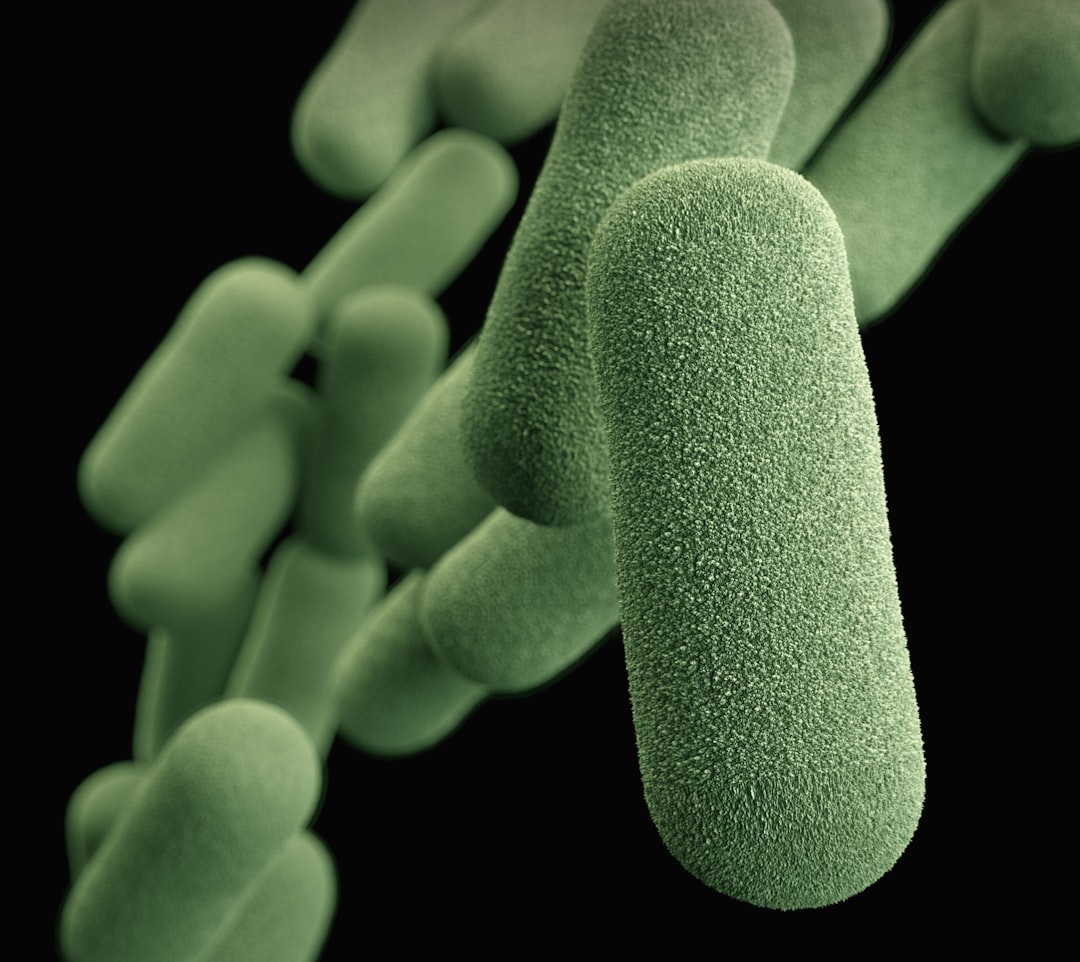
This efficiency allows aerobic bacteria to grow rapidly when oxygen and nutrients are available. Bacillus subtilis, a beneficial bacterium used in many probiotic cleaning products, employs aerobic respiration when oxygen is present, enabling it to multiply quickly and establish dominant populations on cleaned surfaces. Many pathogenic bacteria, including Pseudomonas aeruginosa and Escherichia coli, also use aerobic respiration when oxygen is available, explaining their rapid growth in oxygen-rich environments.
Fermentation: Energy Without Oxygen
Fermentation provides an alternative energy pathway that doesn't require oxygen. Bacteria using fermentation partially break down organic compounds through glycolysis but cannot proceed through the citric acid cycle or electron transport chain because these processes require oxygen or alternative electron acceptors. Instead, they regenerate the molecules needed to continue glycolysis by reducing pyruvate into various organic compounds.
The energy yield from fermentation proves far lower than respiration—typically just 2 ATP molecules per glucose molecule, compared to 32-38 from aerobic respiration. This sixteen-fold difference explains why fermenting bacteria generally grow much slower than respiratory bacteria when competing for the same nutrients. However, fermentation's independence from oxygen allows bacteria to colonise and survive in oxygen-poor environments where respiratory bacteria cannot grow.
Different fermentation pathways produce different end products, which profoundly affects their ecological impact. Lactic acid fermentation produces lactate, lowering pH and creating acidic environments. Alcoholic fermentation generates ethanol and carbon dioxide. Mixed-acid fermentation creates various organic acids including acetate, formate, and succinate. These diverse products determine the environmental changes fermenting bacteria create.
Anaerobic Respiration: A Middle Ground
Some bacteria employ anaerobic respiration—a process that resembles aerobic respiration but uses alternative electron acceptors instead of oxygen. Nitrate, sulphate, iron, manganese, and other compounds can serve as electron acceptors, allowing bacteria to extract more energy than fermentation provides whilst still functioning without oxygen.
Anaerobic respiration yields intermediate energy amounts—more than fermentation but less than aerobic respiration. The specific electron acceptor determines energy yield and waste products. Nitrate-reducing bacteria produce nitrogen gas or nitrite. Sulphate-reducing bacteria generate hydrogen sulphide, which smells like rotten eggs. Iron-reducing bacteria produce reduced iron compounds that can stain surfaces.
These waste products explain many household odour problems. Drains, rubbish bins, and other oxygen-poor environments often harbour sulphate-reducing bacteria whose hydrogen sulphide production creates characteristic foul smells. Understanding the metabolic source of these odours informs control strategies—introducing oxygen through ventilation or applying enzyme-producing bacteria that degrade odour-causing compounds addresses root causes rather than merely masking symptoms.
Facultative Anaerobes: Metabolic Flexibility
Many bacteria demonstrate metabolic flexibility, switching between respiration and fermentation depending on oxygen availability. These facultative anaerobes preferentially use aerobic respiration when oxygen is available but switch to fermentation when oxygen becomes scarce. This adaptability allows them to colonise diverse environments and survive fluctuating conditions.
Escherichia coli, perhaps the most studied bacterium, exemplifies facultative anaerobic metabolism. In oxygen-rich environments like aerated cultures, it grows rapidly through aerobic respiration. In the oxygen-poor intestinal tract, it switches to fermentation or anaerobic respiration, growing more slowly but surviving conditions that would kill obligate aerobes. This metabolic versatility contributes to its success as both an intestinal resident and environmental contaminant.
Beneficial bacteria used in probiotic cleaning often show similar flexibility. Bacillus subtilis preferentially respires aerobically but can switch to fermentation or anaerobic respiration when oxygen becomes limiting. This adaptability allows it to establish itself across diverse household environments—oxygen-rich open surfaces, oxygen-depleted biofilms, and everything between.
Environmental Consequences of Different Metabolisms
The metabolic pathway bacteria employ profoundly affects their surroundings. Aerobic respiration produces relatively benign waste—carbon dioxide diffuses harmlessly into air, and water either evaporates or integrates into surface moisture. These clean waste products mean aerobically respiring bacteria don't create unpleasant conditions or damage surfaces during normal growth.
Fermentation creates more problematic waste products. Lactic acid fermentation acidifies surfaces, potentially damaging pH-sensitive materials. The acids also create harsh environments that can inhibit competing bacteria but sometimes damage surfaces. Alcoholic fermentation's ethanol production proves less damaging but can affect sensitive materials. Mixed-acid fermentation creates complex waste mixtures with varied effects.
Anaerobic respiration using sulphate produces particularly offensive hydrogen sulphide. Beyond its notorious smell, this compound corrodes metals and damages various materials. Sulphate-reducing bacteria growing in drains or pipes can cause both odour problems and actual structural damage over time. Similarly, iron-reducing bacteria can stain plumbing fixtures and fabrics with their reduced iron waste products.
Implications for Bacterial Competition
The energy efficiency difference between respiration and fermentation creates competitive dynamics favouring respiratory bacteria in oxygen-rich environments. When oxygen is available, bacteria using aerobic respiration extract sixteen times more energy from nutrients than fermenting bacteria, allowing much faster growth. This growth advantage typically allows aerobic bacteria to outcompete fermenters for available nutrients and space.
However, in oxygen-poor environments, fermenting bacteria and anaerobic respirers gain advantages. They can extract energy from nutrients that aerobic bacteria cannot use without oxygen. This explains bacterial succession in enclosed or buried environments—initially, aerobic bacteria dominate, consuming oxygen whilst multiplying rapidly. As oxygen depletes, anaerobic bacteria take over, establishing populations that persist until oxygen becomes available again.
Probiotic cleaning leverages these competitive dynamics by introducing aerobic bacteria that can outcompete many pathogens in normal household environments. Most household surfaces receive adequate oxygen for aerobic respiration, giving beneficial Bacillus species competitive advantages through their efficient metabolism. Their rapid growth and robust populations make pathogenic colonisation difficult even when pathogens are introduced.
Biofilms and Metabolic Stratification
Biofilms create unique metabolic environments where respiration and fermentation occur simultaneously in different regions. Surface bacteria with access to oxygen respire aerobically, consuming oxygen rapidly. This oxygen consumption creates anaerobic zones deeper in biofilms where bacteria must ferment or use anaerobic respiration.
This metabolic stratification contributes to biofilm resilience. Aerobic surface bacteria grow rapidly, maintaining biofilm structure and mass. Anaerobic deep bacteria grow slowly but tolerate conditions that would kill aerobes. Treatments targeting aerobic metabolism spare anaerobic bacteria, whilst those targeting anaerobes may not penetrate sufficiently to reach them. The metabolic diversity creates populations resistant to single-mechanism control strategies.
Enzymatic disruption of biofilm matrices addresses this challenge by improving oxygen and nutrient penetration throughout biofilms. When enzymes degrade matrix material, oxygen can reach previously anaerobic zones, enabling aerobic metabolism throughout biofilms. This metabolic shift makes biofilm bacteria more uniform in their physiology and often more susceptible to environmental stresses or competitive pressure from beneficial bacteria.
Practical Applications for Household Hygiene
Understanding respiratory versus fermentative metabolism informs effective cleaning strategies. Aerating environments favours aerobic bacteria—beneficial species that respire efficiently, grow rapidly, and produce clean waste products. Good ventilation in bathrooms and kitchens promotes aerobic bacterial communities whilst discouraging anaerobic fermenters and respirers that produce odorous compounds.
For problematic anaerobic environments like drains, introducing oxygen through flushing with aerated water can temporarily shift metabolism towards respiration. However, these environments quickly return to anaerobic conditions. More sustainable approaches involve introducing bacteria that tolerate low oxygen whilst producing enzymes that degrade odour compounds, providing ongoing control rather than temporary relief.
Probiotic cleaning products containing facultatively anaerobic bacteria provide protection across varying oxygen conditions. In well-aerated areas, beneficial bacteria respire efficiently and grow rapidly. In oxygen-poor areas, they switch to fermentation or anaerobic respiration, growing more slowly but maintaining presence. This metabolic flexibility ensures beneficial bacteria persist across diverse household environments, providing comprehensive protection.
Energy Efficiency and Cleaning Product Design
The metabolic efficiency difference between respiration and fermentation affects probiotic cleaning product formulation. Products designed for oxygen-rich environments can rely on aerobic bacteria that multiply rapidly after application, quickly establishing protective populations. Products for oxygen-poor environments like drains must account for slower fermentative growth, often including higher initial bacterial concentrations to compensate.
Some advanced formulations include multiple bacterial strains with different metabolic capabilities: obligate aerobes for rapid colonisation of oxygen-rich surfaces, facultative anaerobes for versatility, and even some anaerobes for challenging low-oxygen environments. This metabolic diversity ensures effective bacterial establishment across varying household conditions.
The Role of Nutrient Availability
Both respiration and fermentation require organic nutrients, but their relative efficiency affects how thoroughly bacteria can exploit nutrient sources. Aerobic bacteria extract more energy from nutrients, meaning they can grow larger populations from the same organic matter. This thorough nutrient exploitation leaves less available for competing bacteria.
Fermenting bacteria extract less energy per nutrient molecule, leaving partially oxidised organic compounds as waste. These waste products can serve as nutrients for other bacteria capable of degrading them. This incomplete nutrient exploitation creates more complex bacterial communities where waste products from one species become food for others.
In probiotic cleaning contexts, aerobic bacteria's efficient nutrient consumption proves advantageous. They thoroughly deplete available organic matter, leaving less for pathogenic competitors. Their clean waste products (carbon dioxide and water) don't support secondary bacterial growth, unlike fermentation waste that other bacteria can metabolise. This metabolic thoroughness contributes to beneficial bacteria's competitive effectiveness.
Sustainable Bacterial Management Through Metabolic Understanding
Understanding bacterial respiration and fermentation transforms how we approach household hygiene. Rather than attempting to eliminate all bacteria through antimicrobial chemicals—an approach that fails to distinguish between metabolic types and creates resistant populations—manipulating environmental conditions to favour beneficial aerobic bacteria whilst discouraging problematic anaerobes creates sustainable, effective protection.
Promoting aerobic metabolism through ventilation, moisture control, and regular cleaning establishes conditions where rapidly growing beneficial bacteria outcompete slower-growing fermenters and anaerobic respirers. Applying probiotic cleaners introduces efficient aerobic bacteria that capitalise on these favourable conditions, establishing dominant populations that resist pathogenic intrusion through superior metabolic efficiency and growth rates.