Understanding Bacterial Toxins
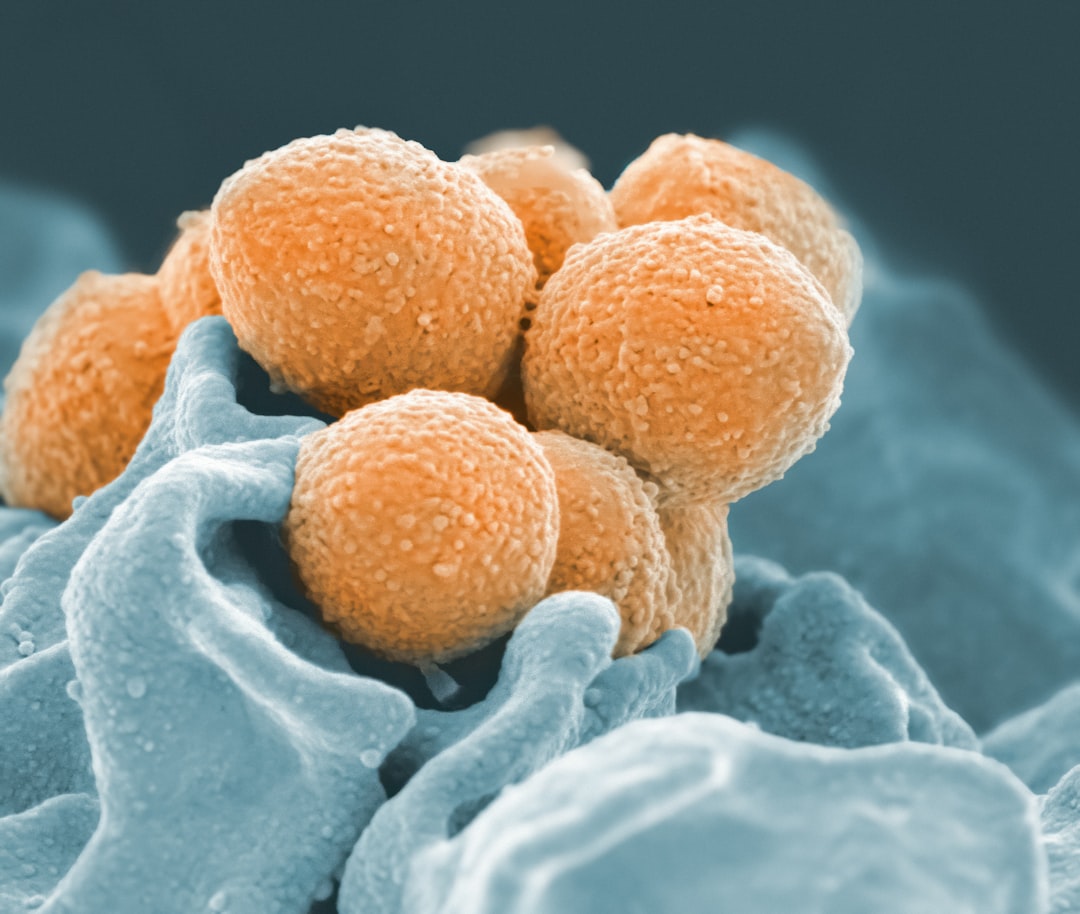
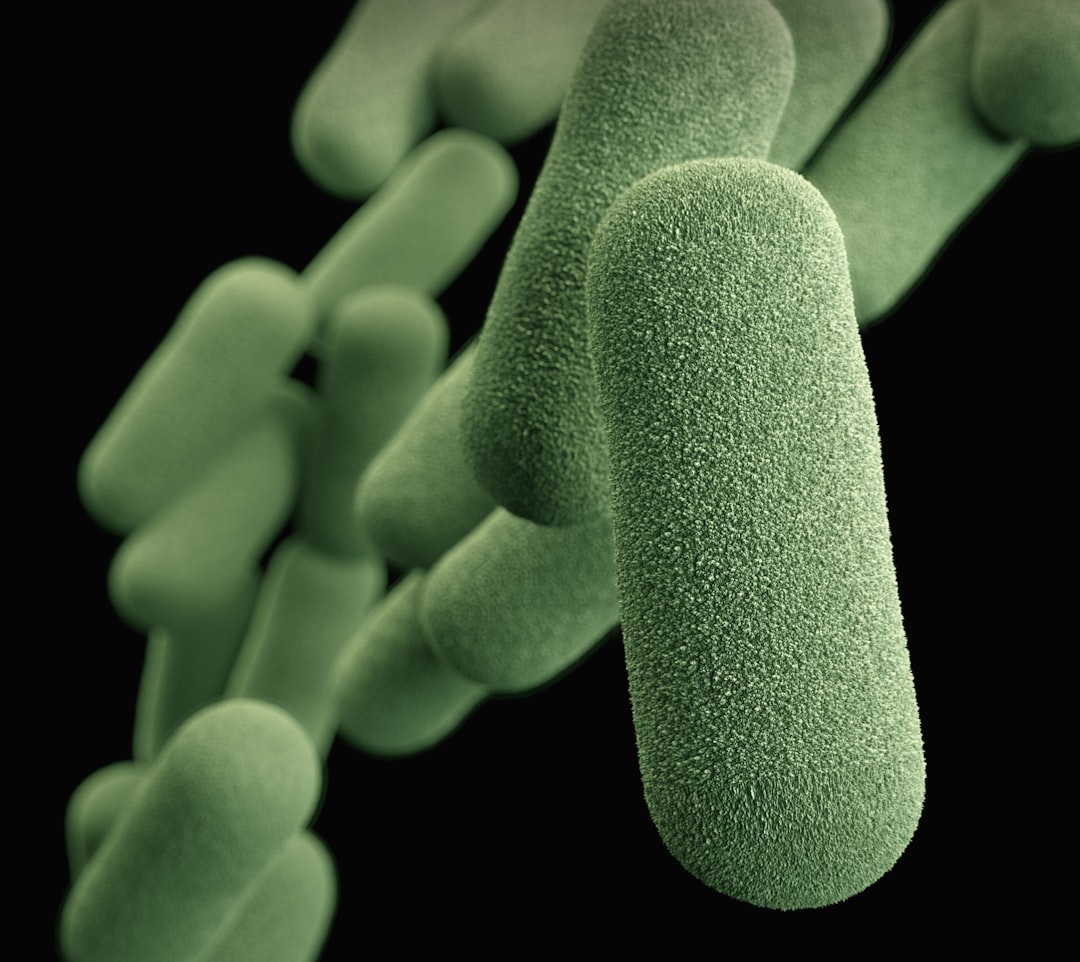
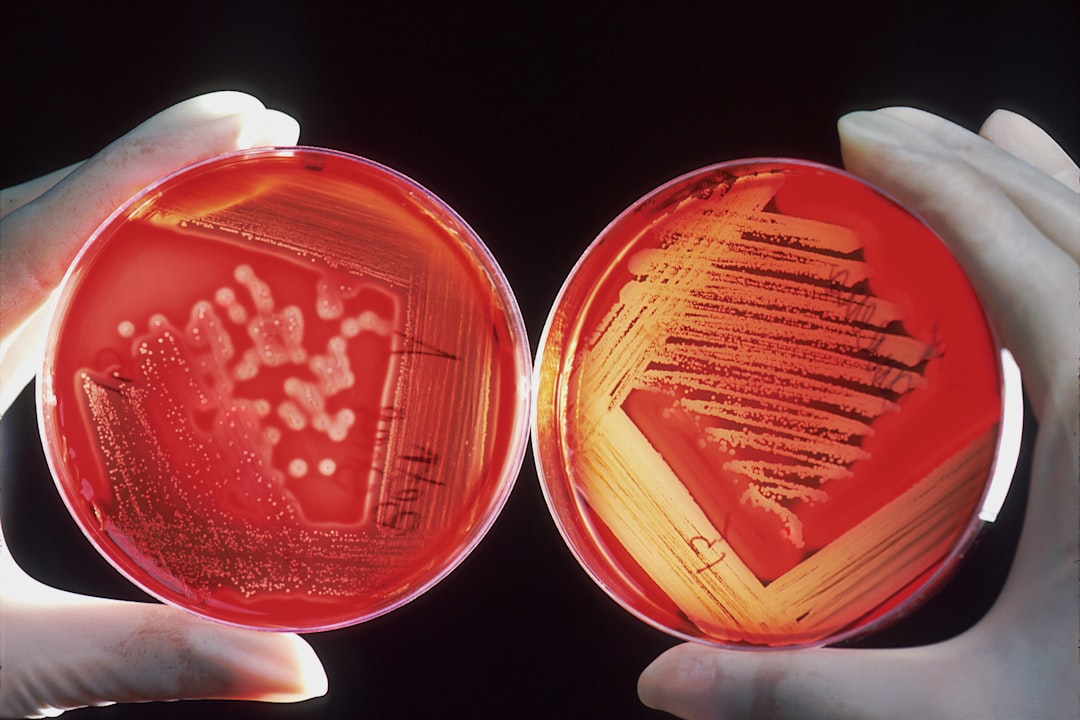
Bacterial toxins represent some of the most potent biological molecules known to science. These toxic compounds enable bacteria to damage host tissues, suppress immune responses, and create environmental conditions favourable to bacterial survival. Understanding the distinction between endotoxins and exotoxins—the two major categories of bacterial toxins—reveals crucial insights about bacterial pathogenesis, immune system function, and why certain bacteria prove particularly dangerous.
Whilst most bacteria in your home are harmless or even beneficial, the minority that produce toxins can cause significant health problems. Recognising how toxins function and spread informs effective cleaning strategies and helps explain why probiotic approaches that prevent pathogenic colonisation prove superior to methods that merely kill bacteria without preventing recolonisation.
Exotoxins: Secreted Weapons
Exotoxins are proteins that bacteria actively secrete into their surroundings. These sophisticated molecules target specific host cells or immune system components, causing damage through precise mechanisms. Different pathogenic bacteria produce different exotoxins, each designed for specific purposes: some disrupt cell membranes, others interfere with protein synthesis, and still others manipulate immune responses or nervous system function.
The potency of exotoxins proves remarkable. Botulinum toxin, produced by Clostridium botulinum, ranks among the most poisonous substances known—a single gram theoretically could kill millions of people. Tetanus toxin from Clostridium tetani causes severe muscle spasms by preventing nerve signal regulation. Cholera toxin, secreted by Vibrio cholerae, causes catastrophic fluid loss by manipulating intestinal cell function.
Fortunately, most bacteria don't produce such potent exotoxins. However, many common household pathogens produce milder exotoxins that still cause problems. Staphylococcus aureus secretes enterotoxins that cause food poisoning and toxic shock syndrome toxin. Some Escherichia coli strains produce Shiga toxin, causing severe gastrointestinal illness. Understanding exotoxin production emphasises the importance of preventing pathogenic bacterial growth rather than simply killing bacteria after contamination occurs.
Endotoxins: The Structural Toxin
Endotoxins differ fundamentally from exotoxins. Rather than being secreted proteins, endotoxins are structural components of bacterial cell walls, specifically the lipopolysaccharide (LPS) layer found in Gram-negative bacteria. Endotoxins are released only when bacterial cells die and disintegrate, exposing their cell wall components to the immune system.
The human immune system responds powerfully to endotoxins. Even tiny amounts of LPS trigger strong inflammatory responses: fever, increased heart rate, and activation of numerous immune defences. In small doses, this inflammation helps fight infection. In large doses—such as when massive numbers of bacteria die simultaneously—endotoxin can trigger septic shock, a life-threatening condition where inflammation spirals out of control.
This endotoxin release has practical cleaning implications. When disinfectants kill large numbers of Gram-negative bacteria on surfaces, they release endotoxins that persist on those surfaces. Subsequent contact can trigger allergic-type responses or inflammation, particularly in sensitive individuals. This represents another advantage of probiotic cleaning: by preventing pathogenic colonisation through competition rather than mass killing, beneficial bacteria minimise endotoxin accumulation on household surfaces.
Toxin Production and Environmental Conditions
Many bacteria only produce exotoxins under specific environmental conditions. Stress triggers toxin production in some species—nutrient depletion, overcrowding, or exposure to antimicrobial compounds can induce bacteria to produce toxins as survival mechanisms. This phenomenon means that partial disinfection or inadequate cleaning can actually stimulate toxin production in surviving bacteria.
Clostridium difficile, which causes severe intestinal infections, illustrates this principle perfectly. This bacterium lives harmlessly in many people's intestines, held in check by beneficial bacterial communities. When antibiotics kill beneficial bacteria, C. difficile populations expand and begin producing toxins that damage intestinal lining. The toxins, not merely bacterial presence, cause disease symptoms.
Similarly, Staphylococcus aureus produces more toxins when stressed by antimicrobial compounds or resource limitation. Regular harsh disinfection can paradoxically increase toxin production in surviving bacteria, making them more dangerous than unstressed populations. This counterintuitive effect demonstrates why killing bacteria proves less important than preventing pathogenic species from establishing themselves in the first place.
Exotoxin Mechanisms of Action
Exotoxins employ diverse mechanisms to damage tissues and evade immunity. Type I exotoxins target cell membranes, creating pores that allow cellular contents to leak out or enable toxin entry. Staphylococcus aureus produces several membrane-damaging toxins, including alpha-toxin which creates holes in cell membranes.
Type II exotoxins, called A-B toxins, consist of two components: a binding domain (B) that attaches to specific cell surface receptors, and an active domain (A) that enters cells and disrupts internal processes. Cholera toxin, diphtheria toxin, and many others follow this two-part design. The specificity of the binding domain determines which cells the toxin affects.
Type III exotoxins interfere with cell signalling. Some mimic or block neurotransmitters, others manipulate immune cell function. Botulinum and tetanus toxins both target nerve signal transmission but in opposite ways—botulinum prevents muscle contraction whilst tetanus prevents muscle relaxation.
Understanding these mechanisms reveals why toxin-producing bacteria prove so dangerous. Even small bacterial populations can produce sufficient toxin to cause serious illness. This emphasises prevention over treatment: maintaining beneficial bacterial populations that prevent pathogenic colonisation proves more effective than attempting to eliminate established pathogenic populations.
Endotoxin Structure and Effects
Lipopolysaccharide molecules consist of three components: lipid A (the toxic portion), a core oligosaccharide, and an O-antigen polysaccharide chain. Lipid A anchors in the bacterial outer membrane, whilst the polysaccharide chains extend outward. When bacteria die, LPS fragments are released.
Human immune cells possess specific receptors (Toll-like receptor 4, or TLR4) that recognise lipid A with extreme sensitivity. This recognition triggers inflammatory signalling cascades: immune cells release cytokines, blood vessels dilate, fever develops, and numerous defensive mechanisms activate. This response evolved to fight Gram-negative bacterial infections but becomes dangerous when excessive.
Endotoxin proves remarkably stable. Unlike protein exotoxins that denature with heat or chemical treatment, lipid A withstands boiling, many disinfectants, and prolonged storage. This stability means endotoxin accumulates wherever Gram-negative bacteria have grown and died, persisting long after viable bacteria disappear.
Healthcare facilities monitor endotoxin levels carefully because medical devices contaminated with endotoxin can cause severe reactions even after sterilisation kills all bacteria. Similar concerns apply in homes, particularly for individuals with inflammatory conditions or compromised immunity. Probiotic cleaning that prevents Gram-negative pathogen accumulation simultaneously prevents endotoxin accumulation.
Food Poisoning and Toxin-Mediated Illness
Many cases of food poisoning result from bacterial toxins rather than bacterial infection. Staphylococcus aureus growing in improperly stored food produces enterotoxins. Consuming the toxin—even if subsequent cooking kills the bacteria—causes vomiting and diarrhoea within hours. The bacteria needn't be alive or even present in large numbers; the pre-formed toxin alone causes illness.
Bacillus cereus, a common environmental bacterium, produces two different toxins causing distinct food poisoning syndromes. The emetic toxin causes vomiting, whilst the diarrheal toxin causes intestinal distress. Both toxins can persist in food even after the bacteria themselves are killed by reheating.
These toxin-mediated foodborne illnesses highlight the importance of prevention. Proper food storage preventing bacterial growth proves more critical than cooking, which may kill bacteria but cannot eliminate pre-formed toxins. Similarly, keeping kitchen surfaces dominated by beneficial bacteria through probiotic cleaning reduces opportunities for toxin-producing pathogens to grow on preparation surfaces.
Toxins and Biofilms
Biofilms create protected environments where bacteria produce toxins more readily. The biofilm matrix shields bacteria from environmental stresses that would normally suppress toxin production. Additionally, the high bacterial density in biofilms increases total toxin output. Biofilm-associated bacteria often produce more virulence factors, including toxins, than their planktonic counterparts.
Disrupting biofilms therefore serves dual purposes: it reduces bacterial populations and decreases toxin production. Beneficial bacteria used in probiotic cleaning produce enzymes that degrade biofilm matrices whilst competing with biofilm-forming pathogens for attachment sites. This enzymatic disruption, combined with competitive exclusion, reduces both pathogenic bacterial populations and their associated toxin production.
Immune Response to Bacterial Toxins
The human immune system has evolved sophisticated mechanisms to combat bacterial toxins. Antibodies can neutralise exotoxins by binding to them and preventing their interaction with target cells. This antibody-based immunity forms the basis of vaccines against toxin-producing bacteria—diphtheria, tetanus, and pertussis vaccines all work by stimulating antibody production against bacterial toxins.
However, immune responses to endotoxin prove less beneficial. Whilst inflammation helps clear infection, excessive inflammatory responses to endotoxin cause more harm than good. The immune system struggles to calibrate appropriate responses to LPS, sometimes overreacting dangerously.
Supporting healthy immune function through reduced chronic toxin exposure represents an important but underappreciated aspect of home hygiene. Minimising endotoxin accumulation by preventing Gram-negative bacterial accumulation reduces unnecessary inflammatory stimulation. Probiotic cleaning accomplishes this by maintaining beneficial bacterial dominance that prevents pathogenic colonisation.
Practical Implications for Home Hygiene
Understanding bacterial toxins reinforces several key cleaning principles. Prevention proves superior to remediation—maintaining beneficial bacterial populations that prevent pathogenic colonisation eliminates toxin production before it begins. Regular cleaning removes organic matter that supports pathogenic growth, whilst probiotic application establishes beneficial bacteria that outcompete toxin producers.
Avoiding harsh disinfectants for routine cleaning reduces selection pressure for toxin production and minimises endotoxin release from mass bacterial death. Reserve strong disinfectants for genuine contamination events requiring immediate pathogenic elimination, not routine maintenance.
Focus particularly on areas where food contact or human contact could transfer toxins: kitchen preparation surfaces, cutting boards, utensils, and hand-contact surfaces like door handles and light switches. These areas benefit most from establishing beneficial bacterial populations through regular probiotic cleaning, creating ongoing protection against toxin-producing pathogens.
The goal isn't sterility—impossible to achieve and maintain in real-world environments—but rather beneficial bacterial dominance that naturally suppresses toxin-producing pathogens through competition, creating safer environments without the downsides of chemical warfare against bacteria.