Every cleaning choice you make has environmental consequences. The products flowing down your drain don't simply disappear—they enter waterways, affect aquatic ecosystems, and contribute to broader environmental challenges. As climate concern grows and sustainability becomes non-negotiable, understanding the environmental impact of household cleaning is crucial. Probiotic cleaning isn't just gentler on the environment than chemical alternatives—it's actively beneficial in multiple, measurable ways.
Here are ten compelling reasons why switching to probiotic cleaning is one of the most impactful environmental choices you can make in your daily life.
1. Zero Toxic Chemical Pollution
Traditional cleaning products release thousands of tonnes of synthetic chemicals into the environment annually. These chemicals—including phosphates, chlorine, ammonia, synthetic fragrances, and various surfactants—contaminate waterways, harm aquatic life, and persist in ecosystems for years.
The Chemical Burden
Consider what conventional cleaning contributes to environmental pollution:
- Bleach (Sodium Hypochlorite): Extremely toxic to aquatic organisms; reacts with organic matter to form carcinogenic compounds; contributes to formation of toxic byproducts in water treatment
- Ammonia: Toxic to fish and aquatic invertebrates; disrupts aquatic ecosystems; contributes to eutrophication
- Phosphates: Cause algal blooms that deplete oxygen in water bodies, creating dead zones where aquatic life cannot survive
- Synthetic Fragrances: Contain phthalates and other compounds that accumulate in aquatic organisms and disrupt endocrine systems
- Quaternary Ammonium Compounds: Persist in the environment, accumulate in sediments, and harm aquatic microorganisms essential for healthy waterways
The Probiotic Alternative
Probiotic cleaners contain:
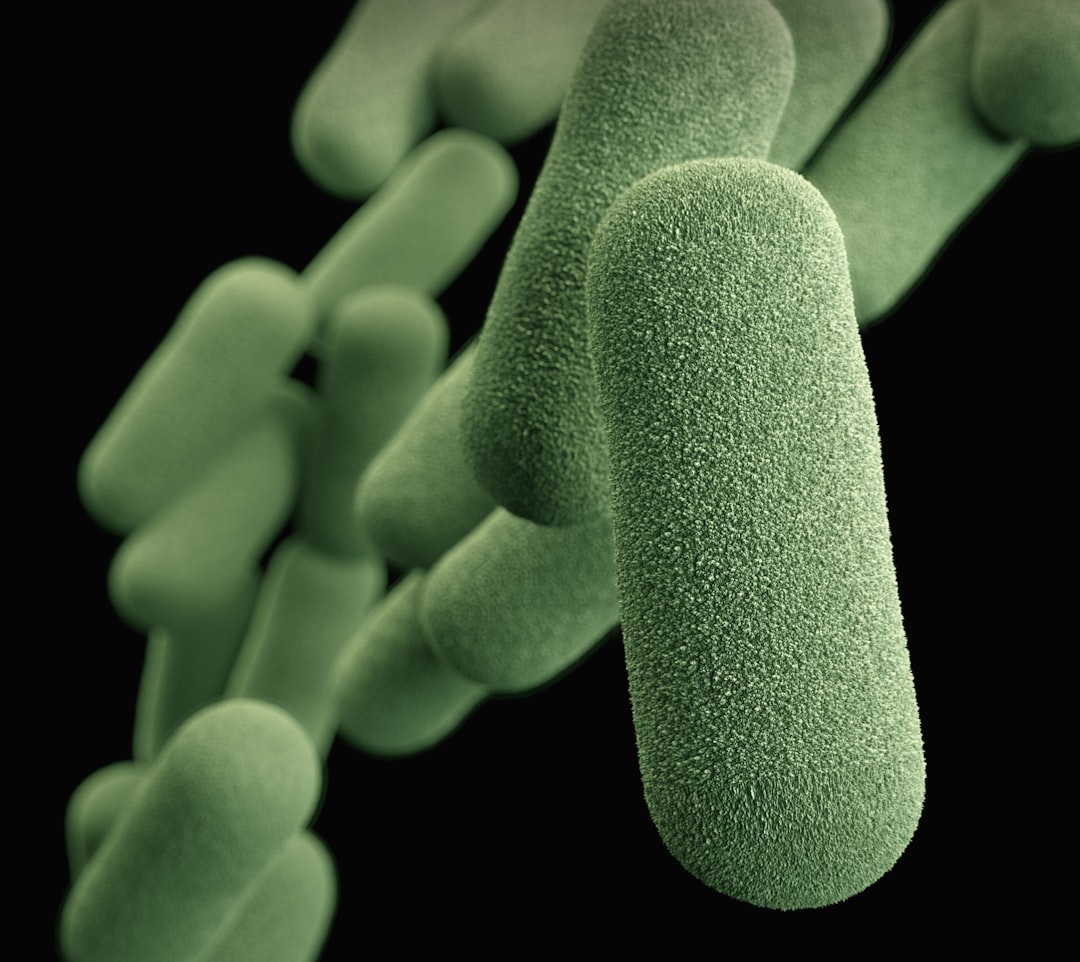
- Beneficial Bacillus bacteria (naturally occurring, non-toxic)
- Plant-based surfactants (biodegradable, non-toxic)
- Essential oils for fragrance (natural, biodegradable)
- Water
Everything in a probiotic cleaner is either naturally occurring or completely biodegradable within days. There are no persistent chemicals, no toxic byproducts, and no accumulation in ecosystems.
2. Supporting Wastewater Treatment
Conventional wisdom might suggest that cleaning products should kill bacteria—after all, bacteria cause disease, right? This oversimplification ignores a crucial fact: wastewater treatment relies entirely on beneficial bacteria to function.
How Wastewater Treatment Works
Municipal wastewater treatment systems use biological processes. Beneficial bacteria in treatment facilities break down organic waste, remove nutrients, and purify water. When antimicrobial cleaning chemicals flow into these systems, they kill or inhibit these beneficial bacteria, reducing treatment efficiency.
The result is:
- Increased chemical treatment required
- Higher energy consumption
- Reduced treatment effectiveness
- More pollutants in discharged water
- Higher costs passed to consumers
Probiotic Cleaning Helps Treatment
When probiotic cleaners enter wastewater systems, the beneficial bacteria actually support treatment processes. They:
- Contribute to organic waste breakdown
- Enhance microbial diversity in treatment systems
- Improve treatment efficiency
- Reduce need for chemical additives
Instead of undermining wastewater treatment, probiotic cleaning supports it—a rare example of a household product that's beneficial even after disposal.
3. Dramatically Lower Carbon Footprint
The carbon footprint of cleaning products extends far beyond their use in your home. It encompasses raw material extraction, manufacturing, packaging, transportation, and end-of-life disposal.
Chemical Production Is Energy-Intensive
Manufacturing conventional cleaning chemicals requires:
- High temperatures and pressures
- Energy-intensive chemical synthesis
- Petroleum-based raw materials
- Extensive purification processes
- Hazardous waste management
For example, producing chlorine (the active ingredient in bleach) requires massive amounts of electricity—approximately 2,500 kWh per tonne. Given global production of tens of millions of tonnes annually, the carbon footprint is enormous.
Fermentation Is Sustainable
Probiotic bacteria are produced through fermentation—essentially the same process used to make yoghurt, beer, and bread:
- Bacteria are grown in fermentation tanks using renewable resources (sugars from plants)
- Process occurs at moderate temperatures
- Energy requirements are minimal
- No toxic byproducts or hazardous waste
- Leftover biomass can be composted or used as fertiliser
Life cycle analyses show probiotic cleaners have carbon footprints 60-80% lower than chemical alternatives.
4. Reduced Plastic and Packaging Waste
The environmental cost of single-use plastic packaging is staggering. Billions of plastic bottles from cleaning products end up in landfills and oceans annually.
Concentrated Formulas Mean Less Packaging
Probiotic cleaners are typically more concentrated than conventional products. Because they work at lower dilutions and remain effective for days (rather than just during wiping), you need less product for equivalent coverage.
Many probiotic brands also offer:
- Concentrated refills in minimal packaging
- Reusable spray bottles (buy once, refill repeatedly)
- Recyclable or compostable packaging materials
- Larger format containers (reducing packaging per litre)
Fewer Products Needed
Because probiotic cleaners are safe on virtually all surfaces, you don't need separate products for kitchen, bathroom, glass, wood, etc. One product replaces five or ten conventional cleaners, dramatically reducing packaging waste.
5. No Contribution to Antimicrobial Resistance
Antimicrobial resistance is one of the greatest threats to global health and environmental stability. Whilst most attention focuses on antibiotic overuse in medicine and agriculture, antimicrobial chemicals in cleaning products contribute significantly to the problem.
How Cleaning Chemicals Create Resistance
Chemical disinfectants create selective pressure that favours resistant organisms:
- Most bacteria are killed, but resistant individuals survive
- Resistant bacteria reproduce without competition
- Resistance genes spread through bacterial populations
- Over time, environmental bacteria become increasingly resistant
Resistant bacteria in the environment can transfer resistance genes to human pathogens, making infections harder to treat.
Probiotic Cleaning Doesn't Drive Resistance
Because probiotic cleaning works through competitive exclusion rather than chemical killing, it doesn't create selective pressure for resistance. Harmful bacteria cannot evolve "resistance" to being outcompeted for resources—it's an ecological mechanism, not a chemical one.
By choosing probiotic cleaning, you're actively helping combat one of the most serious environmental and health challenges of our time.
6. Protection of Aquatic Ecosystems
Waterways are the lifeblood of ecosystems. Unfortunately, they're also the final destination for most cleaning products.
The Aquatic Toll of Chemical Cleaners
Chemicals from conventional cleaners cause multiple forms of aquatic damage:
- Direct Toxicity: Many cleaning chemicals are acutely toxic to fish, amphibians, and aquatic invertebrates
- Oxygen Depletion: Phosphates and nitrogen compounds cause algal blooms that deplete oxygen, suffocating aquatic life
- Bioaccumulation: Some chemicals accumulate in fish and other organisms, becoming more concentrated up the food chain
- Endocrine Disruption: Chemicals like phthalates interfere with hormones in aquatic organisms, affecting reproduction and development
- Microbial Disruption: Antimicrobial agents harm beneficial microorganisms that form the base of aquatic food webs
Probiotic Products Support Aquatic Health
Probiotic cleaners:
- Contain no ingredients toxic to aquatic life
- Don't accumulate in organisms or sediments
- Break down completely through natural biological processes
- Actually contribute beneficial bacteria to aquatic ecosystems
- Support the microbial communities essential for healthy waterways
7. Sustainable Raw Material Sourcing
Where products come from matters as much as where they go.
Chemical Cleaners Often Use Petroleum
Many conventional cleaning products contain:
- Petroleum-derived surfactants
- Synthetic fragrances from petrochemicals
- Plastic packaging from fossil fuels
- Chemicals requiring petroleum as feedstock
Petroleum extraction is environmentally devastating, contributing to habitat destruction, water pollution, and climate change.
Probiotic Cleaners Use Renewable Resources
Probiotic cleaning products use:
- Bacteria grown on plant-derived sugars (renewable, often from agricultural waste)
- Plant-based surfactants (from coconut, corn, or other crops)
- Essential oils from sustainably grown plants
- Increasingly, packaging from recycled or plant-based materials
The entire supply chain can be carbon-neutral or even carbon-negative when managed sustainably.
8. Reduced Air Pollution
Environmental impact isn't just about what goes down the drain—it's also about what goes into the air.
Chemical Cleaners Release VOCs
Many conventional cleaners release volatile organic compounds (VOCs) that:
- Contribute to outdoor air pollution and smog formation
- React with other pollutants to form harmful secondary compounds
- Contribute to poor indoor air quality
- Have been linked to respiratory problems and other health issues
Some VOCs from cleaning products are classified as hazardous air pollutants, yet they're released into homes and atmosphere with every use.
Probiotic Cleaners Have Minimal Emissions
- Contain minimal or no VOCs
- Use essential oils rather than synthetic fragrances (if scented at all)
- Don't release harmful vapours during use
- Improve indoor air quality rather than degrading it
9. Biodiversity Support
Healthy ecosystems depend on microbial diversity. Chemical disinfectants that enter the environment harm microbial communities essential for ecosystem function.
Microbes Matter
Beneficial microorganisms:
- Break down organic matter in soil and water
- Fix nitrogen for plant growth
- Form the base of food webs
- Support nutrient cycling
- Protect against pathogenic organisms
When antimicrobial chemicals from cleaning products enter ecosystems, they indiscriminately harm these beneficial species, disrupting ecological processes.
Probiotic Cleaning Supports Microbial Ecology
By using probiotic cleaners, you're:
- Adding beneficial bacteria to environmental systems
- Avoiding harm to beneficial environmental microorganisms
- Supporting diverse, resilient microbial communities
- Contributing to ecosystem health rather than degrading it
10. Setting an Example for Circular Economy
The transition from a linear "take-make-dispose" economy to a circular economy where materials cycle through biological and technical loops is essential for sustainability.
Probiotic Cleaning Is Truly Circular
The probiotic cleaning lifecycle exemplifies circular economy principles:
- Biological Nutrients: All ingredients are biological and return safely to nature
- Renewable Resources: Raw materials come from sustainable plant sources
- Minimal Waste: Production creates no toxic waste, only compostable biomass
- Supporting Natural Cycles: Products enhance rather than disrupt natural nutrient cycling
- Design for Disassembly: Everything breaks down completely through biological processes
By choosing probiotic cleaning, you're supporting an economic model that can sustain human civilisation without destroying the planet.
The Cumulative Impact
Each individual household switching to probiotic cleaning makes a small environmental difference. But when millions of households make this choice, the cumulative impact is transformational:
- Millions of tonnes of toxic chemicals kept out of waterways
- Massive reduction in plastic packaging waste
- Significant decrease in carbon emissions
- Protected aquatic ecosystems
- Reduced contribution to antimicrobial resistance
- Healthier soil and water microbiomes
Environmental action often feels overwhelming because individual actions seem insignificant. But switching your cleaning products is one of the highest-impact changes you can make. It affects something you do multiple times per week, it has measurable environmental benefits, and it requires no sacrifice in cleaning effectiveness.
Make the Environmental Choice
The environmental case for probiotic cleaning is overwhelming. On every metric—chemical pollution, carbon footprint, aquatic impact, biodiversity support, waste reduction—biological cleaning outperforms chemical alternatives.
This isn't about making compromises or accepting inferior performance for environmental benefits. Probiotic cleaning delivers superior long-term effectiveness whilst being genuinely sustainable. It's the rare case where the environmental choice is also the better performing choice.
Your cleaning choices matter. What flows down your drain affects waterways miles from your home. The products you buy influence manufacturing practices and research direction. The example you set influences family, friends, and community.
Ready to make a genuine environmental impact through your daily routine? Explore our complete range of probiotic cleaning products. Every bottle you choose is a vote for a cleaner, healthier planet.