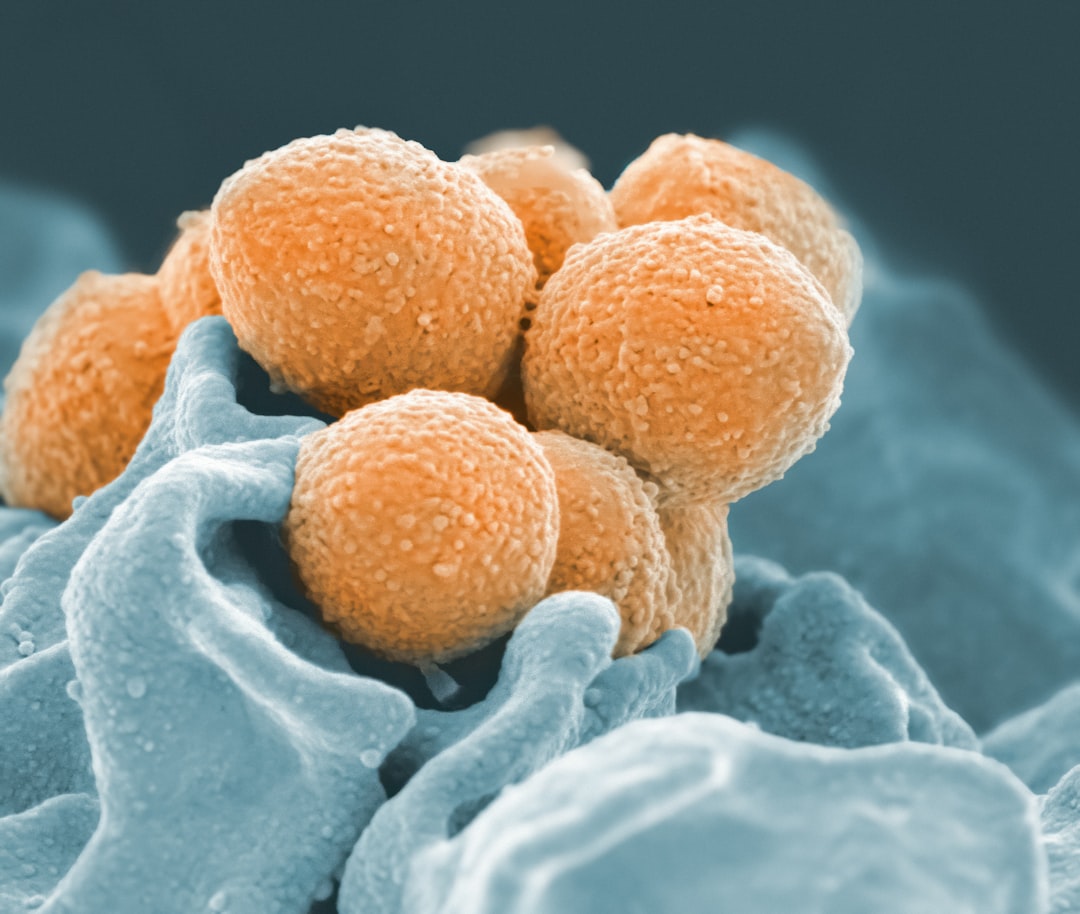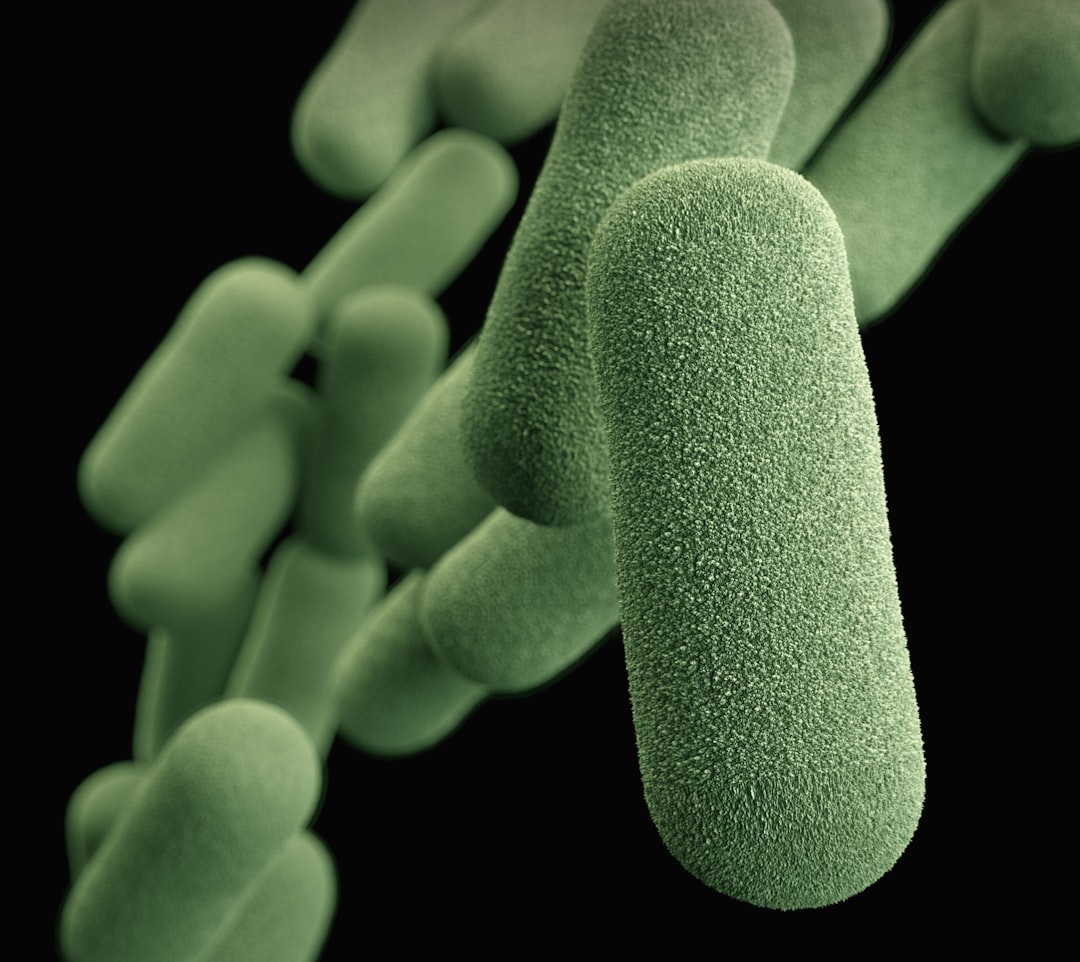
Biofilms—complex communities of microorganisms encased in protective matrices—are among the most challenging cleaning problems in homes. Understanding biofilms reveals why traditional cleaning often fails against them and how probiotic cleaning offers a biological solution to this biological problem.
What Are Biofilms?
Biofilms are organised bacterial communities attached to surfaces and surrounded by self-produced protective matrices.
Biofilm Structure
Mature biofilms consist of:
- Bacterial cells: Multiple species living in close proximity
- Extracellular polymeric substance (EPS): Sticky matrix of polysaccharides, proteins, and DNA
- Water channels: Networks transporting nutrients and waste
- Varied microenvironments: Different conditions at different depths
- Communication systems: Bacteria coordinate behaviour through chemical signals
Where Biofilms Form in Homes
Common household biofilm locations:
- Sink and bathtub drains
- Shower curtains and doors
- Toilet bowls, especially under the rim
- Dishwasher seals and spray arms
- Washing machine door seals
- Pet water bowls
- Kitchen sponges and cloths
- Grout and tile edges
- Refrigerator drip trays
How Biofilms Develop
Biofilm formation follows predictable stages.
Stage 1: Attachment
Individual bacteria:
- Contact surface through water
- Weak initial attachment (reversible)
- Begin producing adhesive compounds
- Strong attachment (irreversible) within hours
Stage 2: Colonisation
Attached bacteria:
- Reproduce, forming microcolonies
- Begin producing EPS matrix
- Create three-dimensional structures
- Recruit additional bacterial species
Stage 3: Maturation
Developing biofilm:
- EPS production increases dramatically
- Complex architecture develops
- Water channels form
- Multiple bacterial species establish
- Becomes resistant to removal
Stage 4: Dispersal
Mature biofilm:
- Releases bacterial cells into water
- Cells colonise new surfaces
- Cycle repeats
- Biofilm spreads throughout system
Why Biofilms Are Problematic
Odour Generation
Biofilms produce:
- Volatile sulphur compounds (rotten egg smell)
- Organic acids (sour odours)
- Ammonia (sharp, acrid smell)
- Various metabolic byproducts
Drain odours are almost always biofilm-related.
Surface Damage
Biofilms can:
- Corrode metal surfaces
- Stain porous materials
- Degrade grout and sealants
- Create permanent discolouration
- Reduce material lifespan
Pathogen Harbour
Biofilms provide:
- Protected environments for harmful bacteria
- Resistance to disinfectants
- Continuous source of contamination
- Potential disease transmission
Legionella, E. coli, and other pathogens thrive in biofilms.
Reduced Efficiency
Biofilms in appliances:
- Reduce water flow in pipes and spray arms
- Decrease heating efficiency
- Increase energy consumption
- Require more frequent maintenance
Why Traditional Cleaning Fails
Conventional approaches struggle against biofilms.
Physical Resistance
The EPS matrix:
- Prevents chemical penetration
- Slows diffusion of disinfectants
- Creates concentration gradients
- Protects bacteria from chemicals
Bacteria deep in biofilms receive 1/100th to 1/1000th the disinfectant concentration reaching the surface.
Metabolic Resistance
Biofilm bacteria:
- Enter dormant states resistant to antimicrobials
- Have reduced metabolic activity (many disinfectants target active growth)
- Produce neutralising enzymes
- Share resistance genes between species
Regeneration
Surface treatment:
- Kills exposed bacteria
- Leaves biofilm structure intact
- Bacteria deep in matrix survive
- Biofilm regenerates within hours
Probiotic Solutions to Biofilms
Beneficial bacteria offer multiple mechanisms for biofilm management.
Matrix Degradation
Probiotic bacteria produce enzymes that:
- Break down polysaccharides in EPS
- Degrade proteins binding biofilm together
- Disrupt DNA in extracellular matrix
- Penetrate deep into biofilm structure
- Dissolve protective matrix from within
Competitive Exclusion
Beneficial bacteria:
- Outcompete biofilm-forming pathogenic species
- Occupy surfaces, preventing pathogen attachment
- Consume nutrients harmful bacteria need
- Establish before problematic biofilms can form
Biofilm Disruption
Some probiotic species:
- Produce biosurfactants disrupting biofilm attachment
- Generate compounds interfering with quorum sensing (bacterial communication)
- Prevent biofilm maturation
- Destabilise existing biofilms
Beneficial Biofilm Formation
Probiotic bacteria can form their own biofilms:
- Occupy surfaces comprehensively
- Prevent harmful biofilm establishment
- Provide continuous enzymatic cleaning
- Create stable, beneficial microbial communities
Probiotic Biofilm Management Strategy
Phase 1: Disruption
Initial applications:
- Introduce beneficial bacteria and enzymes
- Begin breaking down existing biofilm matrix
- Penetrate protective layers
- Start displacing harmful species
May require 3-7 days of daily application for established biofilms.
Phase 2: Removal
Continued treatment:
- Biofilm structure weakens
- Mechanical cleaning (brushing) becomes more effective
- Chunks of biofilm slough off
- Surfaces become cleaner
Phase 3: Prevention
Maintenance with probiotics:
- Beneficial bacteria establish on clean surfaces
- Prevent pathogenic biofilm reformation
- Continuous low-level enzymatic activity
- Long-term protection
Specific Biofilm Applications
Drain Biofilms
Problem: Persistent odours, slow drainage, black slime
Probiotic solution:
- Pour probiotic cleaner down drain before bed
- Bacteria work overnight
- Repeat daily for week, then weekly maintenance
- Enzymes break down organic buildup
- Beneficial bacteria establish throughout pipes
- Odours eliminated, flow improved
Shower Curtain and Door Biofilms
Problem: Pink/orange stains, slippery feel, musty odours
Probiotic solution:
- Spray probiotic cleaner regularly
- Bacteria outcompete biofilm-forming species
- Enzymes prevent buildup
- Staining and slime eliminated
Toilet Bowl Biofilms
Problem: Under-rim buildup, persistent staining, odours
Probiotic solution:
- Apply probiotic toilet cleaner, especially under rim
- Leave overnight
- Enzymes dissolve biofilm
- Beneficial bacteria prevent reformation
- Less frequent deep cleaning needed
Dishwasher Biofilms
Problem: Odours, reduced cleaning performance, visible slime
Probiotic solution:
- Run empty cycle with probiotic cleaner
- Spray door seals and spray arms
- Bacteria reach inaccessible areas
- Biofilm degraded over multiple cycles
- Regular use maintains cleanliness
Timeframe Expectations
Light Biofilms (forming)
Response time:
- Improvement within 24-48 hours
- Resolution within 3-5 days
- Prevention with regular use
Moderate Biofilms (established)
Response time:
- Initial improvement within 3-5 days
- Significant reduction within 1-2 weeks
- Complete resolution within 3-4 weeks
Heavy Biofilms (mature)
Response time:
- Slow initial progress
- Noticeable improvement within 2 weeks
- May require 4-6 weeks for complete resolution
- Consider initial mechanical disruption to speed process
Combining Approaches
Sometimes hybrid methods work best for severe biofilms.
The Combination Strategy
- Mechanical removal: Physically scrub to break up biofilm structure
- Chemical treatment (if necessary): Heavy-duty cleaning for severe cases
- Immediate probiotic application: Establish beneficial bacteria on cleaned surfaces
- Continued probiotic maintenance: Prevent biofilm reformation
Biofilm Prevention
Easier to prevent than remove.
Regular Probiotic Use
- Establishes beneficial bacteria before harmful biofilms form
- Continuous enzymatic action prevents buildup
- Maintains clear drains and clean surfaces
Environmental Management
- Reduce moisture in prone areas
- Ensure good ventilation
- Regular surface wiping
- Address leaks promptly
The Biological Advantage
Biofilms are biological structures. Biological solutions—probiotic bacteria with biofilm-degrading capabilities—offer advantages chemical approaches cannot match:
- Penetration through matrix
- Enzymatic breakdown from within
- Long-term prevention through competitive exclusion
- Safe, non-toxic approach
- Increasingly effective over time
Understanding biofilms transforms them from mysterious persistent problems into manageable challenges with straightforward probiotic solutions.