The Importance of Oxygen in Bacterial Life
Oxygen fundamentally shapes bacterial existence, determining where different species can survive and thrive. Understanding the relationship between bacteria and oxygen reveals why certain areas of your home harbour specific microbial communities and how probiotic cleaning can effectively target problematic bacteria whilst supporting beneficial ones.
Bacteria exhibit remarkably diverse oxygen requirements, falling into several categories based on their relationship with this essential—or toxic—element. These oxygen preferences determine bacterial distribution throughout your environment and explain why different cleaning strategies prove more effective in different locations.
Aerobic Bacteria: Oxygen Lovers
Aerobic bacteria require oxygen for survival and growth. These organisms use oxygen as the final electron acceptor in cellular respiration, extracting maximum energy from nutrients through oxidative phosphorylation. This highly efficient metabolic pathway allows aerobic bacteria to grow rapidly and produce substantial biomass when conditions are favourable.
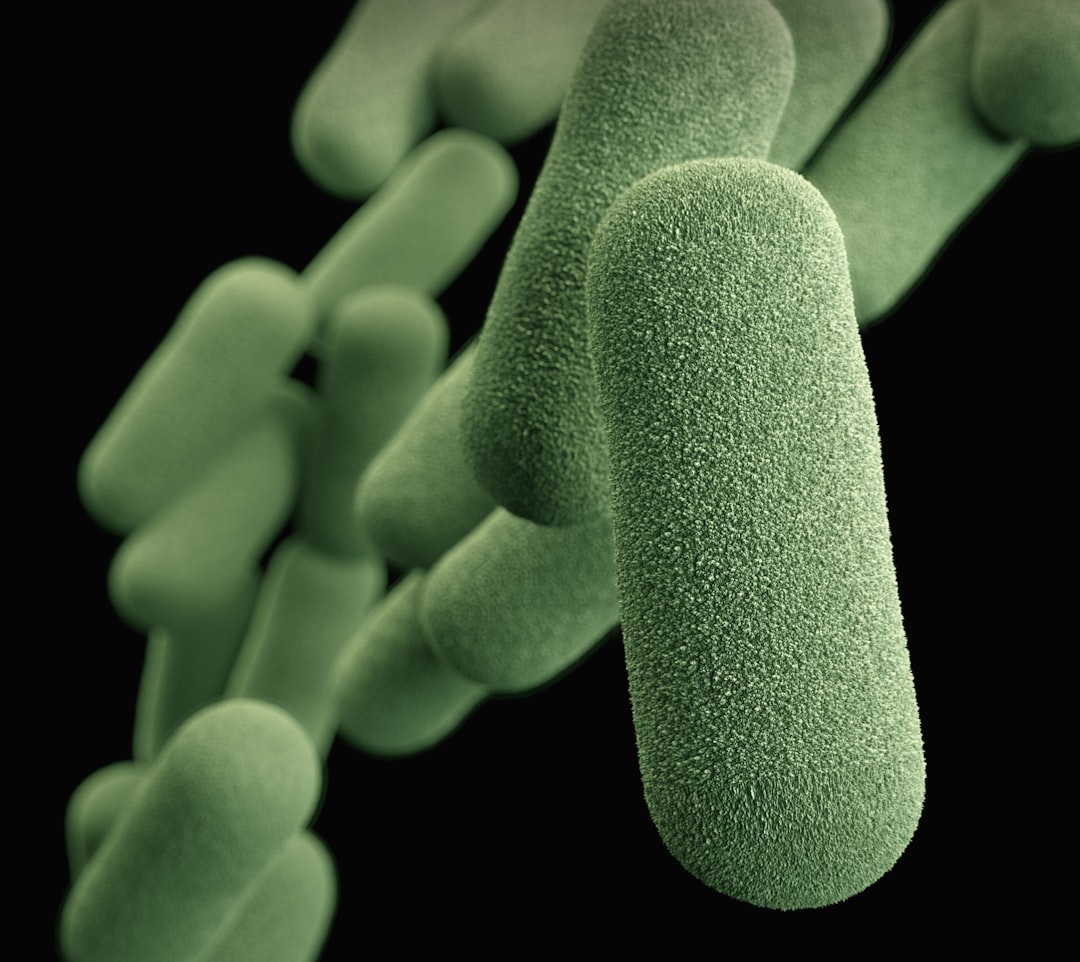
Most beneficial bacteria used in probiotic cleaning are aerobic or facultative anaerobes. Species like Bacillus subtilis thrive in well-oxygenated environments, making them particularly effective on frequently exposed surfaces like countertops, tables, and floors. Their oxygen requirement gives them a competitive advantage in these locations, helping them outcompete many pathogenic species.
Common aerobic bacteria you encounter daily include many soil organisms, most environmental bacteria on surfaces exposed to air, and various beneficial species that help decompose organic matter. When you wipe a surface with a cloth, you're creating a thin, oxygenated layer perfect for aerobic bacterial growth.
Anaerobic Bacteria: Oxygen Avoiders
Anaerobic bacteria not only don't require oxygen—many find it actively toxic. These organisms evolved in oxygen-free environments and lack the enzymes necessary to neutralise reactive oxygen species that form in oxygen's presence. Exposure to oxygen can damage their cellular components, inhibiting growth or causing death.
Strict anaerobes inhabit oxygen-free niches in your home: deep within drain biofilms, in the depths of rubbish bins, beneath toilet rim deposits, and in other locations where oxygen cannot easily penetrate. These environments often harbour the bacteria responsible for foul odours, as anaerobic metabolism produces different waste products than aerobic metabolism, including many volatile compounds we perceive as unpleasant smells.
Understanding anaerobic bacteria helps explain why certain areas develop persistent odour problems. The bacteria causing these issues thrive precisely because oxygen—and oxygen-requiring beneficial bacteria—cannot reach them. This is why surface cleaning alone often fails to eliminate deep-seated odour sources.
Facultative Anaerobes: The Adaptable Middle Ground
Facultative anaerobes represent the most versatile bacterial group. These organisms can switch between aerobic and anaerobic metabolism depending on oxygen availability. When oxygen is present, they use it for highly efficient aerobic respiration. When oxygen levels drop, they switch to fermentation or anaerobic respiration, albeit with reduced energy production.
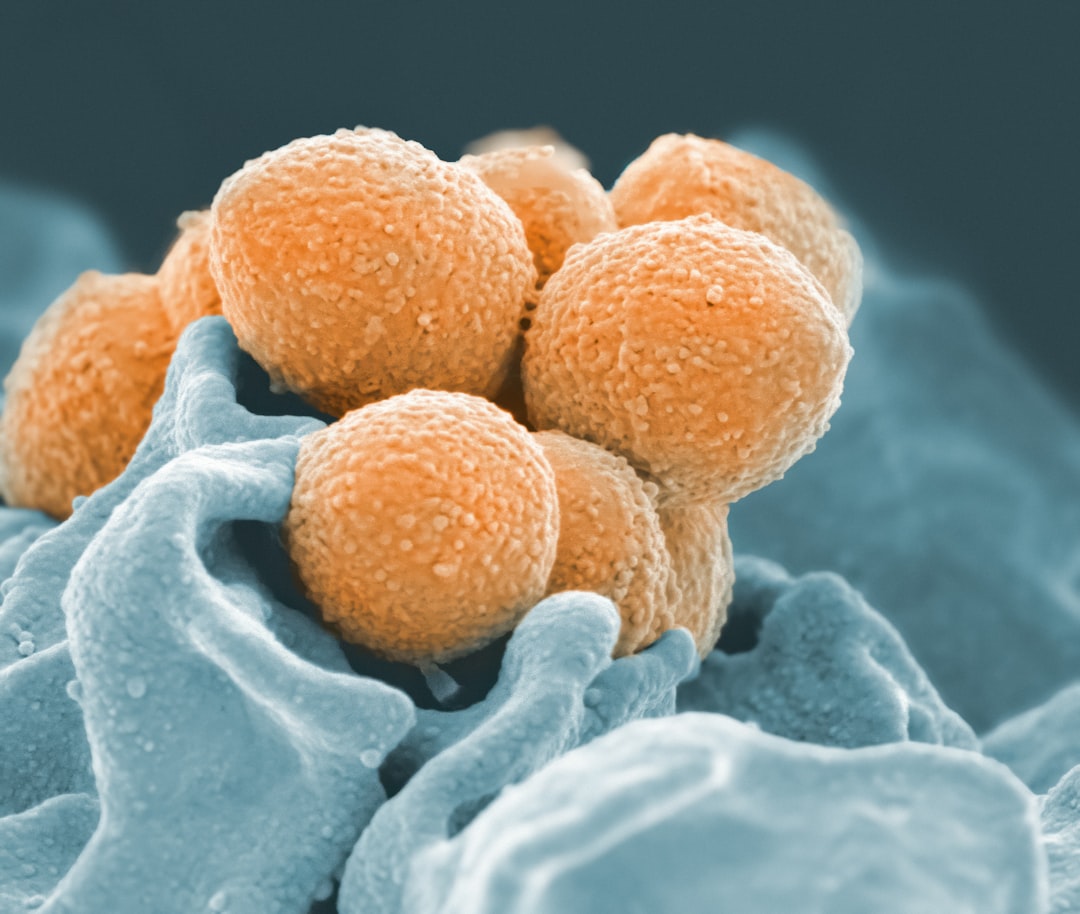
Many problematic bacteria are facultative anaerobes, including several common pathogens. This versatility allows them to colonise diverse environments throughout your home. Escherichia coli, Staphylococcus aureus, and many other concerning species can grow both on well-oxygenated surfaces and in more protected, oxygen-limited niches.
The adaptability of facultative anaerobes makes them formidable competitors. However, probiotic cleaning can still effectively control them by ensuring beneficial bacteria occupy available niches first, preventing pathogens from establishing themselves regardless of oxygen levels.
Microaerophiles: Oxygen in Moderation
Microaerophilic bacteria require oxygen but at concentrations lower than atmospheric levels (approximately 21% oxygen in air). These organisms need oxygen for metabolism but are damaged by high concentrations. They typically thrive at oxygen levels between 2-10%, often found in partially enclosed spaces or within bacterial biofilms where oxygen penetration is limited.
Whilst less common in typical household environments, understanding microaerophiles helps explain bacterial distribution in complex situations. Some areas of thick biofilms create microaerobic conditions, allowing microaerophiles to flourish in specific layers whilst aerobic bacteria dominate the outer surface and anaerobes inhabit the oxygen-free interior.
Oxygen and Probiotic Cleaning Strategy
The diverse oxygen requirements of different bacteria inform effective probiotic cleaning approaches. Beneficial Bacillus species are primarily aerobic, giving them advantages on frequently exposed surfaces. When you apply probiotic cleaners to countertops, floors, and other open areas, you're establishing populations of oxygen-loving beneficial bacteria that thrive in these environments.
For problem areas with limited oxygen—drains, bins, beneath toilet rims—probiotic cleaning still proves effective, but through different mechanisms. Some beneficial bacteria can tolerate low-oxygen conditions temporarily, and the enzymes they produce continue working even in anaerobic zones. Regular application ensures beneficial bacteria establish themselves in the oxygenated regions surrounding anaerobic pockets, limiting pathogenic bacterial expansion.
Additionally, many probiotic formulations include multiple bacterial species with varying oxygen tolerances. This diversity ensures that beneficial bacteria can colonise various niches throughout your home, from well-aerated surfaces to more protected, oxygen-limited areas.
Practical Applications for Home Cleaning
Understanding oxygen requirements helps optimise cleaning strategies. For well-ventilated areas, probiotic cleaners establish robust beneficial bacterial populations that outcompete pathogens. For enclosed or less-ventilated areas, generous application ensures beneficial bacteria and their enzymes penetrate deeply enough to control anaerobic bacteria responsible for odours and biofilm formation.
In practice, this means using probiotic all-surface cleaners on counters, tables, and floors where aerobic beneficials thrive, whilst employing probiotic mists more liberally in drains, bins, and other enclosed spaces where oxygen-limited conditions favour different bacterial communities. The combination creates comprehensive microbial control across diverse environments in your home.