Learning from Plant-Microbe Partnerships
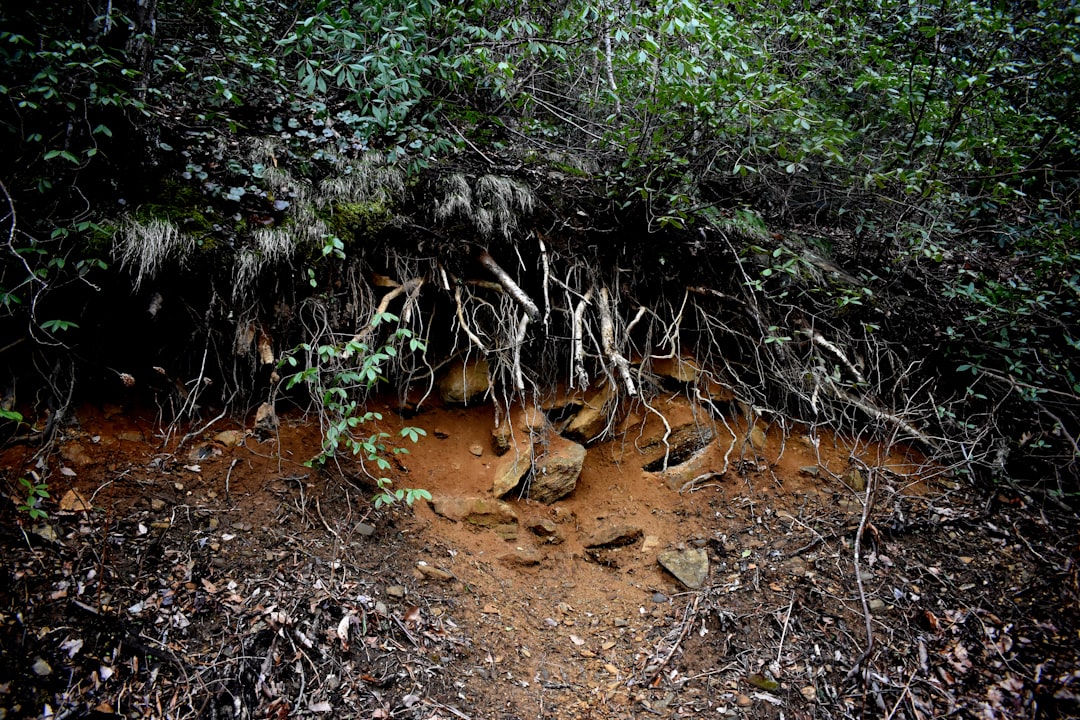
The rhizosphere—the narrow zone of soil surrounding plant roots—represents one of nature's most dynamic ecosystems. In this region, plants and beneficial bacteria form sophisticated partnerships that provide profound insights applicable to household cleaning and microbial management. Understanding rhizosphere ecology reveals principles that inform probiotic cleaning strategies and demonstrates how beneficial bacteria protect against harmful organisms in complex, real-world environments.
Plants actively cultivate beneficial bacterial communities in the rhizosphere by secreting nutrients, signalling molecules, and antimicrobial compounds specifically designed to shape the microbial environment surrounding their roots. This selective cultivation creates protective bacterial populations that defend against pathogens, enhance nutrient availability, and support plant health. The parallels to probiotic cleaning in your home prove remarkably direct and instructive.
The Rhizosphere as a Protective Barrier
Plants invest substantial resources—up to 40% of their photosynthetic output—into feeding beneficial rhizosphere bacteria. This investment proves worthwhile because these bacteria provide multiple protective services. They occupy space and consume resources that pathogens would otherwise use. They produce antibiotics and siderophores that specifically inhibit pathogenic species whilst tolerating beneficial neighbours. They prime plant immune systems, making them more resistant to infection even when pathogens breach bacterial defences.
The rhizosphere model demonstrates that complex ecosystems can be deliberately shaped to favour beneficial over harmful organisms. Plants don't attempt to eliminate all microbes from the soil—an impossible and counterproductive goal. Instead, they cultivate communities where beneficial bacteria dominate so thoroughly that pathogens struggle to establish themselves.
Probiotic cleaning applies these exact principles to household surfaces. Regular application of beneficial bacteria establishes protective microbial communities that occupy surfaces, consume available nutrients, and produce enzymes that degrade organic matter. Like plants cultivating rhizosphere bacteria, you cultivate beneficial surface bacteria that provide ongoing protection against pathogenic colonisation.
Competitive Exclusion in Action
The rhizosphere demonstrates competitive exclusion operating at scale. Beneficial bacteria, supported by plant root exudates, multiply rapidly and occupy available ecological niches before pathogens can establish themselves. This pre-emptive colonisation proves far more effective than attempting to eliminate pathogens after they've established populations.
Studies show that soil-borne plant pathogens struggle to infect plants with well-developed beneficial rhizosphere communities, even when pathogens are present at high levels in surrounding soil. The beneficial bacteria don't necessarily kill pathogens—they simply outcompete them so effectively that pathogen populations remain below disease-causing thresholds.
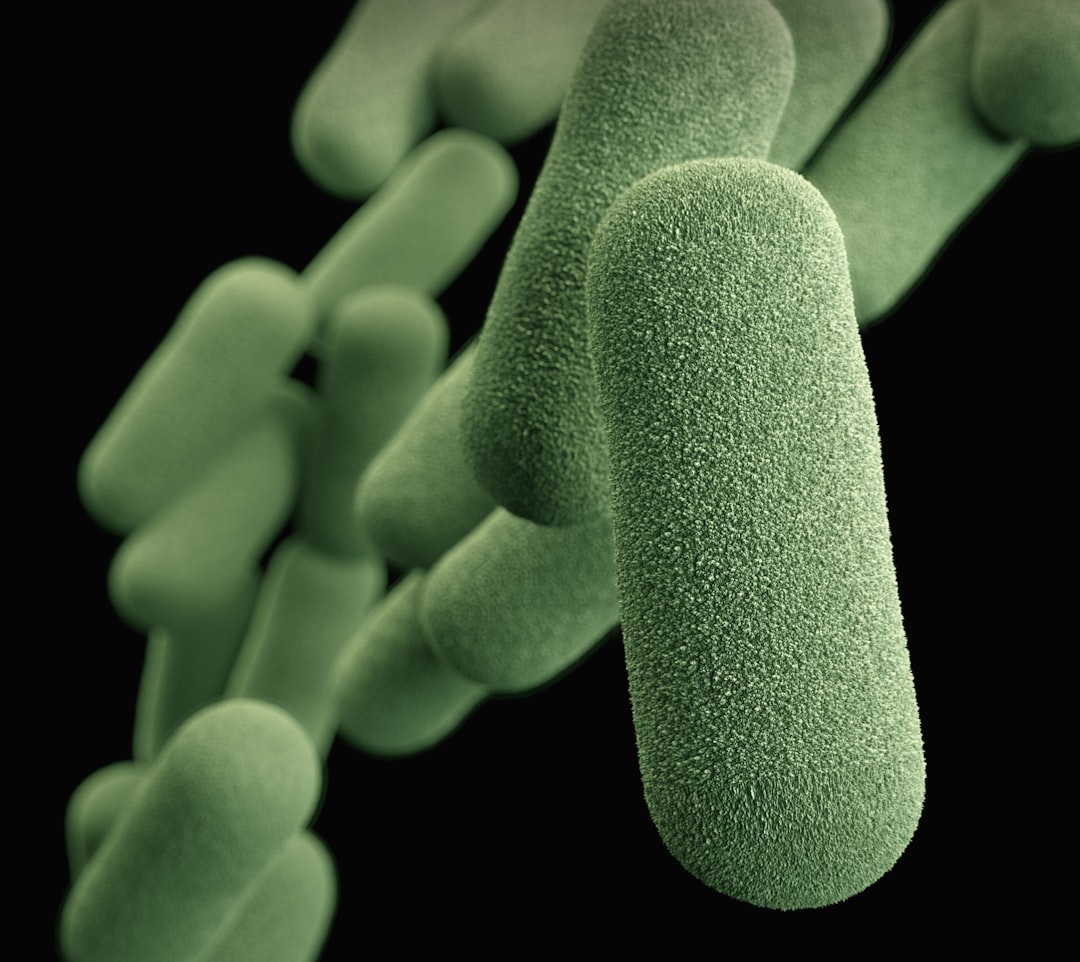
This competitive exclusion mirrors what occurs on household surfaces treated with probiotic cleaners. Beneficial Bacillus species establish themselves on cleaned surfaces, consuming available nutrients and occupying space. When pathogenic bacteria later contact these surfaces—introduced through touch, food preparation, or other daily activities—they encounter environments already dominated by beneficial bacteria, making colonisation extremely difficult.
The Importance of Continuous Cultivation
Plants maintain their protective rhizosphere communities through continuous root exudate secretion. If plants cease feeding beneficial bacteria, the protective communities decline and pathogens can establish themselves. This continuous investment requirement demonstrates that beneficial bacterial populations need ongoing support to maintain their protective functions.
Similarly, probiotic cleaning proves most effective with regular application. Each cleaning session reinforces beneficial bacterial populations, maintaining the protective coverage that prevents pathogenic colonisation. Whilst beneficial bacteria persist between applications—especially as resilient spores—regular reapplication ensures populations remain robust enough to outcompete incoming pathogens continuously.
The frequency required depends on environmental conditions and surface use. High-traffic areas or surfaces frequently contaminated with organic matter benefit from daily probiotic application, whilst less-used surfaces might require only weekly treatment. This parallels how plants adjust root exudate secretion based on soil conditions and pathogen pressure.
Diversity and Resilience
Healthy rhizosphere communities comprise diverse bacterial species, each contributing different functions. Some excel at consuming specific nutrients, others produce particular antimicrobial compounds, and still others stimulate plant immune responses. This functional diversity creates resilient communities that resist disruption and adapt to changing conditions.
Probiotic cleaning products increasingly recognise the value of bacterial diversity. Whilst many formulations focus on Bacillus species due to their sporulation capabilities and enzyme production, some products include multiple strains or even multiple genera to create more functionally diverse bacterial communities on surfaces. This diversity enhances resilience against pathogenic colonisation and improves performance across varied household environments.
Enzyme Production and Nutrient Cycling
Rhizosphere bacteria produce extensive arrays of enzymes that break down complex organic compounds in soil, making nutrients available to both plants and bacteria. These enzymes include proteases that digest proteins, lipases that break down fats, cellulases that decompose plant material, and many others. This enzyme activity fundamentally transforms the soil environment surrounding roots.
Probiotic cleaning bacteria employ similar enzyme arsenals. When applied to surfaces contaminated with food residues, body oils, or other organic matter, beneficial bacteria produce enzymes that degrade these materials. This enzymatic cleaning proves more thorough than physical wiping alone, as enzymes continue working after application, breaking down residues in crevices and porous materials that physical cleaning cannot reach.
The enzyme production also serves competitive functions. By rapidly degrading available organic matter, beneficial bacteria consume resources that pathogens might otherwise use for growth. This resource depletion, combined with space occupation, creates environments where pathogenic bacteria find little opportunity for establishment.
Signalling and Communication
Plants and rhizosphere bacteria engage in sophisticated chemical communication. Plants release signalling compounds that attract beneficial bacteria whilst repelling certain pathogens. Beneficial bacteria respond to these signals and produce their own compounds that influence plant gene expression and immune function. This bidirectional communication coordinates plant-microbe partnerships for mutual benefit.
Whilst household surfaces don't actively signal like plant roots, the principle of creating chemical environments that favour beneficial over harmful bacteria still applies. Some probiotic cleaning formulations include growth factors or nutrients that specifically support beneficial bacteria. The surfaces themselves provide substrates—organic residues, moisture, minerals—that beneficial bacteria can use, especially if competitors haven't already consumed them.
Biofilm Management in the Rhizosphere
Beneficial rhizosphere bacteria often form biofilms on root surfaces, creating protective barriers that physically exclude pathogens whilst maintaining intimate contact with plant tissues for nutrient exchange. These beneficial biofilms differ markedly from pathogenic biofilms—they're designed to support plant health rather than cause disease, and they maintain dynamic exchange with the external environment rather than creating stagnant, protected pockets.
Understanding beneficial biofilms challenges simplistic views that all biofilms are problematic. In probiotic cleaning contexts, beneficial bacteria may form thin biofilms on surfaces that provide continuous protective coverage. These biofilms remain metabolically active, continuously producing enzymes and consuming nutrients, unlike the stagnant, protective biofilms that harbour pathogens.
The key difference lies in composition and function. Beneficial biofilms support healthy microbial ecology and resist pathogenic intrusion. Pathogenic biofilms provide protected environments where harmful bacteria escape cleaning efforts and exchange resistance genes. Probiotic cleaning promotes the former whilst disrupting the latter through competitive exclusion and enzyme production.
Seasonal and Environmental Adaptation
Rhizosphere bacterial communities shift with seasons and environmental conditions. During periods of abundant moisture and optimal temperature, bacterial populations expand. During drought or cold, populations contract, with many bacteria forming spores that persist until favourable conditions return. Plants adjust their cultivation efforts—root exudate composition and quantity—based on environmental conditions and their defensive needs.
Household probiotic cleaning should similarly adapt to environmental variations. Summer heat and humidity support robust bacterial growth, potentially requiring more frequent probiotic application to maintain beneficial dominance against accelerated pathogenic growth. Winter cold slows all bacterial activity, allowing less frequent application whilst still maintaining protective populations.
High-use periods—holidays when many people visit, summer when children are home, times of illness—represent seasons of increased pathogenic pressure. Increasing probiotic cleaning frequency during these periods, like plants increasing root exudates when facing pathogenic threats, maintains protective bacterial populations despite elevated challenges.
Practical Applications: Cultivating Your Home's Microbiome
The rhizosphere model suggests treating your home as an ecosystem to be cultivated rather than a battlefield requiring sterilisation. Regular probiotic cleaning provides the ongoing support necessary to maintain beneficial bacterial communities. Patience proves important—just as newly planted trees take time to develop protective rhizosphere communities, newly cleaned surfaces take time to establish robust beneficial populations.
Start with thorough initial cleaning to reduce existing pathogenic populations, then apply probiotic cleaners consistently to establish beneficial bacteria. Over subsequent days and weeks, beneficial populations will expand, creating increasingly effective protective coverage. Maintain regular application to sustain these communities, adjusting frequency based on surface use and environmental conditions.
This ecological approach to home hygiene aligns with how natural systems maintain health—through balanced, beneficial-dominated microbial communities rather than sterility. The rhizosphere demonstrates that this approach works reliably in complex, real-world environments. Applying these proven principles to household cleaning creates sustainable, effective protection that improves over time rather than diminishing as resistance develops.