Understanding Water Activity
Water activity (aw) represents one of the most critical factors controlling microbial growth, yet it remains poorly understood by most people. Unlike simple moisture content, water activity measures the availability of water for biological processes—the water actually accessible for bacteria to use rather than merely present in a material.
Water activity is expressed on a scale from 0 to 1, where pure water has an aw of 1.0. As substances dissolve in water or water binds to surfaces, its availability for bacterial use decreases, lowering water activity. This seemingly technical concept has profound practical implications for food preservation, surface contamination, and the effectiveness of cleaning strategies in your home.
How Water Activity Affects Bacterial Growth
Bacteria require water for virtually all cellular processes: nutrient transport, waste removal, chemical reactions, and structural maintenance. When water activity drops below specific thresholds, bacteria cannot obtain sufficient water to maintain these essential functions, halting growth even if other conditions are favourable.
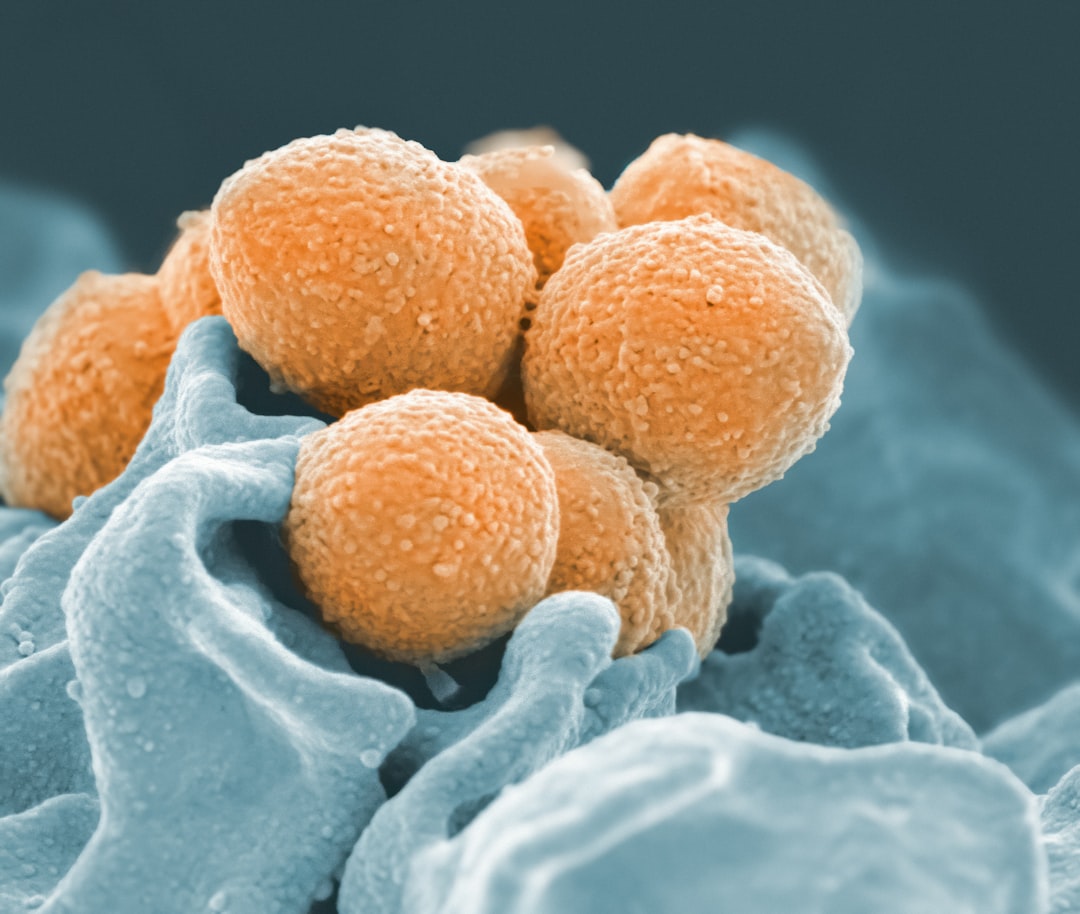
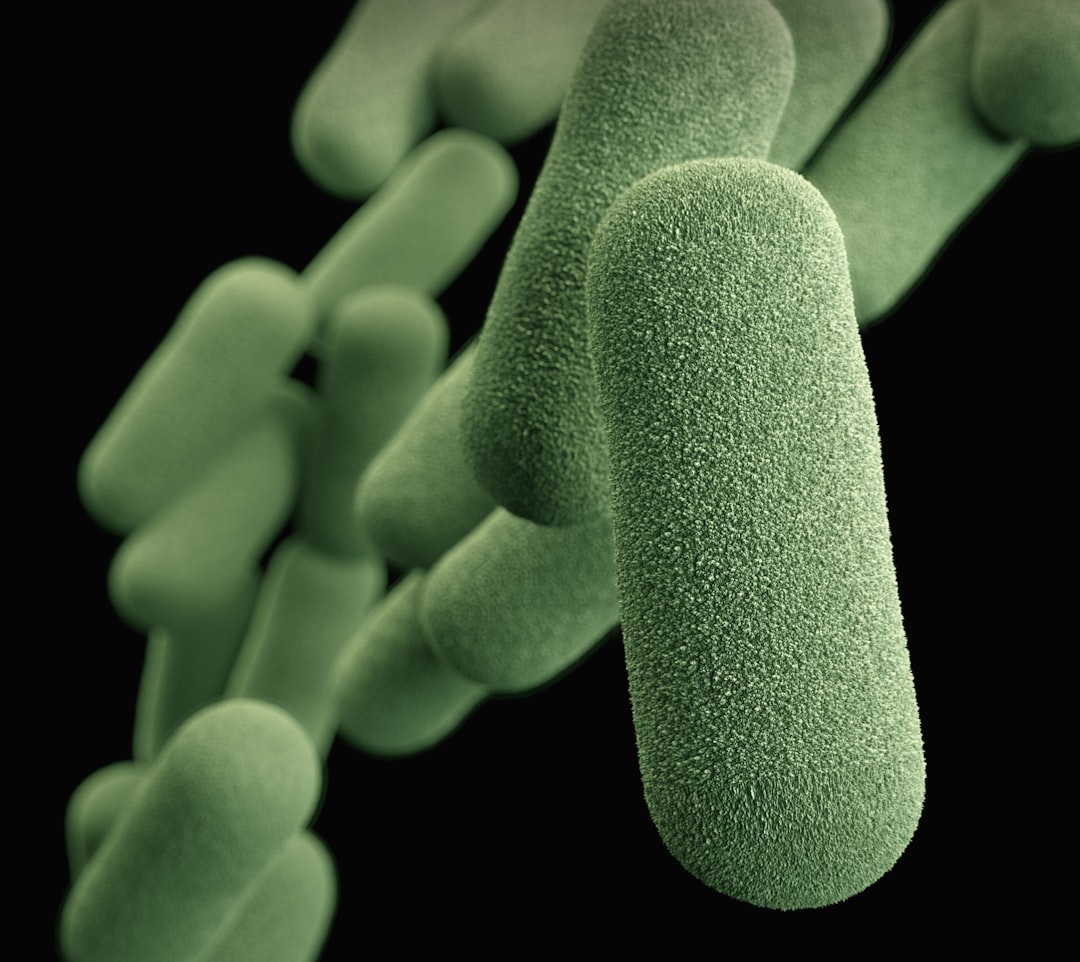
Most pathogenic bacteria require water activity above 0.85-0.90 for growth. Staphylococcus aureus proves relatively tolerant, growing at aw as low as 0.86, whilst Salmonella and Escherichia coli require higher water activity, typically above 0.93. Moulds and yeasts generally tolerate lower water activity than bacteria, surviving at levels down to 0.70-0.80.
Understanding these thresholds explains numerous food preservation methods. Drying, salting, and sugar preservation all work by reducing water activity below levels bacteria can tolerate. Even though dried foods contain some moisture, the water isn't available for bacterial use, preventing spoilage despite the presence of viable bacterial cells.
Water Activity in Your Home Environment
Different areas of your home exhibit vastly different water activity levels, creating diverse microbial ecosystems. Bathrooms maintain high water activity due to shower steam and condensation. Kitchens experience variable water activity—high on wet surfaces, moderate on damp cloths, low on dry counters. Living areas typically maintain moderate to low water activity on most surfaces.
When you apply cleaning solutions, you temporarily increase surface water activity dramatically. This surge creates ideal conditions for bacterial growth if the surface remains damp. Traditional cleaners evaporate quickly, but during that brief wet period, bacteria can multiply rapidly if given the opportunity. This explains why improper cleaning can sometimes worsen contamination rather than improve it.
Probiotic cleaners work differently. Yes, application increases water activity initially, but the beneficial bacteria deposited use this opportunity to establish themselves. As surfaces dry, water activity decreases, but the probiotics persist—many as resilient spores that can survive low water activity conditions and reactivate when moisture returns.
The Role of Humidity
Relative humidity affects water activity on surfaces throughout your home. High humidity environments (above 70% RH) maintain elevated surface water activity, allowing bacteria to remain active on materials that would be too dry in lower humidity. This explains why humid climates experience more rapid microbial growth and why dehumidification helps control moisture-related problems.
Seasonal humidity variations affect bacterial populations significantly. Summer humidity supports robust bacterial growth on surfaces that might be too dry in winter. Homes in humid regions or poorly ventilated spaces experience persistent elevated water activity, creating continuously favourable conditions for bacterial multiplication.
Probiotic cleaning proves particularly valuable in high-humidity environments. The same moist conditions that favour pathogenic bacterial growth also support beneficial bacteria. Regular probiotic application establishes protective populations that thrive in humid conditions, outcompeting pathogens specifically when environmental water activity would otherwise promote rapid pathogenic growth.
Water Activity and Biofilms
Biofilms create their own microenvironments with elevated water activity. The polysaccharide matrix produced by bacteria retains moisture, maintaining high water activity even when surrounding surfaces are relatively dry. This self-created moist environment allows bacteria within biofilms to remain active and multiply even in locations that would otherwise be too dry for growth.
This water-retaining property explains biofilms' remarkable persistence. Even thorough drying doesn't eliminate biofilm bacteria because the matrix protects them from desiccation. Traditional cleaning often fails against established biofilms because simply removing surface moisture doesn't affect the protected bacteria within the matrix.
Probiotic cleaning addresses biofilms more effectively by introducing bacteria that produce enzymes capable of degrading biofilm matrices. As beneficial bacteria establish themselves, they disrupt existing biofilms and prevent new ones from forming. Their continuous enzyme production gradually breaks down the protective matrices that maintain elevated water activity, exposing pathogenic bacteria to drier conditions that inhibit their growth.
Practical Applications for Food Safety
Understanding water activity transforms food storage strategies. Dry foods remain safe when kept dry because low water activity prevents bacterial growth. However, if dried foods absorb moisture from humid air, water activity can rise sufficiently to permit microbial growth, causing spoilage of previously safe items.
Fresh foods naturally have high water activity (typically 0.95-0.99), making them highly susceptible to bacterial growth. Refrigeration slows this growth but doesn't eliminate it. Combining refrigeration with proper storage that prevents condensation and maintains appropriate humidity provides optimal preservation by controlling both temperature and water activity.
Probiotic cleaning of food preparation surfaces proves especially valuable because these areas frequently cycle between wet and dry states. Each time you wipe a counter, you increase water activity temporarily. Beneficial bacteria established through probiotic cleaning use these moist periods to maintain their populations, ensuring pathogenic bacteria cannot establish themselves during these vulnerable wet intervals.
Surface Materials and Water Activity
Different materials retain moisture differently, affecting how long elevated water activity persists after wetting. Porous materials like wood and fabric retain moisture longer, maintaining higher water activity for extended periods. Non-porous surfaces like stainless steel and glass dry quickly, experiencing only brief water activity elevation.
This variation means bacterial growth potential differs substantially between materials. Wooden cutting boards, fabric upholstery, and porous tile grout maintain moisture longer, providing extended opportunities for bacterial growth. Smooth, non-porous surfaces dry rapidly, limiting bacterial multiplication windows.
Probiotic cleaning adapts to these material differences. On porous materials that retain moisture, beneficial bacteria have more time to establish themselves before surfaces dry. On non-porous surfaces that dry quickly, more frequent application ensures beneficial bacteria maintain presence despite rapid drying. Understanding your surfaces' water retention characteristics allows you to optimise probiotic cleaning frequency and effectiveness.
Optimising Water Activity for Microbial Control
Effective hygiene management balances moisture control with practical living requirements. You cannot maintain perpetually dry surfaces—daily activities inevitably introduce moisture. Instead, the goal is managing water activity intelligently: minimise standing water, ensure adequate ventilation, promptly dry wet surfaces, and establish beneficial bacterial populations that control pathogens during inevitable moist periods.
Probiotic cleaning integrates perfectly with this balanced approach. It doesn't require keeping everything bone-dry (impossible in real homes) but instead establishes beneficial bacteria that thrive during the natural wet-dry cycles all homes experience. These populations prevent pathogenic bacterial establishment regardless of temporary water activity fluctuations, providing robust protection matched to real-world conditions rather than idealised laboratory scenarios.