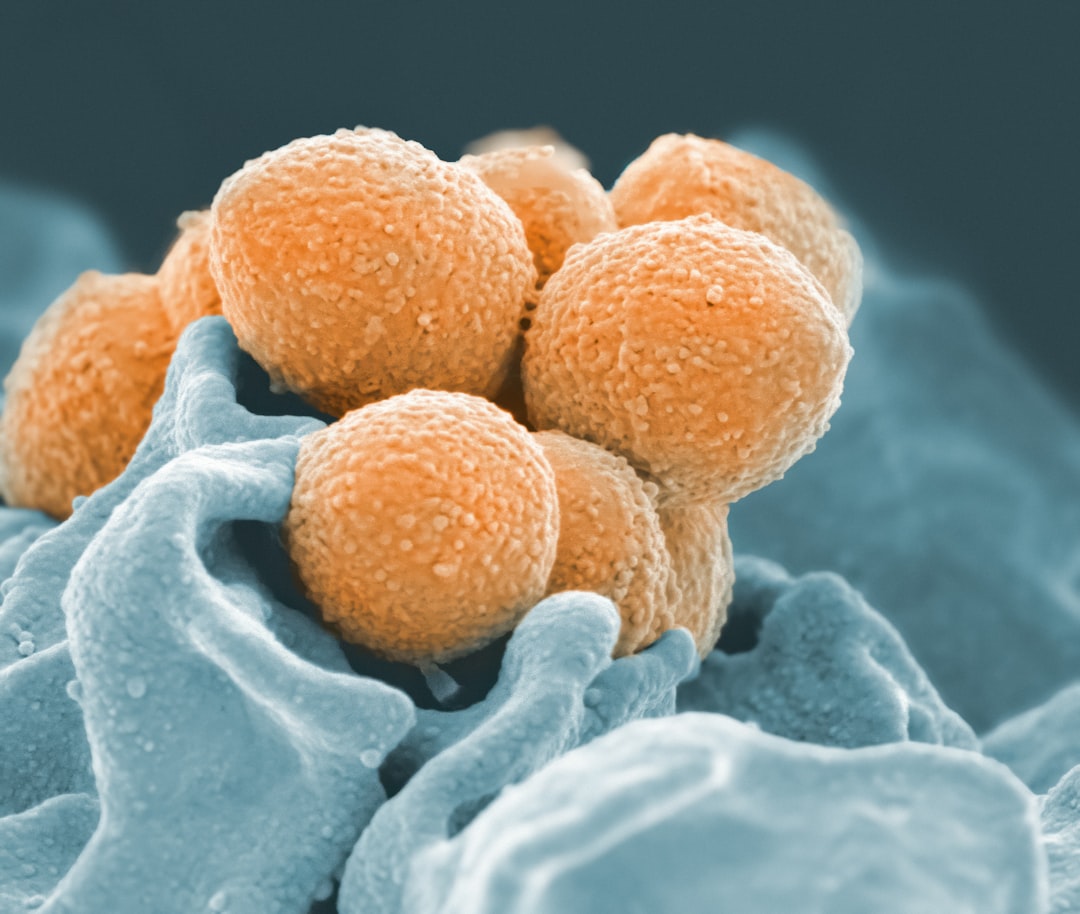
Balance. It's a concept we encounter throughout life—work-life balance, balanced diet, balanced budget. Yet perhaps nowhere is balance more critical than in the invisible microbial world that surrounds and inhabits us. Understanding why probiotic cleaning works requires understanding the science of microbial balance, a principle that has governed healthy ecosystems for billions of years and is now being applied to create healthier homes.
This isn't just theoretical science—it's practical knowledge that explains why probiotic cleaning outperforms traditional chemical methods for long-term hygiene and why cultivating beneficial bacterial communities is smarter than attempting to kill everything indiscriminately.
The Fundamental Principle: Ecological Balance
In nature, diverse ecosystems are inherently more stable and resistant to disruption than simple ones. A healthy forest with hundreds of plant species, complex soil microbiomes, and diverse wildlife is far more resilient than a monoculture plantation. The same principle applies to the microbial ecosystems in your home.
Why Diversity Equals Stability
Microbial diversity creates stability through several mechanisms:
- Resource Competition: Multiple species competing for resources prevents any single species from dominating
- Niche Saturation: Diverse communities fill all available ecological niches, leaving no space for invasive species
- Functional Redundancy: Multiple species performing similar functions ensures ecosystem processes continue even if one species declines
- Chemical Competition: Beneficial species produce compounds that inhibit pathogens whilst supporting other beneficial species
- Nutrient Cycling: Complex communities cycle nutrients more efficiently, preventing resource accumulation that could support pathogens
The Problem with Sterility
Chemical disinfectants create temporary sterility—a microbial vacuum that nature abhors. This vacuum is rapidly filled by whatever microorganisms arrive first, and these pioneer colonisers are typically:
- Fast-reproducing species (often potentially harmful)
- Species resistant to chemical disinfectants
- Opportunistic pathogens that thrive without competition
- Biofilm-forming bacteria that quickly establish protective matrices
Studies consistently show that surfaces disinfected with chemical agents often harbour higher pathogen loads 24-48 hours post-cleaning than surfaces maintaining balanced microbial communities.
The Competitive Exclusion Principle
At the heart of probiotic cleaning's effectiveness lies the competitive exclusion principle, a fundamental concept in ecology first formulated by Georgii Gause in the 1930s.
Gause's Law in Action
The competitive exclusion principle states that two species competing for identical resources cannot coexist indefinitely—one will outcompete the other. In probiotic cleaning, we deliberately ensure beneficial bacteria are the superior competitors.
How Beneficial Bacteria Win
When you apply a probiotic cleaner, beneficial bacteria gain competitive advantages:
- Numerical Superiority: You introduce billions of beneficial bacteria—a massive population advantage over any potential competitors
- First-Mover Advantage: Beneficial bacteria establish on surfaces before pathogens arrive, claiming resources and space
- Rapid Colonisation: Selected strains reproduce quickly in household conditions, maintaining population dominance
- Resource Efficiency: Efficient enzyme systems allow beneficial bacteria to access nutrients more effectively than competitors
- Surface Adhesion: Strong attachment to surfaces prevents displacement by later arrivals
- Biofilm Prevention: By consuming organic matter continuously, beneficial bacteria prevent biofilm formation that could shelter pathogens
The Role of Beneficial Bacteria
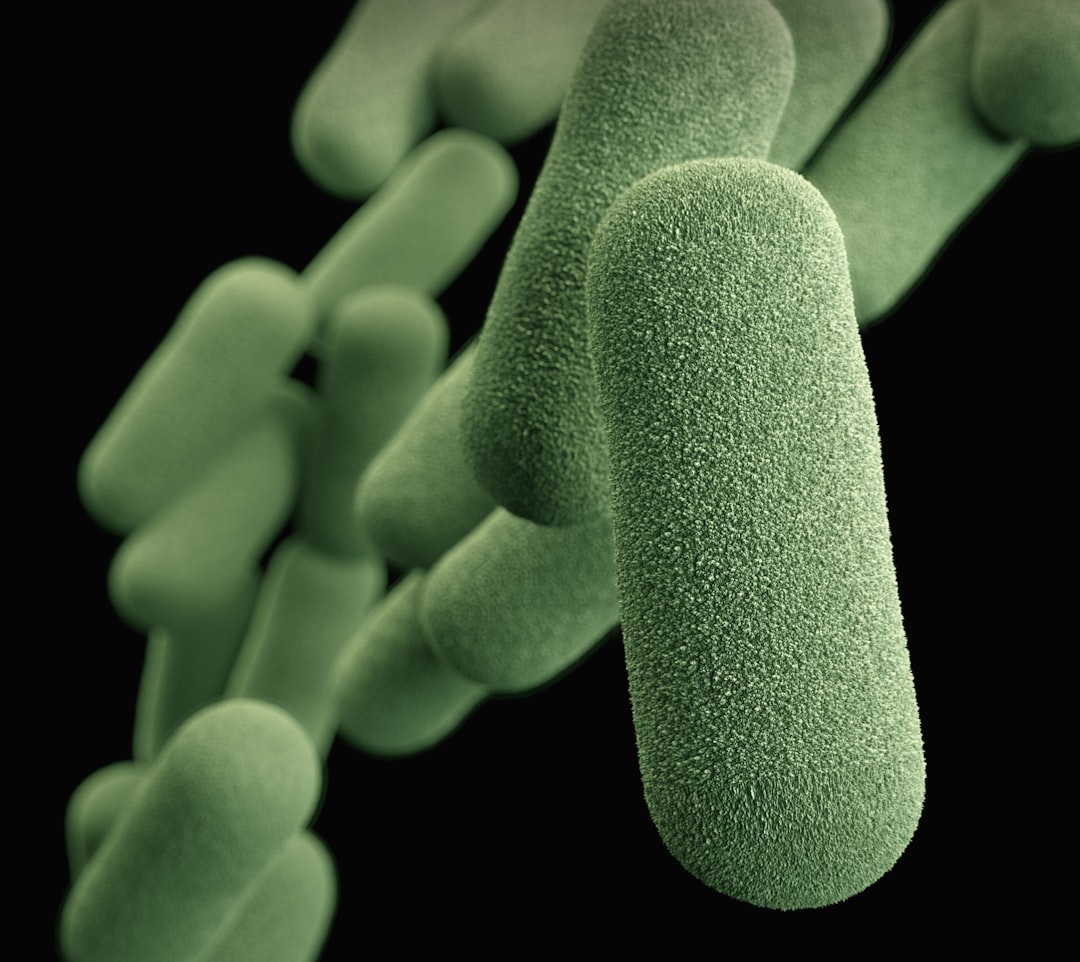
Not all bacteria are created equal. The specific Bacillus species used in probiotic cleaning have characteristics that make them ideal for maintaining healthy microbial balance.
Why Bacillus Species?
Bacillus bacteria are chosen for probiotic cleaning because they:
- Are Completely Safe: Classified as GRAS (Generally Recognised As Safe), these species have been used safely in food production for centuries
- Form Resilient Spores: Can survive in product bottles for years, then activate on surfaces
- Produce Powerful Enzymes: Break down organic matter that would otherwise feed harmful bacteria
- Thrive in Home Conditions: Optimal growth at normal household temperatures and pH levels
- Outcompete Pathogens: Superior competitive abilities prevent harmful species from establishing
- Are Environmentally Harmless: Naturally occurring species that integrate safely into existing ecosystems
The Enzyme Advantage
Beneficial bacteria produce enzymes that serve dual purposes:
- Cleaning Function: Break down organic soils, providing visible cleaning effectiveness
- Ecological Function: Remove the nutrients that harmful bacteria need, starving potential pathogens
This enzymatic activity creates conditions where beneficial species thrive whilst harmful species cannot establish—a perfect example of using biology to create desired outcomes.
The Concept of Microbial Balance
Microbial balance doesn't mean equal numbers of all species—it means a stable community structure where beneficial species dominate and harmful species are kept in check.
What Balance Looks Like
In a balanced home microbiome:
- Beneficial species comprise 95%+ of the microbial community
- Potentially harmful species exist in tiny numbers, unable to cause problems
- Microbial diversity is high, with dozens of beneficial species coexisting
- The community is stable over time, resisting disruption
- Pathogens cannot establish even when introduced
How Balance Protects Health
A balanced microbiome protects human health through:
- Pathogen Resistance: Competitive exclusion prevents harmful bacteria from colonising surfaces
- Allergen Reduction: Enzymatic breakdown of allergenic proteins reduces allergy triggers
- Odour Control: Complete breakdown of organic matter prevents malodour formation
- Immune Training: Exposure to diverse beneficial bacteria supports immune system development, particularly in children
- Chemical Exposure Reduction: Eliminating need for harsh disinfectants reduces toxic chemical exposure
Time-Scale of Effectiveness
Understanding when different cleaning methods work helps explain why probiotic cleaning provides superior long-term protection.
Chemical Disinfection Timeline
- 0-5 minutes: Maximum effectiveness, high pathogen kill rate
- 5-30 minutes: Effectiveness declines as chemicals dissipate
- 30+ minutes: Surface is sterile but unprotected
- 1-4 hours: Recolonisation begins with pioneer species
- 24 hours: Pathogen levels often exceed pre-cleaning levels
- 48+ hours: Biofilms begin forming, providing pathogen protection
Probiotic Cleaning Timeline
- 0-5 minutes: Mechanical cleaning removes visible soils
- 6-12 hours: Bacterial spores germinate and activate
- 12-24 hours: Enzyme production begins, deep cleaning commences
- 24-72 hours: Peak enzymatic activity, surfaces become progressively cleaner
- 72 hours - 7 days: Beneficial bacteria maintain surface dominance
- 7+ days: Bacterial populations naturally decline as organic matter depletes
The key difference: chemical cleaning provides immediate but fleeting effectiveness, whilst probiotic cleaning provides sustained, even improving effectiveness over days.
The Building Effect
One of the most remarkable aspects of probiotic cleaning is that effectiveness builds with consistent use—the opposite of chemical cleaning, where surfaces gradually become more difficult to clean as biofilms establish.
First Applications
When you first switch to probiotic cleaning:
- Beneficial bacteria begin establishing on surfaces
- Existing biofilms start breaking down
- Initial microbial communities are somewhat unstable
- You may need to clean relatively frequently
After 2-4 Weeks
With regular use:
- Beneficial bacterial communities become stable and mature
- Biofilms are largely eliminated
- Surfaces stay cleaner for longer periods
- Cleaning frequency can decrease whilst maintaining better hygiene
- Odour problems diminish or disappear
Long-Term Effects
After months of consistent use:
- Home microbiome is dominated by beneficial species
- Surfaces are naturally resistant to pathogen colonisation
- Deep-set stains and residues are gradually eliminated
- Cleaning becomes easier and less frequent
- Household members may experience reduced allergies and respiratory issues
The Research Evidence
The science of microbial balance in probiotic cleaning isn't theoretical—it's supported by rigorous research in demanding environments.
Hospital Studies
Research in European hospitals has demonstrated:
- 52% reduction in hospital-acquired infections with probiotic cleaning
- 83% reduction in pathogenic bacteria on surfaces
- Sustained effectiveness over months of use
- Reduced prevalence of antibiotic-resistant bacteria
- Improved air quality with reduced airborne pathogens
Mechanism Studies
Laboratory research confirms:
- Beneficial bacteria successfully outcompete pathogens in controlled conditions
- Enzyme production continues for 72-96 hours after application
- Biofilm formation is prevented or disrupted
- Microbial diversity increases with probiotic cleaning use
- Established beneficial communities resist pathogen invasion
Practical Applications of Balance
Understanding microbial balance transforms how you clean your home.
Focus on Consistency Rather Than Intensity
Regular application of probiotic cleaners maintains beneficial bacterial populations and prevents pathogen establishment. This is more effective than infrequent intensive cleaning with harsh chemicals.
Allow Time for Bacterial Action
Unlike chemical cleaning that works instantly, probiotic cleaning improves over hours and days. Apply the product, wipe visible soils, then let the bacteria work.
Avoid Mixing with Chemical Disinfectants
Chemical disinfectants kill beneficial bacteria along with pathogens, disrupting the balance you're trying to establish. If you must use disinfectants in specific situations, wait 24 hours before reapplying probiotic cleaner.
Support Microbial Diversity
Opening windows, bringing outdoor air inside, keeping houseplants, and allowing pets indoors all increase beneficial microbial diversity, supporting the balanced communities that probiotic cleaning cultivates.
Balance in Perspective
The science of balance underlying probiotic cleaning represents a paradigm shift from the warfare mentality of chemical disinfection to an ecological approach that works with natural processes.
We now understand that attempting to create sterile environments is not only impossible but counterproductive. Balance—diverse, stable communities of beneficial microorganisms—is the key to genuine hygiene and health.
Probiotic cleaning doesn't just clean your home—it cultivates the balanced microbial ecosystems that have protected human health throughout our evolutionary history. It's cleaning that works with biology rather than fighting against it.
Ready to bring microbial balance to your home? Explore our complete range of probiotic cleaning products, each formulated to establish and maintain the beneficial bacterial communities that create genuinely healthy living environments.