If you've recently discovered probiotic cleaning, you might be wondering exactly how these products work their magic. After all, the concept of cleaning with bacteria rather than killing them seems counterintuitive at first. However, once you understand the science behind probiotic cleaners, you'll realise why they're quickly becoming the preferred choice for health-conscious households across the UK.
Probiotic cleaners represent a fundamental shift in cleaning technology, moving away from the destructive "kill everything" approach of traditional cleaners towards a more sophisticated, nature-inspired method that works with your home's natural ecosystem. Let's explore the fascinating science behind how probiotic cleaners actually work, from the moment you spray them until days after application.
The Immediate Cleaning Action
When you first spray a probiotic cleaner onto a surface, the formula contains gentle, plant-based surfactants that begin working instantly. Surfactants are surface-active agents—molecules with one water-loving end and one water-repelling end—that reduce the surface tension of water, allowing it to spread more easily and lift away dirt, grease, and grime.
These surfactants work mechanically, breaking the bonds between soil particles and the surface they're attached to. As you wipe with a cloth, you're removing this loosened dirt just as you would with any conventional cleaner. This gives you the immediate visible clean that we all expect from a household cleaning product.
However, what sets probiotic cleaners apart is that the surfactants used are specifically chosen to be gentle and biodegradable. Unlike the harsh detergents in many traditional cleaners, these surfactants won't harm the beneficial bacteria that are waiting to activate and do their more sophisticated work.
The Bacterial Activation Process
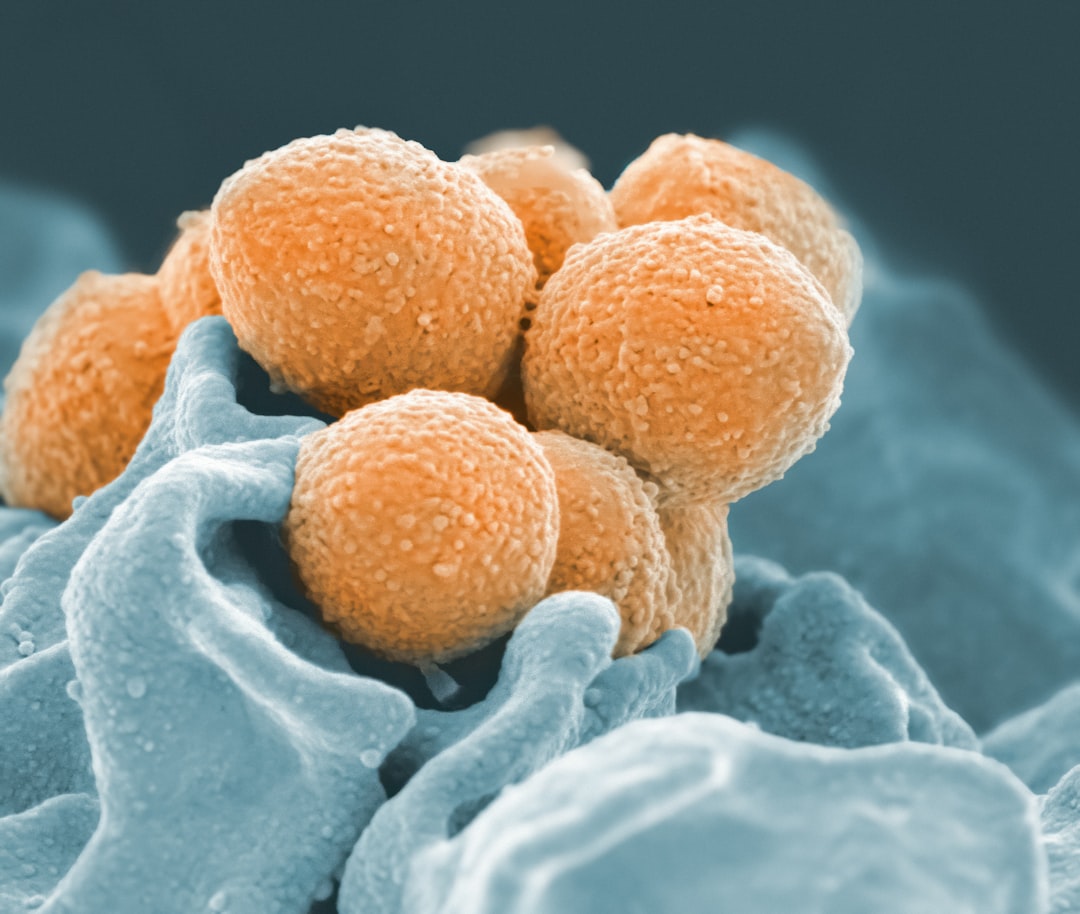
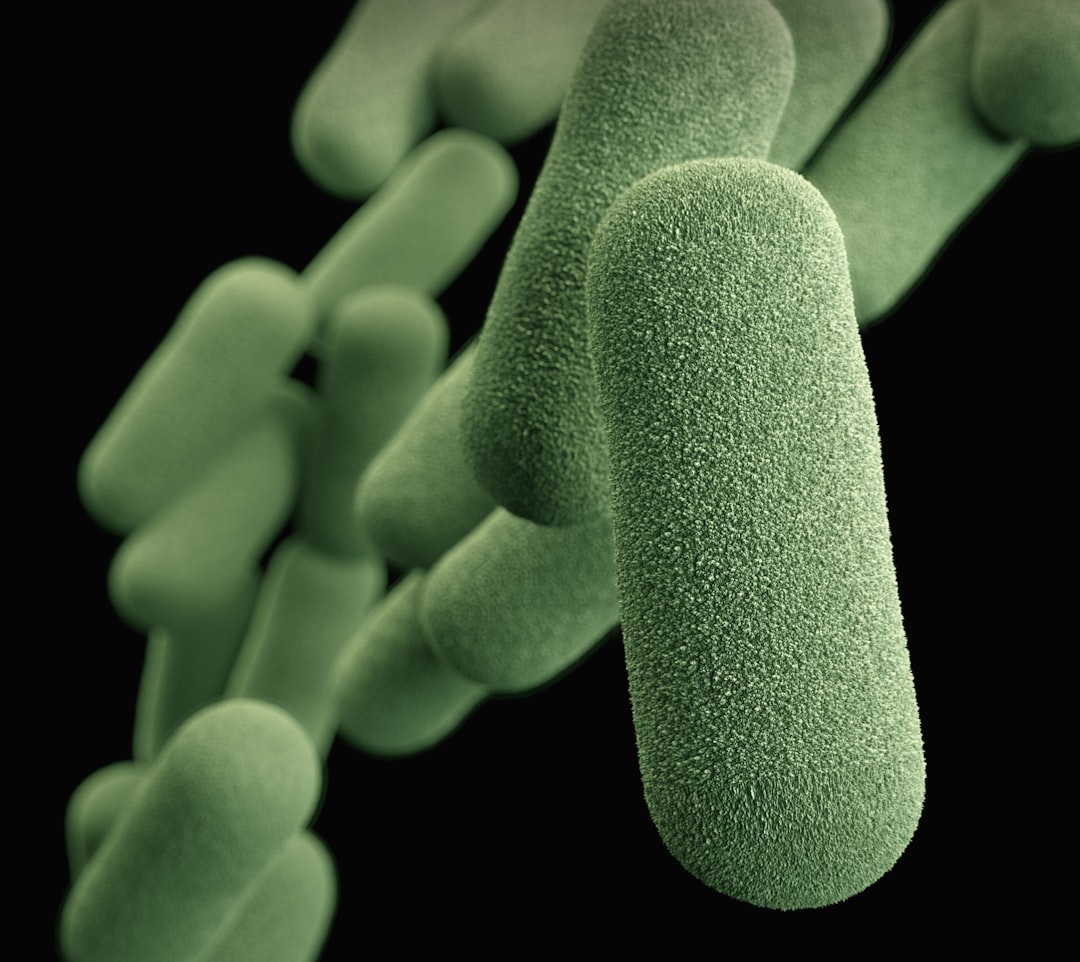
Whilst the surfactants provide immediate cleaning, the real innovation in probiotic cleaners comes from the billions of Bacillus bacteria spores suspended in the formula. When you apply the cleaner, you're depositing approximately 100 million to 1 billion beneficial bacteria per millilitre across the surface.
These bacteria spores are remarkably resilient. They remain dormant in the spray bottle, completely inactive and stable for months or even years. However, once they land on a surface and encounter the right conditions—namely, moisture and organic matter—they begin to activate.
From Spore to Active Bacteria
The activation process is triggered by specific environmental cues. When a Bacillus spore detects moisture and organic nutrients (such as food residue, grease, or dirt), it begins a fascinating transformation process called germination. The protective spore coat breaks down, and the dormant cell within begins to metabolise and reproduce.
Within 6-12 hours of application, you have millions of active bacteria on the surface, each one producing powerful enzymatic compounds. These bacteria aren't harmful to humans or pets—they're the same type of beneficial bacteria found naturally in healthy soil and are even used in some probiotic supplements.
The Enzymatic Breakdown Stage
Once activated, the bacteria begin producing a cocktail of enzymes specifically designed to break down organic matter. This is where probiotic cleaners truly excel beyond traditional cleaning methods. These enzymes work at a molecular level, literally digesting the substances that make up household dirt and grime.
Understanding Bacterial Enzymes
The Bacillus bacteria produce several types of enzymes, each targeting different components of household soil:
- Proteases: These enzymes break down proteins into smaller amino acids. In your home, proteins come from food spills, skin cells, pet dander, and various biological materials. Proteases are particularly effective in bathrooms and areas where organic matter accumulates.
- Lipases: These target fats and oils, breaking them down into fatty acids and glycerol. This makes them invaluable in kitchens where cooking oils and greasy residues are common. Lipases can break down even the toughest baked-on grease that traditional cleaners struggle with.
- Amylases: These enzymes break down complex carbohydrates and starches into simple sugars. Food spills containing pasta, bread, potatoes, or rice are efficiently digested by amylases.
- Cellulases: These break down cellulose from plant-based materials, helping to digest vegetable matter, paper residues, and other plant-derived soils.
What's remarkable about this enzymatic action is its thoroughness. Whilst conventional cleaners can only clean what you can physically reach with a cloth, enzymes can penetrate into microscopic pores, cracks, and crevices in surfaces. They work on a molecular level, breaking down organic matter that's invisible to the naked eye but provides food for harmful bacteria.
The Time-Release Effect
Unlike conventional cleaners that stop working the moment the surface dries, the enzymatic breakdown continues for 72-96 hours after application. This means your surfaces are literally becoming cleaner over time, rather than gradually becoming dirtier as they would after traditional cleaning.
The bacteria remain active as long as there's organic matter to digest and sufficient moisture. On a kitchen worktop that's used daily, they might continue working for 3-4 days. On a less-used surface like a window sill, they might remain active for a week or more.
Competitive Exclusion: The Protective Shield
Perhaps the most sophisticated aspect of how probiotic cleaners work is the principle of competitive exclusion. This is a well-established concept in microbiology that explains how beneficial bacteria can protect surfaces from harmful bacteria without using any antimicrobial chemicals.
The Battle for Resources
Every surface in your home is prime real estate for bacteria. There's limited space and finite resources (organic matter that bacteria feed on), which means bacteria are constantly competing for these resources. When you introduce billions of beneficial Bacillus bacteria onto a surface, they rapidly colonise and begin consuming available nutrients.
Because the beneficial bacteria are already established and actively reproducing, they have a significant advantage over any harmful bacteria that might try to colonise the same surface. The probiotic bacteria effectively crowd out potential pathogens by:
- Occupying the physical space on the surface
- Consuming the organic matter that would otherwise feed harmful bacteria
- Altering the pH and chemical environment to favour beneficial species
- Producing natural antimicrobial peptides that inhibit harmful bacterial growth
Long-Lasting Protection
This protective effect can last considerably longer than the enzymatic cleaning action. On high-touch surfaces like door handles and light switches, the beneficial bacteria can maintain dominance for 3-5 days. On less disturbed surfaces, they can provide protection for a week or even longer.
This is fundamentally different from traditional disinfectants, which kill all bacteria on contact but leave surfaces vulnerable to immediate recolonisation—often by the most aggressive and potentially harmful species that reproduce fastest.
The Biofilm Prevention Effect
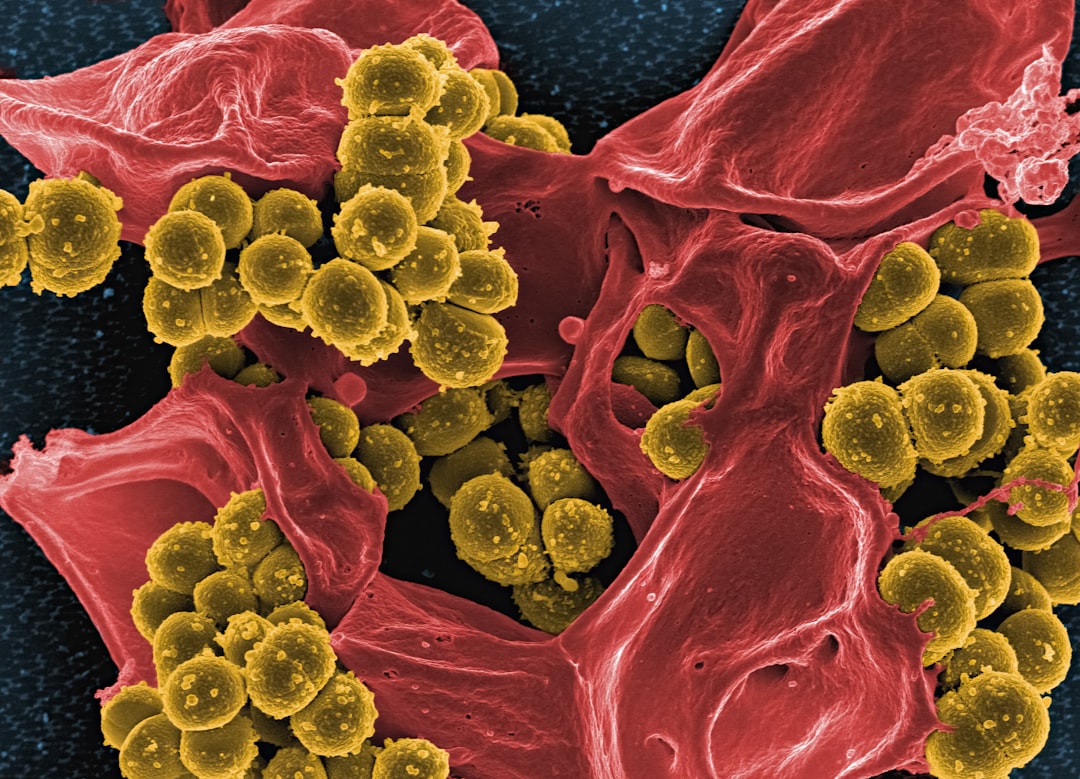
One of the most impressive aspects of how probiotic cleaners work is their ability to prevent biofilm formation. Biofilms are complex structures formed when bacteria attach to surfaces and produce a protective matrix of proteins and polysaccharides. These biofilms make bacteria much harder to remove and can harbour dangerous pathogens.
Traditional cleaners struggle with biofilms because the protective matrix shields the bacteria from chemical disinfectants. However, probiotic bacteria can penetrate into existing biofilms, breaking them down from within using their enzymatic arsenal. Moreover, by maintaining a dominant population of beneficial bacteria on surfaces, they prevent harmful bacteria from ever establishing the organised communities needed to form biofilms.
The Continuous Cleaning Cycle
When you clean regularly with probiotic products, you establish a continuous cycle of protection and cleaning:
- Application: You spray the probiotic cleaner and wipe away visible dirt
- Activation: Bacterial spores activate and begin reproducing
- Enzymatic Action: Bacteria produce enzymes that break down remaining organic matter for 3-5 days
- Protection: Beneficial bacteria dominate the surface, preventing harmful bacteria from establishing
- Gradual Decline: As organic matter is depleted, bacterial populations naturally decrease
- Reapplication: Before harmful bacteria can establish, you clean again, reintroducing beneficial bacteria
This cycle creates an increasingly balanced and healthy microbial environment in your home. Over weeks and months of use, the overall microbiome of your home shifts towards beneficial species, creating a naturally healthier environment.
Why This Method Works Better
Understanding how probiotic cleaners work helps explain why they're often more effective than traditional cleaning methods for long-term hygiene:
- Depth of Cleaning: Enzymes penetrate into microscopic spaces that mechanical cleaning can't reach
- Ongoing Action: Cleaning continues for days rather than stopping when the surface dries
- Prevention: Competitive exclusion actively prevents recolonisation by harmful bacteria
- No Resistance: Unlike chemical antimicrobials, beneficial bacteria don't create resistant strains
- Natural Balance: Works with your home's microbiome rather than trying to create an impossible sterile environment
Real-World Effectiveness
The proof of how well probiotic cleaners work comes from extensive testing in demanding environments. Hospitals in Belgium, the Netherlands, and Italy have been using probiotic cleaning systems for years, with peer-reviewed studies showing significant reductions in hospital-acquired infections compared to traditional cleaning methods.
In domestic settings, families typically notice several changes within the first month of switching to probiotic cleaners: surfaces staying visibly cleaner for longer, a reduction in musty or unpleasant odours (particularly in bathrooms and kitchens), and improved indoor air quality as chemical vapours are eliminated from their cleaning routine.
The Science-Backed Choice
Probiotic cleaners work through a sophisticated combination of immediate mechanical cleaning, ongoing enzymatic breakdown, and long-term protective colonisation by beneficial bacteria. This multi-layered approach addresses both immediate visible dirt and the invisible microbial factors that determine long-term cleanliness and hygiene.
Understanding this mechanism helps explain why probiotic cleaning is more than just a trend—it's a scientifically-backed evolution in how we maintain hygiene in our homes. By working with nature's own systems rather than fighting against them with harsh chemicals, probiotic cleaners provide a more effective, safer, and more sustainable approach to household cleaning.
Ready to experience the difference? Our range of probiotic cleaning products harnesses this remarkable technology, providing you with the most advanced and effective cleaning solution available for UK homes.