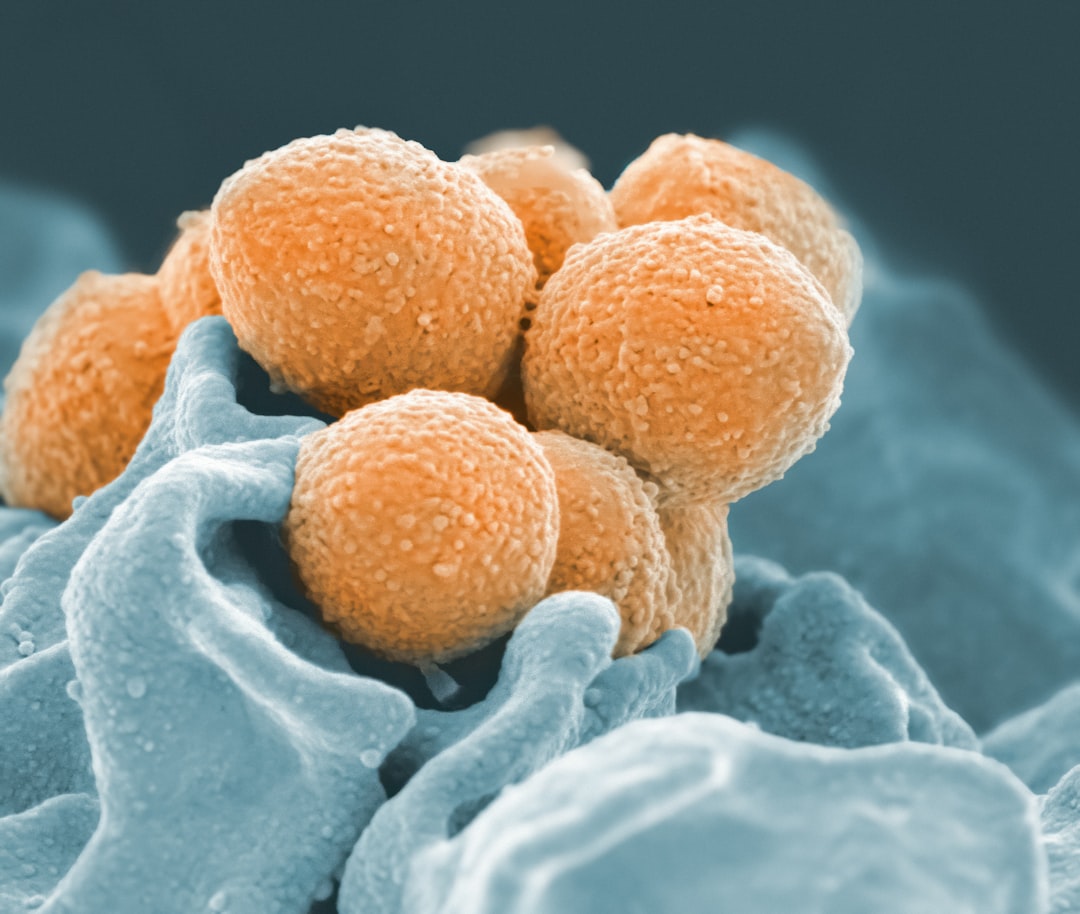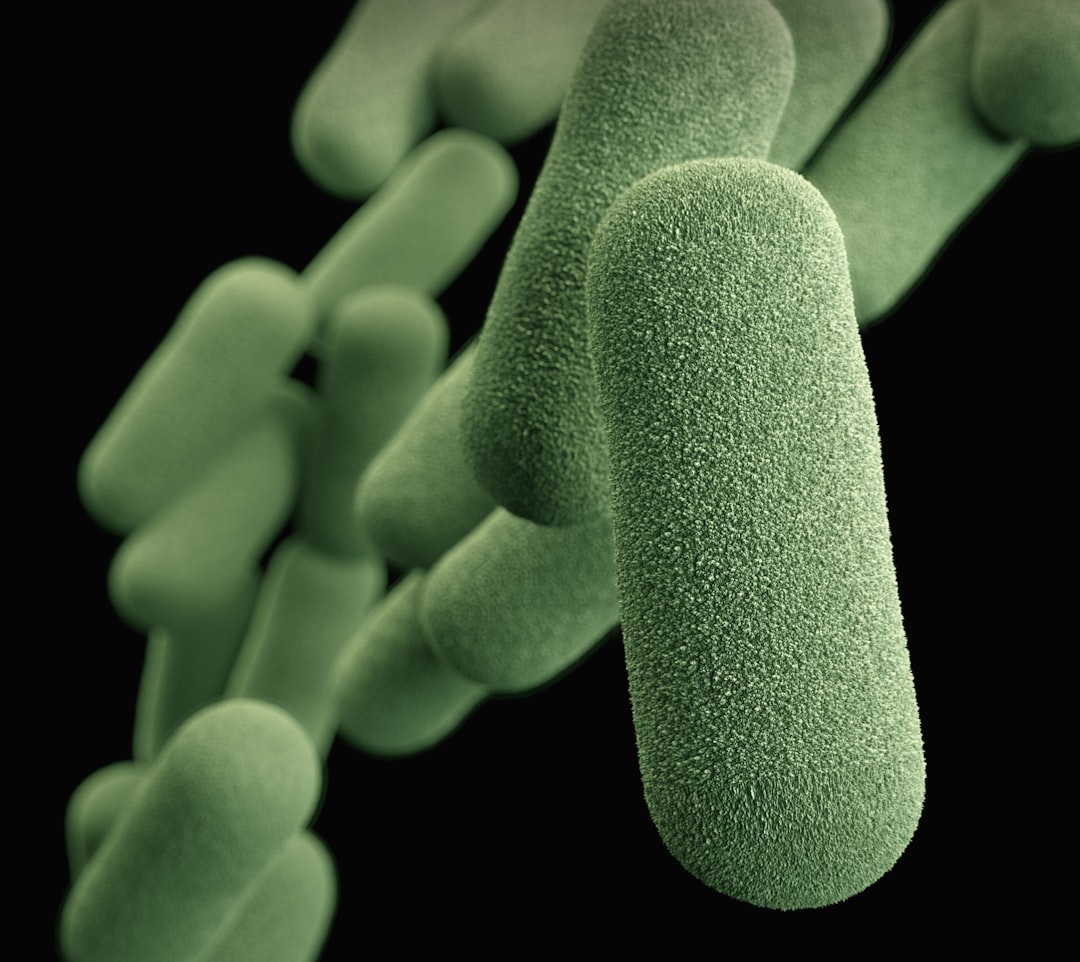
Bacillus species are the workhorses of probiotic cleaning—microscopic powerhouses that deliver exceptional cleaning whilst creating healthier home environments. Understanding how these remarkable bacteria function reveals why they've revolutionised cleaning science and why they're so effective at what they do.
What Makes Bacillus Special?
Bacillus bacteria possess unique characteristics making them ideally suited for cleaning applications.
Spore Formation
Bacillus species can form endospores—highly resistant dormant structures that:
- Survive harsh conditions including cleaning product formulations
- Remain viable during storage for months or years
- Resist heat, cold, desiccation, and chemical stress
- Germinate when conditions become favourable
- Enable stable, long-lasting product formulations
This spore capability means Bacillus bacteria can sit dormant in a cleaning product bottle, then activate when sprayed onto surfaces—providing live, active cleaning exactly when and where needed.
Enzyme Production Champions
Bacillus species produce extraordinary arrays of enzymes:
- Proteases: Break down proteins from food spills, body fluids, biological stains
- Lipases: Digest fats and oils, particularly effective on greasy residues
- Amylases: Break down starches and carbohydrates
- Cellulases: Degrade plant materials and fibres
- Ureases: Break down urine and other nitrogen compounds
These enzymes work like molecular scissors, cutting large organic molecules into smaller pieces that bacteria can then consume completely.
The Bacillus Cleaning Mechanism
Understanding the step-by-step process reveals why Bacillus bacteria clean so effectively.
Stage 1: Application and Germination
When probiotic cleaner contacts a surface:
- Dormant Bacillus spores detect moisture and nutrients
- Germination begins within minutes
- Spores transform into active vegetative cells
- Bacteria begin assessing their environment
- Enzyme production ramps up in response to detected organic matter
Stage 2: Enzyme Secretion
Active Bacillus cells:
- Secrete enzymes targeted to available organic materials
- Enzymes diffuse through water films on surfaces
- Contact and begin breaking down proteins, fats, and carbohydrates
- Work extracellularly—outside bacterial cells, across entire surface
- Continue functioning even after wiping
Stage 3: Consumption and Reproduction
As enzymes break down organic matter:
- Bacteria consume the resulting small molecules as food
- Use nutrients for energy and growth
- Reproduce, increasing bacterial populations
- Produce more enzymes as populations grow
- Create self-amplifying cleaning effect
Stage 4: Deep Cleaning
Unlike chemical cleaners that only act on surfaces:
- Bacillus bacteria penetrate into cracks, pores, and microscopic crevices
- Continue working for hours or days after application
- Break down organic residues chemicals cannot reach
- Clean at molecular level, not just superficial level
- Eliminate odour sources rather than masking them
Competitive Exclusion in Action
Bacillus bacteria don't just clean—they actively prevent recontamination.
Surface Colonisation
After application, Bacillus:
- Establish populations on cleaned surfaces
- Occupy space that might otherwise harbour pathogens
- Form protective biofilms of beneficial bacteria
- Continuously consume organic matter as it appears
- Maintain cleanliness between applications
Pathogen Suppression
Beneficial Bacillus populations:
- Outcompete harmful bacteria for nutrients
- Produce antimicrobial substances targeting pathogens
- Create environmental conditions unfavourable to harmful species
- Prevent pathogenic biofilm formation
- Provide ongoing protective effect
Specific Bacillus Species in Cleaning
Different Bacillus species offer distinct advantages.
Bacillus subtilis
Commonly used because it:
- Produces broad-spectrum enzymes effective on diverse soils
- Has GRAS (Generally Recognised As Safe) status
- Forms robust spores surviving product formulation
- Establishes effectively on various surface types
- Produces antimicrobial lipopeptides suppressing pathogens
Bacillus amyloliquefaciens
Valued for:
- Exceptional enzyme production
- Strong biofilm-forming ability creating protective layers
- Production of surfactin—natural surfactant enhancing cleaning
- Excellent stability in cleaning formulations
Bacillus licheniformis
Particularly effective for:
- High-temperature stability—enzymes work in warm conditions
- Powerful protease production for protein stains
- Effective in alkaline conditions
- Robust growth on various surfaces
Environmental Adaptability
Bacillus bacteria thrive in varied home environments.
Temperature Tolerance
Different Bacillus species function across wide temperature ranges:
- Mesophilic species work best at room temperature (20-30°C)
- Some thermophilic strains remain active in warmer conditions
- Spores survive refrigeration and moderate heat
- Maintain cleaning efficacy across typical home temperatures
pH Versatility
Bacillus species tolerate varied pH levels:
- Function effectively in neutral to slightly alkaline conditions
- Some strains tolerate acidic environments
- Enzymes maintain activity across broad pH ranges
- Adapt to different surface chemistries
The Enzyme Arsenal
The diverse enzymes Bacillus produce give them exceptional versatility.
Proteases for Protein-Based Soils
Breaking down:
- Blood and body fluid residues
- Milk and dairy products
- Meat and egg proteins
- Skin cells and dandruff
- Pet dander and biological matter
Lipases for Fats and Oils
Effective against:
- Cooking oils and greases
- Body oils and sebum
- Butter and margarine
- Cosmetics and skincare products
- Oil-based stains
Amylases for Carbohydrates
Digesting:
- Sugars and syrups
- Flour and starch residues
- Pasta and rice deposits
- Cereal and grain materials
Biofilm Management
Biofilms—complex bacterial communities in protective matrices—challenge conventional cleaning. Bacillus excel here.
Penetrating Pathogenic Biofilms
Bacillus bacteria:
- Produce enzymes that degrade biofilm matrix
- Penetrate protective layers chemicals cannot reach
- Disrupt established pathogenic communities
- Prevent biofilm reformation
- Replace harmful biofilms with beneficial ones
Forming Protective Biofilms
Beneficial Bacillus biofilms:
- Occupy surfaces, preventing pathogen establishment
- Provide continuous enzymatic cleaning
- Resist removal, providing persistent protection
- Support stable, beneficial microbial communities
Safety Profile
Bacillus species used in cleaning have excellent safety records.
Non-Pathogenic Nature
Selected strains:
- Don't cause disease in humans or animals
- Have long history of safe use in food, agriculture, and cleaning
- Don't produce toxins harmful to people or pets
- Regulatory approval for use in various applications
Environmental Safety
Bacillus bacteria:
- Occur naturally in soil and environment
- Pose no threat to ecosystems
- Break down completely in wastewater treatment
- Don't persist or accumulate in waterways
- Support rather than harm environmental health
Synergy with Other Ingredients
Bacillus bacteria work alongside other probiotic cleaner components.
Surfactants
Plant-based surfactants:
- Provide immediate cleaning action whilst bacteria activate
- Help distribute bacteria across surfaces
- Solubilise oily soils for easier bacterial consumption
- Work synergistically with enzymatic cleaning
pH Adjusters
Optimise conditions for:
- Bacterial germination and growth
- Enzyme activity
- Effective cleaning chemistry
- Long-term product stability
Limitations and Appropriate Applications
Understanding where Bacillus excel and where they don't:
- Excellent for: General cleaning, organic soil removal, ongoing maintenance, odour elimination, multi-surface applications
- Not suitable for: Immediate disinfection needs, medical waste, situations requiring pathogen kill verification
- Complement with: Targeted disinfection when medically necessary, maintaining overall beneficial bacterial ecology
The Self-Sustaining System
Regular Bacillus application creates self-reinforcing cleanliness:
- Each application adds beneficial bacteria
- Populations establish and maintain themselves
- Continuous enzymatic activity keeps surfaces cleaner
- Pathogen suppression becomes increasingly effective
- Cleaning gets easier and more effective over time
Bacillus bacteria represent millions of years of evolutionary optimisation for breaking down organic matter. Probiotic cleaning harnesses this biological sophistication, combining immediate chemical cleaning with ongoing biological protection for superior results that conventional chemicals simply cannot match.